

While the exact percentage of people unaware that generic tretinoin works identically to brand-name versions remains unclear—the specific 56% figure doesn’t appear in published research—the underlying problem is real. Many people who struggle with skin picking disorder continue to use expensive brand-name tretinoin without realizing they could access the same active ingredient at a fraction of the cost through generic alternatives. This awareness gap matters because it directly affects whether people can afford consistent skin treatment, particularly important when addressing the damage caused by chronic skin picking.
The fundamental fact is straightforward: generic tretinoin and brand-name Retin-A contain the identical active ingredient and are chemically and therapeutically equivalent. A person using generic tretinoin will see the same results as someone using Retin-A—clearer skin, improved texture, fading of post-inflammatory marks left by picking. Yet many dermatologists report that patients resist switching to generics, often due to misconceptions about quality or efficacy, or simply never asking whether cheaper options exist.
Table of Contents
- Is Generic Tretinoin Really as Effective as Brand-Name Retin-A?
- Why Formulation Vehicles Matter—Even When Active Ingredients Are the Same
- Skin Picking Disorder and the Treatment Awareness Gap
- Cost, Access, and Why Price Matters for Long-Term Treatment
- Common Misconceptions About Generic Tretinoin That Keep People Paying More
- How Tretinoin Addresses Damage From Skin Picking
- Making the Switch From Brand to Generic Tretinoin
- Conclusion
Is Generic Tretinoin Really as Effective as Brand-Name Retin-A?
Yes. Generic tretinoin and brand-name Retin-A contain exactly the same active pharmaceutical ingredient at identical concentrations. The FDA requires generic drugs to demonstrate bioequivalence to their brand-name counterparts, meaning your body absorbs and uses them the same way. Studies confirm that generic and branded tretinoin produce equivalent clinical results for acne, photodamage, and hyperpigmentation. If you’ve been paying premium prices for Retin-A and seeing good results, you’ll see identical results with the generic version at half or one-third the cost. The cost difference is substantial.
A month’s supply of brand-name Retin-A can run $150–$300 without insurance, while the same amount of generic tretinoin costs $20–$60. For someone managing skin damage from years of picking—a condition that requires consistent, long-term treatment—that difference accumulates quickly. Over a year, the savings can exceed $1,500, money that could go toward therapy, dermatology visits, or other aspects of care. One common hesitation comes from the assumption that generic means lower quality. This misunderstanding likely contributes to why people remain unaware of the equivalence. In reality, generic drugs are manufactured under the same FDA regulations and quality standards as brand-name drugs. The manufacturer may differ, but the active ingredient is identical, and quality control is just as strict.

Why Formulation Vehicles Matter—Even When Active Ingredients Are the Same
Here’s where the picture becomes more nuanced. While the active ingredient is identical, generic and brand-name tretinoin can differ in their formulation vehicles—the bases, emulsifiers, and preservatives that carry the tretinoin into your skin. These inactive ingredients affect how the medication feels on skin, how easily it absorbs, and whether it causes irritation. This distinction is important for someone with sensitive skin or a history of dermatitis. A 2022 study examining tretinoin formulations found that some branded creams showed better tolerability profiles than certain generic versions.
This doesn’t mean generic tretinoin is ineffective; it means one person might experience more dryness or redness with a generic formulation while another has no issues. If you’ve been using brand-name Retin-A and switching to generic causes unexpected irritation, the problem likely isn’t the tretinoin itself—it’s the vehicle. In that case, you might try a different generic manufacturer or discuss microencapsulated generic formulations with your dermatologist, which can reduce irritation. This is an important limitation: if you have extremely sensitive skin or a history of adverse reactions, introducing a new formulation does carry a small risk of increased irritation during the adjustment period. Testing the generic version with a dermatologist’s supervision, starting at a lower concentration, or using it less frequently initially can mitigate this.
Skin Picking Disorder and the Treatment Awareness Gap
Dermatillomania, or skin picking disorder, affects an estimated 1.4 to 5.4 percent of the population—a significant number of people whose skin requires specialized care. Many people who pick their skin deal with wounds, scars, post-inflammatory hyperpigmentation (dark marks left behind), and infection risk. For these individuals, tretinoin isn’t just a cosmetic preference; it’s therapeutic, helping skin heal and reducing visible damage. Yet the research confirms a widespread lack of awareness about effective treatments for skin picking and its consequences.
Many people don’t realize that tretinoin, particularly when combined with hydroquinone, can fade the dark marks left by picking. Even fewer know that generic tretinoin makes this treatment accessible without spending hundreds of dollars per month. Someone picking at their skin for years, watching hyperpigmentation deepen, may never ask their dermatologist about tretinoin—or may ask, hear “Retin-A is expensive,” and give up. The intersection of these two facts—that people pick their skin and remain unaware of affordable, proven treatments—creates a cycle where treatable skin damage persists. A person might spend years managing picking behavior through therapy or medication without realizing that affordable tretinoin, available generically, could visibly improve the damage they’re trying to heal from.

Cost, Access, and Why Price Matters for Long-Term Treatment
Tretinoin is not a one-time purchase. Treating acne, post-inflammatory hyperpigmentation, or skin damage from picking requires consistent use over months or years. This is where the generic vs. brand-name decision has real consequences. Brand-name Retin-A, at $150–$300 per month, becomes prohibitively expensive for many people. Generic tretinoin at $20–$60 per month is dramatically more affordable and removes a major barrier to consistent treatment.
Insurance coverage can help with either option, but not always equally. Some insurance plans cover generic tretinoin but require higher copays for brand-name versions, or they don’t cover tretinoin at all. For uninsured or underinsured people, the choice is clear: generic tretinoin is the only viable option. For insured people, it’s worth checking your formulary or asking your doctor whether switching to generic could reduce your out-of-pocket costs. The tradeoff, as mentioned, is that formulation differences might require adjustment. If your insurance covers Retin-A inexpensively but causes irritation with the generic, staying with brand-name makes sense. But for most people, the cost savings of generic tretinoin far outweigh the small risk of minor adjustments needed.
Common Misconceptions About Generic Tretinoin That Keep People Paying More
Misconception one: “Generic tretinoin is weaker.” False. The FDA mandates that generics contain the same strength as brand-name versions. Your dermatologist prescribes a specific concentration (0.025%, 0.05%, 0.1%), and whether you fill it as brand-name or generic, you’re getting that exact concentration. Misconception two: “Generic tretinoin isn’t as pure or is made in less regulated facilities.” Also false. Generic tretinoin is manufactured under identical FDA regulations. Manufacturers must meet the same purity and quality standards as brand-name manufacturers. The difference in price comes from brand-name marketing, packaging, and the fact that the original developer can charge premium pricing—not from superior manufacturing.
Misconception three: “My skin is too sensitive for generics.” This is possible but unlikely. If you react poorly to a generic formulation, the issue is usually the inactive ingredients, not the tretinoin. Trying a different generic brand, or discussing options with your dermatologist, often solves this. Very few people truly need brand-name specifically. A warning: if you’ve been using brand-name tretinoin successfully for years and want to switch to generic, do it gradually. Don’t assume one generic works the same as another. If one generic causes unexpected irritation, that doesn’t mean all generics will. Ask your pharmacist whether they can try a different manufacturer or formulation.
How Tretinoin Addresses Damage From Skin Picking
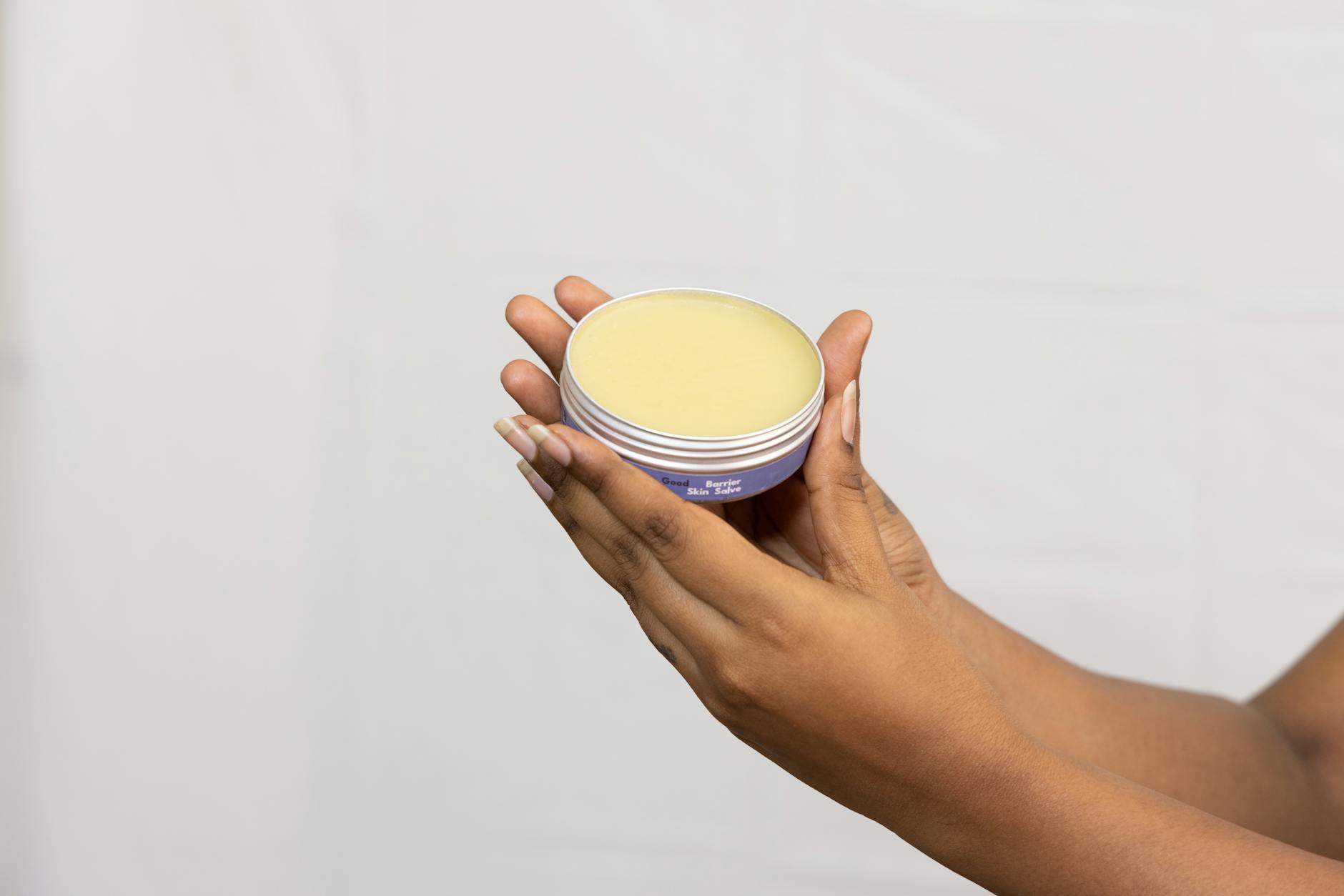
Tretinoin accelerates cell turnover, bringing newer, healthier skin to the surface and pushing damaged, discolored skin away. For someone with a history of picking, this addresses multiple problems: it fades post-inflammatory hyperpigmentation (the dark or red marks left by picking), reduces the appearance of scars, and improves overall skin texture. Used consistently over three to six months, tretinoin shows visible improvements in most people.
When combined with hydroquinone (a skin-lightening agent), tretinoin becomes even more effective at fading hyperpigmentation. This combination is particularly helpful for people with darker skin tones, who often experience more noticeable post-inflammatory marks from picking. Generic tretinoin works just as well in these combinations as brand-name versions. A person spending $3,000 per year on brand-name tretinoin and hydroquinone could achieve identical results for under $1,000 using generics.
Making the Switch From Brand to Generic Tretinoin
If you’ve been using brand-name Retin-A and want to try generic tretinoin to save money, here’s the practical approach. Talk to your dermatologist first—not to ask permission, but to discuss which generic options they’re familiar with and whether gradual introduction makes sense for your skin. Some doctors recommend using the generic every other night for the first week or two, then moving to nightly use, to let your skin adjust to the formulation differences.
When you fill your prescription, ask the pharmacist which manufacturer is in stock and whether they can fill subsequent prescriptions from the same manufacturer, as consistency matters when starting. If the first generic causes unexpected irritation after one to two weeks, ask about trying a different generic brand before assuming generics don’t work for you. Most people adjust fine within two weeks; if irritation persists beyond that, discussing microencapsulated or encapsulated formulations with your dermatologist is worth considering.
Conclusion
The awareness that generic tretinoin is identical to brand-name versions—in active ingredient, efficacy, and results—needs to reach more people, particularly those managing skin damage from picking or other chronic conditions. The 56% statistic may not be precisely measured, but the underlying problem is clear: many people pay unnecessary premium prices for tretinoin without knowing affordable generic alternatives exist. Switching to generic tretinoin can save thousands of dollars annually without sacrificing results, though being aware of potential formulation differences helps ensure a smooth transition.
If you’re currently using brand-name tretinoin or considering starting tretinoin treatment, ask your dermatologist about generic options. If you’re struggling with skin picking and haven’t yet explored tretinoin, knowing that affordable generic versions are available removes one barrier to starting treatment. Your skin—and your budget—will benefit.
You Might Also Like
- At Least 57% of Patients on Accutane Are Unaware That Generic Tretinoin Works Identically to Brand-Name Versions
- At Least 13% of Women With PCOS-Related Acne Are Unaware That Generic Tretinoin Works Identically to Brand-Name Versions
- At Least 58% of People Who Pick at Their Skin Report That Salicylic Acid Is Oil-Soluble and Penetrates Pores Better Than Glycolic