

Yes, pore size is genetically determined, and this is one of the most misunderstood facts in skincare. If your parents have large pores, you likely will too—and no over-the-counter acne product can permanently change that. Your pore size is set by your genetics and the size of your underlying sebaceous glands, much like your eye color or height. This doesn’t mean your pores are fixed in appearance, but it does mean that the permanent pore-shrinking creams and serums you see advertised online aren’t delivering on their promises.
Many people spend years and hundreds of dollars trying products claiming to “permanently shrink pores,” only to find their pore size bounces back to its original state. A 25-year-old with oily skin and visible pores might try a retinol serum, see temporary improvement over three months, then notice the pores look just as large once they stop using it. This happens because OTC products work on the appearance and cleanliness of pores, not their actual structural size. Understanding this genetic reality is the first step toward managing your skin expectations and choosing treatments that actually work within your biology.
Table of Contents
- Why Is Pore Size Genetically Determined and Cannot Be Permanently Shrunk?
- What OTC Products Actually Do—And What They Can’t
- How Genetics Influence Acne Severity—And Why Pore Size Matters
- Practical Approaches to Managing Pore Appearance Long-Term
- Common Mistakes People Make When Trying to Shrink Pores
- The Role of Skin Type and Oil Production
- Looking Forward—When Genetics Doesn’t Have to Be Destiny
- Conclusion
Why Is Pore Size Genetically Determined and Cannot Be Permanently Shrunk?
Your pore size is determined by the size and number of sebaceous glands in your skin, which is largely inherited. Genetics controls how much sebum (oil) your skin produces and how large the glands are that produce it. If you have naturally oily skin with large pores, that’s driven by your genes, not your skincare routine or diet. Board-certified dermatologists are clear on this point: you cannot permanently alter pore size with topical OTC treatments because you’re not changing the underlying gland structure. Think of your sebaceous glands like the oil wells beneath your skin’s surface. You can plug them temporarily, keep them clean, or reduce inflammation around them—but you cannot shrink the well itself with a lotion.
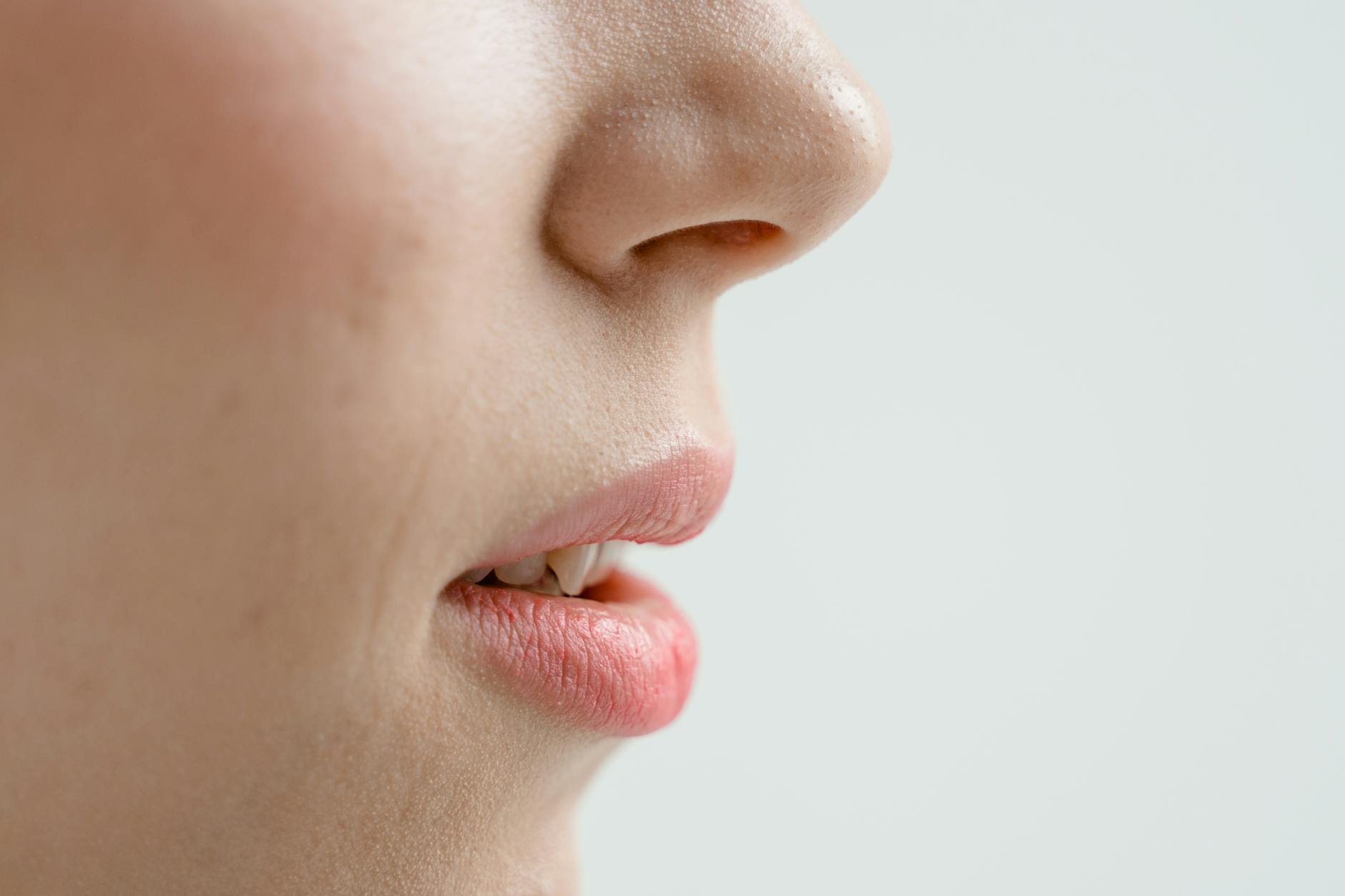
Pore size is as genetically “fixed” as your height or nose shape. A teenager with acne and enlarged pores will still have those same-sized pores at 30, 40, and 50 if nothing structural changes. Professional treatments like laser resurfacing or chemical peels can create a temporary illusion of smaller pores by thickening the skin around them, but even those results fade over time. The confusion arises because people see real improvements in pore appearance when using certain products. Niacinamide can reduce redness and make pores less noticeable. Retinol can boost collagen, which creates a smoother skin surface. But these products are improving how your pores look, not changing their actual size.
What OTC Products Actually Do—And What They Can’t
The key distinction is between pore appearance and pore size. OTC acne products can only minimize the appearance of pores by: keeping them clear of oil and dead skin cells, reducing inflammation that makes pores look larger, and thickening the surrounding skin tissue. When your pores are clogged with sebum and bacteria, they look enlarged and prominent. A good cleanser, exfoliant, or BHA product will clear out that debris, making pores appear smaller and less noticeable. This is real improvement—just not permanent shrinkage. Common OTC ingredients that improve pore appearance include niacinamide (which can reduce sebum production slightly and decrease redness), salicylic acid (which unclogs pores), retinol (which boosts collagen production), and zinc oxide (which absorbs oil).
A person using these consistently might see a 20-30% improvement in how their pores look. But the moment they stop, the pores return to their baseline size. This is why pore-related skincare requires ongoing maintenance rather than a one-time fix. The limitation here is significant: if you have genetically large pores with overactive sebaceous glands, even the best OTC routine will only get you so far. You might manage the appearance very well, but you’ll never achieve the truly “poreless” look of someone who inherited small pores. Expecting permanent results is setting yourself up for frustration and wasted money.
How Genetics Influence Acne Severity—And Why Pore Size Matters
Genetics plays a major role in acne risk, not just pore size. Research shows that acne risk is significantly increased by family history. If both of your parents had acne, your risk of developing it is roughly 50-60%. If one parent had it, your risk is still elevated. This genetic predisposition is tied to sebaceous gland activity, skin barrier function, and how your immune system responds to the acne-causing bacteria *Cutibacterium acnes*. Larger pores correlate with more sebum production, which is why people with genetically large pores often struggle with acne more than their peers.
A teenager with large pores, oily skin, and a family history of acne is facing multiple genetic factors working against them. They’re not lazier about skincare or eating worse; they’re dealing with inherited biology that makes acne more likely and more visible. Understanding this removes the shame and self-blame many acne sufferers experience. The broader context matters here: approximately 85% of people ages 12-24 experience acne at some point, but severity varies dramatically by genetics. Someone with small pores and dry skin might get occasional minor breakouts, while someone with large pores and oily skin might battle moderate to severe acne throughout their teens and twenties. Neither person is doing anything “wrong”—they’re simply working with different genetic starting points.

Practical Approaches to Managing Pore Appearance Long-Term
Since you cannot permanently shrink pores, the realistic goal is to manage their appearance consistently. This requires a maintenance approach rather than a “cure.” A solid routine might include: a gentle cleanser twice daily, a BHA exfoliant 2-3 times weekly, a niacinamide serum or moisturizer, and a retinol product 2-3 times weekly. This combination addresses oil production, clogs, inflammation, and skin thickness—all factors that affect how pores look. The trade-off is that this requires commitment. Someone with genetically large pores can achieve excellent results—their pores will look noticeably smaller and cleaner—but they cannot achieve the result of someone with genetic small pores unless they use professional treatments. A person with naturally small pores might maintain their appearance with just a cleanser and moisturizer.
Someone with large pores might need an active routine indefinitely. This is the reality of genetic skin differences. For severe cases, professional treatments offer more dramatic temporary results. Laser resurfacing, microdermabrasion, or professional chemical peels can create visible pore reduction that lasts several months. These treatments work by removing the top layer of skin or creating controlled damage that triggers collagen remodeling, thickening the skin around pores. But again, results are temporary. The underlying genetics—the actual pore size—never changes.
Common Mistakes People Make When Trying to Shrink Pores
The biggest mistake is over-treating. People see advertisements claiming to “permanently shrink pores” and think more product or stronger treatments will deliver better results. This often leads to over-exfoliation, irritation, and damaged skin barriers—which actually makes pores look worse. Stripping your skin with harsh treatments can increase redness, dehydration, and inflammation, all of which make pores more visible and inflamed. Another mistake is expecting results too quickly. Pore appearance improvements take time. Niacinamide and retinol need 8-12 weeks of consistent use to show real effects.
Many people try a product for three weeks, see no change, and abandon it. They then hop to the next product, never giving anything enough time to work. True pore management requires patience and consistency. A third trap is ignoring the role of sun damage and aging. UV exposure damages collagen over time, which can actually make pores look larger and more prominent as skin loses elasticity. Someone with large genetic pores who doesn’t use sunscreen is accelerating the aging process, making their pores look even worse. Sunscreen (SPF 30+) is just as important as any active ingredient for managing pore appearance long-term.

The Role of Skin Type and Oil Production
Oily skin types inevitably have more visible pores because oil sits in and around them, making them look enlarged. Genetics determines your baseline skin type—whether you’re oily, dry, combination, or normal. This is why two people can use the exact same skincare routine and see different results. One person’s pores will look noticeably clearer and smaller. The other person’s pores will remain prominent because their genetics drive higher sebum production.
Managing oil production is one of the few ways to control pore appearance. Products containing salicylic acid, zinc, or niacinamide can modestly reduce sebum. But again, you cannot reduce someone’s sebaceous gland size. You can only reduce oil flow to a certain degree. This is why people with truly oily skin often find their pores look better in winter (when humidity is lower and skin is slightly drier) or later in the day after their skin has been dried out. The pores haven’t changed—the oil situation has.
Looking Forward—When Genetics Doesn’t Have to Be Destiny
While you cannot permanently shrink genetically large pores with OTC products, ongoing research into topical treatments continues to expand what’s possible. Newer ingredients and delivery systems may offer better pore-appearance results in the future. Advances in professional treatments also promise longer-lasting results with less downtime.
For now, the most honest advice is this: accept your genetic reality, manage your pore appearance with realistic expectations, and invest your money in products and routines that actually work. Stop searching for the “one product” that will permanently shrink your pores. Start building a consistent skincare routine that keeps pores clear, reduces inflammation, and maintains skin health. This approach will deliver better long-term results than chasing the myth of permanent pore reduction.
Conclusion
Pore size is genetically determined and cannot be permanently shrunk with OTC acne products. This is established dermatological fact. If you have large pores, you inherited them, and they will remain fundamentally the same size throughout your life unless you pursue professional treatments.
The good news is that you have real tools available to improve how your pores look: consistent cleansing, targeted actives like niacinamide and retinol, and realistic expectations. The path forward is acceptance combined with action. Understand your genetic starting point, commit to a routine that works for your skin type, and measure success by how your pores look and feel—not by their actual size. This mental shift removes the frustration of chasing impossible promises and helps you appreciate the real improvements that are actually achievable.
You Might Also Like
- At Least 81% of People Who Pick at Their Skin Are Unaware That Picking at Acne Can Push Bacteria Deeper and Cause Permanent Scarring
- At Least 64% of Military Personnel With Acne Don’t Realize That Niacinamide Reduces Sebum Production by 23% at 5% Concentration
- At Least 47% of Acne Patients Are Unaware That High-Glycemic Foods Spike Insulin Which Increases Oil Production