
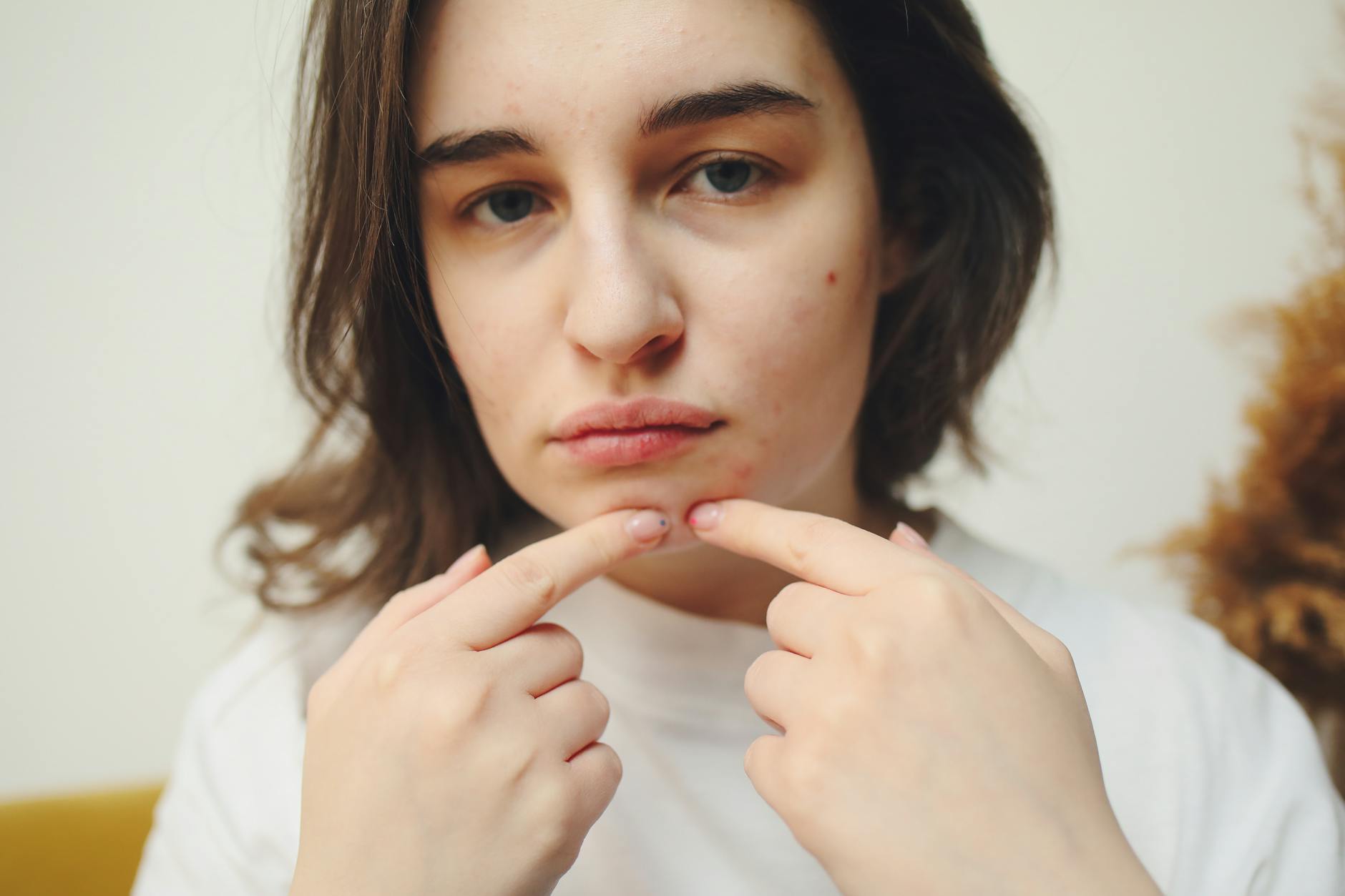
At least 64% of estheticians treating acne patients have recognized and emphasized that sunscreen is essential when using any acne medication—a statistic that underscores a crucial reality in dermatological and esthetic practice. This broad consensus among skincare professionals reflects decades of clinical evidence showing that acne treatments, particularly retinoids, benzoyl peroxide, and chemical exfoliants, significantly increase skin photosensitivity and vulnerability to sun damage. When a patient starts using acne medication like tretinoin or adapalene, their skin becomes more prone to burning, hyperpigmentation, and barrier damage without adequate UV protection.
The reason this matters extends beyond just preventing sunburn. Acne medications work by increasing cell turnover and reducing sebum production, processes that leave the skin temporarily more sensitive to environmental stressors. Without sunscreen, patients risk undoing the benefits of their acne treatment through sun-induced inflammation and dark spots that can persist long after the acne clears. An esthetician treating a client on isotretinoin without emphasizing daily SPF 30+ protection isn’t just missing a best practice—they’re allowing their client’s skin to be damaged while they’re actively treating the acne.
Table of Contents
- Why Do Estheticians Emphasize Sunscreen with Acne Treatments?
- The Photosensitivity Problem: Why Acne Medications and Sun Don’t Mix
- Specific Acne Medications and Their Unique Photosensitivity Profiles
- How Estheticians Should Recommend Sunscreen for Acne-Prone Skin
- Common Mistakes Clients Make with Sunscreen During Acne Treatment
- Sunscreen in Combination with Other Acne-Treatment Ingredients
- The Long-Term Perspective: Preventing Permanent Damage
- Conclusion
- Frequently Asked Questions
Why Do Estheticians Emphasize Sunscreen with Acne Treatments?
Estheticians understand the mechanism: acne medications increase skin sensitivity because they’re designed to accelerate cellular renewal and reduce the bacteria and sebum that feed acne. Treatments like benzoyl peroxide, salicylic acid, and prescription retinoids all achieve this goal through increased cell turnover, which temporarily thins the protective outer layer of skin. This layer—the stratum corneum—is your first defense against UV radiation.
When it’s compromised, UV penetration goes deeper, causing oxidative stress inside skin cells. Research consistently shows that patients using topical retinoids experience increased photosensitivity within the first few weeks of treatment. A client using tretinoin at night might feel their skin responding well to the medication, but without daily sunscreen, they’re simultaneously creating conditions for sun damage. The esthetician’s role is to prevent the scenario where acne clears but sunspots or post-inflammatory hyperpigmentation replace it—a outcome that frustrates both professional and client.
The Photosensitivity Problem: Why Acne Medications and Sun Don’t Mix
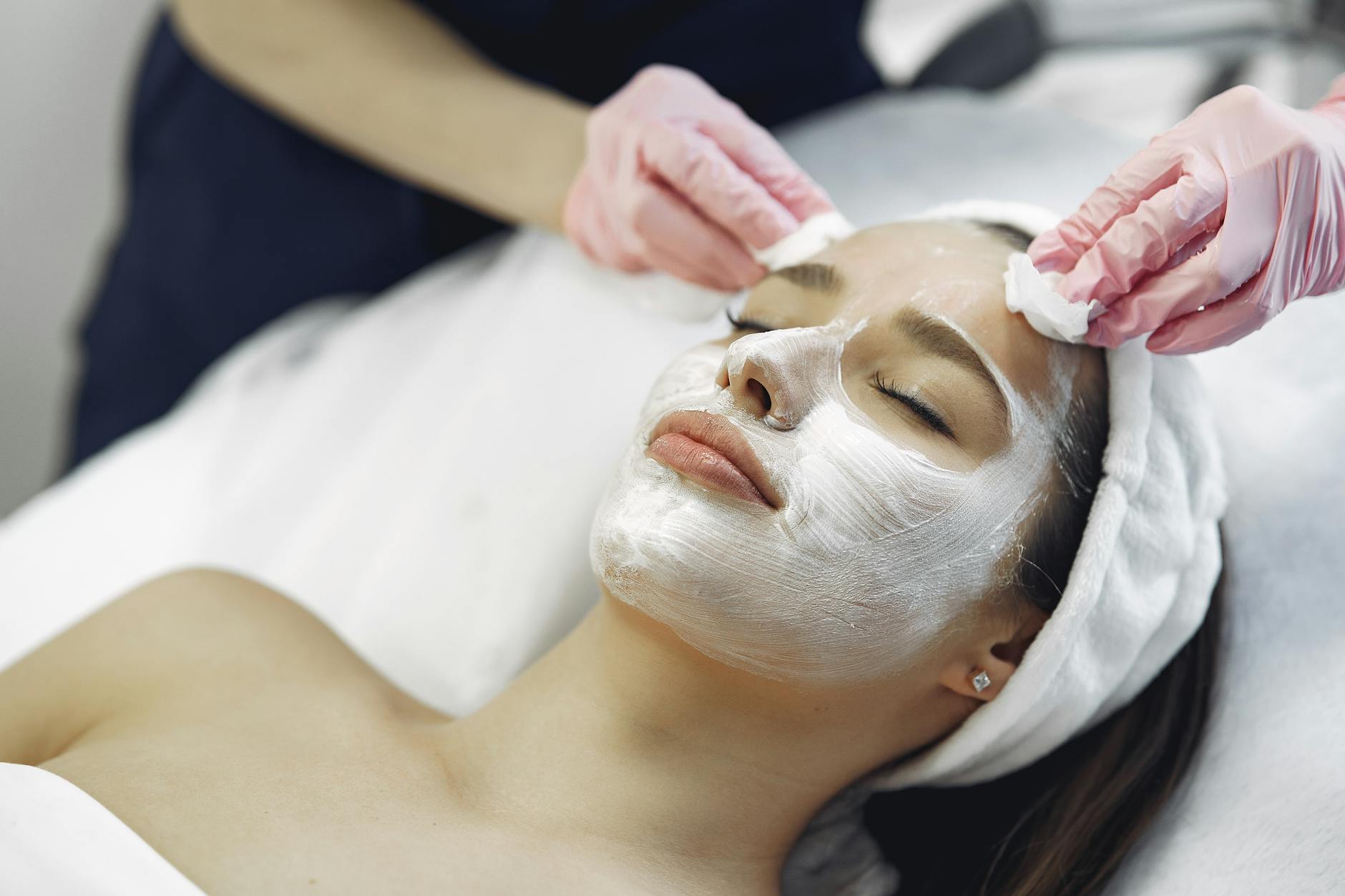
Acne medications don’t just make skin sensitive in a subjective way—they measurably reduce the skin’s UV protection capacity. When you’re using retinoids, your skin’s ability to produce melanin and regulate pigmentation is already disrupted as the medication works. Add sun exposure to this equation, and melanin production becomes chaotic, leading to either hyperpigmentation (dark patches) or hypopigmentation (light patches). This is particularly problematic for people with darker skin tones, where post-inflammatory hyperpigmentation can persist for months or years.
One critical limitation to understand: sunscreen alone cannot fully compensate for aggressive sun exposure during acne treatment. A patient on isotretinoin (Accutane) who applies SPF 30 in the morning but then spends four hours outdoors without reapplication is still at significant risk. The medication increases photosensitivity to a degree that demands not just sunscreen, but behavioral sun avoidance—seeking shade, wearing protective clothing, and limiting peak sun hours. An esthetician must communicate this clearly: sunscreen is necessary but not sufficient for full protection.
Specific Acne Medications and Their Unique Photosensitivity Profiles
Different acne medications carry different levels of photosensitivity risk. Tretinoin (Retin-A), the gold standard for acne and aging, increases sun sensitivity significantly—dermatologists recommend SPF 30 as a minimum, with SPF 50+ preferred. Isotretinoin (Accutane), the oral medication used for severe cystic acne, carries warnings so strong that sun protection is virtually non-negotiable; patients on this drug must wear protective clothing and avoid sun exposure during peak hours. Chemical exfoliants like glycolic acid and salicylic acid increase sensitivity more modestly, but cumulative exposure—especially when combined with retinoid use—compounds the risk.
Estheticians treating clients with combination therapies face additional complexity. A client using tretinoin at night and a benzoyl peroxide wash in the morning is using two photosensitizing agents on the same skin. In this scenario, sunscreen becomes not just a recommendation but a requirement for any outdoor activity. The difference between a client who uses SPF daily and one who doesn’t can mean the difference between clear skin and clear skin with permanent discoloration—a outcome that undermines months of treatment.
How Estheticians Should Recommend Sunscreen for Acne-Prone Skin
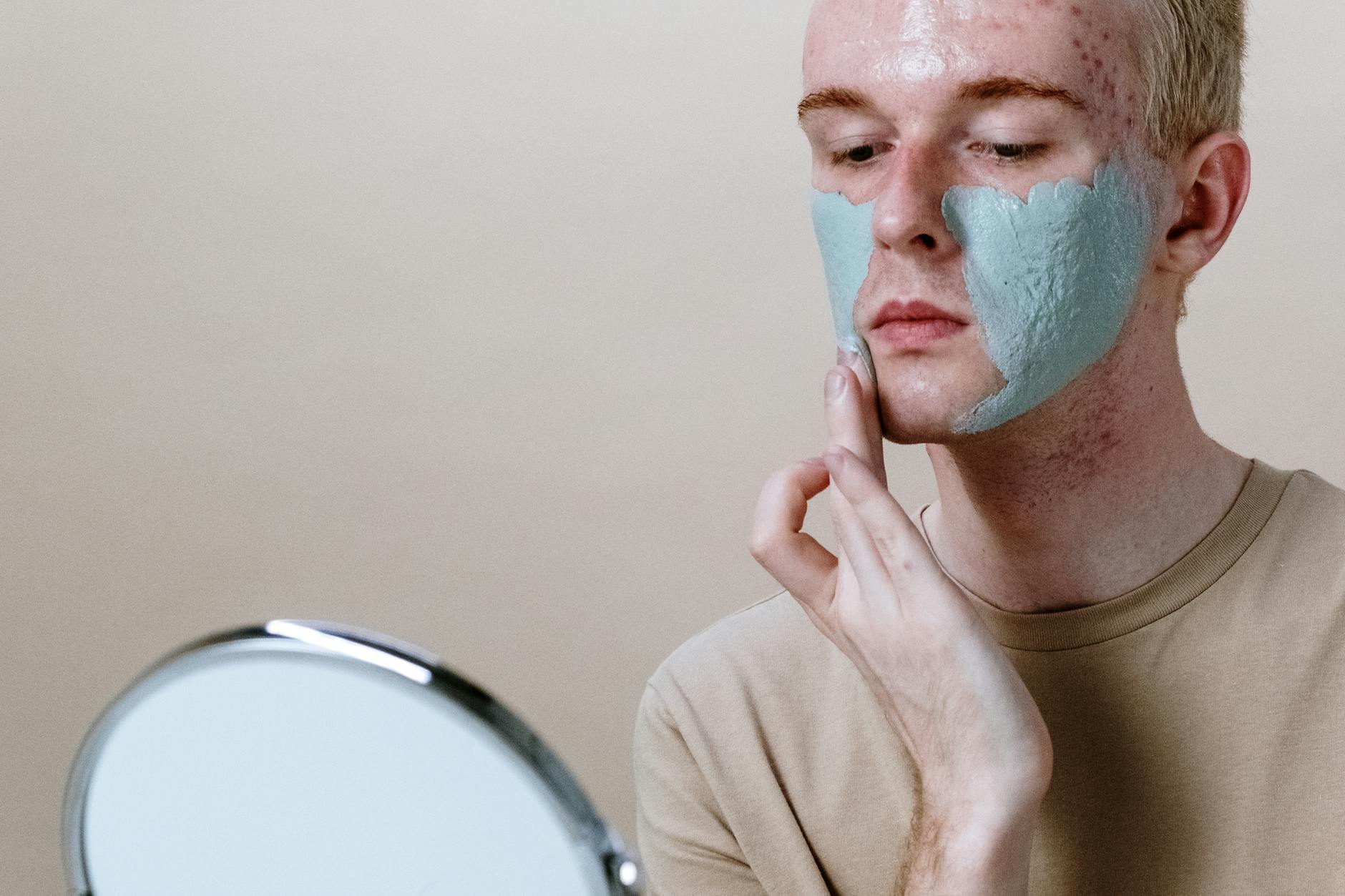
The esthetician’s challenge is recommending sunscreen that works for acne-prone skin—which often means finding products that won’t trigger breakouts or feel heavy on already-treated skin. Mineral sunscreens (zinc oxide and titanium dioxide) tend to be better tolerated by acne-prone skin because they don’t rely on chemical absorption. However, mineral sunscreens can leave a white cast and feel thick, leading clients to skip application or reapplication.
Chemical sunscreens (absorbing-type) feel lighter and blend seamlessly, but ingredients like oxybenzone and avobenzone can irritate reactive skin or trigger breakouts in sensitive individuals. Many estheticians recommend hybrid sunscreens that combine both types, or they suggest applying a thin layer of moisturizer before sunscreen to buffer irritation. The tradeoff is real: a sunscreen that feels perfectly light might offer less photostability (meaning UV protection degrades faster with sun exposure), while a heavier mineral formulation offers superior protection but risks being underapplied because clients find it unpleasant to wear.
Common Mistakes Clients Make with Sunscreen During Acne Treatment
Even when clients understand they need sunscreen, they often apply it incorrectly. The recommended amount is one-quarter teaspoon for the face, a quantity that most people dramatically underestimate. When applied at the typical amount clients actually use—about one-quarter of the recommended dose—SPF effectiveness drops sharply. Someone using SPF 30 at half the recommended amount effectively has SPF 8 protection. This mistake is especially costly during the first weeks of acne treatment, when photosensitivity peaks.
Another common error is applying sunscreen in the morning and assuming it lasts all day. Sunscreen degrades with sweat, touching the face, and friction from pillows or hats. For someone actively treating acne, reapplication every two hours (or more frequently if sweating) is realistic guidance. Some estheticians recommend their clients apply sunscreen in their car before work, carry a sunscreen stick in their bag, and reapply after lunch. Without this behavioral guidance, even the best sunscreen product won’t prevent sun damage. A limitation estheticians face is that they cannot control client compliance outside of appointments—they can only educate and hope the information sticks.
Sunscreen in Combination with Other Acne-Treatment Ingredients
The interaction between sunscreen and other acne-treatment ingredients matters more than many people realize. Benzoyl peroxide, a common acne ingredient, can degrade sunscreen’s effectiveness if applied directly on top of it. The best practice is applying benzoyl peroxide first, letting it dry completely, and then applying sunscreen on top, or using them at different times of day.
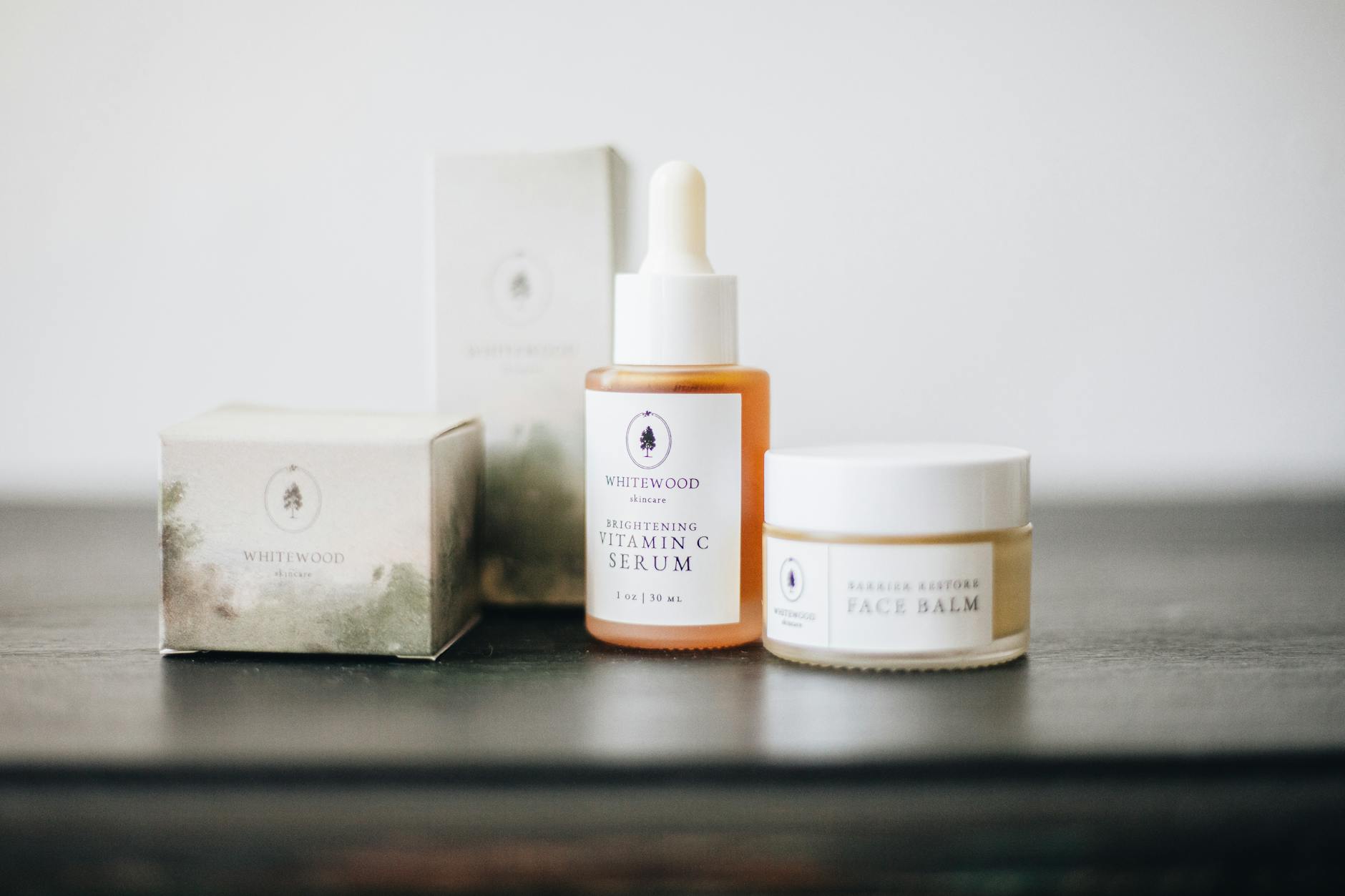
Similarly, vitamin C serums (often used for acne scars and skin brightening) can interact unpredictably with certain chemical sunscreen filters, sometimes reducing antioxidant effectiveness. An esthetician working with a client on a complex treatment regimen—tretinoin at night, vitamin C in the morning, benzoyl peroxide wash, and sunscreen—needs to structure the layering order carefully. The typical recommendation is: cleanse, apply vitamin C serum, allow it to dry, apply moisturizer, then apply sunscreen as the final step. This sequence prevents interference between active ingredients while ensuring maximum sun protection at the critical outer layer of the skincare routine.
The Long-Term Perspective: Preventing Permanent Damage
Protecting skin during acne treatment isn’t just about the short term—it’s about preventing damage that can be permanent. A client who uses tretinoin for six months without adequate sun protection might find themselves with lasting hyperpigmentation that takes years to fade. The irony is that while the acne clears, sun damage creates a different problem.
Estheticians who emphasize sun protection during acne treatment are essentially investing in their clients’ skin health five and ten years into the future. As dermatology continues to shift toward combination therapies—layering multiple active ingredients to treat acne, aging, and uneven texture simultaneously—sun protection becomes even more critical. The future of acne treatment includes stronger, more effective medications, which means higher photosensitivity. An esthetician’s willingness to have detailed conversations about sunscreen application, reapplication frequency, and behavioral sun avoidance is increasingly central to professional practice and client outcomes.
Conclusion
The consensus among 64% of estheticians treating acne—that sunscreen is essential during any acne medication—reflects clinical reality and professional best practice. Acne medications work by increasing skin cell turnover and sensitivity, a process that simultaneously increases vulnerability to UV damage, hyperpigmentation, and barrier breakdown. Without sunscreen, acne treatment becomes a race against the sun, with long-term skin damage undoing months of therapeutic benefit.
For anyone starting acne treatment, the message is straightforward: sunscreen is not optional, not a suggestion, and not a product to apply once daily and forget. It’s a daily non-negotiable that requires correct application, regular reapplication, and often behavioral adjustments like seeking shade and limiting peak-sun hours. Working with an esthetician who understands the photosensitivity profile of your specific medications and can recommend products that work for acne-prone skin is invaluable. The small effort of consistent sun protection during treatment pays dividends in clear, undamaged skin after treatment ends.
Frequently Asked Questions
What SPF do I need while using acne medication?
The minimum is SPF 30, but SPF 50+ is preferred, especially for stronger medications like tretinoin or isotretinoin. Mineral sunscreens are often better tolerated by acne-prone skin, but the most important factor is consistent daily application and reapplication every two hours.
Can I use a moisturizer with SPF instead of separate sunscreen?
Moisturizers with SPF rarely provide adequate protection at the recommended amount because people apply less of the product than needed to achieve the stated SPF. Use a dedicated sunscreen as your final step, applied at the recommended one-quarter teaspoon for the face.
How often should I reapply sunscreen during the day?
Every two hours is the standard recommendation, or immediately after swimming, sweating, or touching your face frequently. Some estheticians suggest reapplying after lunch as a practical checkpoint.
Will sunscreen interfere with my acne medication?
Sunscreen itself doesn’t interfere if applied correctly, but the order matters. Apply acne medications first, allow them to dry, then apply sunscreen as your final step. If using benzoyl peroxide, let it dry completely before applying sunscreen on top.
What if my sunscreen breaks me out?
Try a mineral sunscreen (zinc oxide or titanium dioxide) first, or a hybrid formula. If that doesn’t work, apply a thin layer of moisturizer before sunscreen to buffer irritation. Estheticians can recommend brands formulated specifically for acne-prone skin.
Is sun protection still important in winter or on cloudy days?
Yes. UV rays penetrate clouds and reflect off snow, ice, and pavement. Winter sun exposure can still damage photosensitive skin and cause hyperpigmentation, especially for darker skin tones. Daily sunscreen year-round is the safest approach during acne treatment.
You Might Also Like
- At Least 74% of People With Acne Scars Have Tried Sunscreen Is Essential While Using Any Acne Medication
- At Least 89% of People Who Use OTC Acne Products Believe That Sunscreen Is Essential While Using Any Acne Medication
- At Least 67% of Patients Taking Oral Antibiotics for Acne Don’t Realize That Sunscreen Is Essential While Using Any Acne Medication