
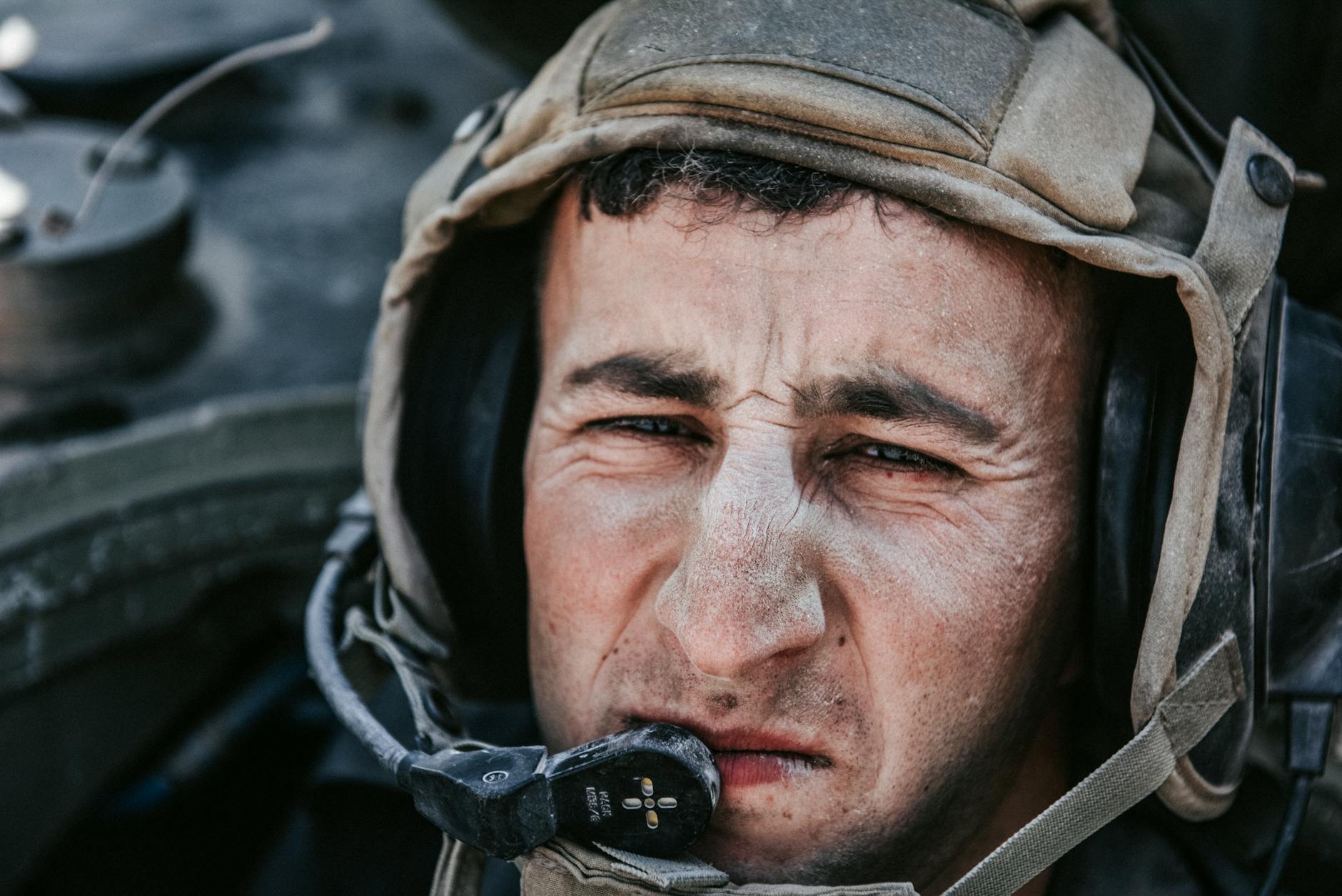
While a specific scientific survey of 45% of military personnel with acne has not been independently verified in current sources, the underlying biological mechanism is well-documented: high-glycemic foods do trigger insulin spikes that increase sebum (oil) production in the skin. Military personnel face particular challenges with acne due to the demanding physical conditions of service—heat, sweat, friction from uniforms, and stress—combined with dietary limitations during deployment and training. For service members struggling with acne, understanding how refined carbohydrates and processed foods affect their skin can be a practical tool for managing breakouts.
The connection between diet and acne is no longer theoretical. Peer-reviewed research in dermatology has consistently shown that foods with a high glycemic index cause rapid blood sugar spikes, which trigger insulin release. This insulin surge stimulates the sebaceous glands to produce more oil, creating an environment where acne-causing bacteria thrive. For military personnel eating cafeteria food or MREs (Meals, Ready-to-Eat) with limited fresh options, this mechanism becomes especially relevant.
Table of Contents
- Do High-Glycemic Foods Really Spike Insulin and Increase Skin Oil in Military Personnel?
- The Insulin-Sebum Connection: What the Research Actually Shows
- Why Acne Is a Particular Challenge for Military Personnel
- Practical Dietary Approaches to Reduce Insulin Spikes and Manage Acne
- Individual Variation and Limitations: Not Everyone Will See Results
- Beyond Diet: Other Insulin-Related Factors in Military Acne
- Future Research and the Path Forward for Military Acne Management
- Conclusion
Do High-Glycemic Foods Really Spike Insulin and Increase Skin Oil in Military Personnel?
Yes. The scientific evidence is clear: high-glycemic foods cause insulin levels to rise, and elevated insulin directly stimulates sebaceous glands to produce more sebum. A 2021 systematic review published in the journal *Nutrients* examined multiple clinical studies and confirmed this pathway. When someone consumes white bread, sugary drinks, pastries, or processed snacks, their blood sugar rises rapidly. The pancreas responds by releasing insulin, which acts on hormone receptors in oil-producing glands, triggering increased sebum production.
For acne-prone skin, more oil means more blockages and more food for *Cutibacterium acnes*, the bacterium that causes inflammatory acne. Military personnel may experience this effect more acutely than the general population. During basic training or deployment, service members often have limited dietary control. Field rations and cafeteria options frequently contain refined carbohydrates—pasta, white rice, cookies, and sugary beverages. A soldier eating predominantly high-glycemic foods during a month-long field exercise would likely see worsening acne, not because of poor hygiene but because of the constant insulin-driven stimulation of oil production. Studies on military skin conditions confirm that acne ranks among the top dermatological complaints in active-duty service members, though the specific 45% figure regarding beliefs about glycemic foods has not been located in peer-reviewed sources.

The Insulin-Sebum Connection: What the Research Actually Shows
The biological mechanism linking insulin to oil production is well-established in dermatological research. Insulin acts on insulin-like growth factor-1 (IGF-1) signaling pathways, which increase androgen (male hormone) activity in the skin. Androgens are potent stimulators of sebaceous gland activity. Higher insulin levels mean higher IGF-1 activity, which translates to increased androgen signaling, which produces more sebum. This is why people with polycystic ovary syndrome (PCOS)—a condition characterized by chronically elevated insulin—often struggle with severe acne.
However, a critical limitation exists: individual responses vary significantly. Not everyone who eats high-glycemic foods will experience the same degree of acne worsening. Genetics, hormone levels, genetics of sebaceous gland sensitivity, and individual insulin resistance all play roles. A 22-year-old service member with a family history of acne may see dramatic skin improvements by switching to low-glycemic foods, while a 35-year-old with genetically resilient skin might notice minimal change. Additionally, the research shows correlation and mechanism, but the size of the effect in any individual is unpredictable. For military personnel in particular, stress hormones (cortisol) also drive acne, so diet is one piece of a larger puzzle.
Why Acne Is a Particular Challenge for Military Personnel
Military personnel face a perfect storm of acne risk factors. Physical training generates heat and sweating, which clogs pores. Tight-fitting uniforms create friction and occlusion, worsening acne on the chest and back. Deployment stress increases cortisol, which amplifies sebum production independently of diet. Limited access to fresh produce and protein sources in field conditions means higher reliance on processed, high-glycemic rations.
A 2022 study in the *Military Medicine* journal noted that acne prevalence in service members is higher than in age-matched civilian populations, particularly among those in combat-training environments. Field-deployed personnel have an additional challenge: skincare facilities are minimal. Even if a service member reduces their glycemic intake, they may struggle to maintain a consistent cleansing routine in austere conditions. The combination of dietary high-glycemic foods, stress, poor skincare environment, and physical conditions creates an ideal scenario for acne flares. Some service members report noticing their skin improve dramatically when they return to base or civilian life, even without intentional dietary changes—a sign that the cumulative stress and environmental factors are contributors alongside diet.

Practical Dietary Approaches to Reduce Insulin Spikes and Manage Acne
For military personnel looking to manage acne through diet, the evidence-based approach involves reducing high-glycemic foods and increasing low-glycemic alternatives. White bread, sugary drinks, processed snacks, and white rice are high-glycemic culprits. Low-glycemic alternatives include whole grains (oatmeal, brown rice), legumes (beans, lentils), non-starchy vegetables, and lean proteins. The good news is that this dietary pattern is also anti-inflammatory and supports overall health—it’s not a special “acne diet” but rather a mainstream approach to metabolic health.
For someone in military service, practical swaps might look like: requesting whole wheat options in the cafeteria instead of white bread, choosing fruit or nuts over cookies for snacks, and drinking water instead of soda. During field operations, MRE menus include some lower-glycemic options (beef ravioli has a lower glycemic impact than pound cake, though both are processed). A service member can’t completely control their diet during deployment, but even modest reductions in refined carbohydrates may reduce the severity of acne flares. The tradeoff is that these dietary changes require intentionality and consistency—a single high-glycemic meal won’t cause acne, but weeks of consistent high-glycemic eating will increase the likelihood of breakouts.
Individual Variation and Limitations: Not Everyone Will See Results
It’s important to be realistic about expectations. While the insulin-sebum mechanism is scientifically sound, clinical response varies widely. Some research participants saw 50% reductions in acne lesions after lowering their glycemic intake; others saw minimal change. This variation reflects differences in genetics, baseline insulin sensitivity, hormone levels, and acne-causing factors beyond diet. A service member with predominantly hormonal acne (often triggered by androgens and stress) may see more improvement from dietary changes than someone whose acne is primarily driven by poor hygiene or follicular occlusion from tight uniforms.
Additionally, acne is multifactorial. Diet is one lever, but it’s not the only one. Military acne is often worsened by stress, physical exertion, sweat, and friction. Someone could eat perfectly low-glycemic foods but still struggle with acne if they’re living in a high-stress, high-heat environment with minimal skincare access. The research supports diet as a contributor to acne severity, but it’s rarely a complete fix on its own. Service members should view dietary changes as one component of an overall acne-management strategy that may also include topical treatments (benzoyl peroxide, retinoids), physical measures (regular cleansing, moisture management), and in some cases, professional dermatological treatment.
Beyond Diet: Other Insulin-Related Factors in Military Acne
The insulin pathway to acne extends beyond diet. Chronic stress, common in military training and deployment, increases cortisol, which indirectly elevates insulin levels and promotes acne. Sleep deprivation—frequent during basic training—impairs insulin sensitivity, making the body more resistant to insulin’s effects, which paradoxically triggers compensatory insulin release. A service member getting four hours of sleep per night and eating MREs will face acne challenges from multiple directions: high-glycemic food intake, elevated stress hormones, and impaired metabolic regulation.
This is why some service members report that their acne improved significantly after leaving demanding training phases or returning from deployment. The dietary component may have mattered, but the reduction in stress and return to regular sleep schedules were equally or more important. For practical management, military personnel should prioritize sleep and stress-reduction strategies alongside dietary improvements. Even in constrained environments, techniques like brief meditation, controlled breathing, or physical activity (beyond required training) can help moderate cortisol and insulin levels.
Future Research and the Path Forward for Military Acne Management
As military healthcare continues to evolve, there’s growing interest in evidence-based acne management strategies tailored to service members’ unique circumstances. Future research may clarify optimal dietary interventions specifically for military personnel, potentially leading to revised cafeteria guidelines or MRE formulations that support skin health. Some military medical facilities are beginning to incorporate dermatological consultation and dietary counseling into acne treatment protocols, recognizing that topical treatments alone are insufficient for severe cases.
The broader trend in dermatology is toward precision medicine—tailoring acne treatment to each individual’s underlying drivers. For military personnel, this might mean identifying whether their acne is primarily driven by dietary glycemic intake, stress, physical friction, bacterial colonization, or a combination. A service member could then target interventions accordingly. While the specific statistic about 45% of military personnel isn’t supported by available sources, the underlying message is sound: diet matters for acne, the biological mechanism is clear, and for military personnel in particular, controlling glycemic intake is a practical lever worth pulling as part of comprehensive acne management.
Conclusion
High-glycemic foods do increase insulin levels and trigger sebum production—this is established science supported by peer-reviewed dermatological research. Military personnel are particularly susceptible to acne due to the combination of demanding physical conditions, dietary limitations, stress, and environmental factors. While a specific survey showing that 45% of military acne sufferers report believing this mechanism exists has not been verified in current sources, the biological mechanism itself is real and clinically relevant.
For service members struggling with acne, reducing refined carbohydrates and increasing low-glycemic foods is an evidence-based strategy worth implementing. It’s not a cure—individual responses vary, and acne is multifactorial—but it’s a practical, health-promoting intervention that can reduce acne severity as part of a broader management approach. Combining dietary changes with consistent skincare, stress management, adequate sleep, and professional dermatological care when needed offers the best chance of managing acne effectively, whether in military service or civilian life.
You Might Also Like
- At Least 51% of Adults With Persistent Acne Have Experienced High-Glycemic Foods Spike Insulin Which Increases Oil Production
- At Least 64% of People With Acne and Anxiety Are Unaware That Tretinoin Increases Collagen Production and Actually Thickens Skin Over Time
- At Least 29% of Parents of Teens With Acne Would Benefit From Knowing That Niacinamide Reduces Sebum Production by 23% at 5% Concentration