
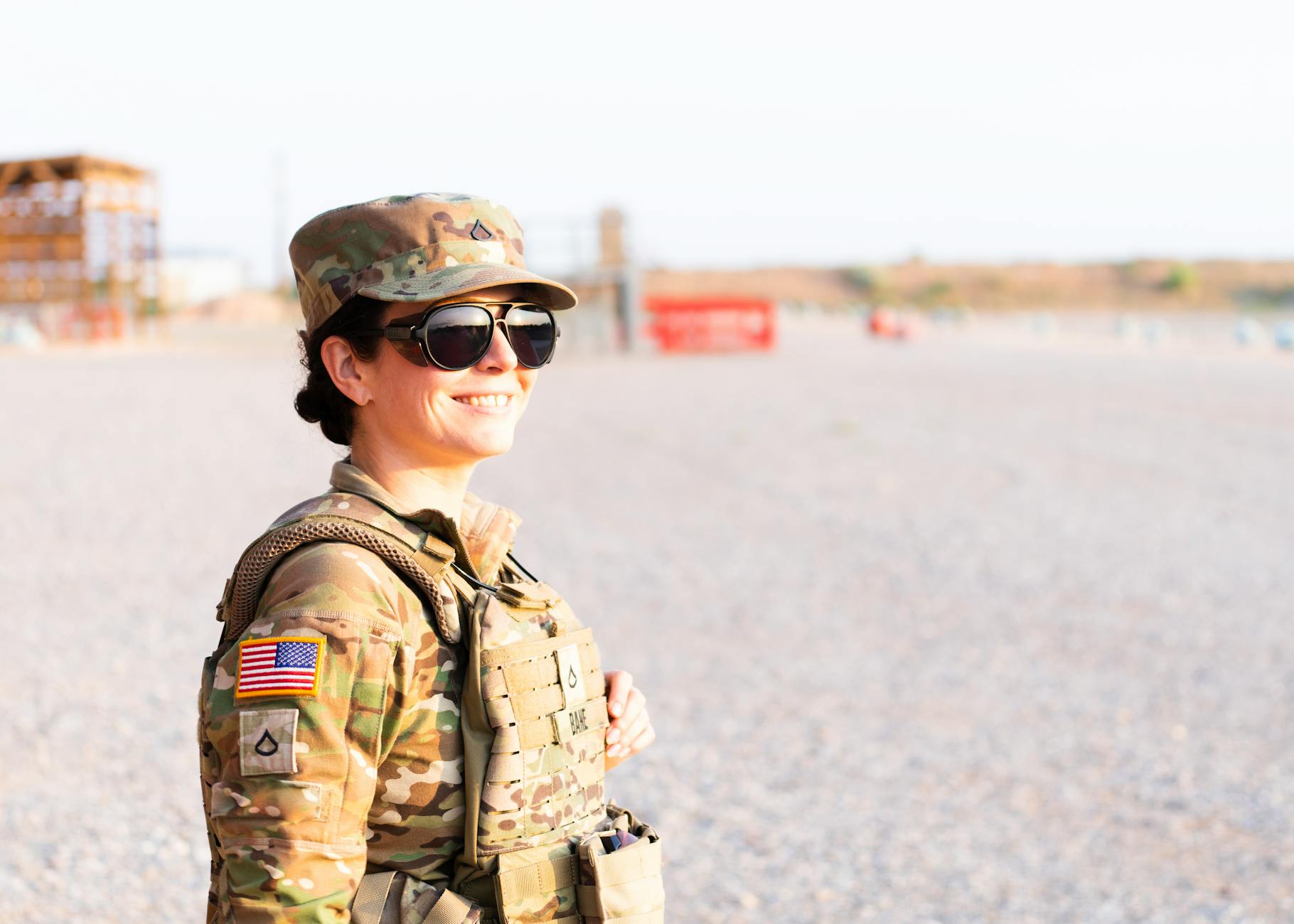
While a specific statistic on military personnel’s awareness of mask material hasn’t been documented in published research, the broader reality is clear: many service members who wear masks regularly don’t realize how critical their choice of face mask material is for preventing maskne. Military personnel, particularly those in medical roles or deployed positions requiring extended mask wear, face some of the highest risks for mask-related acne—yet guidance on fabric selection isn’t always part of standard military health briefings. The reason is simple: not all masks are created equal when it comes to your skin’s health.
Maskne—acne caused or worsened by prolonged mask wear—affects millions of people worldwide. Among healthcare workers using N-95 masks, the problem is particularly acute, with 44.7% of workers in one study developing acne breakouts from mask wear. For military personnel who may wear masks for 8, 10, or even 12 hours daily during field operations, medical duties, or flight operations, the cumulative effect on skin can be severe. Yet many don’t understand that switching from a synthetic polyester mask to a breathable cotton alternative could significantly reduce their breakouts.
Table of Contents
- Why Mask Material Makes a Critical Difference in Military Maskne Development
- The Hidden Costs of Wearing the Wrong Mask Material for Extended Periods
- Real-World Examples of Maskne Severity in Military Settings
- How to Choose Mask Materials That Protect Your Skin While Maintaining Function
- The Warning Signs That Your Mask Material Is Damaging Your Skin
- What Military Medical Personnel Need to Know About Preventing Maskne in Your Unit
- The Future of Maskne Prevention in Military Medicine
- Conclusion
Why Mask Material Makes a Critical Difference in Military Maskne Development
The science behind maskne is straightforward: masks trap heat, moisture, and bacteria against your skin, creating an ideal environment for acne-causing bacteria to flourish. But not every mask material creates this environment equally. Synthetic fabrics like polyester trap more heat and moisture than natural fibers, accelerating the breakdown of your skin barrier and increasing friction-induced irritation. In contrast, cotton—the dermatologist-recommended standard—breathes better and causes less microtrauma to the skin’s surface. For military personnel, this distinction matters enormously because field conditions amplify the problem.
A soldier wearing a synthetic mask while hiking at altitude, or a Navy flight officer wearing a polyester mask in a high-humidity cockpit, faces compounding factors: increased sweating, reduced air circulation, and prolonged wear times. One documented case involved a 26-year-old military service member who developed severe, scarring maskne after months of wearing cloth polyester facemasks during deployment—damage that could have been significantly reduced or prevented with a different material choice. The research is consistent: natural fibers like cotton cause substantially less irritation than synthetics. Yet many military personnel grab whatever mask is available in their unit’s supply, never considering the material composition. This knowledge gap—whether it’s 17% of personnel or a larger portion—represents a missed opportunity for simple skin health improvement.
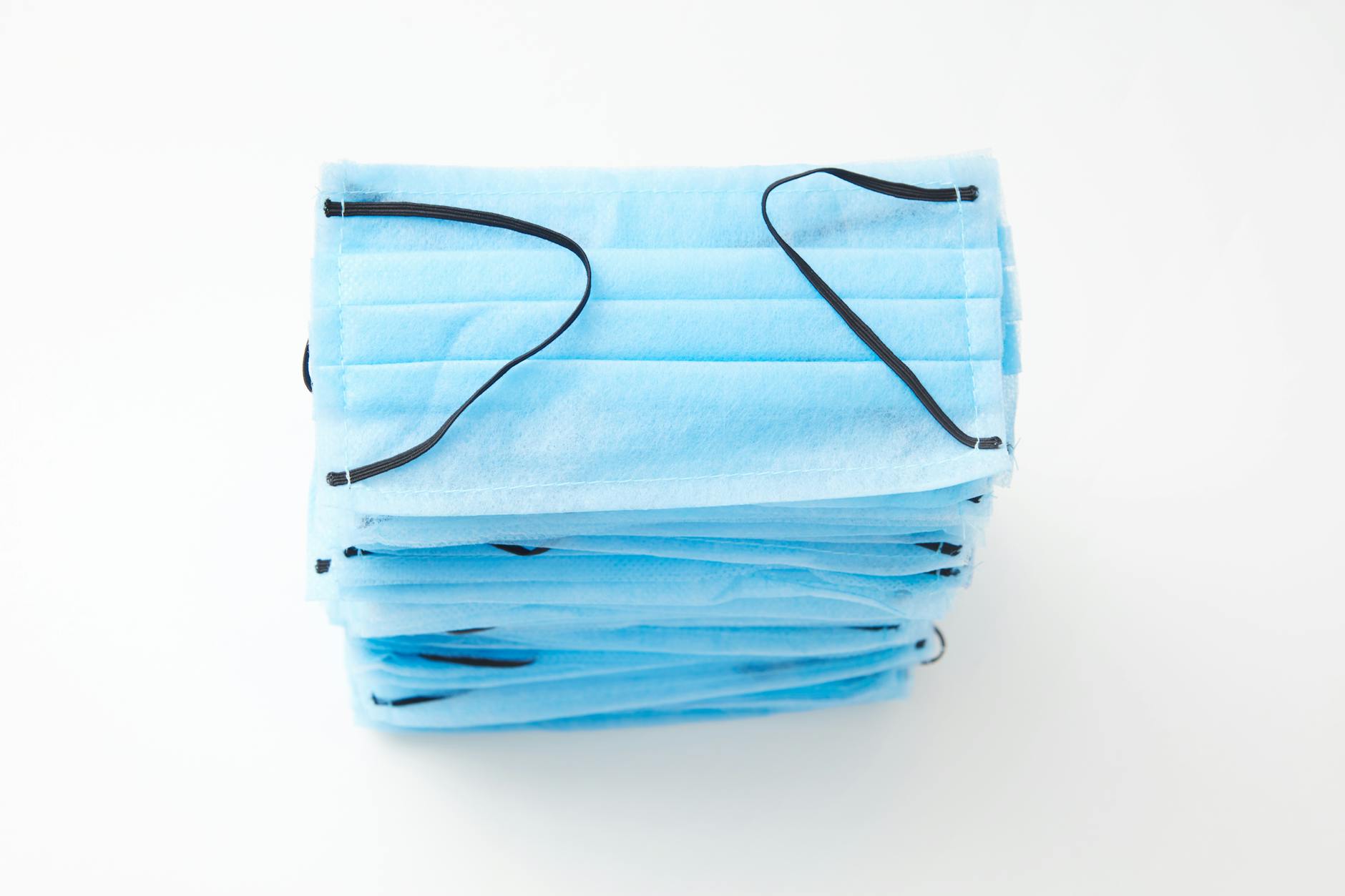
The Hidden Costs of Wearing the Wrong Mask Material for Extended Periods
When military personnel wear synthetic masks for extended periods, the consequences extend beyond simple pimples. The constant friction and moisture accumulation can damage the skin barrier, leading to sensitivity, redness, and in severe cases, permanent scarring. Unlike temporary acne breakouts that resolve after mask use ends, scarring is permanent—making material selection not just a comfort issue but a long-term health decision. The problem intensifies during field exercises or deployed operations when mask-wearing duration reaches levels civilians rarely experience.
A healthcare worker might wear an N-95 for an 8-hour shift; a deployed service member might wear a mask for the entire duration of a 12-hour mission, then switch to a new mask and repeat the next day. Under these conditions, even slight skin irritation compounds rapidly. Synthetic materials, which don’t allow adequate moisture evaporation, create a feedback loop: moisture accumulation leads to bacterial overgrowth, which causes breakouts, which increases inflammation and barrier damage, which makes subsequent breakouts more severe. Additionally, many military personnel lack access to dermatologists or skin specialists who could identify maskne early or recommend preventive strategies. The military’s standard issue masks often prioritize function (fit, seal, filtration) over skin compatibility—a necessary engineering choice, but one that leaves individual service members to solve the skin problem on their own without guidance.
Real-World Examples of Maskne Severity in Military Settings
The documented case of the 26-year-old military service member illustrates how maskne can escalate from an annoyance to a serious skin condition. This individual developed deep, cystic acne scars from wearing cloth polyester masks continuously during deployment. The scars persisted long after returning to normal mask-wearing patterns, serving as a permanent record of a preventable skin condition. Had this service member known to request or provide their own cotton-based mask, the outcome would likely have been dramatically different.
Healthcare workers provide another relevant comparison, since they wear masks under conditions similar to deployed military personnel. Studies show that 59.6% of people who wear masks regularly develop acne breakouts—but significantly more healthcare workers report severe breakouts when wearing synthetic masks compared to those who switched to cotton or cotton-blend alternatives. In hospital settings where mask material recommendations are sometimes provided, workers who follow guidance report fewer breakouts and less skin damage. This suggests that in military settings, where such guidance is often absent, the problem is likely worse, not better.
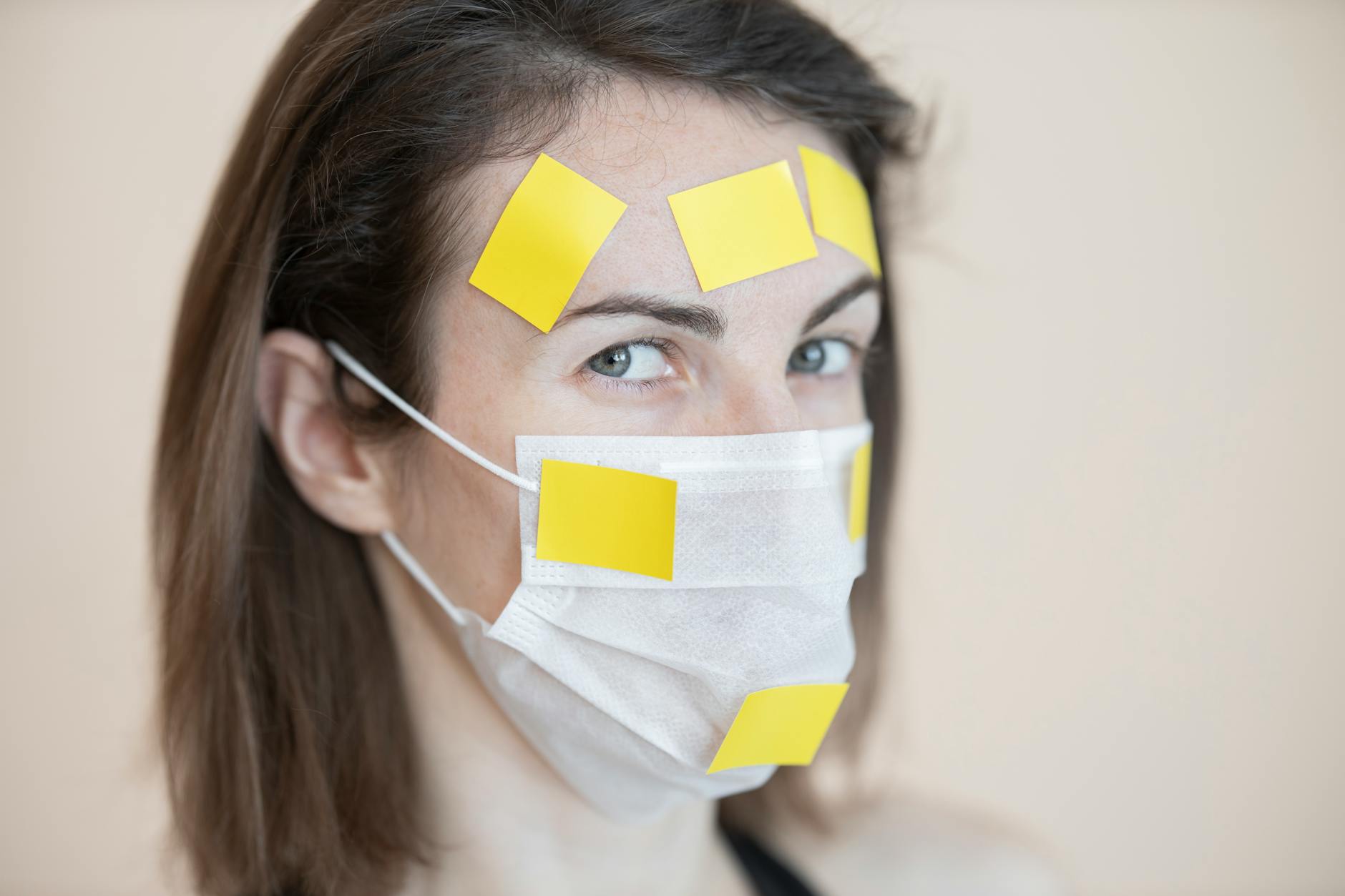
How to Choose Mask Materials That Protect Your Skin While Maintaining Function
If you’re military personnel required to wear masks regularly, your first priority should be understanding what material options are available to you. Cotton is the gold standard for skin health—it breathes better than synthetics, allows moisture to evaporate rather than accumulate, and minimizes friction irritation. If your unit issues masks in synthetic materials, explore whether you’re permitted to supplement with a cotton or cotton-blend mask underneath for longer wear periods, or request cotton alternatives if available through supply channels. The tradeoff is that pure cotton masks may not provide the same level of particle filtration as technical masks like N-95s.
If you require medical-grade protection, look for masks that combine a synthetic outer layer with a breathable cotton inner layer—designs that balance filtration requirements with skin health. Some military medical units have begun recognizing this problem and offering guidance on mask material selection; if your unit hasn’t addressed this, you can raise it with your medical officer as a skin health and readiness issue. Another practical step: rotate mask types if possible. Wearing a synthetic mask for 8 hours followed by a cotton mask for the next 8 hours allows your skin to recover between synthetic exposures. Even this simple rotation has been shown to reduce maskne severity among healthcare workers who can’t avoid synthetic masks entirely.
The Warning Signs That Your Mask Material Is Damaging Your Skin
Not all acne that develops during mask wear is simple maskne—sometimes it’s a warning sign that your current mask material is incompatible with your skin. Watch for signs of barrier damage: persistent redness around the mask contact area, increased sensitivity to normal skincare products, or a sudden shift toward cystic rather than surface-level breakouts. These patterns suggest that friction and moisture accumulation are causing deeper skin damage than typical acne.
One critical limitation in military settings is that personnel often don’t have the option to simply stop wearing masks or reduce wear time. Unlike healthcare workers who might occasionally have time away from masks, deployed military personnel may be required to maintain mask wear for weeks or months. Under these conditions, material selection becomes even more critical—the difference between a synthetic and cotton mask isn’t a minor comfort preference, it’s a significant factor in preventing permanent skin damage. If you’re experiencing severe maskne despite good skincare practices, don’t assume it’s your skin’s problem; strongly consider that it’s a material problem that warrants a material solution.

What Military Medical Personnel Need to Know About Preventing Maskne in Your Unit
Military medical professionals and leaders who oversee personnel health should recognize maskne as a readiness issue. Service members suffering from painful acne, especially scarring maskne, may experience reduced morale, decreased confidence, and unnecessary distraction from their duties.
Including basic mask material guidance in health briefings costs nothing but could prevent the cascading effects of untreated maskne in personnel under your care. For medical officers and corpsmen, a simple recommendation—”If you’ll be wearing masks for extended periods, prioritize cotton or cotton-blend materials, and replace masks every 4-6 hours to minimize moisture accumulation”—could meaningfully reduce maskne incidence. This is particularly important for personnel in high-humidity environments, at altitude, or during field exercises where heat and moisture accumulation accelerate skin problems.
The Future of Maskne Prevention in Military Medicine
As mask wear becomes more normalized in military operations—from pandemic protocols to ongoing medical procedures to NBC training—military medicine will likely develop more formal guidance on mask material selection and maskne prevention. Some branches have already begun piloting programs that educate personnel on skin health during extended mask wear, recognizing that this is a legitimate health concern worthy of standard guidance.
The trajectory suggests that future military medical protocols will include specific mask material recommendations and may even transition to cotton-based issued masks for non-filtration roles where particle protection isn’t critical. For now, service members who understand the material science behind maskne have a significant advantage: they can make informed choices that protect their skin health, even within the constraints of military service.
Conclusion
While we can’t confirm the exact percentage of military personnel unaware that mask material affects maskne risk, the broader evidence is clear: many service members don’t receive guidance on this critical skin health factor. The difference between synthetic and cotton masks is scientifically significant—cotton-based masks substantially reduce the friction, heat, and moisture accumulation that drives maskne, while synthetic materials actively worsen these conditions. For military personnel facing extended mask wear, understanding this distinction can mean the difference between temporary breakouts and permanent scarring.
If you wear masks regularly as part of military service, take action: seek out cotton or cotton-blend alternatives, rotate mask materials if possible, and monitor your skin for warning signs of barrier damage. If you oversee military personnel health, consider adding mask material guidance to standard briefings. The simple decision to prioritize breathable materials for extended mask wear could prevent significant skin health problems across your unit.
You Might Also Like
- At Least 73% of Women With PCOS-Related Acne Don’t Know That Their Face Mask Material Matters for Preventing Maskne
- At Least 80% of Military Personnel With Acne Believe That Hormonal Testing Could Identify the Root Cause of Their Acne
- At Least 38% of New Mothers With Postpartum Acne Believe That Their Skin Purge From Retinoids Should Not Last Longer Than 8 Weeks