
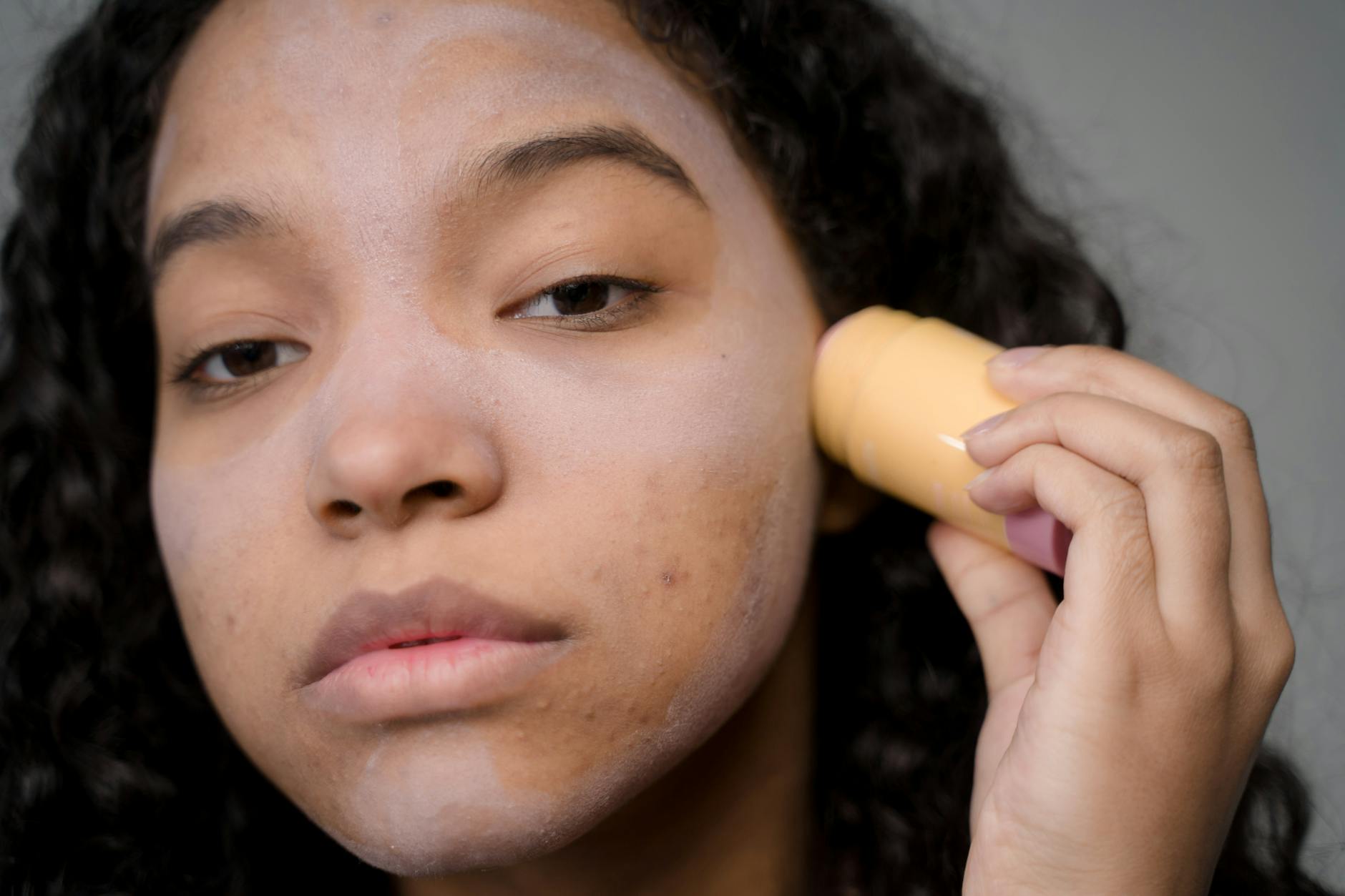
Your skin is home to trillions of microorganisms — bacteria, fungi, viruses, and mites — that collectively form the skin microbiome, and when that ecosystem falls out of balance, acne is one of the most common consequences. Research over the past decade has shifted our understanding of acne away from the old “kill all bacteria” model toward something more nuanced: it is not simply the presence of Cutibacterium acnes (formerly called Propionibacterium acnes) that causes breakouts, but rather the loss of microbial diversity and the overgrowth of specific inflammatory strains. For instance, studies published in the Journal of Investigative Dermatology have identified that people with acne tend to harbor a narrow set of C.
acnes strains, while those with clear skin carry a much broader variety, including strains that actually protect against inflammation. This distinction matters because many conventional acne treatments — benzoyl peroxide, broad-spectrum antibiotics, harsh cleansers — work by indiscriminately wiping out skin bacteria, which can temporarily improve breakouts but also decimates the protective microbes that keep your skin stable long-term. That is why some people cycle through periods of clearing and relapsing, never quite reaching lasting improvement. This article covers how the skin microbiome functions, why certain bacterial imbalances trigger acne, what specific strains are involved, how common treatments affect your microbial ecosystem, and what emerging approaches like probiotics and microbiome-friendly skincare actually offer versus what is still unproven.
Table of Contents
- How Does the Skin Microbiome Influence Acne Formation?
- Why Killing Bacteria Is Not the Same as Fixing the Microbiome
- The Role of Staphylococcus epidermidis and Other Protective Bacteria
- What Microbiome-Friendly Skincare Actually Means (and What Is Marketing)
- How Diet, Stress, and Environment Reshape Your Skin Microbiome
- Antibiotic Resistance and the Microbiome — A Growing Concern
- Where Skin Microbiome Research Is Heading
- Conclusion
- Frequently Asked Questions
How Does the Skin Microbiome Influence Acne Formation?
The skin microbiome operates as a living barrier. Beneficial microbes compete with harmful ones for resources and space, produce antimicrobial peptides that suppress pathogenic growth, and communicate directly with your immune system to modulate inflammatory responses. When this community is diverse and balanced, your skin can tolerate minor insults — a clogged pore, a hormonal fluctuation, environmental irritants — without spiraling into a full inflammatory response. But when diversity drops, opportunistic organisms gain ground, and the immune system begins overreacting to what would otherwise be manageable triggers. C. acnes is the organism most closely associated with acne, but calling it the “cause” of acne is misleading. This bacterium lives on virtually every human face, acne or not. The difference lies in strain composition. Researchers at the University of California, Los Angeles, mapped the C.
acnes strains present on the skin of 101 individuals and found that acne patients were disproportionately colonized by strains belonging to ribotypes 4 and 5, which produce higher levels of inflammatory lipases and porphyrins. Meanwhile, clear-skinned individuals were more likely to carry ribotype 6 strains, which appeared to have a protective, anti-inflammatory effect. This means that two people could swab identical total quantities of C. acnes from their faces, yet one breaks out and the other does not, purely because of which strains dominate. The mechanism works roughly like this: when sebum production increases — triggered by hormones, stress, or diet — it creates an anaerobic, lipid-rich environment inside follicles that favors certain C. acnes strains. These strains metabolize sebum triglycerides into free fatty acids, some of which are directly irritating to the follicular wall. They also activate toll-like receptor 2 on surrounding immune cells, triggering the release of inflammatory cytokines like IL-1β and IL-8. The result is the redness, swelling, and pus formation we recognize as an acne lesion.

Why Killing Bacteria Is Not the Same as Fixing the Microbiome
The traditional acne treatment paradigm treats the skin like a battlefield: nuke the bacteria, dry out the oil, problem solved. Benzoyl peroxide generates free radicals that kill C. acnes on contact. Oral antibiotics like doxycycline and minocycline suppress bacterial populations systemically. These approaches work — often impressively well in the short term — but they come with a significant tradeoff that rarely gets discussed at the pharmacy counter. Broad-spectrum antibiotics do not selectively target acne-causing strains. They reduce the entire microbial community, including Staphylococcus epidermidis and other commensals that actively suppress pathogenic organisms and maintain the skin’s acid mantle.
A 2019 study in the British Journal of Dermatology found that patients who completed a course of oral antibiotics for acne showed reduced microbial diversity that persisted for months after treatment ended. During that recovery window, their skin was more vulnerable to colonization by antibiotic-resistant strains and to secondary infections. This is one reason why post-antibiotic acne flares are so common — the protective ecosystem has been stripped, and the first organisms to recolonize are often the aggressive ones. However, this does not mean you should refuse antibiotics if your dermatologist prescribes them. Moderate to severe inflammatory acne carries real risks of scarring and psychological harm, and antibiotics remain one of the fastest ways to bring active inflammation under control. The point is that antibiotics should be viewed as a bridge, not a destination. If your treatment plan is “take doxycycline indefinitely,” that is worth questioning. Current guidelines from the American Academy of Dermatology recommend limiting oral antibiotic courses to three months when possible and pairing them with a non-antibiotic maintenance therapy like a retinoid or azelaic acid.
The Role of Staphylococcus epidermidis and Other Protective Bacteria
While C. acnes dominates the acne conversation, S. epidermidis deserves far more attention than it typically gets. This bacterium is one of the most abundant commensals on human skin, and it plays a direct role in keeping acne-causing strains in check. S. epidermidis produces succinic acid, which has been shown to inhibit C. acnes growth and suppress its ability to trigger inflammation. It also secretes antimicrobial peptides — small proteins that punch holes in the cell membranes of competing pathogens. A particularly striking example comes from a 2020 study conducted at the National Institutes of Health, where researchers collected skin swabs from volunteers and cultured the bacteria in the lab.
They found that S. epidermidis strains isolated from acne-free individuals produced significantly more of these antimicrobial compounds than strains taken from acne patients. When they applied the protective S. epidermidis strains to pig skin colonized with inflammatory C. acnes, the acne-associated inflammation measurably decreased. This kind of bacterial competition happens naturally on healthy skin every day — your resident microbes are running a quiet defense system that most people never think about. Other organisms matter too. Corynebacterium species help maintain skin pH in the slightly acidic range (around 4.5 to 5.5) that favors beneficial microbes over pathogens. Certain fungi in the Malassezia genus, while sometimes implicated in fungal acne (pityrosporum folliculitis), coexist peacefully with healthy bacterial communities under normal conditions. The skin microbiome is not a single species story — it is an ecosystem, and the health of that ecosystem depends on balance among dozens of interacting organisms.
What Microbiome-Friendly Skincare Actually Means (and What Is Marketing)
The beauty industry has seized on microbiome science with predictable enthusiasm, and the result is a flood of products labeled “microbiome-friendly,” “probiotic,” or “prebiotic” with varying degrees of scientific support. Understanding what these terms mean — and do not mean — can save you money and frustration. Prebiotic skincare contains ingredients that theoretically feed beneficial skin bacteria. Common examples include certain plant sugars, thermal spring water, and oat-derived beta-glucans. There is some evidence that these ingredients support microbial diversity, though most studies are small and often funded by the companies selling the products. Probiotic skincare contains live or lysed (broken-down) bacteria, usually Lactobacillus or Bifidobacterium strains borrowed from gut health research.
The rationale is sound in theory — apply beneficial bacteria to compete with harmful ones — but the practical challenges are significant. Live bacteria need specific temperature and pH conditions to survive, and most topical formulations cannot maintain viability through manufacturing, shipping, and months of shelf life. Lysed bacteria and bacterial extracts (sometimes called “postbiotics”) sidestep the viability issue, but whether dead bacterial fragments deliver the same benefits as living organisms is still debated. The comparison worth making is between these newer approaches and a simple, low-pH, non-stripping cleanser paired with a proven active like a retinoid. The retinoid normalizes follicular keratinization (preventing clogged pores at the source), and the gentle cleanser preserves the existing microbiome rather than trying to add new organisms to it. For most people with mild to moderate acne, this straightforward approach will outperform an expensive probiotic serum. Microbiome-targeted products may eventually prove valuable as adjuncts, but as of now, the clinical evidence supporting them as standalone acne treatments is thin.
How Diet, Stress, and Environment Reshape Your Skin Microbiome
The skin microbiome does not exist in isolation. It responds to systemic inputs, and three of the most impactful are diet, psychological stress, and environmental exposures. High-glycemic diets — heavy in refined sugars and processed carbohydrates — increase insulin and insulin-like growth factor 1 (IGF-1), which stimulates sebum production. More sebum means a richer food source for C. acnes, particularly the inflammatory strains that thrive in lipid-dense environments. A 2021 meta-analysis in JAMA Dermatology confirmed a statistically significant association between high-glycemic diets and acne severity, though the authors noted that diet alone is rarely sufficient to cause or cure acne.
Chronic stress operates through the hypothalamic-pituitary-adrenal axis, raising cortisol levels and increasing skin sebum output. But stress also directly alters microbial composition. Research in psychodermatology has shown that stress hormones like cortisol and catecholamines can change the growth rates and virulence of skin bacteria, favoring inflammatory strains. This is why breakouts often cluster around periods of poor sleep, work deadlines, or emotional upheaval — it is not just the hormones acting on your pores, but the hormones reshaping which bacteria dominate your skin. A limitation worth noting: while these connections are real, they are not equally relevant for everyone. Someone with severe nodulocystic acne driven by a strong genetic predisposition and hormonal imbalance is unlikely to see major improvement from dietary changes and stress management alone. These factors are modulators, not root causes, and treating them as root causes can lead to frustrating cycles of self-blame when breakouts persist despite doing “everything right.”.

Antibiotic Resistance and the Microbiome — A Growing Concern
One of the most serious downstream effects of conventional acne treatment is antibiotic resistance, and it extends beyond your skin. Decades of prescribing topical and oral antibiotics for acne have created widespread resistance among C. acnes populations. A surveillance study across European dermatology clinics found that over 50 percent of C.
acnes isolates from acne patients showed resistance to at least one commonly prescribed antibiotic, with erythromycin resistance exceeding 80 percent in some regions. This resistance does not stay confined to the skin — resistant genes can transfer to other bacterial species through horizontal gene transfer, contributing to the broader public health crisis of antimicrobial resistance. For individual patients, the practical consequence is that antibiotics that once cleared acne reliably may simply stop working. If you have taken multiple rounds of antibiotics for acne over the years and noticed diminishing returns, resistance is a likely explanation. This is another argument for microbiome-aware treatment strategies that reduce reliance on antibiotics and instead focus on maintaining an environment where pathogenic strains cannot easily dominate.
Where Skin Microbiome Research Is Heading
The most promising frontier in microbiome-based acne treatment is bacteriotherapy — the targeted application of specific beneficial bacterial strains to the skin, much like fecal microbiota transplants have transformed treatment of recurrent C. difficile infections in the gut. Several biotech companies are currently in clinical trials with topical formulations containing live S. epidermidis strains selected for their ability to suppress inflammatory C. acnes.
Early phase results have shown reductions in inflammatory lesion counts comparable to topical antibiotics, without the collateral damage to microbial diversity. Personalized microbiome profiling is also moving closer to clinical reality. Companies already offer consumer skin microbiome testing kits, though the actionability of current results is limited. Within the next several years, it is plausible that a dermatologist could swab your skin, identify which C. acnes strains dominate, and select a treatment — whether a targeted bacteriophage, a specific probiotic strain, or a conventional therapy — based on your individual microbial profile rather than a one-size-fits-all protocol. The science is not there yet for routine clinical use, but the trajectory is clear, and it represents a genuinely different way of thinking about acne.
Conclusion
The skin microbiome is not a peripheral factor in acne — it is central to how breakouts form, persist, and respond to treatment. The shift from “all C. acnes is bad” to understanding strain-level differences, microbial diversity, and ecological balance has real implications for how you approach your skin. Treatments that indiscriminately destroy bacteria may clear acne temporarily but can leave your skin less resilient in the long run, while emerging approaches that work with the microbiome rather than against it show genuine promise. For now, the most practical takeaway is to protect the microbiome you have.
Use gentle, low-pH cleansers. Avoid prolonged antibiotic courses when alternatives exist. Pair active treatments like retinoids with barrier-supporting moisturizers. Pay attention to diet and stress as modulators, even if they are not the whole story. And keep an eye on the research — microbiome-targeted acne treatments are likely to become standard tools within the coming years, and understanding the science now will help you evaluate those options when they arrive.
Frequently Asked Questions
Can probiotics you take orally help with acne?
There is limited but growing evidence that oral probiotics — particularly Lactobacillus and Bifidobacterium strains — may reduce systemic inflammation and modestly improve acne in some individuals. A few small randomized trials have shown reductions in lesion counts, but the effect sizes are small compared to established treatments. Oral probiotics are unlikely to replace topical or systemic acne therapies, but they may be a reasonable low-risk addition for people interested in a gut-skin axis approach.
Does washing your face more often improve the skin microbiome?
No, and over-washing typically makes things worse. Cleansing more than twice daily strips the skin of protective lipids and disrupts the microbial community, creating conditions that favor pathogenic colonization. A single gentle cleanse in the evening to remove sunscreen, makeup, and environmental debris, followed by a water-only rinse in the morning, is sufficient for most people.
Is fungal acne related to the skin microbiome?
Yes. Pityrosporum folliculitis, often called fungal acne, results from overgrowth of Malassezia yeast, which is a normal component of the skin microbiome. It tends to flare when bacterial diversity decreases — often after antibiotic use — allowing Malassezia to proliferate unchecked. It looks similar to bacterial acne but does not respond to standard acne treatments and requires antifungal therapy.
Should I stop using benzoyl peroxide because it harms the microbiome?
Not necessarily. Benzoyl peroxide is one of the most effective topical acne treatments available and does not promote antibiotic resistance the way antibiotics do. It does reduce bacterial populations broadly, but used at lower concentrations (2.5 percent rather than 10 percent) and applied as a short-contact treatment (wash off after a few minutes), its impact on the overall microbiome can be minimized while still targeting acne-causing bacteria in the follicle.
How long does it take for the skin microbiome to recover after antibiotics?
Studies suggest that microbial diversity can take anywhere from several weeks to several months to return to baseline after a course of oral antibiotics. Topical antibiotics tend to cause less systemic disruption but can still alter the local microbiome for weeks. Supporting recovery with gentle skincare and avoiding additional antimicrobial products during this period may help, though formal guidelines for microbiome recovery do not yet exist.