
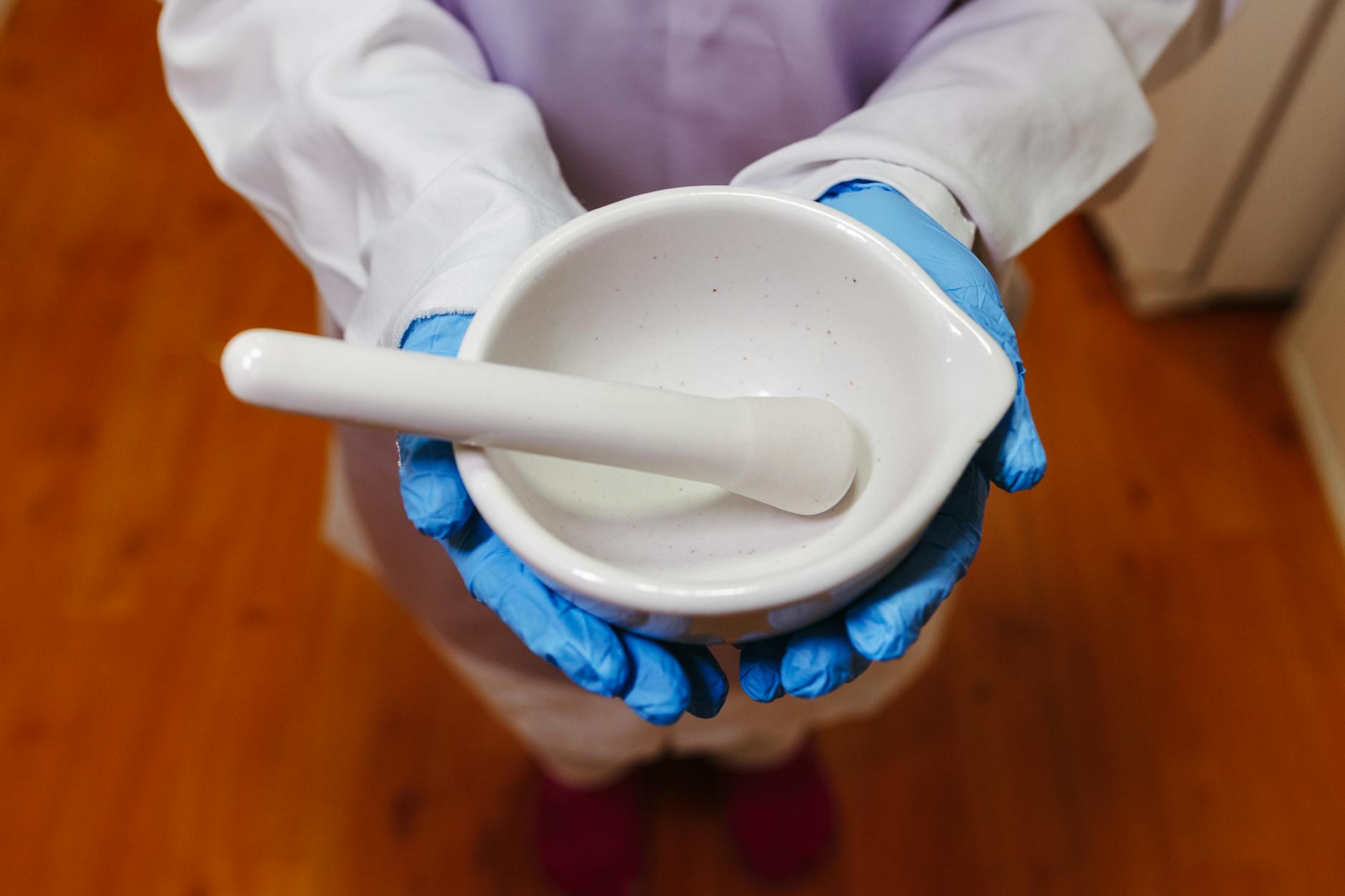
A custom compounded acne cream might cost you $500 per month, while a generic prescription equivalent—one that may work just as well—costs $15. This isn’t a hypothetical scenario. It’s a real pricing gap that exists in dermatology today, driven by fundamental differences in how medications are manufactured and covered by insurance. The average compounded medication prescription costs $710.36, which is 130% higher than non-compounded prescriptions at $160.20, according to recent analysis of commercially insured patients. For acne sufferers looking for relief, understanding this cost difference could mean the difference between treating your skin condition and simply giving up.
The reason for this dramatic price gap comes down to economics and regulation. Compounded medications are made in small batches—sometimes just for one patient—while generic prescriptions come from factories producing thousands of units at once. A generic tretinoin cream prescription costs around $15 at many pharmacies, while a compounded version with similar or identical ingredients can easily exceed $500 monthly. This isn’t because the compounded version is necessarily better. Often, it’s simply because custom compounding is expensive to produce, and insurance rarely covers it.
Table of Contents
- Why Does Compounded Acne Cream Cost So Much More Than Generic Alternatives?
- Understanding the Insurance Coverage Gap That Makes Compounded Creams Unaffordable
- Real-World Cost Examples: What Patients Actually Pay for Acne Medications
- When Compounding Makes Sense and When Generics Are the Better Choice
- Insurance, Out-of-Pocket Costs, and How the Pharmacy Benefit System Affects Your Acne Treatment
- The Hidden Costs Beyond the Monthly Price Tag
- The Future of Acne Treatment Pricing and Making Smart Medication Choices Today
- Conclusion
- Frequently Asked Questions
Why Does Compounded Acne Cream Cost So Much More Than Generic Alternatives?
Compounding pharmacies operate differently than traditional pharmaceutical manufacturers. They mix medications in small batches, often for individual patients, which means they cannot achieve the economies of scale that generic drug manufacturers enjoy. When a pharmaceutical company manufactures generic tretinoin, they’re producing thousands of units in a single production run. The cost per unit drops dramatically. A compounding pharmacy, by contrast, may prepare one or two prescriptions per day for a custom formulation, meaning the overhead costs—facility maintenance, specialized equipment, quality control—are spread across far fewer units.
The specialized requirements of compounding add to the cost. These pharmacies must maintain specific certifications, invest in specialized equipment, and follow strict quality control protocols. Unlike FDA-approved generic medications, compounded drugs do not have the same regulatory pathway, which means insurance companies typically refuse to cover them. Patients must pay out of pocket, which means the pharmacy has no negotiating partner to reduce prices. A patient getting a generic acne medication through insurance might pay $15 for the same active ingredient that costs $500 monthly when compounded, simply because insurance leverages its purchasing power with mainstream manufacturers.
Understanding the Insurance Coverage Gap That Makes Compounded Creams Unaffordable
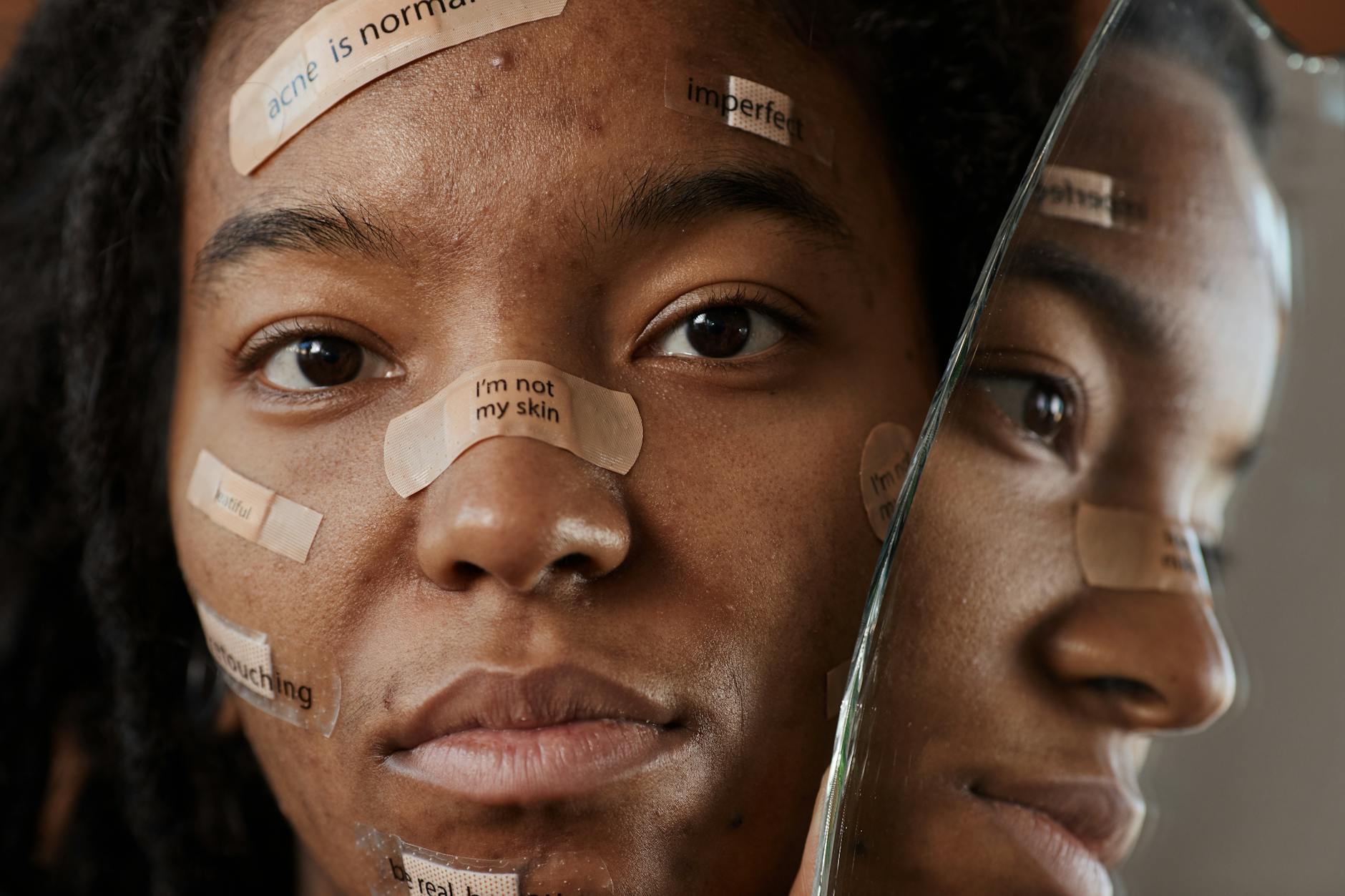
Insurance companies don’t cover compounded medications because they haven’t gone through FDA approval. The FDA approves generic drugs by verifying that they’re bioequivalent to brand-name versions—meaning they contain the same active ingredients at the same strength and perform the same way in the body. Compounded medications skip this process entirely. A pharmacy compounds a cream based on a doctor’s specific instructions, but that custom formulation never undergoes the testing required for insurance coverage.
This creates a situation where a patient must choose between an FDA-approved generic at $15 with insurance coverage, or a custom compounded version at $500 with no insurance help. This coverage gap is particularly problematic for patients who believe their skin condition requires customization. Some dermatologists prescribe compounded formulations because they want to adjust concentrations, combine multiple ingredients, or create a specific delivery vehicle that isn’t available in commercial products. These customizations might sometimes be medically justified, but they come with a significant financial penalty. A patient might reasonably ask: Is a slightly customized formulation worth paying $6,000 annually instead of $180 for a generic equivalent? In most cases, dermatologists and patients haven’t had this cost conversation, and the patient discovers the price only after the prescription is filled.
Real-World Cost Examples: What Patients Actually Pay for Acne Medications
Consider a typical scenario: A dermatologist prescribes compounded tretinoin cream with niacinamide added and a specific concentration adjusted for sensitive skin. The cost is $450 to $550 per month. The same patient could fill a generic tretinoin prescription—which contains the identical active ingredient—for $12 to $20 per month with most insurance plans. Over a year, that’s a difference of $5,160 to $6,480. Neither formulation is necessarily superior; the generic might work just as well, especially if the patient’s skin simply needs time to adjust to tretinoin, which is the standard dermatological approach anyway.
The pricing extends beyond tretinoin. For patients dealing with hormonal acne who are prescribed compounded estrogen or other hormonal treatments, the gap is equally stark. Compounded hormone creams typically cost $30 to $80 monthly without insurance, but generic estradiol cream costs approximately $145 as a cash option—and far less with insurance. A patient paying out of pocket for a compounded version might spend $600 annually, while a generic alternative costs $180 to $240. This matters significantly for teens and young adults whose acne treatment stretches over years.

When Compounding Makes Sense and When Generics Are the Better Choice
Compounded medications do serve legitimate purposes in dermatology, but those situations are narrower than many patients realize. If you have a severe allergy to dyes, fillers, or preservatives in commercial products, compounding eliminates those components and might justify the cost. If you need a specific concentration unavailable commercially, compounding addresses that need. If you’re a patient with extremely sensitive skin who has failed multiple generic formulations, customization might be worthwhile. In these scenarios, the higher cost represents genuine medical value. However, for most acne patients, a generic prescription is the better choice.
Generic tretinoin, adapalene, and other retinoids are effective, well-studied, and covered by insurance. They cost pennies compared to compounded alternatives. The American pharmaceutical system saved patients and insurers $467 billion in 2024 by using generic and biosimilar medicines, according to the Association for Accessible Medicines. Generics make up 90% of all prescriptions but only 12% of total drug spending—proof that they deliver value at scale. Before paying $500 monthly for compounding, try a generic first. You might find it works just as well, and you’ll have the financial benefit of actually being able to afford consistent treatment.
Insurance, Out-of-Pocket Costs, and How the Pharmacy Benefit System Affects Your Acne Treatment
The compounding industry exists partly because insurance creates gaps in coverage. If a patient’s insurance doesn’t cover a particular brand-name acne medication, or if a patient has a high deductible, compounding sometimes appears attractive. A dermatologist might suggest, “We can compound a custom version, and you’ll have more control over the formulation.” What the dermatologist often doesn’t mention is that the custom version will cost dramatically more out of pocket. A critical warning: Don’t assume compounding is cheaper because your insurance doesn’t cover a particular acne treatment.
Always ask your pharmacist to price both options before filling. Request a cash price for the generic equivalent alongside the compounded quote. Many patients would be shocked to learn that a $15 generic is available when they’re quoted $500 for compounding. Insurance coverage matters enormously, and it’s worth exploring whether another generic acne medication—one that is covered—might work for you instead of jumping to compounding.
The Hidden Costs Beyond the Monthly Price Tag
Compounding introduces additional financial and logistical complications beyond the prescription cost. Compounded medications often require special handling—some need refrigeration, others have shorter shelf lives than commercial products. If you travel, you can’t simply pick up your acne medication at any pharmacy; your compounded prescription exists only at the compounding pharmacy that made it. If you move or want to switch pharmacies, the previous pharmacy’s custom formulation doesn’t transfer.
These practical limitations sometimes force patients to continue paying high prices simply because switching is inconvenient. Additionally, if a compounded medication causes side effects or doesn’t work, you’ve paid $500 for a failed treatment with no recourse. Generic medications have established safety profiles and side effect data. If generic tretinoin causes irritation, dermatologists have years of experience adjusting dosages, adding moisturizers, or switching to alternatives like adapalene. With a custom compounded formulation, both you and your dermatologist are partly experimenting, and you’re paying premium prices for that experiment.
The Future of Acne Treatment Pricing and Making Smart Medication Choices Today
The gap between compounded and generic acne medications will likely persist as long as insurance covers generics but not compounded drugs. Pharmaceutical companies will continue developing new acne treatments that go through FDA approval, which means they’ll be available as generics eventually and covered by insurance. The compounding industry will remain a niche solution for patients with specific allergies, sensitivities, or medical needs that generics don’t address. For anyone dealing with acne right now, the practical takeaway is clear: Talk to your dermatologist about generic options first.
Ask specifically about tretinoin, adapalene, azelaic acid, and other evidence-based generic acne medications. These have decades of safety data, are covered by most insurance plans, and cost between $10 and $50 monthly. If generics don’t work after a reasonable trial period—typically 8 to 12 weeks—then explore whether compounding is truly medically necessary. Making this distinction can save you thousands of dollars annually while still addressing your acne effectively.
Conclusion
Custom compounded acne creams can cost $500 or more per month, while generic prescription equivalents cost $15 to $50. This isn’t because the compounded version is superior; it’s because small-batch compounding is inherently more expensive than mass-produced generics, and insurance doesn’t cover compounded drugs. Before accepting a compounded prescription, ask your dermatologist whether a generic alternative might work. In most cases, it will—and you’ll save thousands of dollars annually.
Your acne treatment should be effective and affordable. Generic acne medications have proven their value over decades of use, are covered by insurance, and are accessible at nearly every pharmacy. Unless you have a specific allergy, sensitivity, or medical reason requiring customization, a generic prescription is almost certainly your best choice. Have this conversation with your dermatologist. The cost difference is too significant to ignore.
Frequently Asked Questions
Is compounded acne cream ever worth the extra cost?
Compounded acne cream can be worth it if you have severe allergies to common preservatives or fillers, need a concentration unavailable commercially, or have failed multiple generic formulations. Otherwise, a generic is almost always the better choice financially and medically.
Why does my dermatologist recommend compounding if it costs so much?
Some dermatologists genuinely believe customization helps, while others may not realize the dramatic cost difference. Ask them directly: “Is there a generic equivalent I can try first?” Most will agree that generics should be your starting point.
Can I ask my compounding pharmacy to lower their price?
Not significantly. Compounding costs are driven by labor, equipment, and overhead—all real expenses. You can’t negotiate these away. Instead, ask your dermatologist whether a generic alternative exists.
What if my insurance doesn’t cover the generic acne medication my dermatologist recommends?
Ask about other generic acne medications. There are multiple options—tretinoin, adapalene, azelaic acid, benzoyl peroxide. One of them is likely covered. If not, request a generic equivalent before considering compounding.
How long should I try a generic acne medication before switching to compounding?
Most dermatologists recommend 8 to 12 weeks. Your skin needs time to adjust to retinoids and other acne treatments. If you see no improvement after three months, discuss other options with your dermatologist—but start with a generic.
Is generic tretinoin as effective as compounded tretinoin?
Yes. Both contain the same active ingredient at the same strength. Effectiveness depends on concentration, frequency of use, and how your skin responds—not on whether it’s compounded or generic. Start with generic.