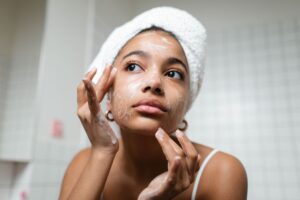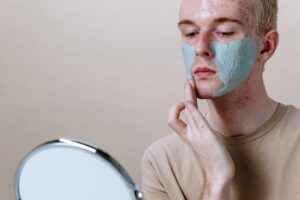
Two percent benzoyl peroxide is one of the most effective starting concentrations for treating acne, offering results comparable to higher-strength formulations while causing significantly less skin irritation. Clinical research has demonstrated that 2.5% benzoyl peroxide reduces inflammatory acne lesions””papules and pustules””just as effectively as 5% and 10% concentrations, making the lower dose a smarter choice for most people beginning acne treatment. The 2024 American Academy of Dermatology guidelines continue to recommend benzoyl peroxide as a first-line treatment option, reinforcing its position as a cornerstone of acne care.
Consider someone starting their first acne treatment regimen: they might assume that stronger means better and reach for a 10% wash or gel. Two weeks later, they’re dealing with excessive peeling, redness, and burning””common side effects that often lead people to abandon treatment entirely. Starting with a 2% to 2.5% concentration typically avoids this scenario while still delivering meaningful results within the same timeframe. This article examines why lower concentrations work as well as they do, recent safety developments you should know about, how to incorporate 2% benzoyl peroxide into your routine, and what the clinical evidence actually shows about this widely available ingredient.
Table of Contents
- Does 2 Percent Benzoyl Peroxide Work as Well as Higher Concentrations?
- How Benzoyl Peroxide Kills Acne-Causing Bacteria
- The 2024-2025 Benzene Controversy Explained
- Starting a 2 Percent Benzoyl Peroxide Routine
- Managing Irritation and Common Side Effects
- Benzoyl Peroxide for Younger Patients
- The Future of Low-Dose Benzoyl Peroxide
- Conclusion
Does 2 Percent Benzoyl Peroxide Work as Well as Higher Concentrations?
The short answer is yes. A foundational clinical study published in the Journal of the American Academy of Dermatology found that 2.5% benzoyl peroxide gel reduced inflammatory acne lesions at rates statistically equivalent to both 5% and 10% formulations. The study also confirmed that the 2.5% concentration significantly reduces Propionibacterium acnes bacteria and decreases the percentage of free fatty acids in surface lipids after just two weeks of topical application””the same mechanisms that make higher concentrations effective. The difference lies primarily in tolerability.
Research documented in the NCBI Bookshelf notes that desquamation (skin peeling), erythema (redness), and burning symptoms occur less frequently with 2.5% gel compared to the 10% preparation. This matters because acne treatment isn’t a sprint””it’s a months-long commitment, and products that cause excessive irritation tend to get abandoned. A treatment that works slightly slower but actually gets used consistently will outperform a stronger product sitting unused in a medicine cabinet. However, some individuals with very oily skin or more resistant acne may eventually need to increase their concentration. The key word is “eventually.” Starting at 2% allows your skin to build tolerance, and you can always step up if needed after four to six weeks of consistent use without adequate improvement.

How Benzoyl Peroxide Kills Acne-Causing Bacteria
Benzoyl peroxide works through oxidation, releasing oxygen into the pores where it kills the anaerobic bacteria that contribute to inflammatory acne. Unlike antibiotics, bacteria cannot develop resistance to this mechanism””a significant advantage given growing concerns about antibiotic resistance in dermatology. The ingredient also has keratolytic properties, meaning it helps break down the outer layer of dead skin cells that can clog pores. This dual action addresses two key factors in acne development: bacterial proliferation and follicular plugging.
The FDA classifies benzoyl peroxide as GRASE (Generally Recognized as Safe and Effective) for over-the-counter topical acne products, a designation finalized in March 2010 that reflects decades of clinical use and research. One limitation worth noting: benzoyl peroxide primarily targets inflammatory acne (red, pus-filled bumps) rather than comedonal acne (blackheads and whiteheads). If your acne is predominantly non-inflammatory, you may see better results combining benzoyl peroxide with a retinoid, which addresses comedones more directly. The AAD guidelines specifically recommend fixed-dose combinations of benzoyl peroxide with topical retinoids as a first-line approach for this reason.
The 2024-2025 Benzene Controversy Explained
In March 2024, the independent laboratory Valisure filed a Citizen Petition with the FDA after finding that benzoyl peroxide can thermally decompose into benzene””a known carcinogen””under elevated temperatures. Their testing of 111 over-the-counter benzoyl peroxide products found that 38 exceeded the FDA’s conditionally restricted limit of 2 parts per million for benzene, with levels ranging from 0.16 ppm to 35.30 ppm. This sparked legitimate concern, but subsequent research has provided important context. In March 2025, FDA testing of 95 benzoyl peroxide acne products found that over 90% had undetectable or very low benzene levels. Only six products were recommended for voluntary recall.
More significantly, a February 2025 study from the University of Texas Medical Branch, published in The Journal of the American Academy of Dermatology, examined over 2.3 million patients with acne and found no significant association between benzoyl peroxide use and malignancies. The practical takeaway: store your benzoyl peroxide products at room temperature, away from heat sources and direct sunlight. Don’t leave them in hot cars or steamy bathrooms. Products stored properly appear to maintain their safety profile. If you’re concerned about a specific product, the FDA maintains updated information on recalled items.

Starting a 2 Percent Benzoyl Peroxide Routine
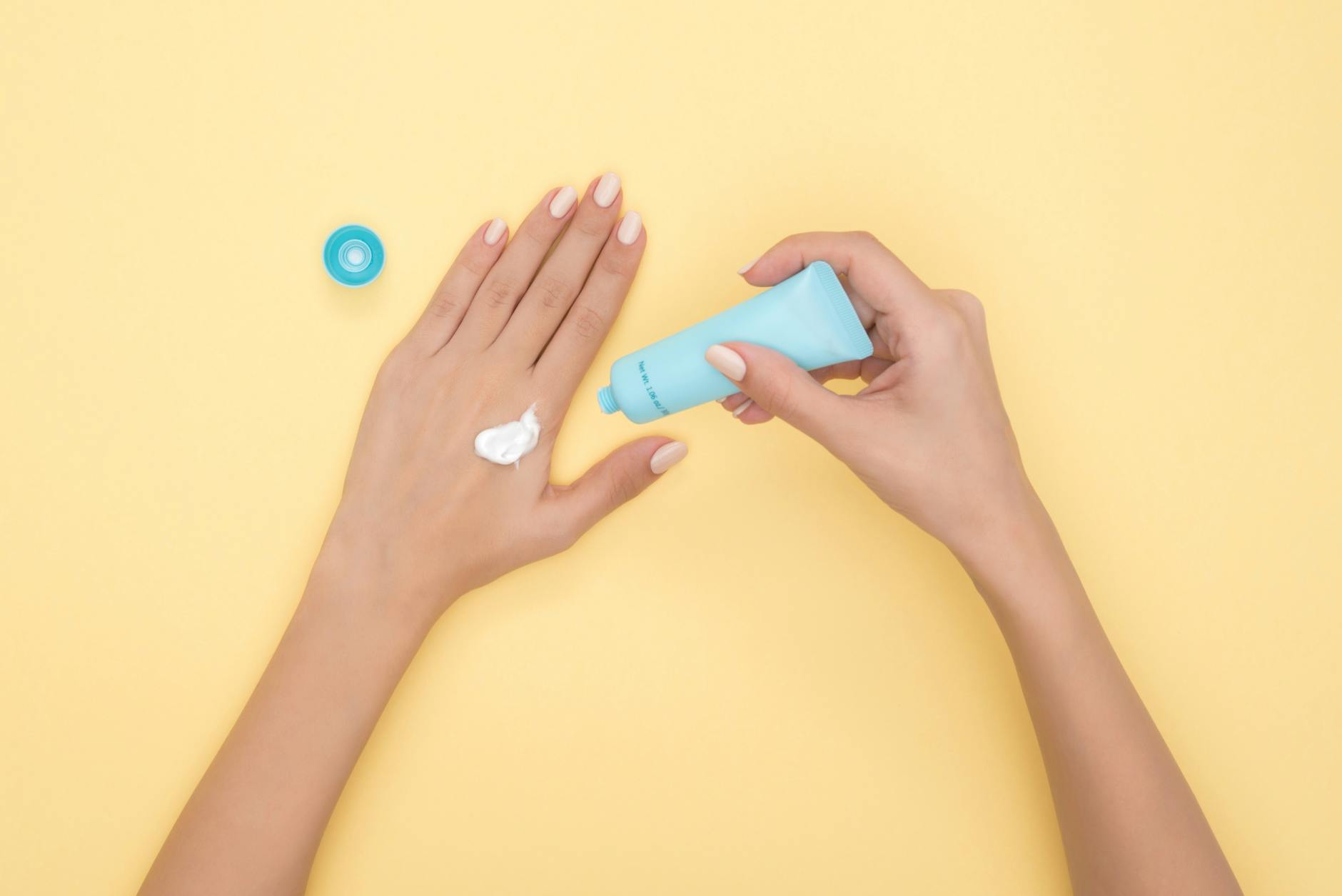
Clinical dosing recommendations suggest beginning with 2.5% benzoyl peroxide applied once daily, typically in the evening. This allows your skin to adjust before considering twice-daily application or higher concentrations. For mild to moderate acne, 2.5% to 5% gel or cream applied once or twice daily is usually sufficient for most people. The application process matters as much as the product itself. Apply to clean, dry skin and use a pea-sized amount for the entire face.
Benzoyl peroxide should be applied to the whole acne-prone area, not just individual spots””this helps prevent new breakouts rather than just treating existing ones. Wait a few minutes before applying moisturizer to allow absorption. Comparing leave-on products versus washes: leave-on gels and creams maintain contact with the skin longer and generally deliver more consistent results. Washes (typically at higher concentrations like 4-10%) spend less time on the skin but can be useful for body acne or for those who experience irritation from leave-on formulations. The tradeoff is convenience versus efficacy””washes are simpler to incorporate into a routine but may require higher concentrations to compensate for shorter contact time.
Managing Irritation and Common Side Effects
Even at 2% concentration, some initial dryness and mild peeling is normal during the first two weeks. This typically subsides as your skin adjusts. However, if you experience severe burning, blistering, or hives, discontinue use””you may have a true sensitivity to benzoyl peroxide, which affects a small percentage of users. The bleaching effect of benzoyl peroxide on fabrics is not dose-dependent and will occur even at low concentrations.
Use white towels and pillowcases, or apply the product and allow it to fully absorb before contact with colored fabrics. This isn’t a safety issue, but ruined sheets and towels frustrate many people enough to stop treatment. A warning for those using combination products: if you’re also using retinoids, vitamin C, or other potentially irritating actives, introduce them separately rather than all at once. Some dermatologists recommend using benzoyl peroxide in the morning and retinoids at night to minimize interaction. The combination of adapalene 0.3% and benzoyl peroxide 2.5% gel has shown efficacy for severe acne when used with anti-inflammatory dose doxycycline, but this represents a structured treatment plan rather than layering multiple products randomly.
Benzoyl Peroxide for Younger Patients
FDA labeling states that safety and effectiveness in children below age 12 has not been established for benzoyl peroxide products. However, clinicians often use it off-label in this age group based on studies conducted in older populations. Acne increasingly affects preteens, and benzoyl peroxide remains one of the safer options compared to oral medications with more significant side effect profiles.
For parents considering benzoyl peroxide for a child under 12, consultation with a pediatric dermatologist is advisable. They can assess whether the severity of acne warrants treatment and supervise use appropriately. Starting with the lowest effective concentration””exactly where 2% formulations excel””makes particular sense in younger patients whose skin may be more reactive.
The Future of Low-Dose Benzoyl Peroxide
The trend in acne treatment has shifted toward lower concentrations and combination therapies rather than aggressive high-dose single agents. This reflects both better understanding of the concentration-efficacy plateau and recognition that treatment adherence matters as much as theoretical potency.
The 2024 AAD guidelines’ emphasis on fixed-dose combinations with retinoids suggests that 2-2.5% benzoyl peroxide paired with other actives will remain central to evidence-based acne treatment. Ongoing research into product stability and benzene formation may lead to reformulations that are even more temperature-stable. For now, the large-scale patient data showing no cancer association provides reasonable reassurance, though proper storage remains a sensible precaution.
Conclusion
Two percent benzoyl peroxide represents an evidence-based starting point for acne treatment that balances effectiveness with tolerability. Clinical research confirms it reduces acne-causing bacteria and inflammatory lesions as effectively as concentrations four times higher, while causing fewer side effects that derail treatment adherence. The 2024-2025 benzene concerns, while worth taking seriously from a storage perspective, have not translated into documented patient harm in the large-scale studies conducted to date.
For most people beginning acne treatment, starting with 2-2.5% benzoyl peroxide applied once daily makes practical sense. Give it six to eight weeks of consistent use before assessing results, and consider combining with complementary treatments like retinoids if comedonal acne is a significant component of your condition. Higher concentrations remain available if needed, but the clinical evidence suggests many people will never need them.