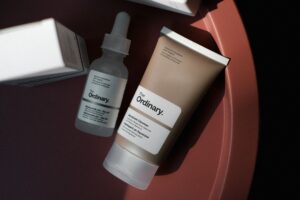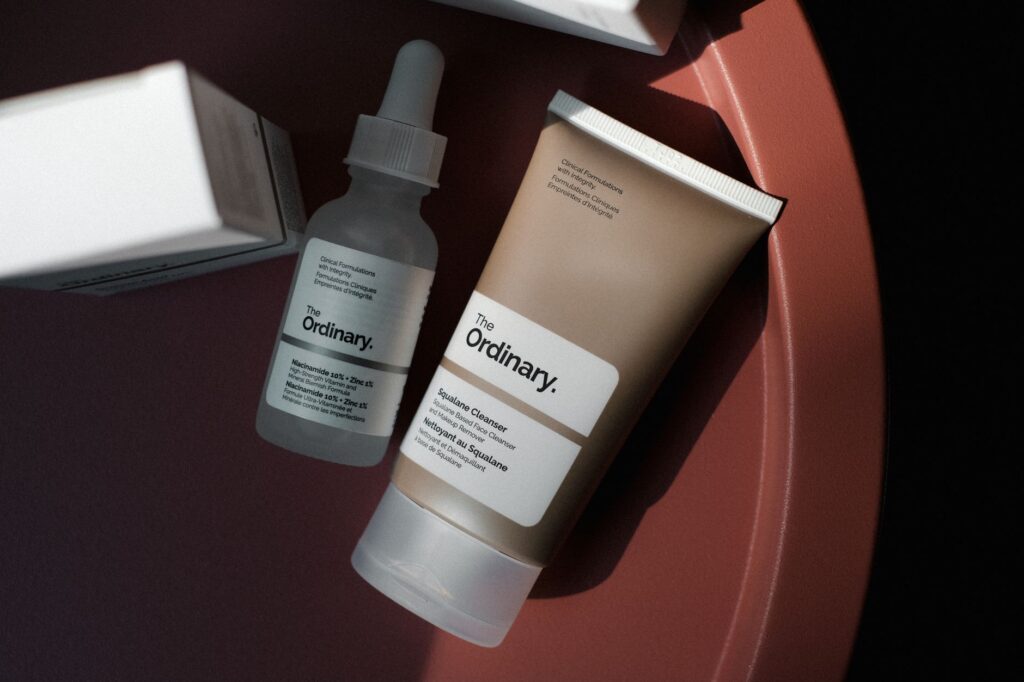
The Ordinary Niacinamide 10% + Zinc 1% is the strongest documented budget pick: a 30 mL bottle costs $6. However, no evidence proves it is the "best," and dermatologist support focuses mainly on acne-prone skin rather than universal anti-aging results. Niacinamide is a topical skincare ingredient used to address oiliness, acne, uneven tone, and visible aging. The evidence suggests it can be a useful, affordable addition—not a replacement for sunscreen or prescribed acne treatment.
Medical information disclaimer: This article is for general educational purposes only and does not provide medical advice, diagnosis, or treatment. Always consult a physician or other qualified health professional about symptoms, medications, tests, or treatment decisions.
Table of Contents
- Why The Ordinary stands out on a budget
- What does the anti-aging evidence show?
- Who is this serum best suited for?
- How to use it safely
Why The Ordinary stands out on a budget
The Ordinary's official U.S. product page lists the serum at $6 for 30 mL. Its key ingredients are 10% niacinamide and 1% zinc PCA. Dermatologist Michele Farber, MD, FAAD, specifically recommended this serum for acne because it is generally well tolerated and zinc may help with oil production.
Her comments, reported by Who What Wear, support it for acne-prone skin but do not establish it as the best anti-aging serum. That distinction matters. The low price, clear ingredient percentages, and acne-focused recommendation make it a practical budget candidate. They do not prove that it outperforms every other niacinamide formula.
What does the anti-aging evidence show?
A randomized, double-blind trial studied 50 white women ages 40 to 60. Participants applied 5% niacinamide to part of the face twice daily for 12 weeks. Compared with a moisturizer control, niacinamide significantly improved fine lines and wrinkles, dark spots, texture, red blotchiness, and skin yellowing. The study is available through the International Journal of Cosmetic Science record on PubMed.
The trial supports niacinamide as a potentially useful anti-aging addition, but its limits are important. It did not test The Ordinary serum, and it used 5% niacinamide rather than 10%. It was also small, short, and limited to white women within a specific age range. More niacinamide does not automatically mean better results. This research cannot show that a 10% serum works faster or better than a 5% product.
Who is this serum best suited for?
The Ordinary serum makes the most sense for budget-conscious people with oily or acne-prone skin who already tolerate active skincare ingredients. The American Academy of Dermatology includes niacinamide among ingredients that may reduce shiny skin and acne. Sensitive skin requires more caution. Dr.
Farber recommends niacinamide concentrations between 2% and 10% and notes that higher strengths may irritate sensitive skin. Someone who reacts easily may prefer a lower-concentration formula instead of starting at 10%. Niacinamide should also be treated as an adjunct, meaning a supporting part of a routine. Acne, rosacea, and pigment changes may require other ingredients or prescription care. Persistent, painful, or scarring acne deserves professional evaluation rather than repeated serum changes.
How to use it safely
The manufacturer recommends applying the serum in the morning and evening. Follow its safety directions carefully: Daily UV protection remains the more important anti-aging step. The American Academy of Dermatology recommends broad-spectrum, water-resistant sunscreen with SPF 30 or higher because UVA exposure contributes to wrinkles and age spots.
- Patch-test the serum before using it across your face.
- Apply it only to unbroken skin.
- Stop using it if irritation develops.
- Seek medical advice if the irritation persists or causes concern.
You Might Also Like
- Top Skincare Products Dermatologists Recommend for Healthy Skin in 2026
- Teen Acne Back-to-School Guide: Drugstore Products Dermatologists Recommend
- Acne Treatment Success: Dermatologists Recommend Custom Skincare Plans for Your Specific Condition
Browse more: Acne | Acne Scars | Adults | Back | Blackheads