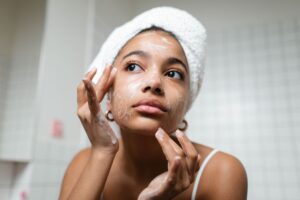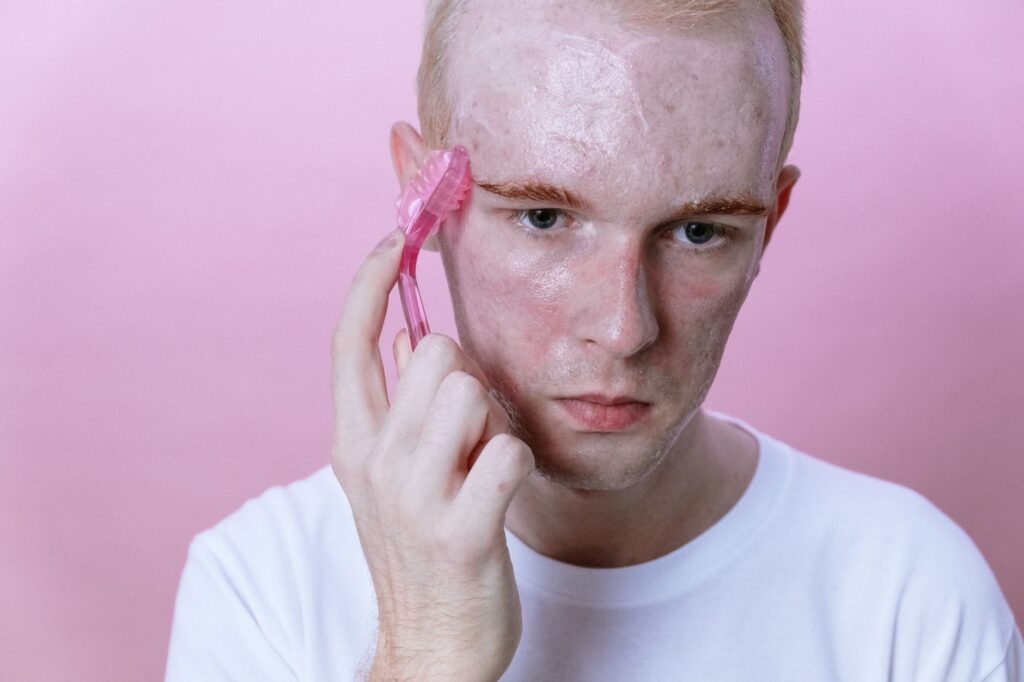
The most effective acne skincare products don’t work in isolation—they work as a coordinated system addressing multiple causes of breakouts at once. A complete routine overhaul means moving beyond spot-treating and instead building a foundation with a cleanser, exfoliant, targeted treatment, and moisturizer that work together to reduce oil production, prevent bacterial colonization, remove dead skin cells, and restore your skin barrier. Someone struggling with persistent acne on their chin and jawline, for example, might see results not from using a single stronger product, but from combining a salicylic acid cleanser, a retinoid treatment at night, and a lightweight but effective moisturizer during the day—each addressing a different reason the breakouts happen in the first place.
The core insight is that clear skin comes from consistency and the right combination of ingredients, not from finding a magic product. Prescription-strength treatments exist for severe or cystic acne, but most people with moderate acne can achieve significant improvement by using proven over-the-counter ingredients in the right order and concentrations. The barrier between clear skin and persistent breakouts often comes down to whether your routine prevents new acne from forming while healing existing lesions, or whether it keeps damaging your protective skin barrier in ways that trigger more inflammation.
Table of Contents
- What Ingredients Actually Stop Acne From Forming?
- Structuring a Routine That Doesn’t Damage Your Skin Barrier
- Choosing Between Salicylic Acid, Benzoyl Peroxide, and Retinoids
- How to Layer Products Without Causing More Irritation
- Why Many People Stop Their Acne Routines Too Early
- Adapting Your Routine as Your Acne Changes
- When to Reassess Whether Your Products Are Actually Working
What Ingredients Actually Stop Acne From Forming?
acne develops when three conditions align: excess oil production, dead skin cell buildup that clogs pores, and bacterial overgrowth—specifically Cutibacterium acnes. products that address all three work better than products that address only one. Salicylic acid and other beta hydroxy acids dissolve into pores and remove the dead skin cells that trap oil; benzoyl peroxide kills bacteria and is one of the few ingredients that bacteria cannot develop resistance to; retinoids increase cell turnover and strengthen the skin barrier; niacinamide reduces sebum production and has anti-inflammatory effects. A complete routine uses these in complementary ways rather than trying to pack them all into one product.
For someone with oily, clogged skin prone to small comedones, a routine built around a salicylic acid cleanser in the morning and a retinoid at night will typically outperform using a single benzoyl peroxide treatment twice daily. The salicylic acid unclogs the pore opening; the retinoid prevents new cells from becoming impacted inside the pore. Neither works as well alone because they’re solving different parts of the problem. Similarly, someone using retinoids without a good moisturizer often gives up on the treatment because the dryness and irritation seem unbearable—not because retinoids don’t work, but because they’re preventing the skin barrier from functioning properly.
Structuring a Routine That Doesn’t Damage Your Skin Barrier
Your skin barrier is a layer of lipids and dead skin cells that protects the living skin underneath and keeps water in. Many acne products damage this barrier temporarily because they’re irritating or drying, which can actually trigger more inflammation and more acne once the barrier is compromised. The mistake many people make is using too many actives at once or using them at too high a concentration, then getting frustrated when their skin becomes red, sensitive, and broken out.
A sustainable routine introduces one active ingredient at a time, uses it consistently for at least 4-6 weeks, and only adds a second active once the skin has adapted. Starting with a cleanser that removes oil and dead skin without stripping is foundational; moving to a treatment with either salicylic acid or benzoyl peroxide; then, once that’s tolerated, potentially adding a retinoid or other actives. A limitation many people encounter is that effective acne treatment is slower than they expect—most improvements take 6-8 weeks to become visible, and clear skin typically stabilizes around the 12-week mark. Products that promise faster results are usually either ineffective or damaging to the barrier.
Choosing Between Salicylic Acid, Benzoyl Peroxide, and Retinoids
These three ingredients approach acne prevention differently. Salicylic acid is a chemical exfoliant that works best on the surface and in shallow pores; benzoyl peroxide is antimicrobial and oxidizes bacteria; retinoids change how skin cells are produced and shed, preventing the clogging that leads to acne in the first place. Someone with surface-level whiteheads and comedones typically sees faster results from salicylic acid. Someone with frequent, painful breakouts might benefit more from benzoyl peroxide’s bacterial-killing action.
Someone with long-standing acne or acne that leaves marks often needs retinoids because they’re the only category that actually improves skin texture and prevents scarring. The typical progression is to start with salicylic acid in the morning cleanser and benzoyl peroxide in a spot treatment or body wash for areas like the back or chest. Once that’s stable, introduce a retinoid at night—usually retinol or a weaker retinoid ester first, moving to stronger prescription retinoids only if needed. A specific example: someone with teenage acne affecting the forehead and T-zone typically responds well to a salicylic acid cleanser twice daily, a benzoyl peroxide 2.5% spot treatment at night, and a gentle moisturizer. After six weeks of consistency, they can add a retinol serum twice weekly, increasing to three times weekly as tolerance builds.
How to Layer Products Without Causing More Irritation
The order matters. After cleansing with your acne-fighting cleanser, your skin should be completely dry before applying any treatment because products work better on dry skin and mixing water with certain actives reduces their effectiveness. Apply salicylic acid or benzoyl peroxide first if you’re using both in the same routine, then wait 2-3 minutes before applying other products. Retinoids go on after everything else is dry, or on completely bare skin at night.
Many people make the mistake of “sandwiching” products incorrectly or applying moisturizer before treatment actives have set, which reduces their efficacy. A working example: cleanse, wait one minute for skin to fully dry, apply a salicylic acid treatment to affected areas only, wait three minutes, then apply a lightweight oil-free moisturizer to the entire face. At night, apply the same cleanser, wait for drying, apply a benzoyl peroxide spot treatment if needed, wait two minutes, then apply a retinoid to the entire face except the under-eye area, wait two minutes, then finish with a richer moisturizer. This routine ensures each active has time to penetrate and work without being diluted or buffered by other products.
Why Many People Stop Their Acne Routines Too Early
The “purging” phase is real but often misunderstood. When you start using exfoliating actives like salicylic acid or retinoids, they increase cell turnover, which means comedones that were forming under the skin surface come to the surface faster. This can look like a temporary increase in breakouts during weeks 2-4. This is not a sign the product is failing; it’s a sign it’s working. Most people interpret this as the product causing acne and stop using it, resetting their progress.
Another common reason people abandon acne routines is that they introduce too many products at once or use concentrations that are too high. Someone might use a 10% benzoyl peroxide treatment, a daily retinol, and a strong salicylic acid cleanser all at the same time, then experience extreme dryness and irritation and conclude they have sensitive skin that can’t handle acne treatment. In reality, they’re experiencing barrier damage from overuse. The same person using each product at lower concentrations and introducing them one at a time would likely tolerate everything well and see results. A warning: if you have very sensitive skin or a condition like rosacea, you need modified approaches—lower concentrations, gentler exfoliants, and slower introduction timelines.
Adapting Your Routine as Your Acne Changes
Acne isn’t always the same from month to month. Hormonal acne that flares along the jawline requires different management than bacterial acne on the forehead, and both are different from the occasional stress breakout. Someone might discover through tracking that their acne worsens during specific times of their menstrual cycle, or gets worse when they’re using occlusive products, or improves significantly when they’re sleeping more consistently.
A practical example: someone finds that their routine works well year-round but they get cystic breakouts every January. Instead of overhauling their entire routine, they might introduce a benzoyl peroxide 5% body wash or increase their retinoid frequency during that month. Similarly, someone who breaks out when using heavy night creams might switch to a gel-based moisturizer in summer and a richer cream in winter. This kind of fine-tuning is more effective than constantly switching products based on marketing claims.
When to Reassess Whether Your Products Are Actually Working
Clear progress in acne treatment looks like: fewer new breakouts appearing, existing breakouts healing faster, and decreased inflammation and redness. Improvement should be visible by week 8-10, and should be clear by week 12. If you’ve been using the same routine consistently for 12 weeks and you see no difference, something needs to change—either the product concentrations are too low, you’re not using them consistently enough, or the acne has an underlying cause your routine doesn’t address (like untreated hormonal imbalance, dehydration, or an ingredient allergy).
Some people benefit from professional evaluation at this point. A dermatologist can prescribe stronger retinoids like tretinoin or adapalene, antibiotics that target acne bacteria, or hormonal treatments for acne driven by androgens. But before jumping to prescription treatment, most dermatologists will verify that you’ve actually given over-the-counter ingredients time to work and that you’re using them correctly—which is why many people who think they have treatment-resistant acne actually just need better product selection and consistency.
You Might Also Like
- Simple Skincare Routine for Acne: Expert Tips From Top Dermatologists
- Best acne stickers that transformed skincare into trendy accessories
- Just 2 K-Beauty Products Simplified My Skincare Routine: Here’s How
Browse more: Acne | Acne Scars | Adults | Back | Blackheads