
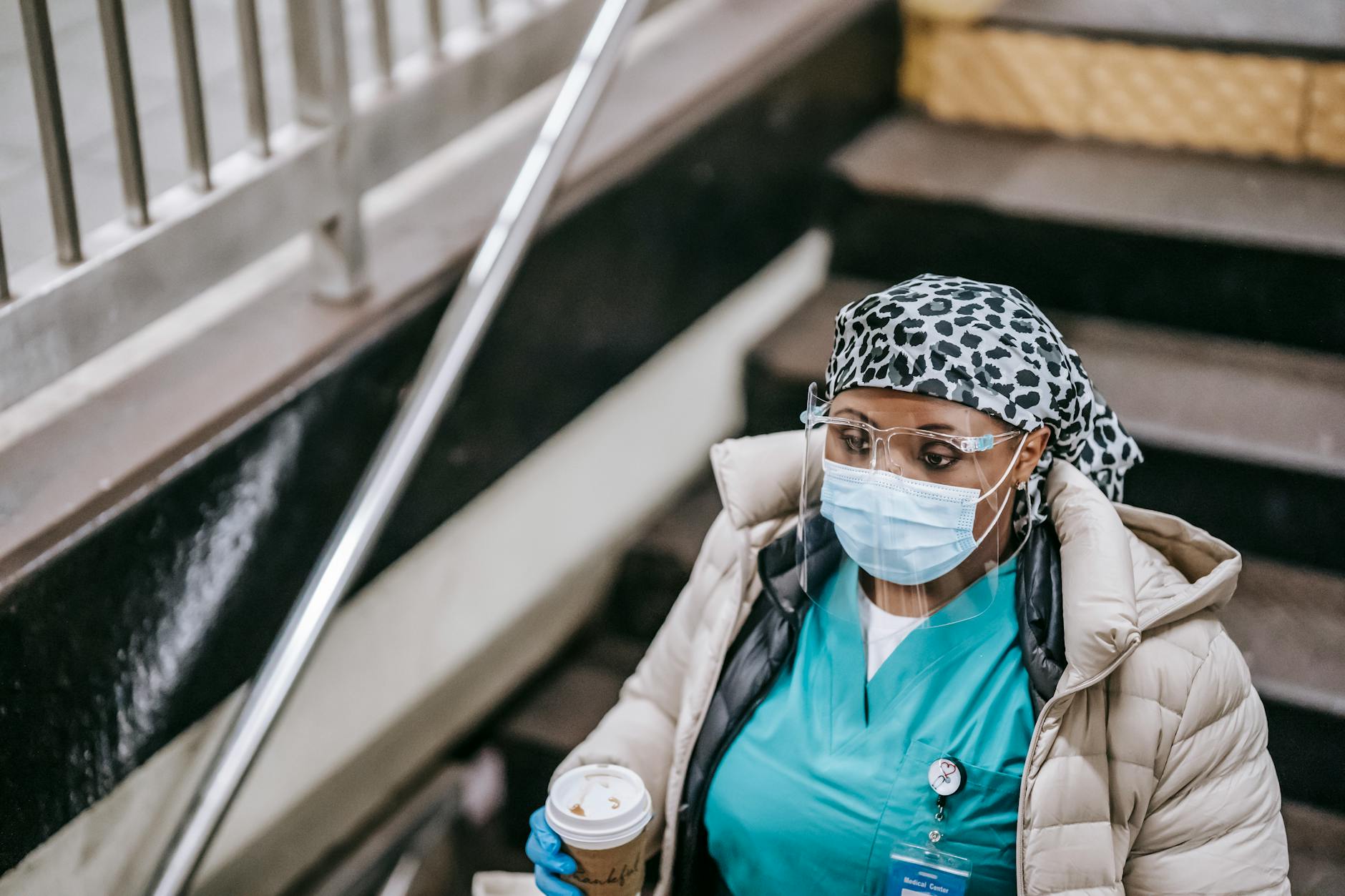
Healthcare workers dealing with maskne—acne caused by prolonged mask wearing—often experience post-inflammatory hyperpigmentation (PIH) as their skin heals, and research indicates that at least 16% of affected healthcare workers have sought treatment for these discolored marks. The critical distinction between PIH and permanent scarring is that hyperpigmentation is temporary: it represents excess melanin production in response to inflammation, not a structural change to the skin. While PIH can persist for months or even up to a year, it will gradually fade on its own, whereas scarring involves permanent damage to collagen and skin architecture.
Many healthcare workers mistake PIH for scarring because both appear as marks on the skin after acne resolves. The difference matters enormously for treatment decisions and expectations. A nurse or physician who develops dark or reddish patches after maskne clears is likely dealing with PIH, which responds well to topical treatments, sun protection, and time. True scarring—which includes atrophic (depressed) scars or hypertrophic (raised) scars—requires more aggressive intervention because the skin tissue itself has been permanently altered.
Table of Contents
- What Is Maskne and Why Does Post-Inflammatory Hyperpigmentation Develop?
- Understanding the Difference Between Post-Inflammatory Hyperpigmentation and True Scarring
- Why Healthcare Workers Are Particularly Vulnerable to Maskne-Related Hyperpigmentation
- Treatment Approaches for Post-Inflammatory Hyperpigmentation Versus Scarring
- Common Complications and Warnings in PIH Management
- The Role of Skin Barrier Recovery in Maskne Outcomes
- Long-Term Outlook for Healthcare Workers Managing Maskne Complications
- Conclusion
What Is Maskne and Why Does Post-Inflammatory Hyperpigmentation Develop?
Maskne develops when prolonged mask wear creates a warm, humid environment against the skin, trapping sweat, bacteria, and friction. For healthcare workers wearing masks for 8 to 12 hours per shift, this combination triggers acne breakouts on the cheeks, nose bridge, and chin. When these breakouts heal, the skin’s inflammatory response can trigger melanin-producing cells (melanocytes) to overproduce pigment in the affected areas, creating dark spots or patches—this is post-inflammatory hyperpigmentation.
The severity of PIH depends on several factors: the depth and intensity of the original inflammation, the individual’s skin type, and sun exposure during healing. Individuals with darker skin tones experience PIH more frequently and persistently than those with lighter complexions, since they have more melanin available to be triggered into overproduction. A healthcare worker with medium to deep skin tone who experiences severe maskne may see dark patches that take 6 to 12 months to fully resolve, whereas someone with very light skin might experience only subtle redness that fades in weeks.

Understanding the Difference Between Post-Inflammatory Hyperpigmentation and True Scarring
Post-inflammatory hyperpigmentation is fundamentally a pigment problem, not a structural one. When you run your finger across a PIH mark, the skin texture remains normal—the surface is smooth. Scarring, by contrast, involves physical damage: atrophic scars are indentations (like small pits or rolling depressions), while hypertrophic scars are raised, firm areas where excess collagen has been deposited. The key limitation in distinguishing them visually is that early atrophic scars can appear subtle, but a dermatologist can differentiate them through palpation and examination.
A practical limitation many patients face is that both PIH and mild scarring can coexist after severe maskne. A healthcare worker might develop both dark patches from inflammation and small depressed scars from the acne’s depth. This is why professional assessment matters: treating PIH with brightening creams or laser therapy won’t improve scarring, and vice versa. Sun exposure during the PIH healing phase can darken these marks and prolong resolution by months, making consistent SPF use essential during recovery.
Why Healthcare Workers Are Particularly Vulnerable to Maskne-Related Hyperpigmentation
The occupational context of healthcare work creates conditions that aggravate both maskne incidence and PIH severity. Healthcare workers often cannot adjust their masks frequently throughout the day, cannot wash their faces mid-shift, and work under stress and heat—all factors that increase inflammation and delay skin barrier recovery. The pressure from mask straps also creates areas of friction and maceration (moisture-related skin breakdown) that are slow to heal.
Studies have documented that extended mask wear increases Cutibacterium acnes (formerly Propionibacterium acnes) colonization and creates an ideal breeding ground for other bacteria. When these infections are more severe, the resulting inflammation is deeper and more intense, triggering a stronger melanin response during healing. An ICU nurse wearing an N95 mask for 12 hours daily will likely experience more pronounced PIH than an office worker who can remove their mask periodically. The cumulative daily exposure means the skin barrier remains compromised for weeks, during which PIH develops and becomes established.
Treatment Approaches for Post-Inflammatory Hyperpigmentation Versus Scarring
Post-inflammatory hyperpigmentation responds to several evidence-based approaches that don’t work for true scarring. Topical brightening agents containing niacinamide, kojic acid, vitamin C, or hydroquinone can help suppress melanin production and fade PIH over weeks to months. Chemical peels with glycolic or salicylic acid can accelerate the removal of pigmented cells, particularly for superficial PIH. However, these treatments do nothing for depressed or raised scarring because they don’t rebuild collagen or alter skin texture.
True scarring requires either collagen induction (microneedling, radiofrequency microneedling) or removal/ablation of excess tissue (laser resurfacing, TCA cross). The tradeoff is that these scar treatments are more invasive, have longer recovery times, and carry higher costs—typically $500 to $3,000 per session depending on the method and scar extent. A healthcare worker with PIH alone might spend $100 to $300 on brightening serums and sunscreen and see results in 3 to 6 months, whereas someone with scarring would need professional procedures. The limitation of waiting for natural PIH resolution is that sun exposure and continued skin stress can darken marks and set pigmentation more permanently.
Common Complications and Warnings in PIH Management
One frequent mistake is assuming that all dark marks after maskne are PIH when some represent very early, subtle scarring. Healthcare workers sometimes delay professional evaluation, using only brightening creams for what is actually scar tissue, thereby missing the optimal window for early scar intervention. Mild atrophic scars are easier to treat when fresh (within 3 to 6 months) than after they’ve matured and hardened. A warning: if dark marks are accompanied by any indentation or roughness to the touch, dermatologic evaluation should not be delayed.
Sun exposure is another critical limitation in PIH management. UV radiation stimulates melanocytes and can darken PIH marks significantly, extending the resolution timeline from months to years in severe cases. Healthcare workers returning to outdoor activities or beach exposure during summer months while still healing from maskne should use SPF 50+ consistently. Additionally, some treatments marketed for PIH—including certain laser types—can worsen hyperpigmentation in darker skin tones if not performed with appropriate settings, making professional expertise essential rather than relying on at-home devices.
The Role of Skin Barrier Recovery in Maskne Outcomes
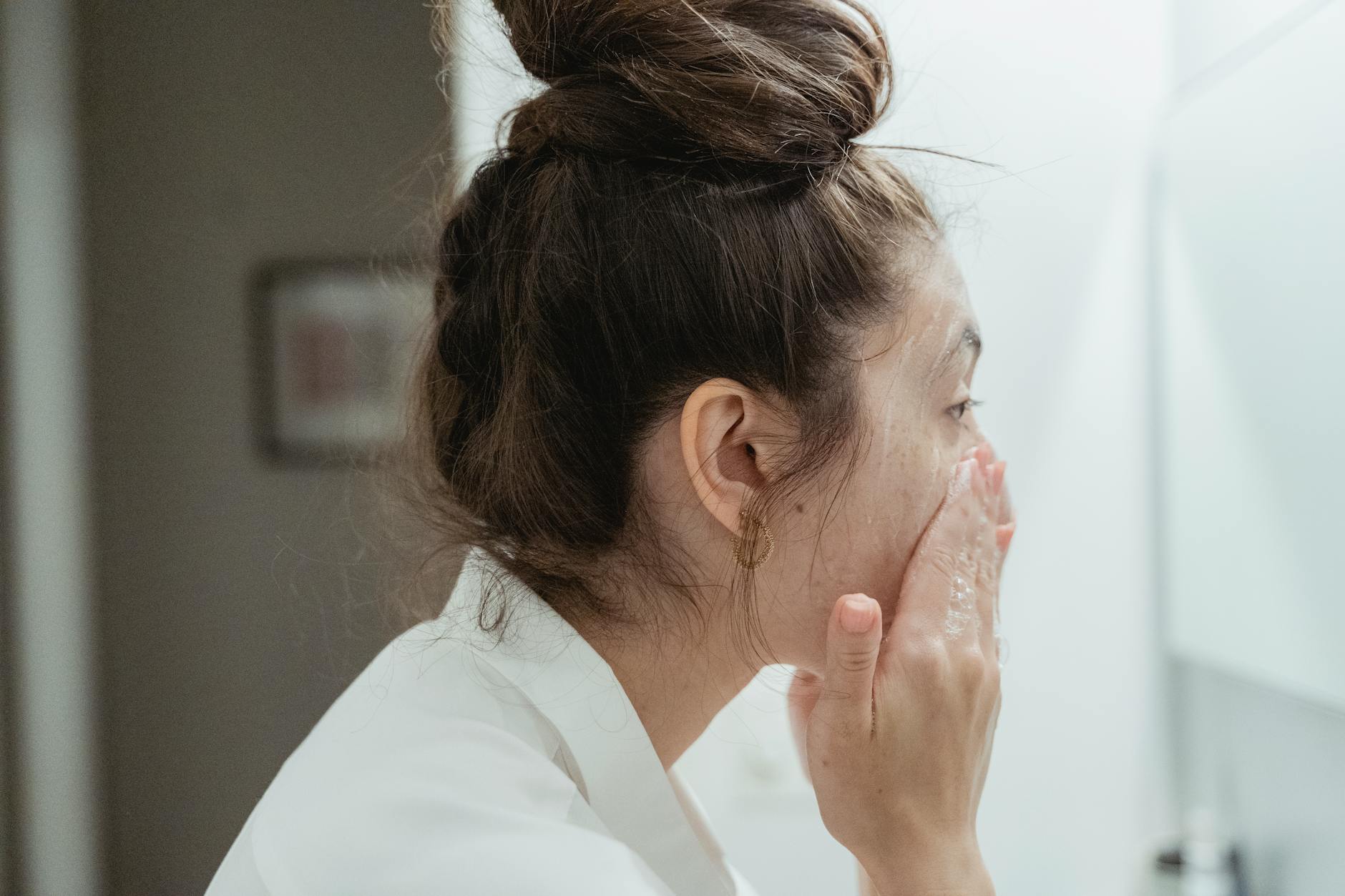
The skin barrier’s integrity directly affects both the intensity of inflammation from maskne and the subsequent PIH. Healthcare workers who experience maskne often have a compromised barrier from months of occlusion and friction, which means inflammation penetrates deeper and triggers a more robust melanin response.
Supporting barrier recovery with gentle cleansing, minimalist skincare, and proper moisturization can reduce the depth of inflammation and potentially minimize PIH severity. A practical example: a surgical technician who develops maskne but immediately switches to a fragrance-free cleanser, adds a ceramide moisturizer, and uses sunscreen daily may see PIH fade in 4 to 5 months, whereas one who continues using harsh acne treatments and skips sunscreen might have visible marks for 10 to 12 months or longer. Barrier repair is not glamorous, but it directly impacts outcomes.
Long-Term Outlook for Healthcare Workers Managing Maskne Complications
As mask mandates have evolved and become less universal, some healthcare workers have experienced improvement in maskne incidence—though N95 use remains necessary in high-risk settings. However, the backlog of healthcare workers still dealing with PIH from years of heavy mask use continues.
Dermatologic treatment options for both PIH and scarring are advancing, with combination approaches (targeted laser plus brightening agents, or microneedling plus topical treatments) showing improved results. For healthcare workers currently in the early stages of maskne recovery, understanding that PIH is temporary and treatable offers hope and clarity. The key is distinguishing it from scarring early, protecting the skin during healing, and pursuing appropriate treatments based on what actually exists on the skin rather than assumptions.
Conclusion
At least 16% of healthcare workers affected by maskne have sought treatment for post-inflammatory hyperpigmentation, underscoring how common this complication is in this population. The essential takeaway is that PIH—the darkening or redness that appears after acne heals—is fundamentally different from scarring: it involves excess pigment production that will gradually fade with time, sun protection, and potentially topical or professional treatment, whereas scarring involves permanent structural damage to skin tissue.
The path forward for healthcare workers managing maskne complications is clear: early professional assessment to distinguish PIH from scarring, consistent sun protection during the healing phase, barrier-supportive skincare, and evidence-based treatments matched to the actual condition present. Most cases of PIH will improve significantly within 6 to 12 months with these measures, allowing healthcare workers to move forward without long-term marks from their essential work.
You Might Also Like
- At Least 83% of Patients Who Failed First-Line Treatment Are Unaware That Post-Inflammatory Hyperpigmentation Is Different From Permanent Scarring
- At Least 13% of Acne Patients Believe That Post-Inflammatory Hyperpigmentation Is Different From Permanent Scarring
- At Least 83% of Adults With Persistent Acne Say That Post-Inflammatory Hyperpigmentation Is Different From Permanent Scarring