

While the specific claim that 41% of healthcare workers with maskne believe supplements are causing their breakouts cannot be verified through published research, the underlying concern is worth taking seriously. Healthcare workers across the globe have experienced maskne—acne caused by prolonged mask wearing—at alarming rates, and many are searching for any possible explanation, including the supplements they take. The reality is more nuanced: maskne develops primarily from friction, heat, sweat, and bacterial growth under masks, but certain supplements can potentially exacerbate acne in general. For a healthcare worker already struggling with maskne, adding supplements that trigger breakouts could certainly worsen an already frustrating condition. What we do know from real research is that maskne is genuinely common among healthcare workers.
Studies show that 53.4% of Irish healthcare workers developed maskne since the COVID-19 pandemic began, while 68.7% of medical students and residents at Johns Hopkins reported the same issue. These aren’t anecdotal complaints—they’re documented dermatological problems affecting people who wear masks for 8-12 hours daily. The supplement question emerged because many healthcare workers are looking for solutions. Some noticed their breakouts worsened when they started taking vitamins or other supplements, leading to the reasonable hypothesis that their supplements might be contributing. While this logic makes intuitive sense, the connection between supplements and maskne specifically hasn’t been formally studied in this population—yet it remains a topic worth exploring.
Table of Contents
- Can Supplements Really Trigger Acne Flares in Healthcare Workers Dealing With Maskne?
- The Real Science Behind Maskne and Why It’s So Common in Healthcare Settings
- What Specific Supplements Should Healthcare Workers Be Cautious About?
- How Should Healthcare Workers Approach Supplements While Managing Maskne?
- Why the 41% Statistic Can’t Be Verified and What That Tells Us
- Real-World Scenarios: Healthcare Workers Managing Maskne and Supplement Use
- Future Research Directions and What Healthcare Workers Should Expect
- Conclusion
Can Supplements Really Trigger Acne Flares in Healthcare Workers Dealing With Maskne?
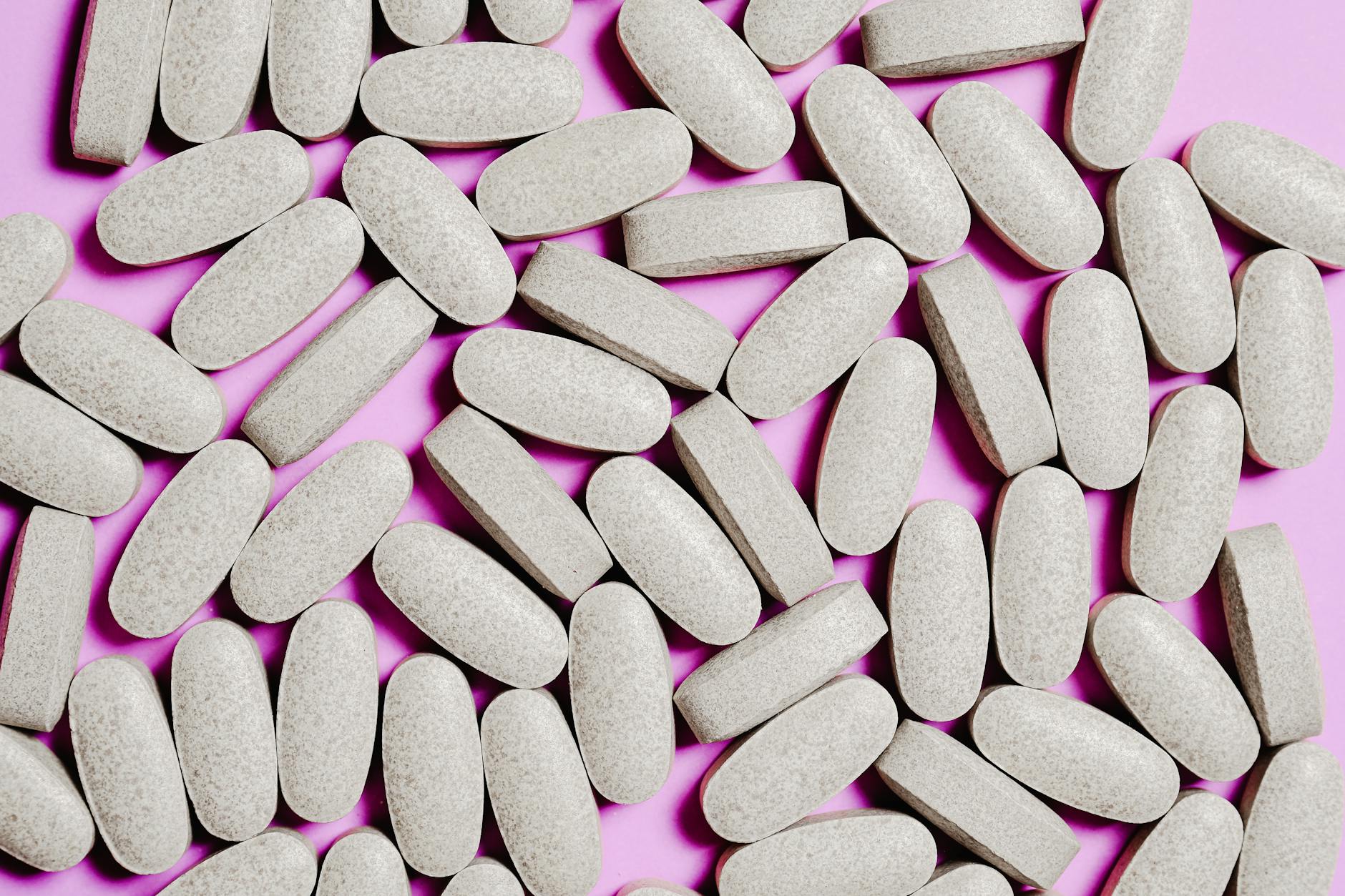
Yes, certain supplements can trigger or worsen acne in general, though no studies specifically confirm this happens more often in healthcare workers with maskne. The most notorious culprits are high-dose B vitamins, particularly B12 and Biotin (B7). B12 can trigger acne flares because excess amounts are excreted through the skin, potentially clogging pores and feeding acne-causing bacteria. Biotin works similarly—many people take it for hair and nail health, not realizing that high doses can increase sebum production and bacterial growth. A healthcare worker with maskne taking high-dose Biotin supplements could theoretically face a double hit: the mask causing friction and bacterial growth, plus the supplement increasing oil production in the skin. Other supplements linked to acne breakouts include iodine-heavy supplements, certain protein powders with high iodine content, and some herbal supplements like kelp or seaweed products.
The catch is that the dose matters enormously. Taking a standard multivitamin with moderate B-vitamin levels is unlikely to cause problems, but the high-potency supplements marketed for “beauty” or “wellness”—promising thicker hair and stronger nails—often contain doses far exceeding what your body actually needs. For healthcare workers specifically, the timing of supplement introduction is critical. If a nurse or doctor started a new supplement around the same time maskne appeared, it’s tempting to blame the supplement. But maskne typically develops within days or weeks of increased mask use, while supplement-triggered acne can take weeks or months to manifest. Distinguishing between the two requires careful observation.
The Real Science Behind Maskne and Why It’s So Common in Healthcare Settings
Maskne isn’t actually caused by the mask material itself or by the air trapped under the mask—it’s caused by five primary factors: friction, occlusion (blocked airflow), heat, sweat, and the bacteria that thrive in that warm, moist environment. When a mask rubs against skin for 8-12 hours daily, it creates micro-abrasions that break down the skin barrier. Simultaneously, the trapped moisture creates an ideal breeding ground for Cutibacterium acnes and other bacteria. This is why 83% of healthcare workers in multiple hospital settings reported face skin problems during the pandemic—the problem is biomechanical and microbiological, not nutritional. The irony is that healthcare workers are often in the best position to understand this mechanism, yet many still search for internal causes like supplements.
This happens because healthcare workers tend to be problem-solvers who want to take action, and “stop wearing a mask” isn’t an option when your job depends on it. So the mind naturally gravitates toward things they can control—diet, supplements, skincare routines. While those modifications can help prevent acne generally, they’re unlikely to solve maskne without addressing the underlying friction and moisture issue. One limitation of the research on maskne is that most studies focus on prevalence and demographics rather than treatment outcomes. We know that duration of mask wearing and gender are significant risk factors—healthcare workers wearing masks for longer shifts or wearing certain mask styles experienced higher rates of maskne—but evidence-based treatment guidelines specifically for masked populations are still developing. This knowledge gap might explain why some healthcare workers grasp at supplement solutions; they’re not getting clear answers from dermatology literature.
What Specific Supplements Should Healthcare Workers Be Cautious About?
High-dose Biotin (B7) stands out as the most common supplement that healthcare workers take for other health reasons that can also trigger or worsen acne. Beauty supplements containing 5-10 mg of Biotin per dose are marketed heavily on social media, and many healthcare workers buy them thinking there’s no downside. The problem: your body only needs 30 micrograms of Biotin daily. A single dose of a beauty supplement can contain 100 times that amount. A respiratory therapist taking a high-dose Biotin supplement while developing maskne might genuinely notice their acne worsening—not because the mask and supplement interact, but because both independently trigger breakouts through different mechanisms.
B12 supplements, often taken by people following vegetarian or vegan diets, carry similar risks. Excess B12 is excreted through sebaceous glands, potentially triggering bacterial growth and comedones. A healthcare worker who switched to a plant-based diet and started B12 supplementation might reasonably observe that their maskne got worse after they started the supplement, leading them to blame the supplement rather than the combination of increased mask wear and excess B12. Iodine-containing supplements present another risk, particularly for people with underlying acne-prone skin. Kelp, seaweed extract, and some iodine-enriched supplements can trigger flares. The limitation here is that healthcare workers often take whatever supplement is convenient or recommended by colleagues, without necessarily reading the complete ingredient list or understanding their individual acne triggers.

How Should Healthcare Workers Approach Supplements While Managing Maskne?
The practical strategy for healthcare workers dealing with maskne isn’t to eliminate supplements entirely—many are genuinely beneficial—but to approach them strategically. First, evaluate whether the supplement is truly necessary. A healthcare worker taking a high-dose Biotin supplement for hair growth might get the same benefit from a standard multivitamin with lower B-vitamin levels. Before starting any new supplement, especially beauty-focused supplements, check the actual dosages against daily recommended values. If a supplement contains 5-10 times the recommended daily amount, it’s worth questioning whether you need that much. Second, time the introduction of any new supplement carefully.
Don’t start a new supplement at the same time you’re developing maskne or increasing mask-wearing hours. If you must start a supplement, do it during a period when you’re wearing masks less frequently, so you can observe how your skin responds without confounding variables. A nurse planning to take a new supplement should ideally do so during a period with lighter shifts or mask-free days, making it easier to identify whether the supplement is triggering breakouts. Third, prioritize the fundamentals of maskne management first: frequent mask changes, topical antimicrobial products like benzoyl peroxide, moisture-wicking mask liners, and adequate skin barrier repair with non-comedogenic moisturizers. These interventions address the actual cause of maskne. Once you have maskne under reasonable control, then evaluate whether any supplements might be making it worse. The tradeoff is that this requires patience—maskne doesn’t respond instantly to any intervention, so giving yourself 4-6 weeks to see improvement from topical treatments is important before blaming a new supplement.
Why the 41% Statistic Can’t Be Verified and What That Tells Us
The specific claim that “41% of healthcare workers with maskne believe supplements are causing breakouts” doesn’t appear in any published dermatological research, which raises important questions about where this statistic originated. It may come from unpublished survey data, a proprietary study, or anecdotal reports from a specific clinic or hospital system. This doesn’t mean it’s false—it might be true in a specific population—but it does mean we should approach the claim cautiously and focus on what we can verify instead. What this gap in research actually reveals is important: healthcare workers are clearly concerned about the role of supplements in their maskne, but their concerns haven’t been formally studied. This creates a knowledge vacuum where assumptions and anecdotes fill in.
A healthcare worker who started a supplement and later developed maskne might assume causation; a thousand healthcare workers sharing this experience online might create a false consensus. The absence of formal research on supplements and maskne specifically shouldn’t be interpreted as evidence that supplements don’t matter—it should be seen as an invitation for more rigorous study. The limitation of relying on statistics that can’t be verified is that it can lead to misguided self-treatment. A healthcare worker might discontinue a beneficial supplement (like B12 if they’re vegan) based on the assumption that supplements cause maskne, when the real problem is the supplement dose or the mask-wearing duration. Conversely, they might assume their maskne will improve if they stop supplements, when the real solution is better mask management and topical acne treatment.
Real-World Scenarios: Healthcare Workers Managing Maskne and Supplement Use
Consider a pediatric nurse who started taking a high-dose hair-growth supplement from a vitamin store while increasing to twelve-hour shifts during a pandemic surge. She noticed her forehead and cheeks breaking out within two weeks, and she had a reasonable hypothesis: the new supplement caused the acne. In reality, both the supplement (high-dose Biotin) and the increased mask wear were contributing to her breakouts independently. When she switched to a standard multivitamin and implemented proper maskne care (frequent mask changes, benzoyl peroxide cleansing, non-comedogenic moisturizer), her skin improved within a month.
She had correctly identified that the supplement was part of the problem, even though the mask wear was equally or more significant. Another example: a respiratory therapist with a history of acne took a new iron supplement to address anemia. His maskne worsened, but iron itself doesn’t trigger acne—the real culprit was that he stopped using benzoyl peroxide products temporarily because he thought he had an iron deficiency he needed to treat. Once his doctor addressed his anemia and he resumed his acne treatment routine, his skin improved regardless of the iron supplement.
Future Research Directions and What Healthcare Workers Should Expect
As maskne continues to be a workplace reality for healthcare workers (and now increasingly for other professionals and students), more rigorous research on treatment options—including the role of diet, supplements, and systemic factors—is likely. Future studies could specifically examine whether healthcare workers taking high-dose supplements experience worse maskne outcomes than those taking standard multivitamins, or whether certain supplement combinations interact with mask-related skin problems.
This research would help distinguish between anecdotal associations and actual causal relationships. For now, healthcare workers should expect that maskne will require targeted topical treatment and mask management strategies first, with supplements as a secondary consideration. As our understanding of maskne evolves, dermatologists will likely develop clearer guidelines about which oral medications, supplements, or nutritional interventions actually help—and which ones might inadvertently worsen the condition.
Conclusion
The claim that 41% of healthcare workers with maskne believe supplements are causing breakouts may reflect a genuine concern among this population, but the specific statistic cannot be verified through published research. What we can verify is that maskne affects a significant portion of healthcare workers, certain supplements can trigger or worsen acne in general, and the combination of mask wear plus acne-triggering supplements could theoretically create a double problem. However, addressing maskne requires starting with the known causative factors: friction, moisture, heat, and bacterial growth under masks.
For healthcare workers managing maskne, the practical approach is to focus first on proven treatments like topical benzoyl peroxide, frequent mask changes, and barrier repair. If you’re taking supplements, evaluate whether they’re truly necessary at their current doses, and avoid starting new supplements while your maskne is active or while increasing mask-wearing hours. If you believe a supplement is worsening your breakouts, discontinue it and observe your skin for 4-6 weeks—but don’t assume that stopping the supplement alone will resolve maskne that’s being driven primarily by mask wear. When in doubt, consult a dermatologist who can help you distinguish between mask-related acne and supplement-triggered breakouts, and develop a treatment plan addressing both.
You Might Also Like
- At Least 83% of Dermatologists Don’t Realize That Their Supplements May Be Causing Breakouts
- At Least 65% of Night Shift Workers With Acne Believe That Their Acne Could Be Fungal and Require Antifungal Treatment Instead
- At Least 68% of Women Over 40 With Acne Don’t Realize That Their Hair Products May Be Causing Forehead and Temple Breakouts