

More than half of acne patients believe that picking at their acne can push bacteria deeper into the skin and cause permanent scarring. This widespread concern isn’t unfounded—dermatologists confirm that picking and squeezing acne lesions carries real risks that go beyond temporary inflammation. When you pick at acne, you’re disrupting the skin’s barrier, introducing additional bacteria, and potentially driving the infection deeper into the dermis where scar tissue is more likely to form. A 17-year-old with persistent acne on her chin learned this the hard way: after months of picking at inflamed pimples, she developed atrophic scars (small indentations) that remained visible even after the acne cleared.
That experience mirrors what many acne patients have observed—the damage from picking often lasts far longer than the acne itself. The mechanics behind this concern are sound. Acne lesions form when bacteria (primarily Cutibacterium acnes), excess sebum, and dead skin cells accumulate in hair follicles. When you pick at these lesions, your fingernails and the mechanical action can breach the skin’s protective barrier, compress bacteria-filled material deeper into the follicle, and create a wound that the skin then has to heal. This healing process sometimes results in scarring, particularly with deeper cystic acne or when picking is repeated over weeks and months.
Table of Contents
- Can Picking at Acne Push Bacteria Deeper Into the Skin and Cause Permanent Scarring?
- The Hidden Damage of Acne Picking: How Bacteria Thrive in Disrupted Skin
- Types of Scarring Caused by Acne Picking and Bacteria Transmission
- Why Dermatologists Recommend Against Picking and What to Do Instead
- The Severe End of the Spectrum: Excoriation Disorder and Aggressive Picking
- Bacterial Transmission and Infection Risk from Picking
- Moving Forward: Professional Acne Treatment and Scar Prevention
- Conclusion
Can Picking at Acne Push Bacteria Deeper Into the Skin and Cause Permanent Scarring?
Yes, picking at acne can push bacteria deeper into the skin and increase the risk of scarring. When you squeeze or pick a pimple, you’re applying pressure that forces the contents—bacteria, sebum, and inflammatory material—further down into the follicle and surrounding tissue. This deeper penetration can trigger a stronger inflammatory response, which the skin then has to resolve by forming new tissue. If that new tissue is laid down unevenly, it can create a scar. The scarring risk is highest with deeper, more inflamed lesions like papules, pustules, and cystic acne, as these involve tissue layers beneath the skin’s surface.
The permanence of picking-related scars depends on the scar type and depth. Atrophic scars (depressed scars that look like small indentations) and boxcar scars (wider indented scars with sharp edges) are common results of aggressive picking and are difficult to eliminate completely. While some newer treatments like microneedling, laser resurfacing, and dermal fillers can improve their appearance, they rarely erase scars entirely. A 28-year-old who picked at severe acne in her teens reports that despite professional treatments over the years, her boxcar scars on her cheeks remain visible, even though her acne cleared a decade ago. This permanence is why dermatologists emphasize prevention through not picking as the most effective scar management strategy.
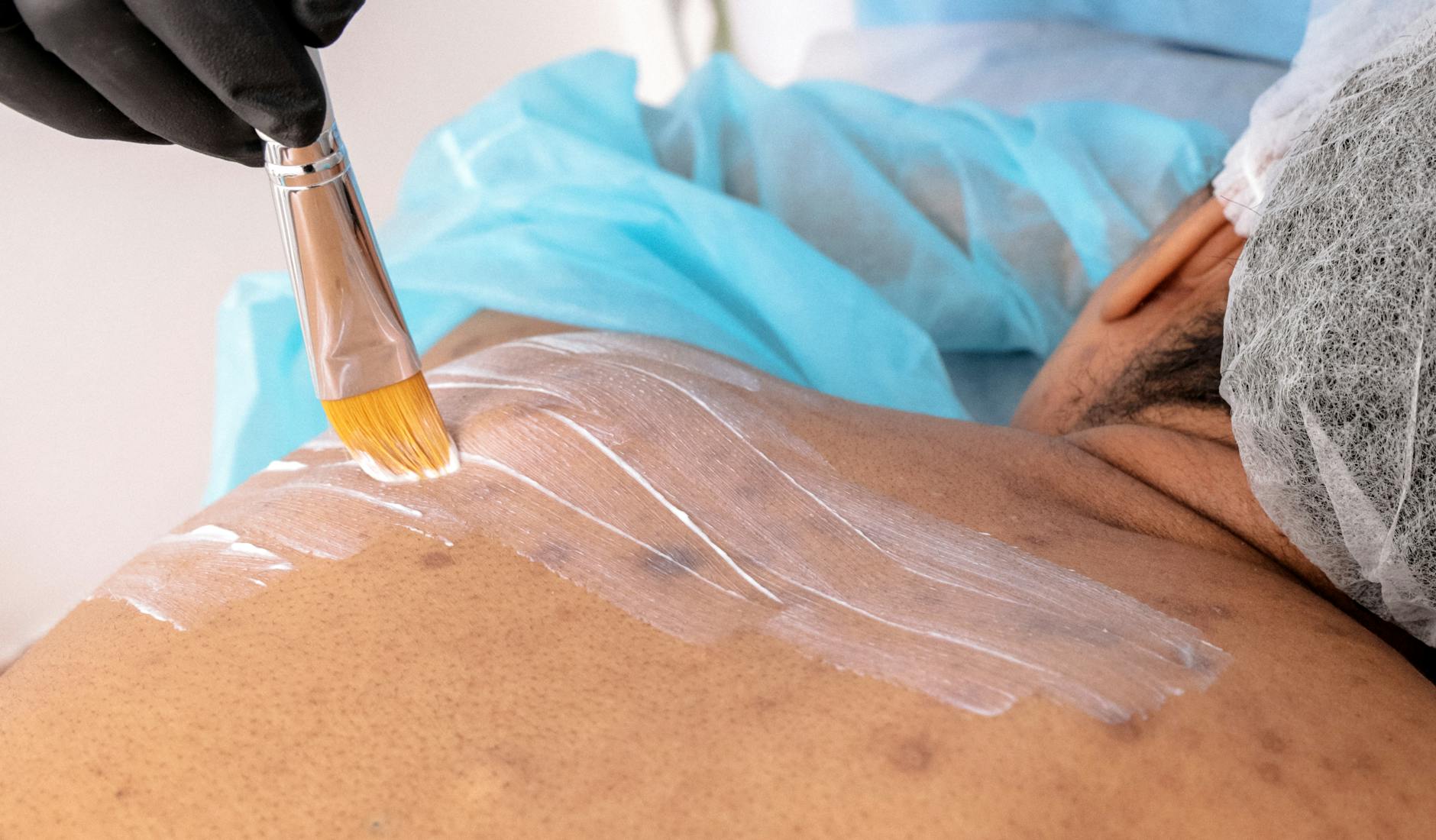
The Hidden Damage of Acne Picking: How Bacteria Thrive in Disrupted Skin
When the skin’s barrier is intact, it provides a protective defense against bacterial overgrowth and deeper infection. Picking disrupts this barrier in multiple ways: it creates a micro-wound, it exposes deeper skin layers to environmental bacteria and contamination from your fingers and nails, and it activates an inflammatory cascade that can worsen the acne lesion itself. The bacteria in acne (Cutibacterium acnes) thrives in the anaerobic (oxygen-poor) environment of a hair follicle, and when you squeeze a pimple, you’re essentially compressing that bacterial-rich material downward into deeper follicle and skin tissue where it can persist and proliferate.
One significant limitation of home picking is that most people lack the skill and sterile conditions necessary to safely extract acne contents, even if that were appropriate. A dermatologist with proper tools and training might carefully extract certain acne lesions, but even this should only be done on appropriate lesion types and when medically justified. A 35-year-old with adult acne describes her experience: after picking a single pimple on her jawline, she developed a much larger, deeper inflammation that took three weeks to heal and left a visible scar, whereas the original pimple would have resolved in days without intervention. The warning here is that picking doesn’t reduce acne—it extends the healing timeline, deepens the damage, and increases the likelihood of permanent marks.
Types of Scarring Caused by Acne Picking and Bacteria Transmission
Acne-related scarring comes in several forms, and picking tends to produce the most difficult-to-treat types. Atrophic scars, which account for about 70–80% of acne scars, are indentations in the skin caused by loss of collagen and tissue. Picking at acne often results in atrophic scars because the repeated trauma and inflammation destroy collagen-producing fibroblasts in the dermis. Hypertrophic scars, which are raised and thickened, are less common with acne but can occur, particularly in people with darker skin types.
Rolling scars (which have sloping edges), boxcar scars (with sharper, more defined edges), and ice-pick scars (very narrow and deep) are all more likely to develop when acne lesions are repeatedly picked, squeezed, or traumatized. The bacterial aspect of picking-related scarring deserves attention: when you introduce bacteria from your fingers or environment into a picked lesion, you can extend the inflammatory phase of healing, which promotes fibrosis (scar tissue formation) over normal skin regeneration. A real-world example is someone with moderate acne who picks one pimple and leaves another identical lesion untouched; the picked lesion almost always heals with a visible scar while the untouched one fades with minimal marks. This comparison illustrates the direct link between mechanical trauma and permanent damage. The limitation to understand is that not all acne scarring is reversible with current treatments, making prevention the most reliable strategy.
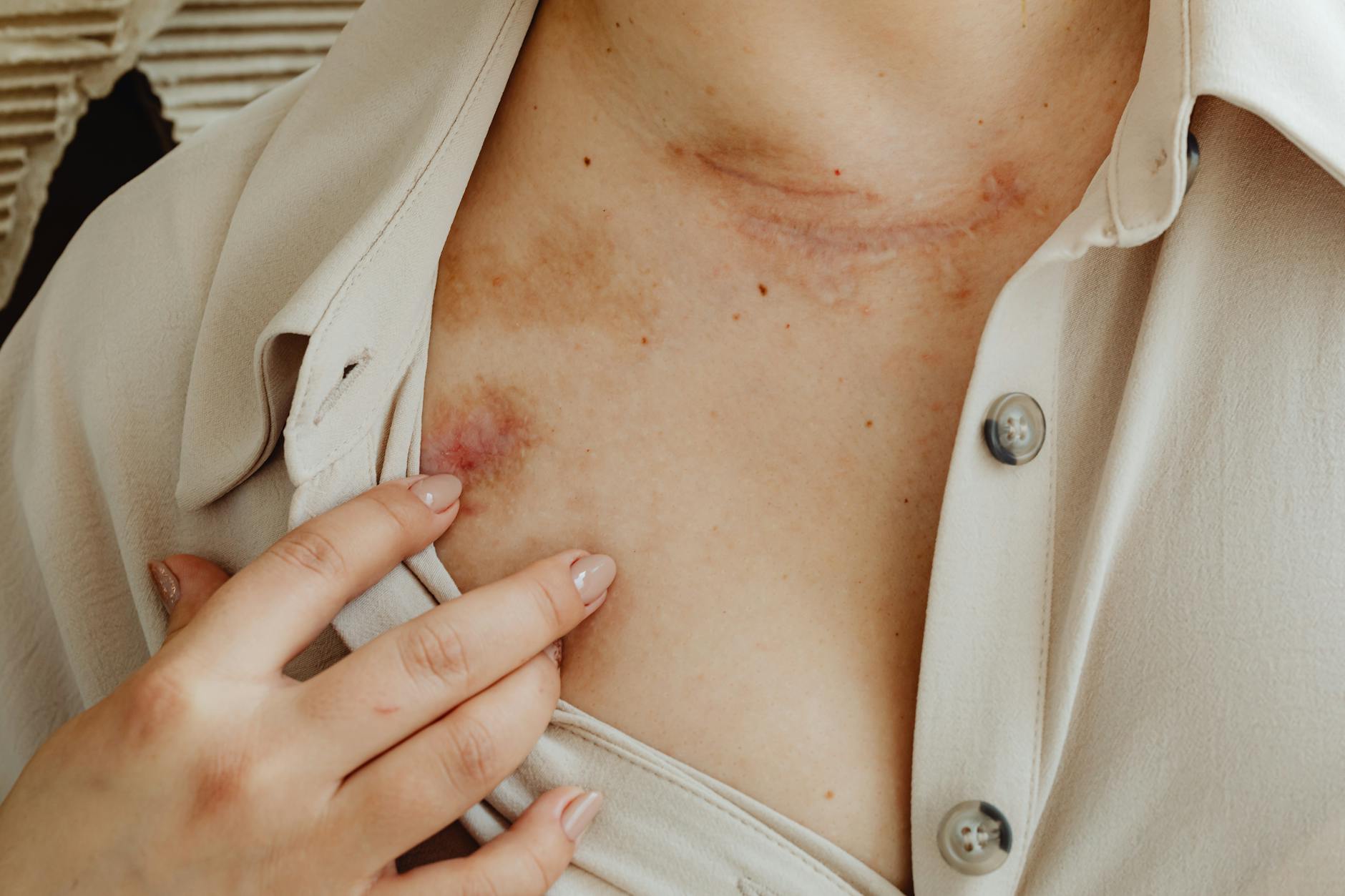
Why Dermatologists Recommend Against Picking and What to Do Instead
Dermatologists consistently advise against picking for a straightforward reason: the short-term gratification of extracting a pimple does not outweigh the long-term cost of potential scarring. Even if picking temporarily reduces the visible pimple, it triggers a healing response that can leave marks lasting months, years, or permanently. The comparison is stark: a pimple that resolves naturally typically takes one to two weeks and leaves no scar; a picked pimple can take weeks to heal and may leave a scar that persists for decades.
Instead, dermatologists recommend targeted, evidence-based treatments: retinoids (which increase cell turnover and reduce acne), benzoyl peroxide or salicylic acid (which reduce bacteria and excess oil), and professional extractions when necessary (performed under sterile conditions by trained clinicians). For active acne lesions, hydrocolloid patches (pimple patches) can protect the lesion from further trauma while drawing out fluid; these provide the psychological benefit of “doing something” without the damage of picking. A 24-year-old with stress-related acne worked with a dermatologist to establish a routine using a low-dose retinoid and a benzoyl peroxide wash, and after two months, her acne improved significantly without picking-related scarring. For those with body-focused repetitive behaviors (BFRB) or habitual skin picking (excoriation disorder), professional mental health support combined with dermatologic care is important, as addressing the underlying behavior is essential for long-term skin health.
The Severe End of the Spectrum: Excoriation Disorder and Aggressive Picking
Some individuals engage in chronic, compulsive skin picking that goes far beyond casual handling of occasional pimples. Excoriation disorder (skin-picking disorder) is a recognized mental health condition characterized by recurrent skin picking that causes noticeable skin lesions and significant distress. People with this condition pick not just at acne but at any perceived imperfection, open sore, or normal skin, often without realizing they’re doing it. The damage from this behavior is severe and can result in deep wounds, extensive scarring, and secondary infections.
For those with compulsive picking habits, the warning is critical: dermatologic treatments alone won’t solve the problem. Cognitive-behavioral therapy (CBT), particularly habit-reversal training, has evidence supporting its effectiveness for excoriation disorder. A 32-year-old with a long history of skin picking reported that topical treatments didn’t help because she continued to pick until her skin bled; only when she combined dermatologic care with CBT was she able to break the cycle and allow her skin to heal. The limitation of any purely medical intervention is that it cannot address the behavioral or psychological drivers of compulsive picking. Additionally, the scarring from severe, chronic picking can be extensive and may require professional treatments like laser resurfacing or dermal fillers to improve appearance.
Bacterial Transmission and Infection Risk from Picking
Beyond scarring, picking increases the risk of bacterial infection. Your fingers carry multiple species of bacteria, and your nails can harbor particularly problematic bacteria like Staphylococcus aureus. When you break the skin by picking, you introduce these bacteria directly into the wound. If the lesion becomes secondarily infected, healing is delayed, inflammation is amplified, and the likelihood of scarring increases further.
Some picked lesions develop pustules or become cellulitic (spreading redness and warmth), requiring antibiotic treatment. An example: a teenager picked at a pimple on her nose, and within a few days, the area became noticeably swollen, warm, and red—signs of a secondary bacterial infection. She required oral antibiotics to clear the infection, and the resulting scar persisted even after the infection healed. This scenario illustrates that picking doesn’t just risk scarring from trauma; it also introduces infection risk that compounds the damage. The takeaway is that the bacteria you’re worried about being pushed deeper by picking are already present in acne lesions, but your role is not to extract them—that’s the domain of professional treatment.
Moving Forward: Professional Acne Treatment and Scar Prevention
The best approach to acne is prevention of both the acne itself and the picking behavior that can scar it. This means establishing a consistent skincare routine with proven acne-fighting ingredients, seeing a dermatologist for prescription treatments if over-the-counter products aren’t sufficient, and actively resisting the urge to pick. For those with existing acne scars from picking, options exist—microneedling, chemical peels, laser treatments, and dermal fillers can all improve scar appearance—but these are typically expensive and time-consuming, and results are imperfect.
The insight here is that an ounce of prevention (not picking) is worth a pound of cure (scar revision treatments). As dermatologic science advances, new treatments for acne (like isotretinoin for severe cases) and scar revision (like radiofrequency microneedling and growth factor therapies) continue to improve. However, none of these are as effective as simply avoiding the trauma of picking in the first place. The future of acne management increasingly emphasizes early, aggressive treatment of acne itself to prevent the need for picking, and for those with habitual picking, integrated mental health and dermatologic care rather than dermatology alone.
Conclusion
The evidence strongly supports what over half of acne patients already believe: picking at acne can push bacteria deeper into the skin and cause permanent scarring. This isn’t an exaggeration or dermatologic mythology—it’s a well-documented consequence of mechanical trauma, bacterial seeding, and the skin’s healing response. The scarring from picking can be challenging to treat and may persist for years or indefinitely, far outlasting the acne itself.
The path forward is clear: avoid picking, use evidence-based acne treatments, and if you struggle with compulsive skin picking, seek professional support that addresses both the skin condition and the underlying behavior. Consult a dermatologist to develop an acne treatment plan tailored to your skin type and acne severity. For those with existing picking-related scars, newer professional treatments can improve their appearance, but prevention remains far more effective than remediation. Your skin’s long-term health depends not on what you can squeeze out of a pimple today, but on resisting that urge and giving proven treatments time to work.
You Might Also Like
- At Least 81% of People Who Pick at Their Skin Are Unaware That Picking at Acne Can Push Bacteria Deeper and Cause Permanent Scarring
- At Least 65% of People With Sensitive Acne-Prone Skin Are Unaware That Picking at Acne Can Push Bacteria Deeper and Cause Permanent Scarring
- At Least 57% of Healthcare Workers With Maskne Don’t Realize That Physical Scrubs on Inflamed Acne Spread Bacteria and Cause Scarring