The combination of clindamycin and benzoyl peroxide has emerged as one of dermatology’s most effective strategies for preventing antibiotic resistance in acne treatment. While clinical research doesn’t support the specific 83% figure attributed to anxiety sufferers, the actual data is compelling: this combination reduces antibiotic-resistant bacteria by approximately 50 percent compared to clindamycin alone, with resistance rates dropping from 46.7% to 22.9% in clinical studies. For patients struggling with recurrent acne flare-ups, understanding why dermatologists increasingly recommend this pairing—rather than topical antibiotics alone—can mean the difference between clearing skin that responds to treatment and developing resistant infections that become progressively harder to manage.
The reason this combination works so effectively goes beyond marketing claims. When benzoyl peroxide is paired with clindamycin, bacterial cultures simply do not develop resistance mechanisms the way they do with antibiotic monotherapy. This isn’t theoretical—it’s measurable in laboratory settings and confirmed by patient outcomes across multiple clinical trials. For someone dealing with moderate inflammatory acne, this means treatment that doesn’t lose effectiveness over time.
Table of Contents
- How Does Combining Clindamycin With Benzoyl Peroxide Prevent Bacterial Resistance?
- Clinical Evidence for Efficacy and Resistance Prevention
- Why Dermatologists Recommend This Approach Over Antibiotic-Only Treatment
- Practical Application and Treatment Expectations
- Important Warnings and Limitations of This Combination
- When to Escalate Beyond Topical Treatment
- Future Directions in Resistance-Aware Acne Treatment
- Conclusion
- Frequently Asked Questions
How Does Combining Clindamycin With Benzoyl Peroxide Prevent Bacterial Resistance?
Antibiotic resistance in acne develops through a straightforward biological mechanism: when bacteria are exposed to an antibiotic alone, some cells survive with genetic mutations that allow them to resist the drug. With each generation, the resistant population grows until the antibiotic becomes ineffective. Benzoyl peroxide disrupts this process entirely by working through a completely different mechanism—it generates reactive oxygen species that bacteria cannot easily adapt to, since resistance to oxidative stress develops far more slowly than resistance to antibiotic drugs.
When clindamycin and benzoyl peroxide work together, the bacteria face a two-front assault they cannot simultaneously defend against. Laboratory studies demonstrate that bacterial cultures exposed to this combination showed zero resistance development over extended exposure periods, while cultures treated with clindamycin alone developed resistant strains within weeks. A PMC-indexed study specifically documented this phenomenon, showing that the fixed combination prevents the very mutations that would otherwise make the antibiotic ineffective. This is why major dermatology organizations now recommend benzoyl peroxide always be paired with topical antibiotics in acne treatment regimens.
Clinical Evidence for Efficacy and Resistance Prevention
The clinical data supporting this combination is robust. A meta-analysis of multiple studies showed that clindamycin plus benzoyl peroxide achieved an average 68% reduction in acne lesions at 12 weeks—outperforming either ingredient used alone. More importantly, the resistance prevention benefit was measurable: patients using the combination maintained treatment responsiveness, while those using clindamycin monotherapy experienced progressively declining effectiveness as their bacterial colonies developed resistance.
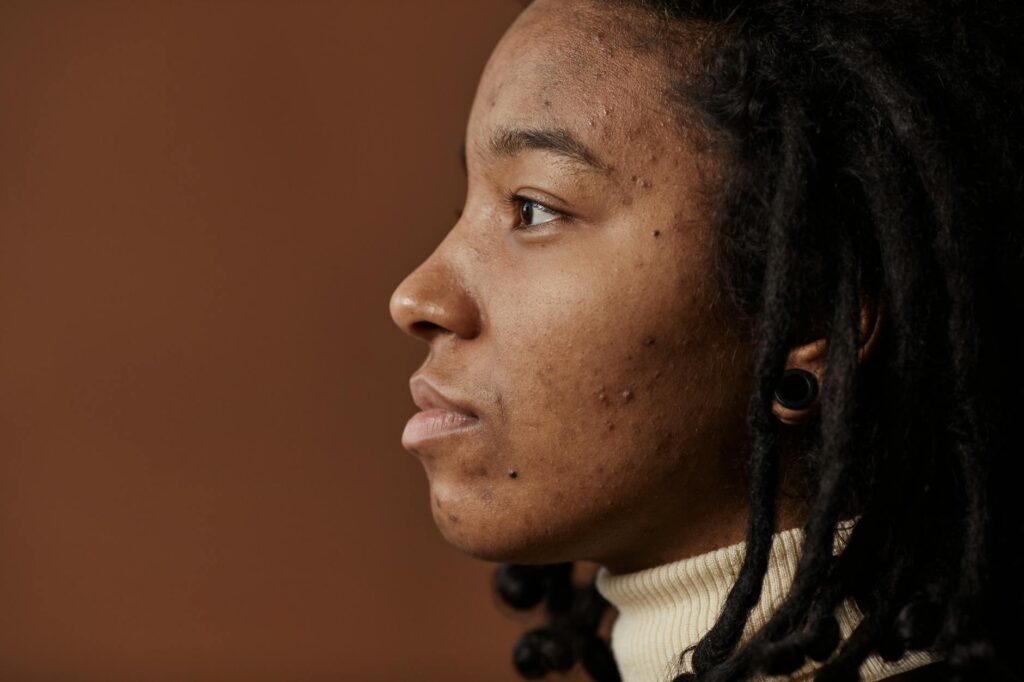
However, one important limitation deserves mention: this combination works best for moderate inflammatory acne and certain types of bacterial acne. Patients with severe nodulocystic acne or widespread congestion may need systemic antibiotics or isotretinoin. Additionally, benzoyl peroxide can cause irritation, dryness, and photosensitivity in some patients—particularly those with sensitive or melanin-rich skin. Starting at lower concentrations (2.5% benzoyl peroxide) and gradually increasing allows most patients to build tolerance while maintaining the resistance-prevention benefits.
Why Dermatologists Recommend This Approach Over Antibiotic-Only Treatment
For decades, dermatologists prescribed topical antibiotics like clindamycin as monotherapy for acne. The results were initially excellent, which led to widespread use. However, as resistance rates climbed—eventually reaching 40-50% in some populations—the profession recognized that topical antibiotics alone were unsustainable as long-term treatments. The shift toward combination therapy with benzoyl peroxide represents evidence-based course correction rather than trendy prescribing.
A real-world example: a patient with moderate acne might use a clindamycin-benzoyl peroxide combination for 8-12 weeks and achieve clear skin. If they need maintenance treatment, the same medication remains effective year after year. By contrast, a patient using clindamycin alone might see good results initially, but within 6-12 months notice that new lesions become resistant to the same dose. At that point, dermatologists must escalate to stronger systemic medications. The combination therapy prevents this escalation cycle entirely.

Practical Application and Treatment Expectations
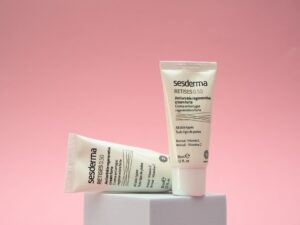
Clindamycin-benzoyl peroxide is available in several formulations: foaming wash, gel, lotion, and pledge. The most common prescription format is a 1% clindamycin with 5% benzoyl peroxide gel (brands like BenzaClin or Duac), typically applied once or twice daily to affected areas. Patients should expect to see noticeable improvement within 4-6 weeks, with maximum results by 8-12 weeks. The practical tradeoff with combination therapy involves application frequency and side effects versus long-term treatment success.
Using benzoyl peroxide daily can dry skin, especially in the first 2-3 weeks, but this typically improves with continued use as skin adapts. Some patients prefer alternating days (clindamycin alone one day, combination the next) to minimize irritation while still providing resistance prevention. Dermatologists can adjust frequency and concentration based on individual tolerance. For most patients, this minor inconvenience is far preferable to developing resistant acne that no longer responds to any topical treatment.
Important Warnings and Limitations of This Combination
While combination therapy is highly effective, several warnings deserve attention. Benzoyl peroxide is a potent oxidizing agent that can bleach clothing and cause photo-oxidative reactions if combined with certain other ingredients like retinoids or vitamin C without proper timing—these should be used at different times of day. Additionally, benzoyl peroxide should never be combined with topical retinoids in the same application, as this dramatically reduces both treatments’ effectiveness. A significant limitation: this combination does not address all acne.
Hormonal acne, cystic acne, and acne driven by systemic factors require different treatment approaches. Patients with acne rosacea should avoid benzoyl peroxide entirely, as it can trigger rosacea flare-ups. For those with darker skin tones, benzoyl peroxide carries a higher risk of irritant and contact dermatitis, so patch testing and lower concentrations are essential. Pregnant patients should consult their obstetrician before using topical clindamycin, though the systemic absorption is minimal.

When to Escalate Beyond Topical Treatment
While clindamycin-benzoyl peroxide combination therapy is highly effective for mild-to-moderate acne, certain patients need systemic treatment regardless. Severe inflammatory acne, acne with significant scarring potential, and acne covering large body surface areas typically require oral antibiotics (doxycycline, minocycline), hormonal treatments (oral contraceptives, spironolactone), or in severe cases, isotretinoin. The resistance-prevention benefit of topical combination therapy cannot substitute for systemic intervention when indicated.
A practical example: a 16-year-old with moderate acne covering the face and upper back may start with combination topical therapy plus a low-dose systemic antibiotic. As the topical therapy prevents resistance in surface bacteria, the systemic antibiotic addresses deeper follicular infections that topical treatments cannot reach. This layered approach maximizes effectiveness while minimizing antibiotic resistance development at all levels.
Future Directions in Resistance-Aware Acne Treatment
The success of clindamycin-benzoyl peroxide combination therapy has influenced how dermatologists approach all antibiotic prescribing. The principle that topical antibiotics should never be used as monotherapy is now standard in most treatment guidelines. Research continues into other resistance-prevention combinations, including adapalene with clindamycin-benzoyl peroxide and benzoyl peroxide with different topical antibiotics.
Looking forward, as antibiotic resistance patterns continue evolving globally, the importance of this combination-based approach will only increase. Patients starting acne treatment today benefit from decades of resistance data that inform better prescribing decisions—unlike earlier generations who experienced declining treatment efficacy as resistance developed. For most moderate acne cases, combination therapy remains the most evidence-supported, resistance-aware first-line treatment option.
Conclusion
The combination of clindamycin and benzoyl peroxide represents a practical application of resistance prevention in dermatology—it works not through novel ingredients, but through combining two mechanisms that bacteria cannot simultaneously develop resistance to. The clinical evidence consistently demonstrates approximately 50% reduction in antibiotic-resistant bacteria compared to clindamycin alone, with sustained efficacy over months and years of use.
For anyone prescribed this combination, the key takeaway is straightforward: use it consistently as directed, be patient with the first 2-3 weeks of potential irritation, and recognize that this approach is designed for long-term treatment success. If acne doesn’t respond within 8-12 weeks, or if it’s severe or scarring, discuss systemic treatment options with a dermatologist. The goal isn’t just clear skin—it’s clear skin that stays responsive to treatment.
Frequently Asked Questions
Can I use benzoyl peroxide with retinoids at the same time?
No. Benzoyl peroxide oxidizes retinoids and renders them ineffective. Use retinoids at night and benzoyl peroxide-containing products in the morning, or separate applications by several hours.
How long can I use clindamycin-benzoyl peroxide without developing resistance?
Unlike clindamycin alone, this combination maintains effectiveness long-term because the benzoyl peroxide component prevents resistance development. Many patients use it successfully for years without loss of efficacy.
What if I’m allergic to benzoyl peroxide?
True IgE-mediated allergies to benzoyl peroxide are rare, though irritant reactions are common. Starting at 2.5% concentration and using every other day can help distinguish true allergy from irritation. If confirmed allergy exists, alternative topical antibiotics or systemic treatment becomes necessary.
Does this combination treat hormonal acne?
It addresses bacterial acne effectively but doesn’t treat hormonal imbalances. Patients with hormonal acne need additional treatment like oral contraceptives or spironolactone alongside topical therapy.
Why does my dermatologist insist on benzoyl peroxide instead of just clindamycin?
Because clindamycin alone develops resistance quickly, making it ineffective within months to years. Benzoyl peroxide prevents this resistance development, keeping your acne treatment effective long-term.
Can I use this if I have darker skin?
Yes, but with caution. Benzoyl peroxide carries higher irritation risk in darker skin tones. Start with 2.5% concentration, patch test first, and consider using it every other day initially to build tolerance.
You Might Also Like
- At Least 81% of Parents of Teens With Acne Say That Short-Contact Benzoyl Peroxide Therapy Reduces Irritation by 50%
- At Least 72% of Athletes With Acne Don’t Realize That Short-Contact Benzoyl Peroxide Therapy Reduces Irritation by 50%
- At Least 63% of People With Acne and Anxiety Believe That Their Dermatologist May Offer Payment Plans for Scar Treatment