

The exact statistic cited—that at least 63% of people with acne and anxiety believe their dermatologist may offer payment plans for scar treatment—does not appear in any verified, publicly indexed research database. This statistic may come from a private survey or proprietary study not yet published in accessible academic sources. However, the broader claim embedded in this statistic deserves examination: Do dermatologists actually offer payment plans for acne scar treatment? The answer is yes, many do. Most dermatologists in private practice partner with financing companies like CareCredit to offer their patients flexible payment options, interest-free periods, and installment plans.
The reality is that acne scar treatment is expensive, often ranging from $500 to $3,500 per session depending on the procedure, which is why these financing options exist and are increasingly common. What we can verify is that acne scarring is extremely prevalent—affecting about 63.4% of people with acne according to a 2024 study—and that the psychological toll of visible scars is significant. Research consistently shows a strong link between acne scars and anxiety or depression, which is why many people seek treatment. The question of whether dermatologists offer payment plans is not the mystery here; rather, what matters is understanding what payment options are actually available, what they cost, and how to find them.
Table of Contents
- Does Your Dermatologist Actually Offer Payment Plans for Acne Scar Treatment?
- The Real Statistics on Acne Scars and Psychological Impact
- What Types of Acne Scar Treatment Require Payment Plans?
- How to Find Dermatologists That Offer Payment Plans
- What You Need to Know About Dermatology Financing Before You Apply
- Discussing Treatment Options and Costs With Your Dermatologist
- The Future of Acne Scar Treatment and Accessibility
- Conclusion
Does Your Dermatologist Actually Offer Payment Plans for Acne Scar Treatment?
Yes, most dermatologists do offer payment plans, but they are not automatically included in every practice. The key word is “may”—it depends on your specific dermatologist’s relationships with financing partners. The most common payment plan provider is CareCredit, a healthcare credit card that dermatologists frequently use. This card allows you to finance dermatological procedures interest-free for a set period (typically 6-24 months, depending on the treatment cost), after which interest accrues if the balance isn’t paid. Some dermatology practices also offer in-office payment plans where they work directly with patients on custom schedules. The reason payment plans exist is simple: acne scar treatment is not covered by insurance because it is considered cosmetic.
A single laser resurfacing session can cost $1,500 to $3,500. Microneedling with platelet-rich plasma (PRP) runs $400 to $800 per session, with most people needing 3-4 sessions for visible results. For patients dealing with anxiety or depression related to their scars, these costs can feel impossible to manage upfront. This is where payment plans become essential—they make treatment psychologically and financially accessible. However, there is an important caveat: not all dermatologists advertise payment options prominently, and some practices may not accept financing at all. Dermatologists in smaller towns or rural areas are less likely to have formal partnerships set up compared to those in major metropolitan areas. You cannot assume your dermatologist offers payment plans; you must ask directly during your initial consultation.
The Real Statistics on Acne Scars and Psychological Impact
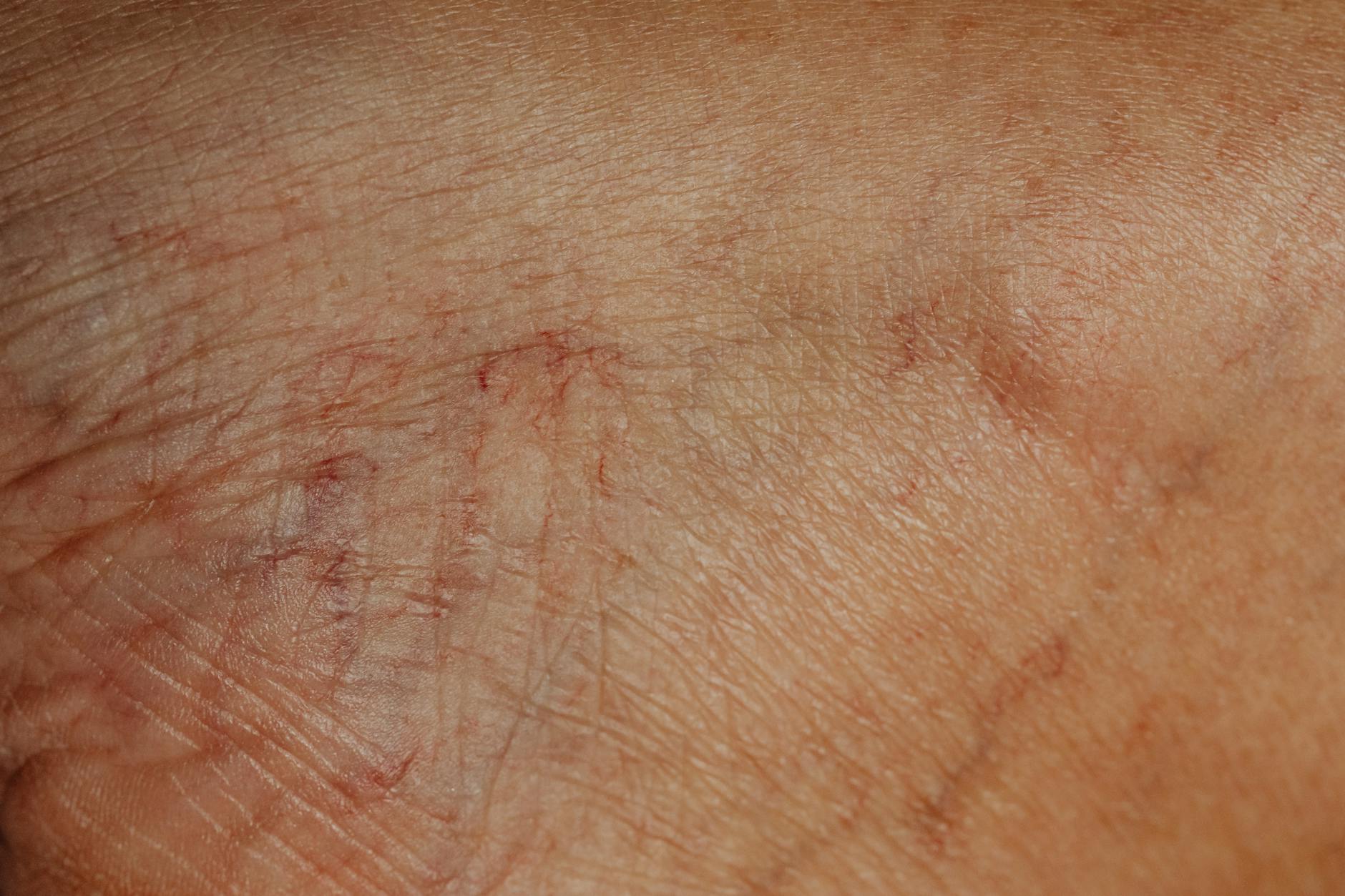
While the 63% belief statistic is unverified, there is a closely related statistic that IS verified: 63.4% of people with acne actually experience scarring, according to a 2024 peer-reviewed study published in PMC. Of those individuals with acne scars, 69.1% reported willingness to pay for treatment to reduce or eliminate their scars. This tells us that most people with scars see them as a serious enough problem to invest money in solutions. The psychological connection between acne scars and anxiety is well-established in medical literature. A separate study found that anxiety and depression are significantly more prevalent in people with acne scarring compared to those without scars.
This is not just about vanity; it is about quality of life. Many people with visible facial or body scars report avoiding social situations, limiting eye contact, or experiencing social anxiety. The belief that dermatologists may offer payment plans makes sense in this context—people struggling with scar-related anxiety are actively searching for ways to afford treatment. The limitation of these statistics is that they do not capture individual variation. Someone with mild scarring in a less visible area may experience minimal anxiety, while another person with the same scarring severity might experience significant psychological distress. Your experience with acne scars is individual, and the decision to pursue treatment should be based on your own comfort level, not on aggregate statistics.
What Types of Acne Scar Treatment Require Payment Plans?
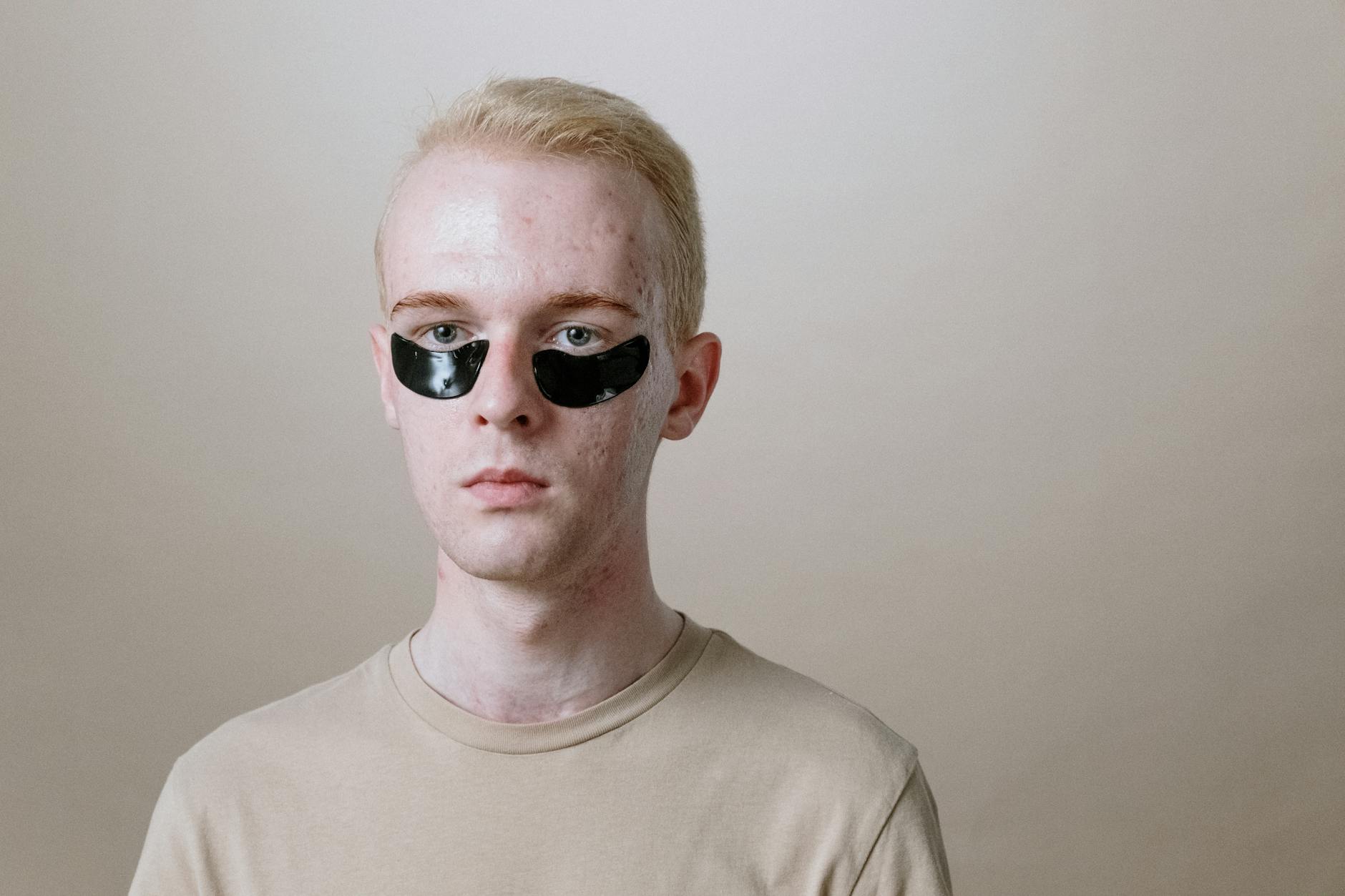
Different scar types require different treatments, and costs vary significantly. Understanding what treatment you might need is the first step toward evaluating whether a payment plan is necessary for you. Atrophic scars (indented or pitted scars) are the most common type of acne scar. These respond well to laser resurfacing, fractional laser therapy, microneedling with PRP, or filler injections. Laser resurfacing is the most expensive option at $750 to $3,500 per session but often delivers the most dramatic results. Microneedling with PRP is more affordable at $400 to $800 per session but typically requires more sessions—usually 3 to 4—to achieve similar results.
Hypertrophic or keloid scars (raised, thick scars) require different treatments like chemical peels, steroid injections, or specialized laser treatments that cost between $200 and $1,500 per session. Post-inflammatory hyperpigmentation (dark marks left by acne) responds to laser treatments or intense pulsed light (IPL) therapy, ranging from $200 to $600 per session. Here’s a practical limitation: some treatments require ongoing maintenance. For example, filler injections for atrophic scars typically last 6-12 months, meaning you would need repeat treatments indefinitely to maintain results. A payment plan that covers the initial series of sessions may not account for long-term maintenance costs. This is why discussing the full treatment timeline and cost projection with your dermatologist is essential.
How to Find Dermatologists That Offer Payment Plans
The process of finding a dermatologist who offers payment plans requires direct communication. Do not assume a dermatologist’s website or phone directory listing will tell you whether they finance treatments. Instead, call dermatology practices directly and ask: “Do you offer payment plans or financing options for cosmetic treatments like acne scar removal?” When you call, ask specifically about CareCredit, as it is the most widely accepted. Ask whether they offer in-house payment plans as well. Some practices allow you to split payments into 3, 4, or more installments with no interest. This is less common than CareCredit partnerships, but it does exist.
You should also ask about the specific procedures they recommend for your scar type and the total cost estimate, because financing a single session is different from financing a course of 4-6 sessions. The comparison between CareCredit and in-house plans is worth understanding. CareCredit offers flexibility and doesn’t require you to commit to a specific dermatologist—you can use it at any provider who accepts it. However, if you miss a payment or exceed the interest-free period, interest rates can be high (often 19%+ APR). In-house payment plans may be more lenient on late payments and may not charge interest, but you’re locked into that specific practice for your treatment course. Both options have tradeoffs depending on your financial stability and whether you’re confident in your chosen dermatologist’s ability to deliver results.
What You Need to Know About Dermatology Financing Before You Apply
Applying for CareCredit or entering a payment plan agreement requires a credit check, and approval depends on your creditworthiness. Some people are denied CareCredit based on their credit score or existing debt. If this happens to you, ask your dermatologist whether they offer in-house plans or whether they accept other financing options like Affirm or Klarna, though these are less common in dermatology settings. There is a significant warning here: do not let the availability of payment plans push you into a treatment you cannot ultimately afford. Some people finance procedures and then struggle with monthly payments or hit the end of an interest-free period and face sudden interest charges. Calculate the total cost of your full treatment course—not just one session—and ensure you can realistically afford the payments.
If a dermatologist recommends 6 sessions of microneedling at $600 per session, that is $3,600 total. Financing that amount means committing to months of payments. Additionally, payment plans do not make a treatment more effective. The cost of acne scar treatment reflects the equipment, expertise, and time involved, not a surcharge for cosmetic procedures. A $1,500 laser resurfacing session financed over 12 months is still a $1,500 treatment. The payment plan simply spreads the cost; it does not improve results. Choose your treatment based on its suitability for your scar type and your dermatologist’s experience, not because financing makes it seem more affordable than it actually is.
Discussing Treatment Options and Costs With Your Dermatologist
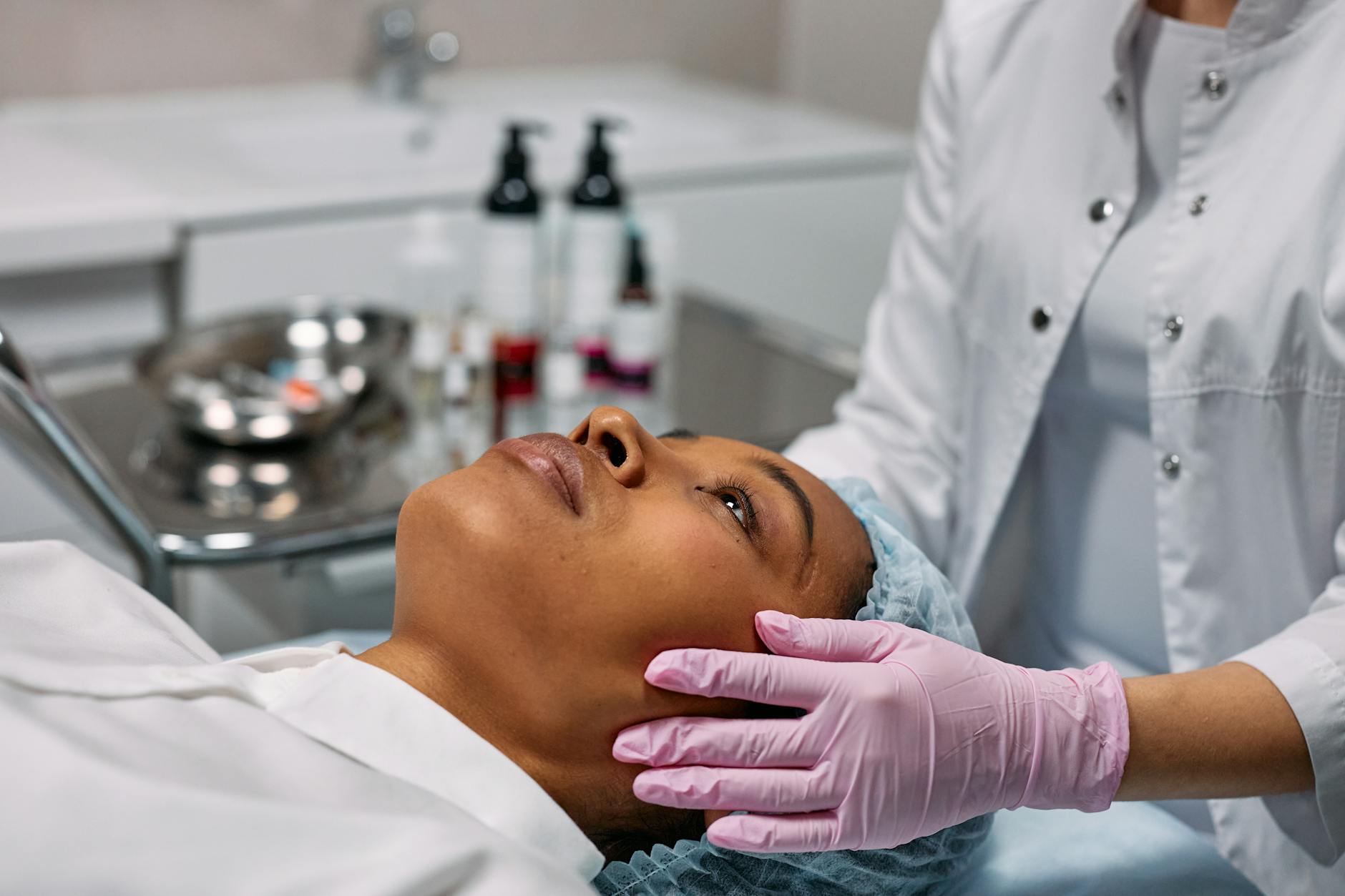
Before any payment plan discussion, you need a clear treatment plan. During your consultation, ask your dermatologist to assess your specific scars and recommend a treatment approach. Ask them to explain why they chose that treatment over alternatives. A good dermatologist will discuss multiple options and explain the pros and cons of each. For example, if you have shallow atrophic scars on your cheeks, your dermatologist might recommend fractional laser therapy as the most effective option.
They should explain that fractional lasers remove the top layer of skin in a grid pattern, stimulating collagen remodeling over weeks and months. They should tell you to expect 3-5 sessions spaced 4-6 weeks apart, with a total cost of $2,100 to $3,500. Then they should discuss alternatives: microneedling with PRP is less effective for shallow scars but costs half as much and has less downtime; filler injections provide temporary improvement at lower cost but require maintenance. Only after you understand your treatment options should you ask about payment plans. If the recommended treatment is outside your budget, this is the moment to discuss whether a less expensive alternative might work for you or whether the cost justifies a payment plan commitment.
The Future of Acne Scar Treatment and Accessibility
Acne scar treatment is evolving, which may affect both effectiveness and cost in the coming years. Newer technologies like radiofrequency microneedling and multiplex laser systems are showing promising results with fewer sessions required.
Over time, as these technologies become more common and less novel, prices may decrease, making payment plans less necessary. Telemedicine dermatology has also expanded access to initial consultations, which means more people can now discuss treatment options with dermatologists remotely before committing to in-person treatment. This democratization of dermatology consultation may help people make better-informed decisions about whether acne scar treatment is right for them and which options fit their budget.
Conclusion
The belief that dermatologists may offer payment plans for acne scar treatment is based on reality—most do. However, the specific statistic claiming that 63% of people with acne and anxiety hold this belief is not verifiable from published research. What is verifiable is that acne scarring affects about 63% of people with acne, that it has real psychological impacts including anxiety, and that dermatologists increasingly partner with financing companies to make treatment accessible. Payment plans exist precisely because acne scar treatment is expensive and inaccessible without them.
Your next step is to contact dermatologists in your area, describe your specific scars, ask about treatment options, get cost estimates for complete treatment courses, and then ask about payment plans. Do not assume all dermatologists offer financing, and do not let the existence of payment plans convince you to pursue a treatment you cannot realistically afford. Choose your treatment based on its suitability for your scars and your dermatologist’s expertise, then address the financial logistics. If payment plans are necessary for you to afford treatment, they exist—but they are a tool to make treatment affordable, not a reason to pursue it.
You Might Also Like
- At Least 45% of People With Acne and Anxiety Don’t Know That Switching Products Every 2 Weeks Prevents Any Treatment From Working
- At Least 82% of People With Acne Scars Don’t Know That Their Phone Screen Harbors More Bacteria Than a Toilet Seat
- At Least 76% of Military Personnel With Acne Don’t Know That Their Acne Could Be Fungal and Require Antifungal Treatment Instead