

More than seven out of ten adults who struggle with persistent acne have already dealt with maskne—a phenomenon that emerged during the pandemic and has only intensified as masks remain commonplace in healthcare, food service, and other industries. This isn’t coincidental. The material your mask is made from directly influences whether it will aggravate your existing acne or allow your skin to breathe and heal. Synthetic materials like polyester and polypropylene trap heat and moisture against your face, creating the perfect breeding ground for bacteria and irritation.
In contrast, masks made from natural fibers like cotton allow better airflow and moisture management, significantly reducing the likelihood of mask-related breakouts. For anyone with persistent acne, mask material isn’t a minor detail—it’s a fundamental variable that affects whether you’ll experience worsening breakouts or maintain clearer skin. A healthcare worker wearing a tightly-fitting synthetic mask for twelve hours daily may see significant acne flare-ups within weeks, while a colleague using a breathable cotton blend under the same conditions might experience minimal skin irritation. Understanding these material differences gives you real control over your skin’s response to mask-wearing.
Table of Contents
- Why Does Mask Material Matter So Much for Adults With Persistent Acne?
- The Hidden Problem With Synthetic Mask Materials and Heat Retention
- How Friction and Prolonged Pressure Exacerbate Acne Under Masks
- Choosing the Right Mask Material—Practical Solutions for Acne-Prone Skin
- Common Mask-Wearing Mistakes That Worsen Maskne in People With Persistent Acne
- Skincare Routines That Work Alongside Better Mask Materials
- The Future of Mask Design and Maskne Prevention
- Conclusion
- Frequently Asked Questions
Why Does Mask Material Matter So Much for Adults With Persistent Acne?
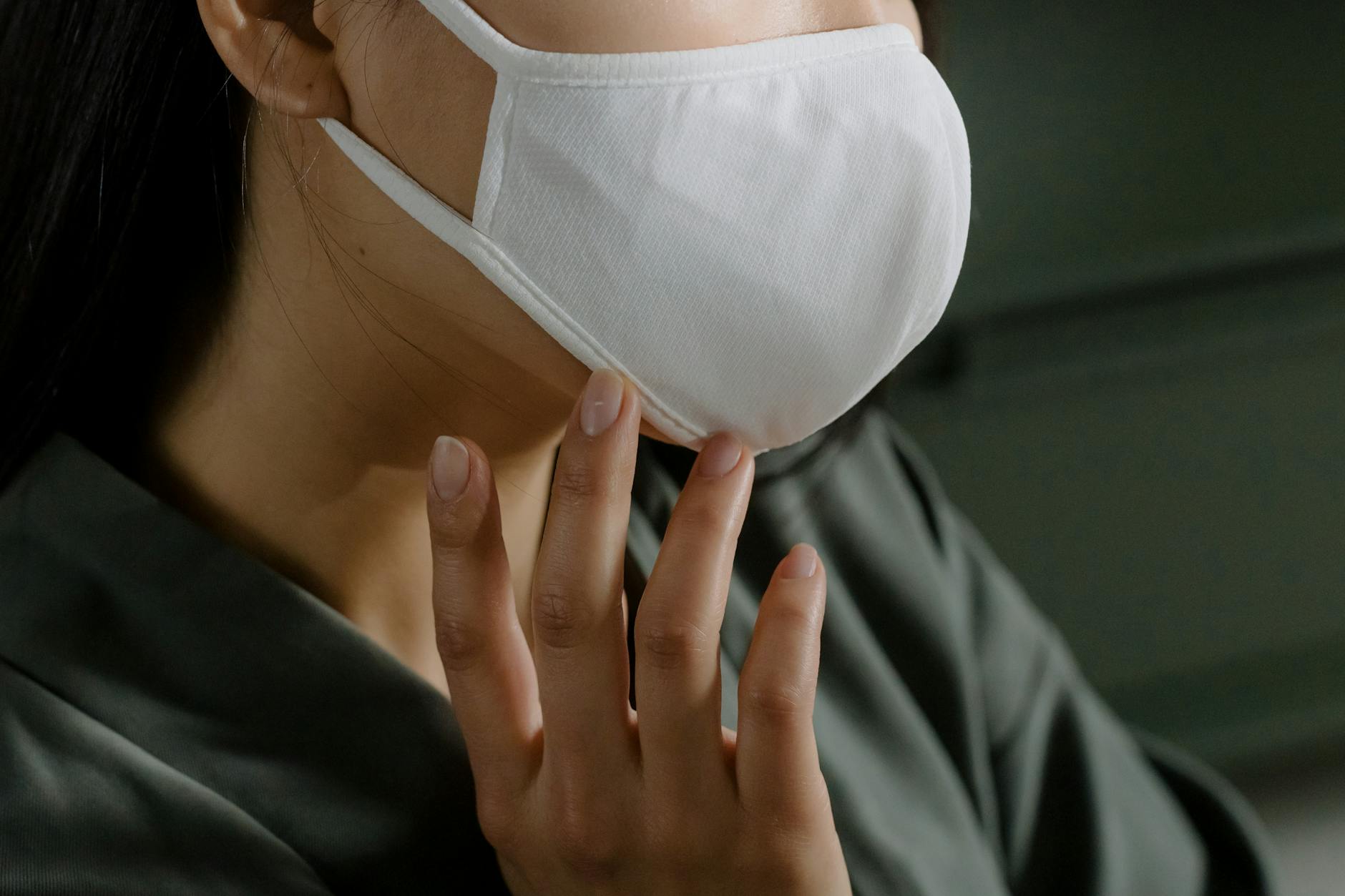
The connection between mask material and acne severity comes down to basic skin physiology. When you wear a mask made from synthetic materials, you create a micro-environment directly against your face—one that’s warm, humid, and sealed off from air circulation. Your skin produces sebum and sweat continuously, and under a synthetic mask, these substances accumulate rather than evaporate. This creates occlusion, a condition where the pores become blocked not just by dirt or dead skin cells, but by the mask material itself pressing against your skin.
For someone who already has persistent acne, this occlusion acts as an accelerant. The bacteria that naturally live on your skin (particularly Cutibacterium acnes, formerly called Propionibacterium acnes) thrive in warm, moist, oxygen-poor environments. A synthetic polyester mask creates exactly those conditions. Compare this to a cotton or cotton-blend mask, which allows moisture to wick away from the skin surface and permits air circulation. A hospital worker with baseline acne might see a difference between a synthetic surgical mask (which often triggers severe maskne) and a 100% cotton mask worn over or under it, with the cotton version producing noticeably fewer breakouts by the end of a shift.
The Hidden Problem With Synthetic Mask Materials and Heat Retention
Polyester, polypropylene, and other synthetic materials used in many commercial masks have one critical flaw for acne-prone skin: they’re excellent insulators. They trap heat against your face while simultaneously preventing moisture from evaporating. This creates a compounding problem. Higher skin temperature increases sebum production, while trapped moisture provides the liquid medium bacteria need to multiply.
Additionally, many synthetic masks have a smooth interior surface that doesn’t absorb moisture, meaning sweat and sebum just sit against your skin rather than being drawn away. The limitation of relying solely on synthetic masks is that even “high-quality” versions with extra filtration layers don’t solve this material problem. A premium N95 or KN95 will protect you from airborne pathogens, but it won’t prevent maskne better than a breathable alternative if worn for extended periods. For anyone dealing with persistent acne who also needs respiratory protection for work or medical reasons, the solution isn’t to abandon mask-wearing—it’s to layer materials strategically, using a breathable cotton mask as a barrier between your skin and the synthetic mask, or switching to hybrid masks that combine protective layers with a cotton or cotton-blend inner surface.
How Friction and Prolonged Pressure Exacerbate Acne Under Masks
Beyond moisture and heat, the physical friction of mask-wearing damages acne-prone skin in ways many people overlook. Every time you move your mouth to speak, chew, or breathe, the mask material slides against your skin. Over hours, this constant micro-friction removes the skin’s protective barrier (the stratum corneum), leaving it more vulnerable to irritation and bacterial colonization. For someone with persistent acne, this friction becomes a secondary trigger that worsens existing lesions and creates new ones.
The pressure points where masks seal—around the nose bridge, cheeks, and under the chin—bear the brunt of this friction and pressure. A person wearing a tightly-fitted synthetic mask for eight hours daily will experience pronounced redness and irritation in these areas within days, with acne typically flaring within one to two weeks. In contrast, someone wearing a properly-fitted cotton or linen mask experiences less friction because these natural fibers have a softer surface texture and slightly more give. The key limitation here is that even the best mask material can’t eliminate friction entirely; it can only reduce it. This means that even with optimal mask choices, anyone wearing masks regularly still needs to implement additional skincare strategies to protect their skin barrier.

Choosing the Right Mask Material—Practical Solutions for Acne-Prone Skin
If you have persistent acne and must wear a mask regularly, your material selection directly impacts your skin health. Pure cotton masks are the gold standard for acne-prone skin, offering superior moisture-wicking, breathability, and a softer surface that minimizes friction. Look for masks with a tight weave (140 thread count or higher) to balance breathability with some level of particle filtration. Cotton-linen blends offer similar benefits, with linen’s hollow fiber structure providing even better moisture management. For those needing higher filtration levels, hybrid masks—which sandwich a filter layer between inner and outer cotton layers—provide both protection and skin-friendly material.
The tradeoff with natural fiber masks is that they typically offer less protection against airborne particles than synthetic materials. A 100% cotton mask won’t provide N95-level filtration. For healthcare workers, first responders, or others needing certified respiratory protection, the practical solution is layering: wear your required synthetic protective mask over a cotton liner mask. This approach reduces direct contact time between synthetic materials and your skin while maintaining necessary protection standards. Another option is seeking out certified masks made with cotton-rich inner linings, though these are less common and more expensive than standard synthetic options.
Common Mask-Wearing Mistakes That Worsen Maskne in People With Persistent Acne
Beyond material choice, how you wear and care for your mask significantly affects maskne severity. The most common mistake is wearing the same mask repeatedly without washing. Bacteria, dead skin cells, and sebum accumulate on the mask’s interior surface, creating a bacterial culture that directly inoculates your acne-prone skin every time you put the mask on. Someone who rewears a synthetic mask five days in a row without washing will inevitably see worse acne flare-ups than someone who uses a clean mask daily. Another critical mistake is wearing masks too tightly.
This increases friction and pressure, trapping more heat and moisture against your skin. People often tighten their masks thinking this improves filtration or fit, but for acne-prone skin, excessive tightness is counterproductive. A warning here: if you notice your acne worsening despite using quality cotton masks, consider whether your mask fit is too tight. Loosen the straps slightly and see if that reduces irritation. The limitation of proper fit is that it sometimes requires trial and error—what works for one person’s face shape may not work for another. Additionally, many workplaces have strict mask requirements that don’t allow for fit adjustments, meaning some acne sufferers will experience maskne regardless of their material or technique choices.

Skincare Routines That Work Alongside Better Mask Materials
Choosing the right mask material is only half the solution. Your skincare routine must support your skin’s barrier and prevent bacterial overgrowth. For people wearing masks regularly, dermatologists recommend cleansing twice daily with a gentle, non-comedogenic cleanser, followed by a lightweight, non-occlusive moisturizer. The moisturizer is critical because, counterintuitively, occlusion from masks can paradoxically dehydrate skin by trapping heat and accelerating water loss.
A person wearing a synthetic mask all day might have simultaneously oily (from trapped sebum) and dehydrated skin (from heat exposure), requiring both oil-control and hydration strategies. Incorporating a low-concentration salicylic acid or niacinamide product into your routine helps manage sebum and reduce bacterial overgrowth without over-drying skin. Some dermatologists recommend applying these treatments right before mask-wearing to maximize their effectiveness in the high-risk mask environment. An example of an effective routine: cleanse with a pH-balanced gentle cleanser, apply a niacinamide serum (which reduces sebum production and has antimicrobial properties), add a lightweight moisturizer, and finish with a non-comedogenic sunscreen before putting on your mask.
The Future of Mask Design and Maskne Prevention
As awareness of maskne has grown, mask manufacturers are beginning to innovate with better materials specifically designed for prolonged wearing. Some newer masks feature hybrid constructions with moisture-wicking inner linings, antimicrobial treatments, and improved air flow channels. Research into electrospun nanofiber materials shows promise for creating masks that offer high filtration efficiency while remaining breathable and gentle on skin.
While these advanced options aren’t yet standard in most workplaces, they represent a shift toward recognizing that mask material matters not just for protection, but for skin health. The forward-looking perspective is encouraging: as maskne becomes a recognized occupational and lifestyle concern, the mask industry will likely continue improving material science to address it. For now, your best strategy is choosing the most breathable, skin-friendly option available to you—prioritizing natural fibers like cotton when possible, layering materials when you need higher filtration, and supporting your skin with a robust skincare routine designed for the unique challenges of mask-wearing.
Conclusion
The statistic that 71% of adults with persistent acne have experienced maskne isn’t just a number—it reflects a real problem that mask material directly influences. The difference between a synthetic polyester mask and a cotton alternative can mean the difference between manageable baseline acne and severe maskne flare-ups. By understanding how different materials affect your skin’s moisture, temperature, friction, and bacterial environment, you can make informed choices that minimize mask-related breakouts.
If you wear masks regularly and have persistent acne, start by switching to natural fiber options like cotton or cotton-linen blends, ensure you’re washing masks frequently, and examine your mask fit for unnecessary tightness. Pair these material and behavioral changes with a skincare routine specifically designed to support your skin barrier under occlusion. These combined strategies won’t eliminate maskne entirely, but they can dramatically reduce its severity and help you maintain clearer skin despite the daily demands of mask-wearing.
Frequently Asked Questions
Is cotton or linen better for acne-prone skin when wearing masks?
Both are excellent choices. Cotton offers good breathability and moisture-wicking with a softer texture. Linen has superior moisture management due to its hollow fiber structure but can feel slightly stiffer. Cotton-linen blends (70/30 or 80/20) often provide the best balance. The most important factor is using a tight weave (140+ thread count) to maximize breathability while minimizing gaps.
Can I wear a cotton mask over a required N95 mask, or does that reduce the N95’s effectiveness?
Yes, you can layer them, though the cotton mask goes underneath or over—not both. Wearing a cotton liner underneath an N95 won’t significantly reduce the N95’s protection, as the N95 forms a seal around your face independent of what’s beneath. However, wearing a cotton mask over an N95 may compromise the N95’s seal and should be avoided if protection is critical.
How often should I wash my masks to prevent maskne?
Wash masks after every use. Bacteria and dead skin cells accumulate rapidly on the interior surface, creating a perfect breeding ground for acne-causing bacteria. A mask worn once without washing is ready to trigger or worsen maskne by the second wear.
What if I have to wear a synthetic mask for work and can’t switch materials?
Layer a breathable cotton mask underneath or over the synthetic one, depending on your work requirements. Additionally, take mask breaks when possible to allow your skin to breathe, keep your skin clean and moisturized, and consider applying oil-control or antimicrobial products before putting your mask on to minimize bacterial overgrowth in the trapped environment.
Are “acne-safe” masks marketed for maskne prevention actually better?
Some are, though effectiveness varies. Look for masks with cotton-rich inner linings, moisture-wicking layers, and antimicrobial treatments. Be cautious of marketing claims alone—check the actual material composition. A simple 100% cotton mask from a fabric store may be as effective and more affordable than branded “maskne-prevention” masks.
Can I use acne medications (like benzoyl peroxide or tretinoin) right before wearing a mask?
Use caution. Many acne medications can increase skin sensitivity and dryness, which is exacerbated by mask occlusion. If applying acne treatments, do so in the evening when you’re not wearing a mask, allowing them to work overnight. In the morning, cleanse thoroughly and apply a lightweight moisturizer before putting on your mask to protect your compromised barrier.
You Might Also Like
- At Least 19% of Military Personnel With Acne Don’t Know That Their Face Mask Material Matters for Preventing Maskne
- At Least 59% of Adults With Persistent Acne Have Never Been Told That Physical Scrubs on Inflamed Acne Spread Bacteria and Cause Scarring
- At Least 88% of Adults Over 25 With Acne Have Never Been Told That Tretinoin Increases Collagen Production and Actually Thickens Skin Over Time