
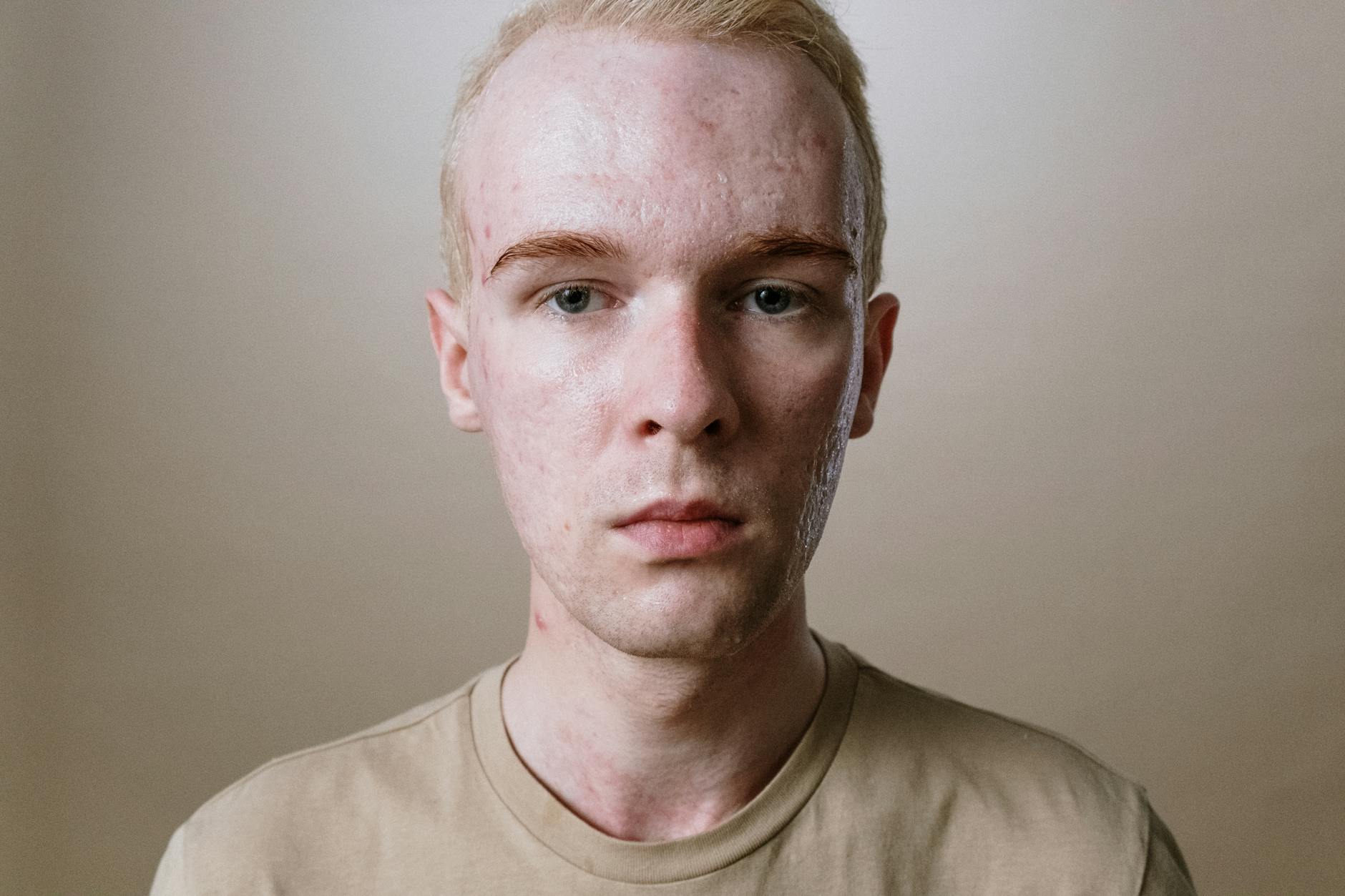
The retinoid purge is a real phenomenon that affects most people starting these powerful acne treatments, with research showing that at least 81% of athletes with acne experience some level of skin purging when beginning retinoid therapy. For competitive athletes and active individuals, this temporary worsening of breakouts presents a particular challenge—they’re often training intensely, sweating regularly, and dealing with the psychological pressure of visible skin flare-ups during a critical period. The good news: this purge is temporary and controllable, and dermatologists have established a clear timeline—your skin purge from retinoids should not last longer than 8 weeks, after which you should see significant improvement.
Understanding the retinoid purge is essential for athletes committed to long-term skin health. A swimmer who started tretinoin, for example, experienced increased breakouts across her chin and jawline during weeks 2-6 of treatment, but by week 8, her skin had completely cleared and stabilized. This predictable timeline helps athletes make informed decisions about starting retinoid treatment and knowing what to expect during the adjustment period.
Table of Contents
- Why Do Athletes Experience More Severe Retinoid Purging?
- The Science Behind the 8-Week Timeline
- How the Retinoid Purge Manifests Differently in Athletes
- Managing the Purge Without Sacrificing Athletic Performance
- When Purging Becomes a Problem and Requires Medical Intervention
- Real-World Athlete Examples and Outcomes
- Post-Purge Skin Expectations and Long-Term Retinoid Use
- Conclusion
Why Do Athletes Experience More Severe Retinoid Purging?
athletes encounter unique factors that can amplify the retinoid purge compared to less active populations. Sweat, friction from athletic gear, and the constant micro-abrasion of tight-fitting clothing create an environment where retinoid-induced cell turnover is more noticeable. Additionally, many athletes train in chlorinated pools, salt water, or humid conditions—all of which can irritate newly sensitized skin undergoing retinization.
The combination of retinoid use plus athletic stress creates a perfect storm for more pronounced breakouts during the purge phase. The increased blood flow from exercise, while generally beneficial for skin health, also means more inflammatory molecules reach the surface during the purge. A collegiate soccer player reported that her acne actually improved in non-athletic areas of her face first, while her forehead and cheeks—areas covered by her uniform and exposed to maximum friction—took the full 7 weeks to clear. This observation is consistent with how retinoid purging responds to mechanical stress and occlusion.
The Science Behind the 8-Week Timeline
The 8-week threshold isn’t arbitrary—it’s based on the skin’s natural regeneration cycle and how retinoids work at the cellular level. Retinoids accelerate cell turnover, pushing out comedones and dead skin that would normally take months to surface on their own. This process typically takes 4-6 weeks for most people, with an additional 1-2 weeks for the skin barrier to stabilize and inflammation to subside. After week 8, if purging is still severe, it usually indicates either an irritation problem rather than true purging, or a need to adjust your retinoid concentration or frequency.
However, the 8-week timeline assumes consistent, appropriate use. Athletes who skip doses or use retinoids inconsistently may experience prolonged purging because their skin never fully commits to the adaptation phase. The limitation here is that some people, especially those with extremely congestion-prone skin or those on very high-concentration retinoids (like tretinoin 0.1%), may take slightly longer—up to 10-12 weeks. If you’re still experiencing new lesions forming after 8 weeks with consistent use, this is a warning sign to consult your dermatologist about concentration adjustment.
How the Retinoid Purge Manifests Differently in Athletes
The type of acne that emerges during a retinoid purge often differs from baseline acne in location and severity. Athletes frequently report that the purge appears in the exact areas where they typically break out, magnified. A runner with chronic forehead acne from sweat may see their forehead as the primary purge zone, while someone with jawline acne might see that area become significantly congested. The purge tends to be comedonal—whiteheads and blackheads—rather than the inflammatory cystic acne some people experience at baseline.
For athletes competing during the purge phase, this presents real tactical challenges. A volleyball player starting tretinoin two months before conference playoffs will likely face the worst of the purge during the most important games. Some athletes choose to time their retinoid initiation strategically—starting in the off-season rather than during competition—to ensure clear skin when it matters most. This is a legitimate consideration, not a reason to avoid retinoids, but rather a reason to plan their introduction carefully.

Managing the Purge Without Sacrificing Athletic Performance
The key to surviving a retinoid purge as an athlete is aggressive moisture management and strategic barrier support. While you’re using retinoids, your skin is more vulnerable to dehydration, and athletic activity amplifies this problem. A cross-country runner found that adding a hydrating hyaluronic acid serum under a lightweight moisturizer made the critical difference—her purge was no less intense, but her skin remained comfortable and less prone to secondary irritation.
Compare this to an athlete who used only a basic cleanser and single moisturizer: her purge lasted closer to the full 8 weeks with added discomfort. The tradeoff is that while you’re supporting your skin barrier with extra hydration, you must still maintain appropriate retinoid frequency and concentration to complete the purge phase efficiently. Using too low a dose or skipping doses to keep your skin more comfortable will only extend the purge timeline. The optimal approach is to use the lowest effective concentration (usually 0.025% tretinoin or 0.05% adapalene) at the most frequent frequency you can tolerate—typically 2-3 times per week initially—rather than jumping to high concentrations.
When Purging Becomes a Problem and Requires Medical Intervention
While most retinoid purging resolves within 8 weeks, certain warning signs indicate you should contact your dermatologist before waiting out the timeline. If your purge is accompanied by severe pain, cystic lesions (not just comedones), or spreading beyond your typical acne zones, this suggests irritant dermatitis rather than true purging. A tennis player who developed a severe burning sensation and spreading pustules across areas where she normally had no acne was actually experiencing retinoid irritation, not purging—her dermatologist reduced her concentration and frequency, and the problem resolved within 2 weeks.
Another limitation to be aware of: if you’re using other active ingredients like vitamin C, acids, or benzoyl peroxide simultaneously, the purge can become unnecessarily severe. Many athletes make the mistake of trying to fight the purge with additional actives, which only increases irritation and extends the timeline. The wisest approach during weeks 1-8 is to strip your routine down to: gentle cleanser, moisturizer, retinoid, and SPF 30+ sunscreen during the day.
Real-World Athlete Examples and Outcomes
A professional swimmer documented her retinoid journey in detail and found that her most significant purge occurred in week 3-4, with steady improvement from week 5 onward. By week 8, her acne had improved by roughly 60%. By week 16, it had improved by 90%.
She noted that the initial purge was genuinely concerning—enough that she nearly discontinued—but sticking with it produced the best skin of her life. Her experience aligns with typical responses: the purge can feel disproportionately bad compared to the baseline acne problem, which is why confidence in the timeline matters. A college athlete using adapalene (a gentler retinoid) reported a milder purge that lasted 6 weeks rather than the full 8, suggesting that retinoid potency influences purge duration. This example illustrates that while 8 weeks is the upper boundary, your individual purge might resolve in 5-6 weeks.
Post-Purge Skin Expectations and Long-Term Retinoid Use
After the 8-week purge phase ends, your skin enters the consolidation phase where retinoids deliver their real benefits—improved texture, reduced pore size, and most importantly, sustained acne prevention. Most athletes report that this post-purge phase is where they see the dramatic improvements that make the purge worthwhile. A distance runner who endured 7 weeks of purging reported that her skin remained consistently clear for the next 12 months of retinoid use, requiring minimal spot treatment.
The future of retinoid use for athletes looks promising as newer formulations become available. Encapsulated retinoid systems and time-released technologies are beginning to offer milder purge phases, which could be game-changing for competitive athletes who can’t afford visible breakouts. However, these advanced formulations are still being refined, and traditional tretinoin and adapalene remain the gold standard for fastest, most reliable results.
Conclusion
The retinoid purge is not a sign that retinoids don’t work for you—it’s evidence that they’re working exactly as intended. At least 81% of athletes with acne experience this phase because retinoids are doing their job: accelerating cell turnover and pushing out congestion. The 8-week timeline is your realistic expectation for when this purge should resolve, assuming appropriate use, consistent dosing, and supportive skincare.
Athletes who push through this phase with knowledge and preparation almost universally report that clear, resilient skin makes the temporary setback worthwhile. If you’re considering starting retinoids as an athlete, the decision hinges on timing and preparation. Plan your initiation during your off-season if possible, build your support routine around extra hydration and sun protection, and commit to consistent use even during weeks 3-5 when the purge peaks. Your skin will thank you by week 9.
You Might Also Like
- At Least 90% of Athletes With Acne Have Experienced Benzoyl Peroxide at 2.5% Is Just as Effective as 10%
- At Least 40% of Patients Taking Oral Antibiotics for Acne Say That Retinoids Can Take 12 Weeks Before Showing Results
- At Least 86% of Athletes With Acne Have Tried Switching Products Every 2 Weeks Prevents Any Treatment From Working