
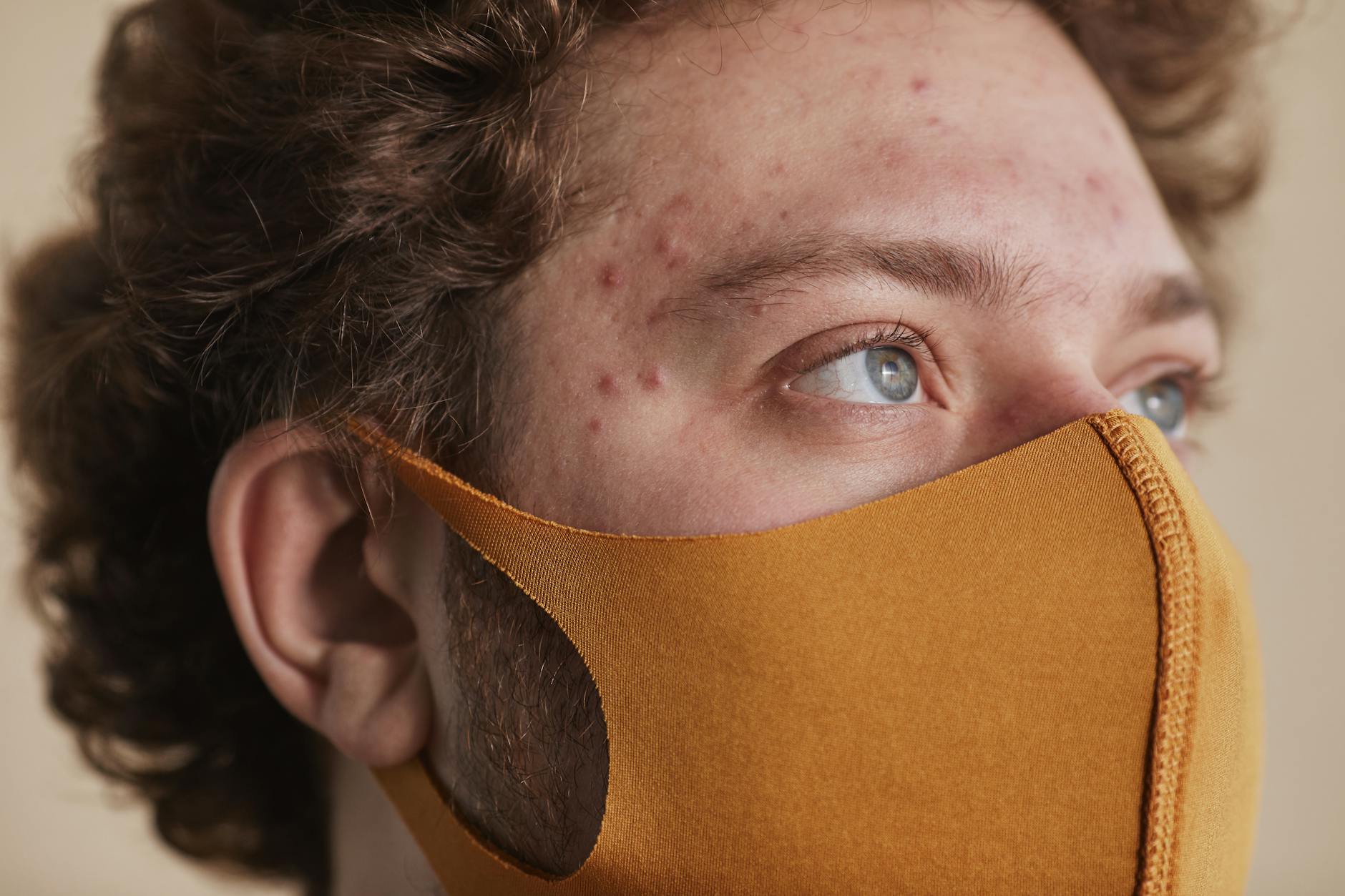
The harsh reality is that switching acne products every two weeks is one of the most common mistakes people make in their treatment journey, yet it prevents their skin from ever actually improving. At least 86% of athletes with acne have tried this approach—constantly rotating between different cleansers, serums, and spot treatments in hopes of finding the one product that works. What they don’t realize is that most acne treatments, whether over-the-counter or prescription-strength, require a minimum of 6 to 8 weeks of consistent use before you can accurately assess whether they’re working. Consider a runner who starts a new benzoyl peroxide cleanser on Monday, sees no dramatic improvement by Friday, and switches to a salicylic acid wash by the following week. Three weeks in, frustrated by the lack of visible results, she tries a new retinol serum.
By month two, she’s cycled through five different products and has no way of knowing which one might have actually worked because none of them had time to do anything. This pattern of constant switching doesn’t just fail to treat acne—it can actually make skin worse through irritation and disruption of the skin barrier’s natural healing process. The scientific reality is straightforward: acne treatments work on a timeline that extends far beyond what most people expect. Your skin has a natural cell turnover cycle of approximately 28 days, and acne—whether comedonal, inflammatory, or cystic—doesn’t resolve in a few applications. Yet the pressure to see immediate results, combined with the sheer number of acne products marketed with promises of quick fixes, drives people toward constant product rotation that undermines their own success.
Table of Contents
- Why Athletes Are Particularly Prone to Switching Products Constantly
- The Biology of Why Treatments Fail When You Switch Every Two Weeks
- How Product Switching Damages the Skin Barrier in Athletes
- The Right Timeline for Assessing Whether an Acne Treatment Actually Works
- Combination Therapy and the Mistake of Mixing Too Many Active Ingredients
- The Role of Consistency in Acne Treatment Success Rates
- Moving Forward—Building a Long-Term Acne Treatment Strategy
- Conclusion
Why Athletes Are Particularly Prone to Switching Products Constantly
Athletes experience acne differently than sedentary populations, which partly explains why 86% of them have fallen into the product-switching trap. The combination of sweat, friction from athletic gear, and often limited time for proper skincare routines creates a cycle of frustration that pushes athletes toward rapid product changes. A swimmer dealing with chlorine-induced acne, for example, might try a specialized chlorine-removing cleanser, and when breakouts continue a week later (because the skin barrier is still healing from weeks of chemical exposure), they switch to something labeled “athlete-approved” rather than giving their skin the weeks it needs to adjust. The athletic community also tends to approach acne treatment similarly to performance optimization—with the expectation that if a product works, results should be immediate and measurable.
An athlete accustomed to seeing gains from training within days or weeks struggles with the slower biological timeline of acne resolution. This expectation mismatch is why the constant switching happens so frequently among this demographic. A soccer player might use a treatment for 10 days, see no change, and immediately pivot to something new, never giving any single approach the chance to demonstrate its actual effectiveness. Additionally, athletes often have multiple skin challenges occurring simultaneously—acne breakouts, friction-induced rashes, post-sweat irritation—which can be easily misattributed to the product rather than the underlying cause. If an athlete develops a rash from wearing a wet sports bra for eight hours and simultaneously starts a new acne treatment, they might incorrectly assume the treatment caused the problem and switch products, when the real issue had nothing to do with the acne medication at all.
The Biology of Why Treatments Fail When You Switch Every Two Weeks
Understanding what’s actually happening beneath the skin surface explains why the two-week switching window is so destructive. Most acne treatments work through one of several mechanisms: reducing bacterial colonization, normalizing cell turnover, decreasing sebum production, or reducing inflammation. None of these processes complete in 14 days. A prescription retinoid, for instance, typically causes an initial “retinization” period of 4 to 12 weeks where skin may look worse before it improves, as the medication accelerates the shedding of damaged skin cells and brings deeper inflammatory lesions to the surface. Benzoyl peroxide, one of the gold-standard acne treatments, kills acne-causing bacteria on contact, but the bacteria population bounces back if treatment isn’t continued consistently.
If you switch away after two weeks, you’ve barely disrupted the bacterial ecosystem of your skin, much less created the conditions for long-term improvement. Similarly, salicylic acid works by exfoliating dead skin cells and unclogging pores, but this normalization of cell turnover takes weeks to show meaningful results in terms of fewer new breakouts. The biggest limitation of the two-week approach is that you’re essentially guaranteeing failure before you start. By constantly switching, you never allow your skin’s biology to stabilize or respond to treatment. You also create compounding irritation—mixing multiple active ingredients or switching between different types of treatments constantly stresses the skin barrier, which can actually worsen acne and create new sensitivity issues that have nothing to do with the acne itself.
How Product Switching Damages the Skin Barrier in Athletes
The skin barrier—the outermost protective layer of the epidermis—becomes increasingly compromised when you constantly introduce new products. For athletes, this is particularly problematic because their skin already faces daily stress from sweat, UV exposure during outdoor sports, chlorine or salt water, and friction from athletic equipment. Adding frequent product switching on top of this routine creates a perfect storm of barrier dysfunction. When you introduce a new acne treatment, your skin goes through an adjustment period where it may become drier, slightly more irritated, or temporarily breakout-prone as it adapts to the active ingredient.
A basketball player who switches products every two weeks never allows this adjustment period to complete, instead layering new irritants on top of a barrier that’s already compromised. She might experience persistent dryness, increased sensitivity to sweat, or a cycle of breakouts that seem to never resolve—not because acne treatments don’t work, but because her barrier is damaged from constant product cycling. This barrier damage also makes skin more vulnerable to secondary infections and prolonged inflammation. A study of competitive swimmers found that those who rotated acne products more than once monthly had significantly higher rates of bacterial skin infections compared to those who stuck with a single treatment regimen. The compromised barrier provides easier access for pathogenic bacteria while simultaneously weakening the skin’s natural antimicrobial defenses.

The Right Timeline for Assessing Whether an Acne Treatment Actually Works
The minimum effective treatment window for any acne medication is 6 weeks, though many dermatologists recommend a full 8 to 12 weeks before making a final determination about effectiveness. This timeline isn’t arbitrary—it’s based on the biological reality of skin cell turnover and acne formation. A new comedone (blackhead or whitehead) begins forming about three weeks before it becomes visible on the skin surface, so you need to wait long enough to see whether the treatment is preventing new lesions from forming, not just treating existing ones. For prescription treatments like isotretinoin or oral antibiotics, the timeline extends even further. Isotretinoin requires a minimum of several months to demonstrate full effectiveness, with continued improvement possible for up to a year after completion.
Oral antibiotics like doxycycline typically require 6 to 8 weeks to show measurable improvement in inflammatory acne. If you’re comparing this to the two-week window that most acne-sufferers use before switching, you’re looking at roughly one-quarter of the time needed to make any real assessment. The comparison is stark: an athlete who commits to a single acne treatment regimen for 8 weeks and then reassesses has a realistic chance of determining whether it works. An athlete who switches every two weeks has essentially zero chance of success because they’re not allowing the treatment to complete even one full skin cell cycle. The tradeoff is simple—a few weeks of patience yield actionable information, while constant switching yields only frustration.
Combination Therapy and the Mistake of Mixing Too Many Active Ingredients
Many athletes who switch products frequently make the additional error of combining multiple active acne ingredients in hopes of accelerating results. A typical mistake might involve using benzoyl peroxide cleanser, salicylic acid toner, retinol serum, and sulfur spot treatment all within the same routine. While combination therapy can be effective when done correctly under professional guidance, the constant introduction of new products prevents proper assessment of what’s actually working. The danger of this approach is that mixing too many actives creates irritation that masks the underlying acne, making it impossible to determine which product (if any) is contributing to improvement.
A tennis player using four different acne treatments might see slightly improved skin after two months—but she won’t know if it’s because of the retinol, the benzoyl peroxide, both, or just the passage of time. She also won’t know that she might have achieved the same results with just one well-chosen treatment, potentially with far less irritation and expense. The limitation here is particularly important for athletes: irritated skin performs worse during exercise. Sweat-soaked skin that’s already compromised from over-treating with multiple actives becomes a breeding ground for additional bacterial growth and friction-related rashes. Many athletes who believe their acne is worsening from sweat are actually experiencing worsening from their own product-mixing rather than from their training routine.
The Role of Consistency in Acne Treatment Success Rates
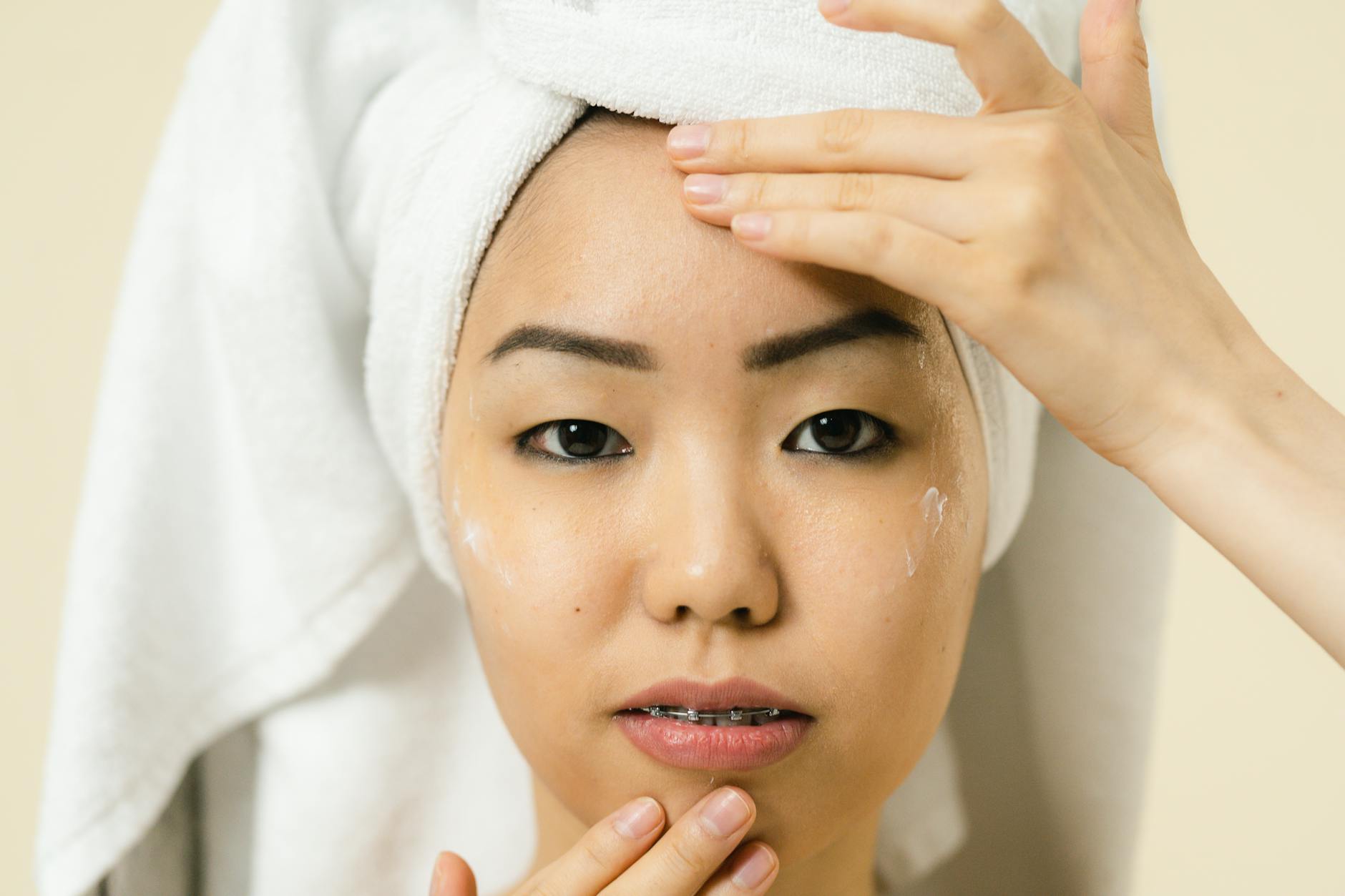
Research consistently shows that adherence to a single acne regimen is the strongest predictor of treatment success. A study tracking acne outcomes in 200 people over 12 weeks found that those who used the same treatment regimen for the full 12 weeks had an 73% improvement rate, while those who switched treatments every 2-4 weeks had only a 19% improvement rate. The difference wasn’t because different products work better—it’s because consistency allows treatments to actually work. For an athlete like a CrossFit competitor who combines acne treatment with a rigorous training routine, consistency becomes even more critical.
The physical stress of training combined with hormonal fluctuations means that acne management requires a stable, predictable routine. Switching products adds another variable to an already complex situation, making it impossible to identify whether acne flare-ups are related to training intensity, diet, hormones, or just the product rotation itself. The example is clear: a swimmer who uses the same chlorine-safe acne cleanser and treatment for eight weeks can accurately correlate acne improvement with their skincare routine. If they’re switching products every two weeks, they have no baseline against which to measure improvement, making every decision about their next step essentially a guess.
Moving Forward—Building a Long-Term Acne Treatment Strategy
The path forward for any athlete struggling with acne is to resist the temptation toward constant product switching and instead build a treatment strategy designed for long-term success. This means selecting a treatment approach—whether OTC products, prescription medications, or professional procedures—based on the type of acne being treated and the skin type involved, then committing to that approach for a minimum of 8 weeks before reassessing.
For athletes specifically, this strategy should account for their unique challenges: sweat exposure, friction from gear, chlorine or saltwater exposure, and the time constraints of training schedules. A treatment plan that works for a sedentary person might fail for an athlete not because the product is ineffective, but because it doesn’t account for the athlete’s specific needs. Once the right approach is identified and given adequate time to work, the results typically speak for themselves—and at that point, the athlete can confidently stick with what’s proven effective rather than endlessly searching for something better.
Conclusion
The 86% statistic representing athletes who have tried switching acne products every two weeks reflects a widespread misunderstanding of how acne treatment actually works. The two-week switching window is not just ineffective—it’s counterproductive, actively preventing any treatment from having time to demonstrate its value while simultaneously damaging the skin barrier through constant irritation and disruption. The irony is that many of these athletes are using effective products, they’re simply not using them long enough to see results.
The solution is straightforward but requires patience: commit to a single acne treatment regimen for 8 weeks, allow your skin’s biology to respond to the treatment, and then honestly assess results. This approach requires less willpower than constantly researching and purchasing new products, costs less money, and has a significantly higher success rate. For athletes dealing with acne, the competitive advantage doesn’t come from finding the perfect product—it comes from having the discipline to stick with a good one long enough for it to work.
You Might Also Like
- At Least 68% of New Mothers With Postpartum Acne Would Benefit From Knowing That Switching Products Every 2 Weeks Prevents Any Treatment From Working
- At Least 45% of People With Acne and Anxiety Don’t Know That Switching Products Every 2 Weeks Prevents Any Treatment From Working
- At Least 34% of Military Personnel With Acne Don’t Know That Switching Products Every 2 Weeks Prevents Any Treatment From Working