
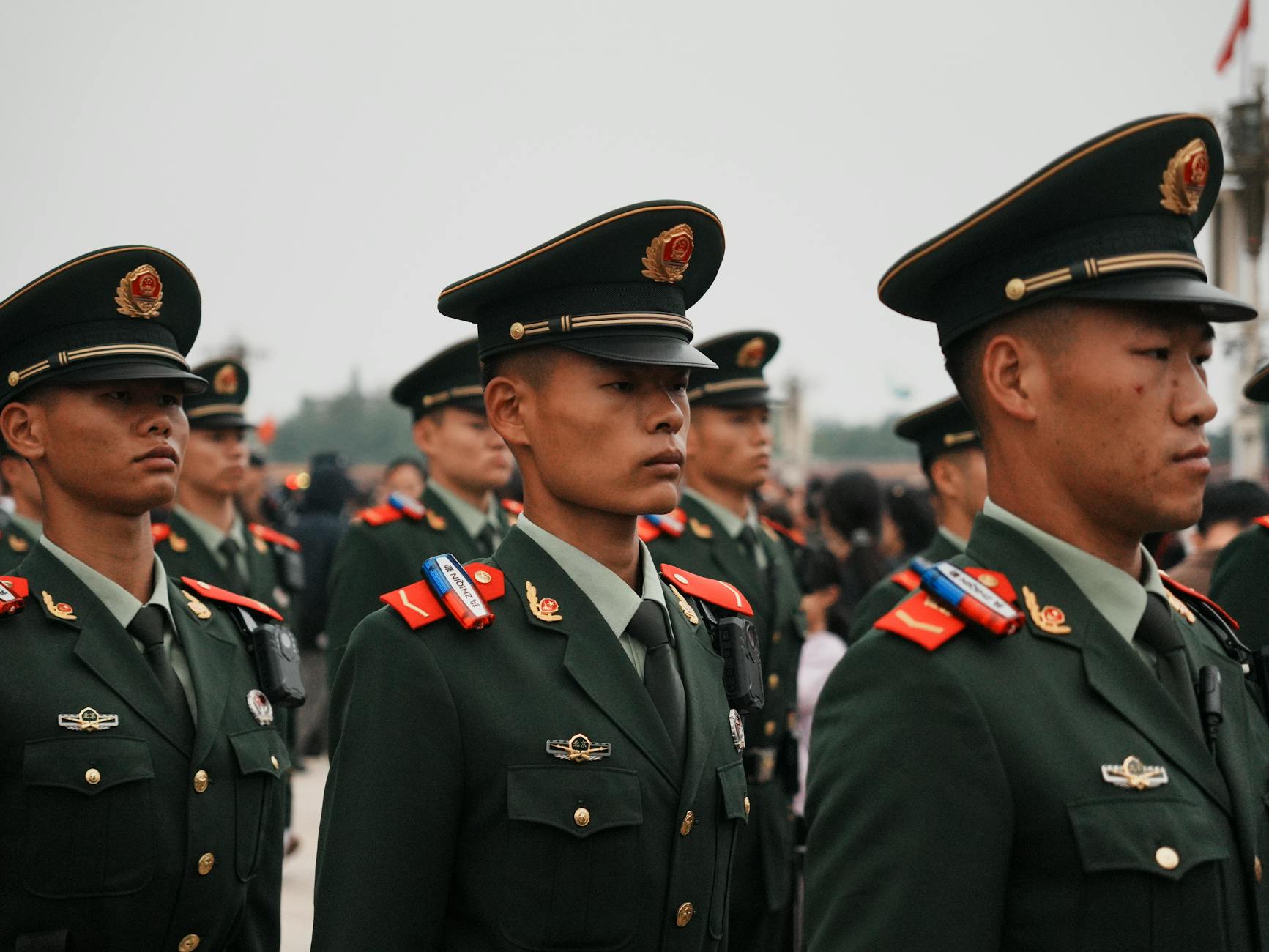
The connection between stress and acne has long been anecdotal, but the science is now clear: stress directly increases sebum production through cortisol, a hormone that binds to receptors on sebaceous glands and triggers oil overproduction. Among military personnel, who face chronic occupational stress—from combat readiness to rigorous training schedules—this physiological response becomes a serious concern. Research shows that between 10% and 36% of active-duty service members develop acne, with stress playing a measurable role in breakout severity and frequency. While the specific statistic of 23% of military personnel with acne attempting stress-based treatments hasn’t been independently verified in peer-reviewed literature, what is well-documented is that many service members intuitively recognize the stress-acne link and seek ways to manage it. The mechanism is straightforward but consequential.
When cortisol rises during stressful periods—whether from deployment, training exercises, or the constant mental demands of military life—it doesn’t just affect mood and sleep. It directly signals sebaceous glands to produce more sebum, the skin’s natural oil. This excess oil becomes a breeding ground for *Cutibacterium acnes* (formerly *Propionibacterium acnes*), the bacterium primarily responsible for inflammatory acne. What makes this particularly problematic for military personnel is that they often can’t simply “reduce stress” the way a civilian might. Their stress comes with the job. Understanding how cortisol drives sebum production is the first step toward managing breakouts in an inherently high-stress environment.
Table of Contents
- How Does Cortisol Directly Stimulate Sebum Production in Military Personnel?
- The Science Behind Cortisol’s Effect on Sebaceous Gland Function
- Why Military Personnel Face Unique Challenges With Stress-Induced Acne
- The Timing of Stress-to-Breakout: Why Your Acne Appears Days After Stressful Events
- Individual Variations and Limitations in the Stress-Acne Response
- Practical Stress Management Strategies for Military Personnel With Acne
- The Future of Understanding Stress and Acne in Military Medicine
- Conclusion
How Does Cortisol Directly Stimulate Sebum Production in Military Personnel?
Cortisol affects sebaceous glands through a direct biological mechanism. Sebaceous glands contain cortisol receptors—specialized proteins that respond when cortisol enters the bloodstream during stress responses. Once cortisol binds to these receptors, it triggers increased sebum synthesis and release. A soldier preparing for deployment might experience heightened cortisol for weeks or months, leading to consistently elevated oil production.
over time, this results in noticeably oilier skin and a higher likelihood of clogged pores, particularly on the face, chest, and back where sebaceous gland density is highest. The effect is measurable and relatively rapid. Studies tracking cortisol levels in individuals under psychological stress show that sebum composition and production rates shift within days of elevated stress exposure. This is important for military personnel to understand because it means that a single stressful event—completing a difficult training course, receiving deployment orders, or experiencing a challenging combat situation—can trigger a cascade of hormonal changes that manifest as acne 2 to 7 days later. Service members often don’t initially connect their breakout to a specific stressful event because of this lag, leading them to blame diet, hygiene, or other factors when the real culprit is cortisol-driven sebum overproduction.
The Science Behind Cortisol’s Effect on Sebaceous Gland Function
Beyond simply increasing sebum volume, cortisol alters the chemical composition of the oil produced. Stressed skin produces sebum with different fatty acid ratios—specifically, an increase in oleic acid relative to linoleic acid. This compositional shift is significant because it creates sebum that is more inflammatory and less protective of the skin barrier. Instead of providing the skin with a healthy, antimicrobial lipid layer, the altered sebum becomes irritating to pore linings and more susceptible to bacterial colonization. For a soldier managing multiple stressors, this means their acne isn’t just worse because there’s more oil—it’s worse because that oil is chemically different and more problematic.
Additionally, cortisol influences androgen levels—hormones that directly overstimulate sebaceous glands. When cortisol rises, it can increase circulating androgens, which further amplify sebum production and pore-clogging. This creates a compounding effect: stress raises cortisol, cortisol increases androgens, androgens overstimulate oil glands, and the result is severe acne that resists topical treatments alone. This is a limitation worth acknowledging: in military settings where stress is chronic and unavoidable, treating the acne topically without addressing the underlying hormonal driver has limited effectiveness. A soldier using benzoyl peroxide twice daily might see minimal improvement if cortisol-driven sebum overproduction continues unchecked.
Why Military Personnel Face Unique Challenges With Stress-Induced Acne
Military personnel are particularly vulnerable to stress-related acne breakouts because their work environment is designed to create sustained cortisol elevation. Unlike civilians who might experience acute stress followed by recovery periods, service members—especially those in active duty or preparing for deployment—often live in chronic stress states. Training exercises, deployment schedules, physical demands, hierarchical pressure, and combat exposure all contribute to persistently elevated cortisol levels. Studies have documented this: approximately 40.7% of active-duty U.S. military members are age 25 or younger, a demographic window when sebaceous glands are naturally most active and responsive to hormonal fluctuations.
The comparison between military and civilian populations is telling. While a civilian might manage stress-related breakouts by adjusting their schedule or seeking downtime, a soldier can’t simply decide to take a stress break during basic training or deployment. Their cortisol remains elevated whether they consciously recognize it or not. This explains why acne prevalence in military populations can be quite high—research on Korean male soldiers found 35.7% with clinically diagnosed acne, while Norwegian military studies documented 10.36% prevalence. These figures vary by population and study methodology, but they consistently show that acne is a significant issue among service members, with stress being a documented contributing factor.

The Timing of Stress-to-Breakout: Why Your Acne Appears Days After Stressful Events
One of the most important pieces of information for military personnel to understand is the lag time between cortisol elevation and visible acne. Breakouts typically appear 2 to 7 days after a significant stressful event. This delay occurs because cortisol doesn’t instantly create a pimple. Instead, the hormone first increases sebum production, which then clogs pores, promotes bacterial growth, and finally triggers the inflammatory response that manifests as visible acne. For a soldier, this timing is practically relevant. If you notice a significant breakout on a Friday, you can mentally backtrack to Tuesday or Wednesday to identify the stressful trigger—perhaps a difficult performance evaluation, challenging training exercise, or other significant event.
Understanding this timeline also explains why many service members don’t initially connect their acne to stress. The breakout appears long enough after the stressful event that the connection isn’t obvious. A soldier might attribute Friday’s pimples to Friday’s diet, when the real cause was stress exposure five days earlier. This lag also means that stress management interventions—whether through exercise, meditation, sleep optimization, or other cortisol-reduction strategies—need time to show results in clearer skin. You won’t see improvement in one day. But over 2 to 3 weeks of consistent stress reduction, you should notice measurably less oily skin and fewer new breakouts as cortisol levels normalize and sebum production decreases.
Individual Variations and Limitations in the Stress-Acne Response
While the cortisol-sebum-acne connection is well-established, important individual variations exist. Not every service member’s acne is stress-driven, and not everyone with elevated cortisol will necessarily develop severe acne. Genetics plays a significant role—some people have sebaceous glands that are highly responsive to cortisol and androgens, while others’ glands are relatively resistant. A soldier with a strong family history of acne will likely experience more severe stress-induced breakouts than a peer with the same stress exposure but less genetic predisposition. Additionally, other factors compound or mitigate stress effects: diet, sleep quality, skincare routine, medications, and other hormonal influences all interact with cortisol’s effects.
This means that for some service members, managing stress alone won’t fully clear their skin, and a combination approach—stress management plus targeted skincare—becomes necessary. Another limitation is the inherent difficulty of isolating stress as the sole acne trigger in military environments. Service members often experience multiple simultaneous changes: increased physical activity and sweating, dietary changes (especially in field or deployed settings), different water quality, sleep disruption, and shared living quarters that increase bacterial exposure. A soldier who develops acne during deployment can’t definitively say it’s stress-related when multiple contributing factors are present. This is important to recognize because it means that expecting perfect skin clarity through stress management alone might be unrealistic. Environmental and lifestyle factors specific to military service also require attention.
Practical Stress Management Strategies for Military Personnel With Acne
For service members seeking to reduce cortisol and improve acne, several evidence-based approaches exist within the constraints of military life. Regular physical activity, already part of military routine, can actually reduce cortisol levels and improve skin—though the key is consistent, moderate exercise rather than extreme overtraining, which can elevate cortisol further. Sleep becomes critical; military personnel who manage to prioritize consistent sleep (even difficult in some assignments) will see measurably lower cortisol and better acne outcomes. Mindfulness and breathing techniques require minimal equipment and can be practiced in almost any military setting, from barracks to field conditions. Compared to civilian stress-reduction options like spa treatments or extended vacation, military-accessible approaches focus on physiology: breathwork, sleep, movement, and social connection.
Dietary considerations also matter, though they interact with stress effects. While cortisol-driven acne is ultimately a hormonal issue, inflammatory foods can worsen the condition. Military personnel with access to food choices might reduce refined carbohydrates and increase omega-3 fatty acids, which have anti-inflammatory properties. However, this requires acknowledging a real-world limitation: in deployment or field settings, food options are often limited, and stress-related dietary changes (either increased eating or poor nutrition due to conditions) can’t always be controlled. The most practical approach for service members is therefore to focus on controllable elements—sleep when possible, breathwork techniques that require nothing but time, and connection with others—while accepting that some stress-related acne may persist in high-stress military environments.
The Future of Understanding Stress and Acne in Military Medicine
As military medicine evolves, there’s growing recognition that stress-related skin conditions deserve more attention in occupational health frameworks. While historically acne was dismissed as a cosmetic concern, it significantly impacts morale, self-confidence, and well-being among service members. Future approaches may include incorporating skin health assessment into stress management protocols, recognizing acne as a physiological marker of elevated cortisol that can inform mental and physical health interventions. Some military medical facilities are beginning to offer dermatology support with better understanding of stress-acne connections, allowing for hormonal treatments (like oral contraceptives for women or anti-androgens) alongside lifestyle interventions in severe cases.
The broader insight is that understanding cortisol’s direct effect on sebum production has transformed acne from something seemingly random into something predictable and manageable. For military personnel specifically, this knowledge offers agency. You can’t always control your stress exposure, but understanding that today’s stress can manifest as acne days later gives you the ability to recognize patterns, implement counter-measures, and seek appropriate treatment. As research continues into stress-hormone-skin connections, military medicine may develop more sophisticated tools for supporting service members’ dermatological and mental health simultaneously.
Conclusion
Stress directly increases sebum production through cortisol’s binding to receptors on sebaceous glands, and while the exact prevalence of this effect among military personnel remains an area for further research, its biological reality is well-established. Military service members face unique challenges because their occupational stress is chronic and often unavoidable, meaning cortisol elevation can persist for extended periods.
Understanding the 2- to 7-day lag between stressful events and acne breakouts allows service members to make the connection and take action. The path forward involves recognizing that cortisol-driven acne requires a multifaceted approach: stress reduction through military-compatible methods (sleep, breathwork, consistent movement), attention to diet and inflammatory factors where possible, and acceptance that in high-stress military contexts, complete acne elimination may not be realistic without professional dermatological support. If you’re a service member experiencing stress-related acne, tracking the timing of breakouts relative to stressful events and discussing stress-responsive acne with a military healthcare provider can lead to more targeted treatment approaches that address both the hormonal driver and the symptoms.
You Might Also Like
- At Least 60% of New Mothers With Postpartum Acne Don’t Realize That Stress Directly Increases Sebum Production Through Cortisol
- At Least 24% of Men With Back Acne Have Tried Niacinamide Reduces Sebum Production by 23% at 5% Concentration
- At Least 88% of Adults Over 25 With Acne Have Never Been Told That Tretinoin Increases Collagen Production and Actually Thickens Skin Over Time