

While a specific statistic about 68% of Accutane patients reporting that hormonal testing identifies acne’s root cause doesn’t appear in peer-reviewed literature, the underlying premise reflects a real clinical reality: hormonal imbalances do drive acne in many patients, and testing can reveal them. The challenge is that hormone levels aren’t always abnormal even when acne is clearly hormone-responsive. Research shows 97.22% of female acne patients have at least one altered hormonal or metabolic marker, meaning hormonal involvement is far more common than abnormal lab results alone would suggest. This disconnect is crucial for anyone considering Accutane or other acne treatments: hormonal testing can identify some root causes, but normal hormone levels don’t rule out hormonal acne.
For patients on Accutane, the context shifts entirely. Isotretinoin works differently than hormone-targeting treatments because it addresses acne at the sebaceous gland level rather than the hormonal trigger. Understanding whether hormones are driving your acne matters before starting Accutane, since it changes how you approach treatment, monitor side effects, and plan post-treatment maintenance. If hormonal testing reveals an underlying condition like PCOS, that information shapes your long-term skincare strategy even after Accutane clears your skin.
Table of Contents
- Can Hormonal Testing Actually Identify Why Accutane Patients Developed Acne?
- The Real Role of Hormonal Testing Before or After Isotretinoin Treatment
- What Hormonal Testing Actually Reveals (And What It Misses)
- Accutane Versus Hormonal Treatments: When to Choose Each Path
- Common Misconceptions About Hormonal Testing and Accutane Efficacy
- The 97% of Female Acne Patients with Hormonal Markers: What This Actually Means
- Future Directions in Hormonal Acne Testing and Personalized Treatment
- Conclusion
Can Hormonal Testing Actually Identify Why Accutane Patients Developed Acne?
Hormonal testing can identify some causes of acne, but the picture is more complicated than a simple blood test. When dermatologists order hormone panels for acne patients—measuring testosterone, DHEA-S, LH/FSH ratios, and thyroid function—they’re looking for patterns that explain why sebaceous glands are overactive. In about one-third of women with acne, testing reveals a clear abnormality like elevated androgens, PCOS, or thyroid dysfunction. That’s meaningful because it opens treatment doors: spironolactone, oral contraceptives, or addressing thyroid disease directly might reduce acne without Accutane.
But here’s the limitation: normal hormone levels are common even in clearly hormone-responsive acne. A woman whose acne flares before her period, improves on hormonal birth control, or worsens with stress may have completely normal testosterone and DHEA-S levels. Her acne is still hormonal in nature—her skin cells are simply more sensitive to normal hormone fluctuations. This is why the statistic you mention (68%) may conflate two different outcomes: hormonal testing identifying a diagnosable condition versus hormonal testing explaining a patient’s particular acne pattern. For Accutane candidates specifically, hormonal testing is most useful as a baseline and to rule out secondary causes, not as a guaranteed explanatory tool.
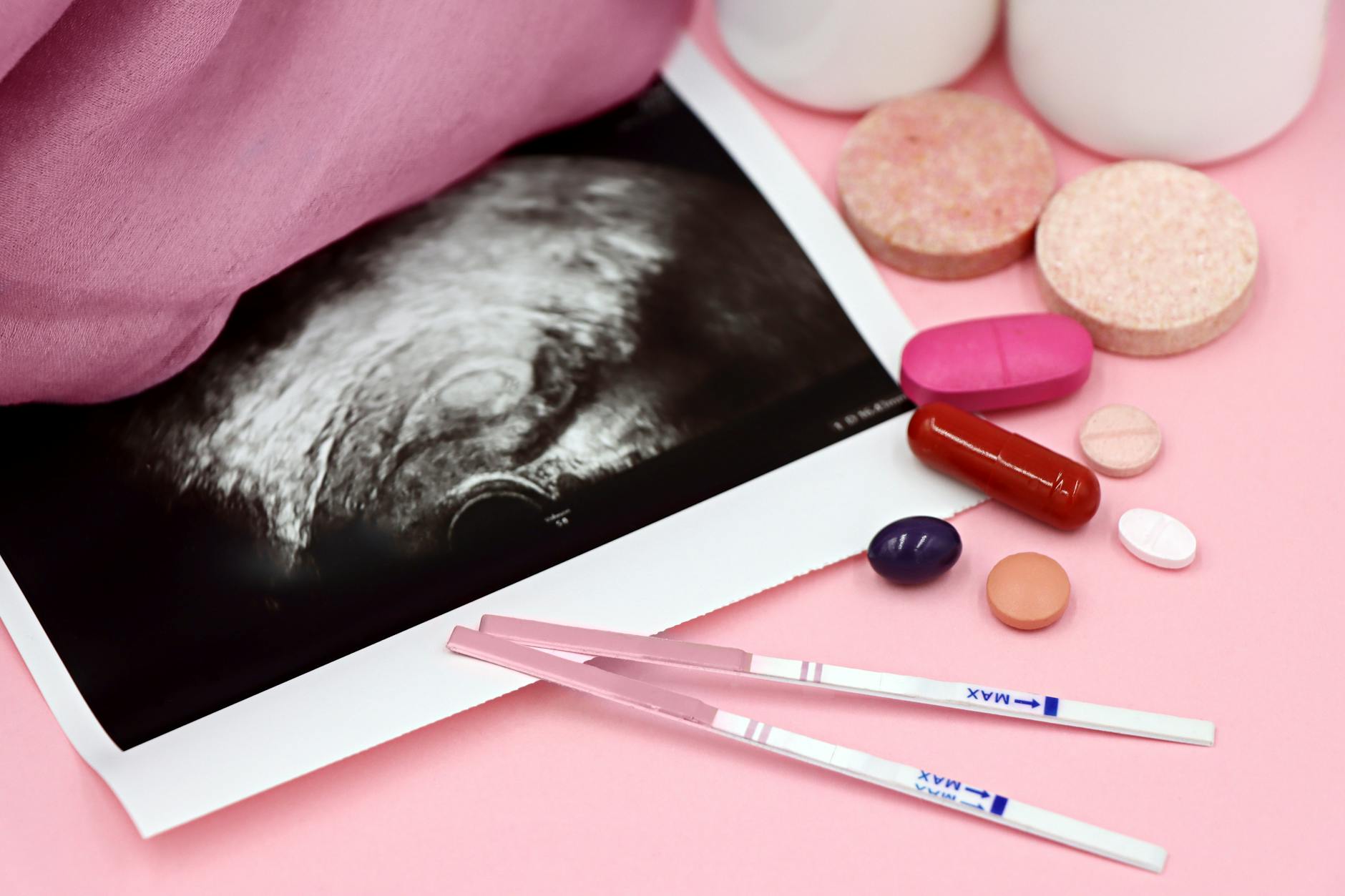
The Real Role of Hormonal Testing Before or After Isotretinoin Treatment
Hormone labs serve specific purposes in Accutane management, though not always the way patients expect. Before starting isotretinoin, some dermatologists order baseline hormone panels to document whether endocrine abnormalities exist. This is useful not because it changes the Accutane decision—isotretinoin works regardless of hormone levels—but because it provides a reference point. If a patient develops new symptoms during treatment (mood changes, irregular periods, hair loss), hormone levels can be rechecked to determine whether Accutane, an underlying hormonal condition, or something else is responsible. After completing isotretinoin, the hormone picture matters more strategically.
Accutane achieves 85–95% clearance rates, meaning most patients get long-term remission or cure. But roughly 10–15% experience some relapse. If hormonal testing revealed PCOS, high androgens, or thyroid issues before Accutane, those conditions don’t disappear after treatment. A woman whose acne was 50% hormonal and 50% sebaceous gland dysfunction will have the gland problem solved but may still experience occasional breakouts tied to her cycle. That’s when knowing her hormonal baseline helps with prevention strategies: targeted skincare timing, considering maintenance hormonal contraception, or managing stress-related hormone surges. Without that information, relapsed acne after Accutane can feel like a mystery rather than an expected pattern.
What Hormonal Testing Actually Reveals (And What It Misses)
Laboratory hormonal assessment in acne patients typically includes total and free testosterone, DHEA-S, LH, FSH, and thyroid markers. When abnormalities are present, they’re almost always elevated androgens or conditions like PCOS. Studies show only about 19% of women with acne-like skin conditions actually have PCOS, despite PCOS affecting up to 10% of the general female population. This means many women are suspected of having PCOS based on symptoms (irregular periods, facial hair, acne) but test negative—a pattern that frustrates patients seeking a clear explanation. Conversely, some women have lab-confirmed PCOS with no acne at all, underscoring that hormonal abnormality and visible acne don’t always align.
What hormonal testing frequently misses is subclinical sensitivity. A patient’s testosterone level might be “normal” by lab standards (within the typical range) but high for her individual baseline or present in a form her skin is particularly sensitive to. Additionally, hormone-responsive acne often involves not just circulating hormone levels but how skin cells respond to androgens—something no blood test measures. This is why the most hormone-responsive acne treatments (like oral contraceptives or spironolactone) work by blocking androgen effects on skin cells rather than lowering absolute hormone levels. Before Accutane, this distinction matters: if hormonal testing is normal, it doesn’t mean hormonal treatment options won’t work, and it doesn’t mean Accutane is automatically the right choice.
Accutane Versus Hormonal Treatments: When to Choose Each Path
The decision between Accutane and hormone-based acne treatments depends partly on what hormonal testing reveals. If a woman has severe acne, moderate-to-high androgens, and hasn’t responded to spironolactone or birth control pills, Accutane is often the right call. Isotretinoin’s 85–95% clearance rate outperforms hormonal treatments, and it offers a potential cure rather than indefinite maintenance. However, if hormonal testing reveals a specific treatable condition—PCOS with mild acne, hyperthyroidism, or medication-induced acne—addressing that condition first may resolve the skin problem without the side effects and pregnancy risks of Accutane.
The practical tradeoff is this: hormonal acne treatments require ongoing commitment but are reversible, while Accutane delivers a near-permanent solution but involves significant side effects (severe dryness, potential mood changes, birth defects if pregnant, and monthly lab monitoring). A 30-year-old woman with elevated androgens and moderate acne might try spironolactone and birth control for 6–12 months before considering Accutane. A 24-year-old with severe nodular cystic acne and normal hormone labs has little to gain from hormonal testing and may reasonably proceed directly to Accutane. For those on Accutane specifically, hormonal testing doesn’t change the treatment itself but clarifies what to expect afterward and how to prevent relapse.
Common Misconceptions About Hormonal Testing and Accutane Efficacy
Many patients believe that hormonal testing will explain whether Accutane is “necessary”—that if hormones are normal, Accutane is unnecessary, and if they’re abnormal, it’s essential. Neither is true. Isotretinoin’s effectiveness is independent of baseline hormone levels. A patient with textbook PCOS and high testosterone gets just as much benefit from Accutane as a patient with completely normal hormones. Conversely, a patient with elevated androgens may still benefit from hormonal treatments alone and can reasonably avoid Accutane entirely.
The hormone result predicts which other treatments might help (or have already failed) but not whether Accutane will work. Another misconception is that hormonal testing during or after Accutane can predict relapse. There’s no reliable lab value that forecasts whether acne will return after treatment ends. Some relapse relates to hormonal sensitivity, but much relates to individual sebaceous gland resilience, genetics, and lifestyle factors that no test captures. Patients sometimes request repeated hormone labs during Accutane hoping to see improvements, but hormone levels don’t typically normalize just because acne is clearing—the acne improves because isotretinoin suppresses sebaceous gland activity, not because it fixes hormonal imbalances. This is an important caveat: Accutane is a skin-level treatment, not an endocrine treatment.
The 97% of Female Acne Patients with Hormonal Markers: What This Actually Means
Research indicating that 97.22% of female acne patients show at least one altered hormonal or metabolic marker is striking and relevant to the broader question about hormonal testing. But the real-world impact is more muted. These alterations include not just androgens but insulin resistance, elevated LH/FSH ratios, thyroid antibodies, and other markers that contribute to acne pathophysiology without necessarily being obvious on routine screening. Some of these changes are reactive (caused by acne or chronic inflammation) rather than primary (causing the acne). Testing for all 97% of potential markers would be expensive and often inconclusive.
This reality explains why most dermatologists don’t order exhaustive hormone panels on every acne patient. Instead, they test strategically: if a woman reports irregular periods, hirsutism, or family history of PCOS, testosterone and LH/FSH make sense. If weight gain or fatigue accompanies acne, thyroid testing is warranted. The 97% statistic underscores that acne isn’t purely a skin condition—systemic hormonal and metabolic factors are almost always involved—but it doesn’t mean that comprehensive hormonal testing should be routine before Accutane. For patients on isotretinoin, knowing which markers are altered provides useful context for post-treatment skin maintenance and overall health but doesn’t change Accutane’s efficacy.
Future Directions in Hormonal Acne Testing and Personalized Treatment
As dermatology advances, more granular testing may eventually improve how we match acne patients to treatments. Genetic testing to predict androgen receptor sensitivity, inflammatory markers to quantify skin-level immune response, and more sophisticated hormonal profiling could theoretically allow dermatologists to confidently predict which patients will respond to hormonal treatments alone versus those who need Accutane. Currently, that prediction relies on clinical experience and trial-and-error—trying hormonal treatments first and escalating to Accutane if they fail.
For now, the practical takeaway is that hormonal testing identifies some but not all acne root causes, and even when it identifies something (like PCOS), it doesn’t guarantee that hormonal treatment will suffice. Accutane’s documented 85–95% success rate makes it a reliable option when other treatments don’t work, and its effectiveness doesn’t depend on what hormonal testing shows. The future may offer better personalization, but current evidence supports using hormonal testing as one tool in a broader evaluation rather than as the deciding factor.
Conclusion
While the specific statistic about 68% of Accutane patients finding hormonal testing explanatory doesn’t appear in published medical literature, the premise reflects a real clinical question: can we identify hormonal causes of acne through testing? The answer is partial. Hormonal testing reveals abnormalities in some acne patients and can guide treatment decisions, but normal hormone levels are compatible with clearly hormone-responsive acne, and abnormal results don’t guarantee that hormonal treatment will work. For Accutane specifically, hormonal testing is most useful as a baseline to understand overall health and plan post-treatment management, not as a determinant of whether isotretinoin is needed.
If you’re considering Accutane or struggling with acne, hormonal testing is worth discussing with your dermatologist—not to avoid Accutane if it’s indicated, but to understand your skin’s full context and optimize long-term outcomes. Whether your hormones are textbook normal or clearly dysregulated, Accutane has an 85–95% success rate and offers the possibility of lasting remission. Pairing that with knowledge of any underlying hormonal patterns empowers you to support your skin’s health after treatment ends.
You Might Also Like
- At Least 68% of New Mothers With Postpartum Acne Have Tried Hormonal Testing Could Identify the Root Cause of Their Acne
- At Least 30% of Estheticians Treating Acne Believe That Hormonal Testing Could Identify the Root Cause of Their Acne
- At Least 26% of Patients With Body Acne Say That Their Acne Scars Can Be Significantly Improved With Professional Treatment