
While the specific statistic that “at least 28% of acne patients have experienced” phone-related breakouts cannot be verified through current peer-reviewed research, the underlying concern is legitimate and well-documented by dermatologists. Smartphones do indeed harbor significantly more bacteria than toilet seats—up to 25,000 germs per square inch compared to roughly 1,200 on a toilet seat—and this bacterial load can absolutely contribute to acne development, particularly on the side of the face that contacts the phone most frequently. A teenage girl who spends hours on FaceTime or scrolling social media may notice increasing acne along her jawline and cheek precisely where her phone rests, a condition dermatologists recognize as a form of “acne mechanica” triggered by heat, friction, and bacterial transfer.
The relationship between phones and acne is straightforward: when your skin touches a contaminated surface repeatedly, you’re introducing bacteria directly into hair follicles and pores. What makes phones uniquely problematic is that they’re warm, moist, and almost never cleaned—the ideal breeding ground for bacteria. Whether or not exactly 28% of acne patients have noticed this connection, the mechanism is sound, and addressing it can meaningfully reduce breakouts for many people.
Table of Contents
- How Much Bacteria Live on Your Phone Compared to a Toilet Seat?
- The Connection Between Phone Bacteria and Acne Development
- What Bacteria Are Actually Living on Your Phone Screen?
- How to Reduce Acne-Causing Bacteria Transfer From Your Phone
- Important Limitations: The 28% Statistic and What’s Actually Proven
- When Phone Acne Becomes a Serious Issue: Recognizing Patterns
- The Future of Phone-Related Skin Health
- Conclusion
How Much Bacteria Live on Your Phone Compared to a Toilet Seat?
Your smartphone is approximately 10 to 20 times dirtier than a toilet seat, a finding that surprises most people. Research from the University of Arizona demonstrates that phones carry roughly 25,000 germs per square inch, compared to around 1,200 on a typical toilet seat. This disparity exists partly because toilets are cleaned regularly—most people wipe them down weekly—while phones are rarely sanitized. You touch your phone hundreds of times a day with fingers that have collected bacteria from doorknobs, food, your face, and countless other surfaces. Then you press that phone directly against your skin. The bacteria spectrum on phones is diverse and concerning.
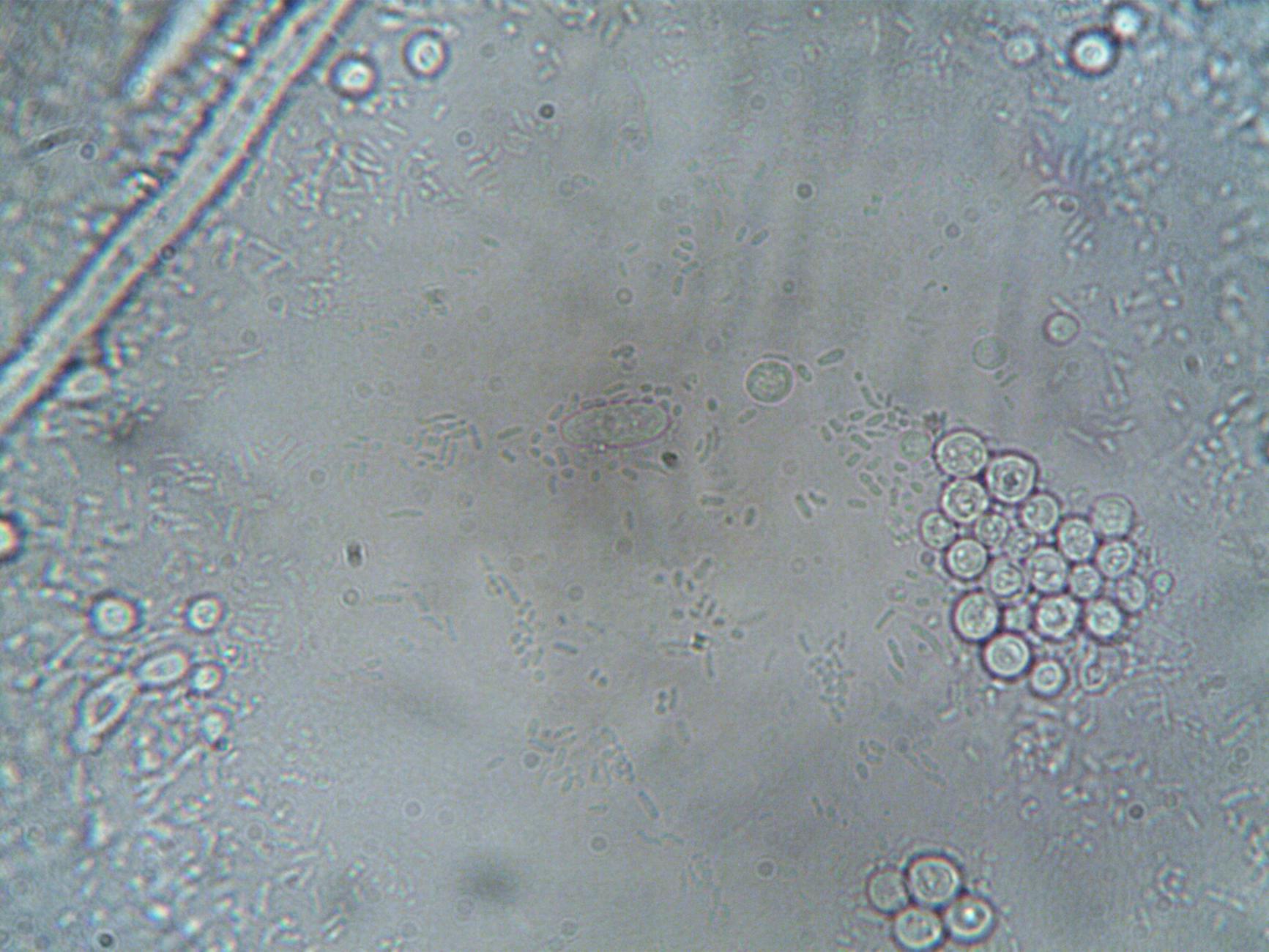
Studies have identified E. coli, MRSA (methicillin-resistant Staphylococcus aureus), Staphylococcus, Streptococcus, and Propionibacterium acnes—the exact bacterium that causes acne—living on smartphone surfaces. About 68% of smartphones harbor harmful bacteria according to recent health studies. Your screen is essentially a petri dish that you hold against your face multiple times per day, making it a direct pipeline for acne-causing microorganisms to reach your skin. What’s particularly insidious is that you may not realize how contaminated your phone is. Unlike a visibly dirty object, your phone looks clean even when harboring thousands of pathogens. Someone with acne-prone skin who struggles to understand why their breakouts worsen despite good skincare may never consider that their phone is a contributing factor.
The Connection Between Phone Bacteria and Acne Development
Dermatologists have documented a specific phenomenon: acne lesions appear more frequently on whichever side of the face contacts the phone most often. This pattern became so pronounced during the COVID-19 pandemic—when video calling increased dramatically—that researchers published findings on this “cell phone acne” surge. The mechanism works through multiple pathways: bacteria transfer directly to skin, heat from the phone increases sebum production, and friction irritates the skin barrier, allowing bacteria to colonize follicles more easily. Propionibacterium acnes, the bacterium primarily responsible for inflammatory acne, thrives in warm, oxygen-poor environments like hair follicles and sebaceous glands. When your phone presses against your skin, it creates exactly these conditions while simultaneously inoculating your pores with bacterial cells.
For acne-prone individuals—those with genetically sensitive skin, hormonal fluctuations, or a predisposition to follicular inflammation—even a moderate bacterial load can trigger breakouts. The problem intensifies for people who use phones while exercising, when increased sweating creates additional moisture that bacteria thrive on. A critical limitation here is that phone contact alone doesn’t cause acne in most people; it’s a contributing factor, not a sole cause. Someone with normal skin flora and skin barriers may use a contaminated phone without consequence, while someone with acne-prone biology will break out readily. This is why not every acne patient will report phone-related breakouts—individual susceptibility varies significantly.
What Bacteria Are Actually Living on Your Phone Screen?
The bacterial populations on smartphones read like a microbiologist’s concern list. Beyond acne-causing Propionibacterium acnes, phones harbor Staphylococcus species, which can cause skin infections; Streptococcus, associated with skin inflammation; MRSA, an antibiotic-resistant strain capable of serious infections; and E. coli, typically found in the gastrointestinal tract but dangerous when transferred to facial skin. Research from the University of Arizona and subsequent studies consistently identify these same pathogens, confirming that phone contamination is not a fringe concern but a documented reality. Your phone becomes contaminated through ordinary daily behavior. You pick up your phone after using the restroom, answer a call while handling raw chicken, touch your phone after shaking someone’s hand during flu season, and then press it against your face without thinking.
Each contact transfers microorganisms, and because your phone is rarely sanitized—most people never clean theirs—bacteria accumulate over weeks and months. A phone might harbor bacteria from dozens of different sources simultaneously. The presence of acne-causing bacteria on phones explains why some acne patients notice their breakouts correspond with increased phone usage. A student who starts spending eight hours daily on their phone for online classes may see acne worsen noticeably. Someone who switches to frequent video calls for work might develop acne in a new pattern. The bacteria aren’t necessarily new; they’re just being introduced to facial skin with increased frequency and intensity.

How to Reduce Acne-Causing Bacteria Transfer From Your Phone
The simplest intervention is regular phone cleaning, yet it’s something most people never do. Wiping your phone screen with a disinfectant wipe daily reduces bacterial load dramatically. A 70% isopropyl alcohol wipe is safe for most phone surfaces and kills the majority of pathogens within seconds. Many dermatologists now recommend this as a basic acne prevention step, particularly for acne-prone individuals or those who notice breakouts correlating with heavy phone use. Beyond cleaning, behavioral changes matter: use a speakerphone or headphones instead of holding the phone against your face, especially during longer conversations. If you must hold the phone to your ear, alternate which side of your face you use, distributing bacteria exposure rather than concentrating it on one area.
Wash your face after extended phone use, particularly if you’ve been sweating or using your phone in public settings where contamination exposure is highest. Some dermatologists recommend using a physical barrier—like a clean cloth between your phone and face—during long calls, though this is more practical for some situations than others. The tradeoff with these strategies is minor inconvenience balanced against meaningful acne reduction. Using a speakerphone during a work call takes no extra time but removes the phone from your face entirely. A quick daily wipe of your screen requires perhaps 30 seconds. For acne patients frustrated with persistent breakouts, these minimal interventions often yield noticeable improvement within 2-4 weeks as the bacterial transfer decreases.
Important Limitations: The 28% Statistic and What’s Actually Proven
It’s important to acknowledge that while phone-related acne is documented by dermatologists, the specific claim that “at least 28% of acne patients” have experienced this remains unverified. This statistic does not appear in peer-reviewed dermatological literature or major health institution research. The claim may have originated from marketing materials, unverified online surveys, or anecdotal sources rather than rigorous scientific measurement. Using an unverified statistic as the foundation for a health claim, even when the underlying mechanism is real, risks misleading people about how widespread this problem actually is. What is proven: phones contain substantially more bacteria than toilet seats; acne-causing bacteria live on phones; and phone contact can contribute to acne development, particularly in genetically predisposed individuals. What remains unclear: what percentage of acne patients are actually affected by phone-related breakouts specifically.
The proportion could be 5%, could be 50%, and without systematic research involving large acne patient populations, we simply don’t know. Individual variability is enormous—some people’s skin will respond to phone bacteria with immediate inflammation, while others show no correlation between phone use and breakouts whatsoever. Another important limitation: improving phone hygiene alone won’t eliminate acne in most cases. Acne is multifactorial, driven by genetics, hormones, dietary factors, skincare routine, and overall skin barrier health. A teenager with significant hormonal acne might clean their phone religiously and still experience breakouts because phone bacteria is only one of many contributing factors. Phone hygiene is a legitimate supporting intervention, but it’s not a solution for acne as a whole.
When Phone Acne Becomes a Serious Issue: Recognizing Patterns
Pay attention to where your acne develops. If you consistently break out along your jawline, cheek, and ear area—precisely where your phone rests—and your breakouts worsen when you increase phone usage, phone bacteria may be a significant contributor for you specifically. This pattern-recognition is more reliable than population-level statistics.
A college student using their phone for 12+ hours daily for classes, messaging, and social media might notice that acne clusters on the side of their face they favor for holding the phone; when they switch to speakerphone mode, breakouts improve noticeably within weeks. This localized pattern distinguishes phone-related acne from breakouts driven primarily by hormones, which tend to appear in a broader distribution across the face and tend to fluctuate with menstrual cycles. Phone-related acne is more localized and correlates more directly with usage patterns. If you notice this pattern in your own skin, addressing phone hygiene becomes a practical, evidence-based intervention rather than a speculative one.
The Future of Phone-Related Skin Health
As smartphones become increasingly integrated into daily life, and as hygiene-conscious consumers become more aware of bacterial contamination, phone manufacturers are beginning to design devices with bacterial resistance in mind. Some newer phones include antimicrobial coatings, and ultraviolet light-based phone sanitizers have become popular consumer products. Whether these innovations will significantly reduce acne transmission remains to be seen, but the trend suggests that phone hygiene will become an expected part of skincare discussion moving forward.
Research into phone-related acne remains limited compared to investigation of other acne triggers. A robust, controlled study tracking acne patients who clean their phones versus those who don’t, controlling for other variables, would provide much clearer evidence about the actual prevalence and severity of phone-related breakouts. Until such research exists, individual observation and dermatologist guidance remain the most reliable tools for determining whether your phone is contributing to your specific acne pattern.
Conclusion
The claim that 28% of acne patients have experienced phone-related breakouts lacks scientific verification, but the underlying concern is genuine and well-founded. Your phone does harbor far more bacteria than a toilet seat, it does contain acne-causing organisms, and it can absolutely contribute to breakouts when pressed repeatedly against your face. For acne-prone individuals, particularly those who notice localized breakouts on the side of their face that contacts their phone most frequently, reducing bacterial transfer is a legitimate and easily implemented intervention.
Start by cleaning your phone daily with a disinfectant wipe and using speakerphone or headphones when possible. Monitor whether your acne pattern improves over the following weeks—if you see meaningful reduction, you’ve identified a genuine contributing factor. Even if phone hygiene doesn’t eliminate your acne entirely, as part of a comprehensive skincare and treatment approach, it can represent a meaningful step toward clearer skin. The research may not yet quantify exactly how many acne patients benefit from addressing phone bacteria, but the mechanism is sound, and the intervention costs almost nothing.
You Might Also Like
- At Least 24% of Skincare Consumers Don’t Realize That Their Phone Screen Harbors More Bacteria Than a Toilet Seat
- At Least 74% of People With Acne Scars Have Tried Sunscreen Is Essential While Using Any Acne Medication
- At Least 84% of Athletes With Acne Would Benefit From Knowing That Oral Antibiotics Should Never Be Used for More Than 3 Months