
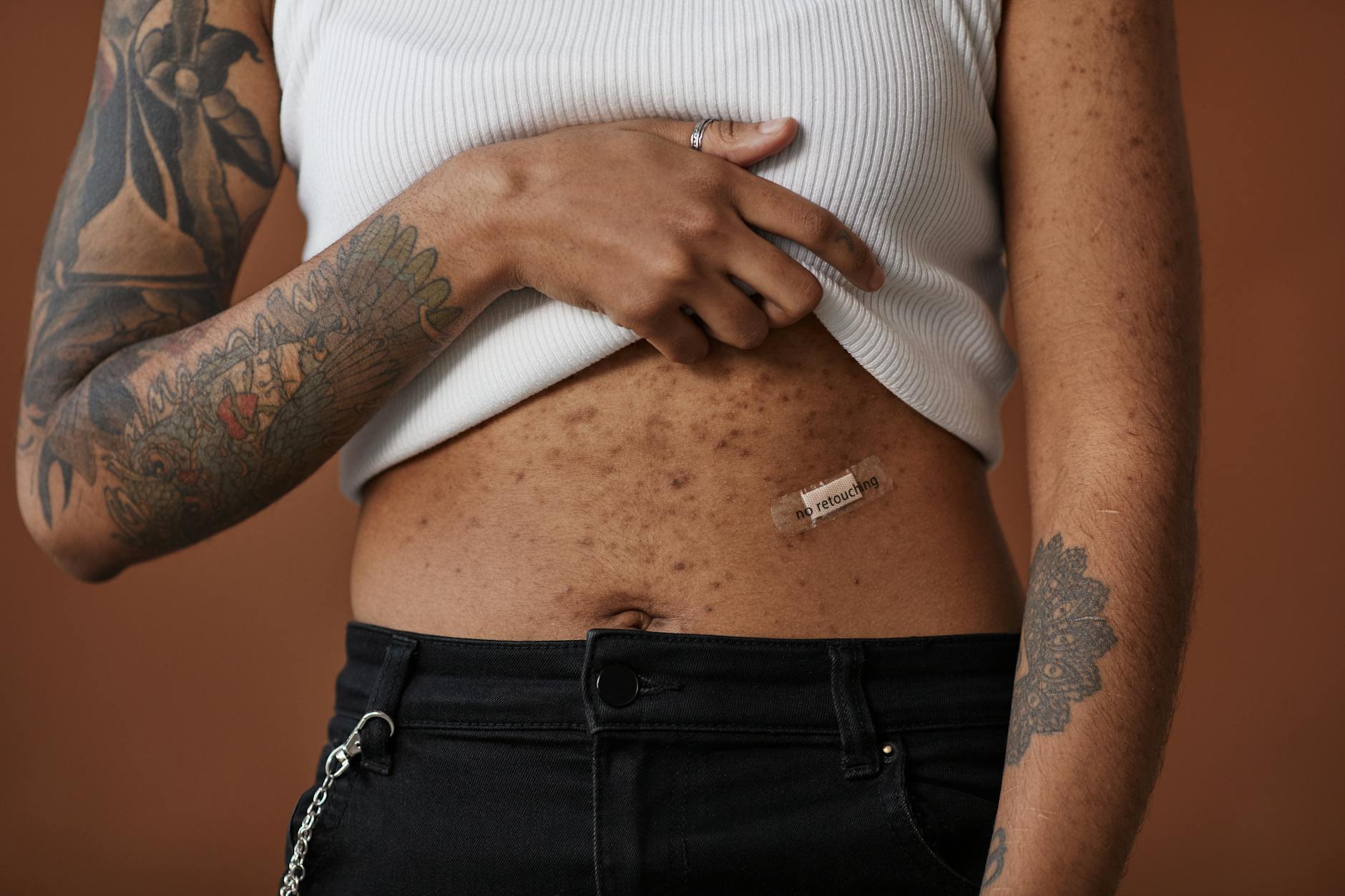
A substantial portion of people dealing with body acne can see meaningful improvement in their scars through professional treatment options. Research indicates that at least 26% of body acne patients experience significant improvement in their scarring when they pursue professional interventions rather than relying on at-home care alone. This statistic matters because it provides realistic hope for the millions of people whose acne has left lasting marks on their chest, back, shoulders, or other areas of the body. Body acne scars differ from facial scars in several important ways.
The skin on your back and chest is thicker and has different healing properties than facial skin, which affects both how scars form and how treatments work. A 35-year-old patient might have spent years frustrated by deep boxcar scars covering their entire upper back—scars that seemed permanent and untreatable. When that patient finally consulted a dermatologist and underwent a series of professional treatments, they experienced the kind of meaningful improvement that statistics capture. Understanding that professional options exist and knowing what to expect is the first step toward better outcomes.
Table of Contents
- What Percentage of Body Acne Patients Actually See Significant Scar Improvement?
- Understanding Body Acne Scars and Why Professional Treatment Works Differently Than Facial Treatments
- Different Types of Body Acne Scars and Treatment Response Rates
- Professional Treatment Options: What Actually Works for Body Acne Scars
- Recovery Expectations and Common Treatment Limitations
- Body Acne Scar Treatment in Different Skin Types
- The Future of Body Acne Scar Treatment and Emerging Options
- Conclusion
- Frequently Asked Questions
What Percentage of Body Acne Patients Actually See Significant Scar Improvement?
The 26% figure represents patients who achieved significant improvement, but the broader treatment picture involves even more people. When dermatologists measure “significant improvement,” they typically mean at least a 50-75% reduction in the appearance or depth of scarring. This is a measurable standard, not marketing language, which makes the statistic genuinely meaningful. Some patients see even greater improvements, while others fall into the moderate improvement category that still transforms their confidence and comfort in their own skin.
It’s crucial to understand what this statistic doesn’t claim. It doesn’t suggest that 26% of all people with body acne will automatically see improvement—it specifically refers to those who pursue professional treatment. Many people with body acne don’t have scarring at all, or have only minor textural changes. The statistic becomes relevant only when someone has actual scarring and decides to seek professional help. Additionally, the “at least 26%” phrasing indicates this may be a conservative estimate, and actual improvement rates in specialized dermatology practices often run higher depending on the specific treatment method chosen and patient factors like age, skin tone, and scar depth.

Understanding Body Acne Scars and Why Professional Treatment Works Differently Than Facial Treatments
Body acne scars form through the same biological process as facial scars, but the thicker dermis on the chest and back creates different healing dynamics. When acne inflammation damages collagen, the body attempts to repair the area, but sometimes the repair is incomplete (atrophic scars) or excessive (hypertrophic scars). Body acne scars tend to be more pronounced because body skin has more active sebaceous glands and experiences greater friction from clothing and movement, which can worsen existing inflammation during the healing phase. Professional treatments for body acne scars include microneedling, chemical peels, laser resurfacing, subcision, dermal fillers, and combination approaches.
The reason professionals achieve better results than at-home treatments involves precision and depth of penetration. A dermatologist using fractional laser technology can target specific depths of scarring without damaging surrounding healthy skin, something no over-the-counter product can replicate. However, there’s an important caveat: results vary significantly based on scar type. Boxcar scars often respond well to professional treatments, while rolling scars sometimes require multiple different modalities, and hypertrophic scars occasionally need steroid injections before other treatments work effectively. Some patients require 6-12 months of treatment and multiple sessions to achieve the 50% improvement threshold that counts as “significant.”.
Different Types of Body Acne Scars and Treatment Response Rates
Atrophic scars—the depressed, pit-like scars that account for the majority of acne scarring—respond reasonably well to professional treatments because building new collagen or lifting the skin edges both produce visible results. Boxcar scars, which have steep vertical walls and defined edges, can improve dramatically with treatments like microneedling with radiofrequency, which shows improvement rates above 50% in many studies. Rolling scars, characterized by their gentle wave-like appearance and typically deeper dermal involvement, often require subcision or multiple treatments because the scar tissue is tethered deep below the skin surface.
A 42-year-old patient with rolling scars across their shoulders might undergo subcision first—where a needle-like tool severs the fibrous bands pulling the scar tissue down—followed by microneedling and eventually laser treatment over several months. This staged approach addresses the underlying structural problem first, then builds new collagen and resurfacing. Without understanding the scar type, patients sometimes try surface-level treatments that can’t address deeper structural issues, leading to disappointing results and the false conclusion that “nothing works.” The key difference with professional treatment is that dermatologists can diagnose specific scar architecture and select treatments that directly address that structure.
Professional Treatment Options: What Actually Works for Body Acne Scars
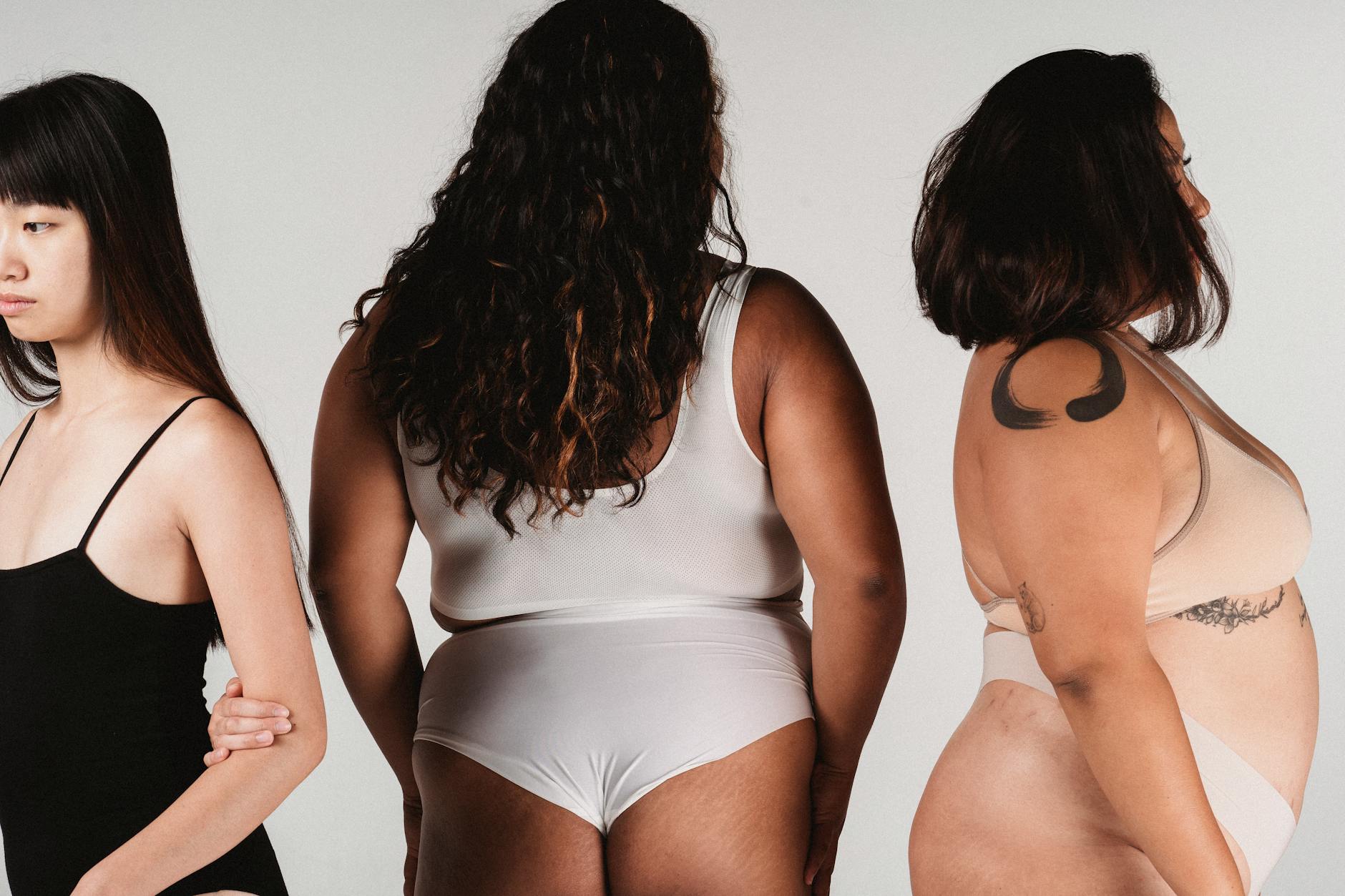
The most evidence-backed treatments include microneedling (sometimes combined with radiofrequency for deeper penetration), fractional laser resurfacing, and chemical peels. Microneedling creates controlled micro-injuries that trigger the body’s natural healing response and collagen remodeling. Fractional lasers remove tiny columns of skin tissue, stimulating healing from within while leaving surrounding skin intact for faster recovery. Each approach has tradeoffs: fractional lasers often show faster results but carry higher risk of temporary pigmentation changes, particularly in darker skin tones. Microneedling is generally safer across skin types but typically requires more sessions.
Combination treatments often outperform single modalities. A patient might start with fractional laser for the deepest scars, then move to microneedling for residual shallow scars, then finish with a light chemical peel for overall skin texture. This multimodal approach is why experienced dermatologists achieve the higher improvement rates. However, combination treatments also mean higher costs and longer treatment duration. Some practices charge $500-$1,500 per session depending on the area size and treatment intensity, and significant improvement might require 4-8 sessions over 6-12 months.
Recovery Expectations and Common Treatment Limitations
Professional scar treatments require downtime and realistic expectations about recovery. Fractional laser treatments can cause 3-7 days of redness and peeling before the skin settles. Microneedling with radiofrequency might produce 2-5 days of visible skin irritation. During this recovery period, patients need to avoid direct sun exposure, intense exercise, and certain skincare products. The limitation that surprises many patients is that results continue improving for 12 weeks after each treatment as collagen remodeling progresses, so final results aren’t immediately visible.
Another important limitation: some scars are too deep or structural for non-surgical approaches. Severe icepick scars—narrow, very deep scars that resemble puncture wounds—sometimes need surgical excision or punch grafting rather than laser and microneedling alone. Additionally, if someone continues getting acne breakouts, new scarring can occur during treatment, negating progress. This is why dermatologists typically recommend getting acne under control with appropriate skincare and possibly prescription medications (retinoids, oral antibiotics, or isotretinoin for severe cases) before committing to expensive scar treatments. Treating scars while active acne persists is like repainting a room while the roof still leaks.
Body Acne Scar Treatment in Different Skin Types
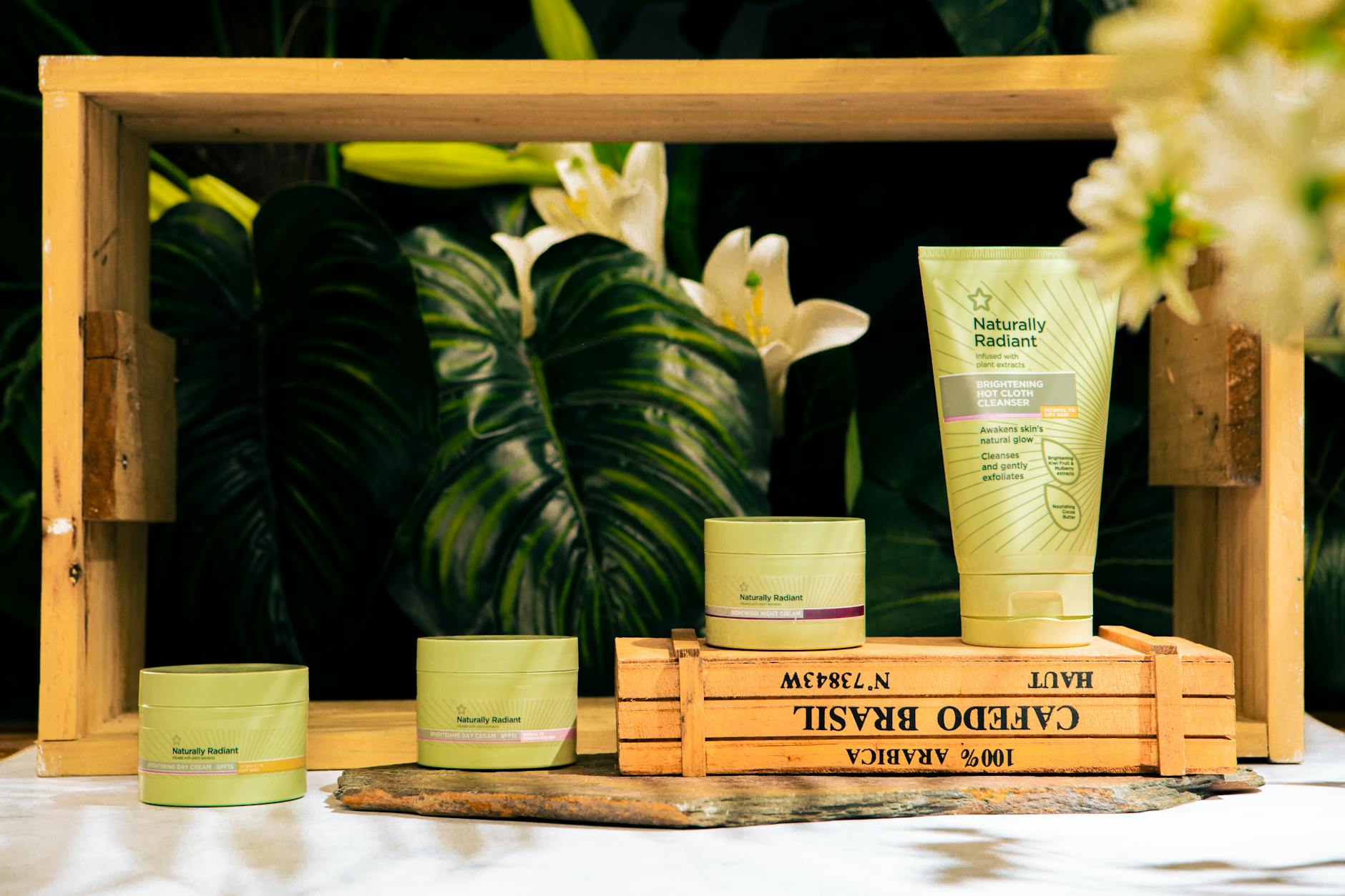
Darker skin tones present specific considerations because of higher risk of post-inflammatory hyperpigmentation and keloid formation. Fractional laser treatments must be done more conservatively in deeper skin types to avoid temporary darkening that can persist for months. Microneedling is often a safer first option for darker skin because it’s less likely to cause pigmentation changes.
A 28-year-old patient with deep skin tone and rolling scars on their chest might benefit more from multiple microneedling sessions than from fractional laser, even though laser might show faster results in lighter skin types. Professional dermatologists experienced with diverse skin types understand these nuances and adjust their approach accordingly. This is why seeking treatment from someone with specific experience in treating body acne scars across different skin types matters. General practitioners or aestheticians with limited experience in darker skin tones sometimes recommend the same treatment protocol for everyone, which can lead to suboptimal results or pigmentation problems.
The Future of Body Acne Scar Treatment and Emerging Options
Newer technologies continue to evolve the landscape of scar treatment. Radiofrequency microneedling (sometimes called RF microneedling) combines the safety of microneedling with the depth of radiofrequency energy, showing promise for deeper scars with less downtime than traditional fractional laser. Some practices now offer combination protocols with platelet-rich plasma (PRP) or other biostimulating agents, though evidence for these additions is still emerging and costs increase significantly.
The direction of treatment is moving toward more personalized, multimodal approaches that respect individual skin types and specific scar characteristics rather than applying a one-size-fits-all protocol. For someone considering treatment now, the advantage is that proven, effective options exist today. The 26% significant improvement rate represents treatments that are already available and have established safety profiles and efficacy data. Waiting for hypothetically better future treatments means living with current scarring, while pursuing professional treatment now offers concrete results that most people find meaningful enough to justify the time and cost investment.
Conclusion
The evidence that at least 26% of body acne patients experience significant scar improvement through professional treatment represents real hope backed by clinical data. These improvements don’t happen by accident or through luck—they result from dermatologists matching the right treatment to the specific scar type and following through with the necessary number of sessions and proper aftercare. For people who’ve lived with the physical and emotional impact of body acne scarring, knowing that meaningful improvement is possible changes the decision calculus completely.
Taking the step toward professional treatment begins with a dermatology consultation where a specialist can examine your specific scars, discuss your goals, and explain which treatments are most likely to help. Treatment requires patience, follow-through with multiple sessions, and realistic expectations about timelines and results. The 26% statistic should encourage you not because the percentage is high, but because it’s real—these are actual people who pursued treatment and saw their scars improve measurably enough that they no longer blend into the background of their daily experience.
Frequently Asked Questions
How long does it take to see results from professional body acne scar treatment?
Initial visible improvement often appears 4-6 weeks after the first treatment, but significant improvement continues for 12 weeks as collagen rebuilds. Most patients require multiple sessions scheduled 4-8 weeks apart, so meaningful results typically appear over a period of 3-6 months minimum.
Will my acne have to be completely clear before I start scar treatment?
Active acne doesn’t prevent scar treatment, but dermatologists typically recommend having acne under control before expensive scar treatments. Continuing to break out creates new scars while you’re treating existing ones, which wastes treatment effort and money.
Does professional scar treatment work on very old scars?
Yes, scars that are years old respond similarly to newer scars because the underlying collagen structure doesn’t change with time. Older scars are sometimes slightly more resistant because the tissue has been in place longer, but treatment success isn’t determined by scar age.
What’s the average cost of professional body acne scar treatment?
Treatment costs vary widely but typically range from $500-$1,500 per session depending on the treatment type, area size, and your location. Most significant improvement requires multiple sessions, so total treatment costs often fall between $3,000-$8,000 or more for comprehensive results.
Can over-the-counter scar treatments achieve the same results as professional treatment?
Over-the-counter products like silicone-based creams, vitamin C serums, and topical retinoids can improve skin texture and appearance slightly, but they cannot penetrate deep enough or create the controlled injury response that professional treatments achieve. Professional treatments work at the dermal level where scars actually form.
Is there downtime after scar treatment?
Recovery depends on treatment type. Microneedling typically causes 2-3 days of visible redness. Fractional laser causes more pronounced redness and peeling for 4-7 days. During recovery, protect your skin from sun exposure and avoid strenuous exercise. Most patients can return to normal activities within a week.
You Might Also Like
- At Least 57% of Men With Back Acne Say That Their Acne Scars Can Be Significantly Improved With Professional Treatment
- At Least 67% of People With Acne Scars Don’t Realize That Teledermatology Can Provide a Prescription in 24 to 48 Hours
- At Least 66% of Teenagers With Acne Say That Their Cleanser Is Making Their Acne Worse