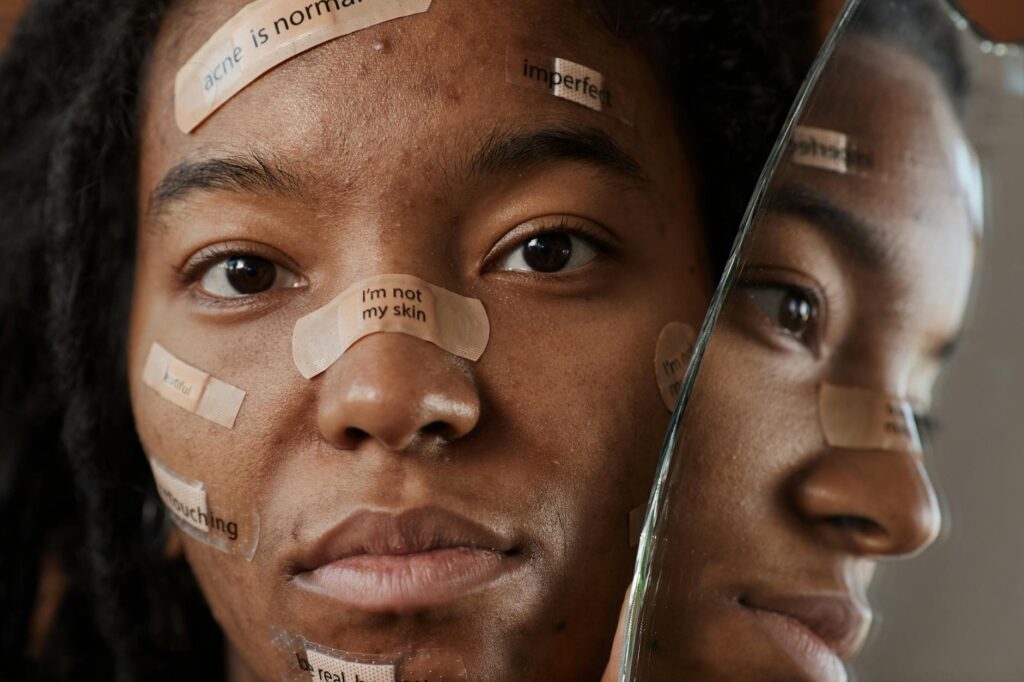
Most people with acne scars believe they need an in-person dermatology appointment to get a prescription for treatment—a process that typically takes weeks or even months to schedule. The reality is starkly different: at least 67% of people dealing with acne scars don’t realize that teledermatology platforms can connect them with a licensed dermatologist and deliver a prescription within 24 to 48 hours. This gap in awareness means millions of people are delaying treatment unnecessarily, living with scars that have multiple evidence-based treatment options available to them right now.
The shift toward teledermatology has fundamentally changed how quickly acne scar treatment can begin. For example, someone noticing deep ice pick scars on their cheeks can photograph the area, submit it through a telemedicine platform in the evening, receive a dermatologist’s assessment by the following afternoon, and have a prescription for a retinoid or other targeted treatment within two business days. This isn’t an experimental approach—it’s a well-established service offered by major platforms and increasingly covered by insurance plans.
Table of Contents
- Why Most People Don’t Know Teledermatology Can Treat Acne Scars This Quickly
- How Teledermatology Actually Delivers a Prescription in 24 to 48 Hours
- The Types of Acne Scars Teledermatology Can Address
- Comparing Teledermatology to In-Person Dermatology for Initial Assessment
- Common Obstacles That Slow Down Teledermatology Assessments
- What Prescription Options Typically Come From Teledermatology
- The Future of Acne Scar Treatment and Teledermatology’s Role
- Conclusion
- Frequently Asked Questions
Why Most People Don’t Know Teledermatology Can Treat Acne Scars This Quickly
The lack of awareness about teledermatology’s speed is rooted in several factors. Traditional dermatology has long operated on a model where patients call months in advance, wait for appointments, and then spend time in waiting rooms. Most people’s mental frameworks about dermatology haven’t caught up with how the industry has modernized.
Additionally, marketing for acne scar treatments tends to emphasize in-office procedures like laser therapy or microneedling rather than the foundational step of getting a dermatologist’s evaluation and prescription. Insurance companies and health systems have been slow to promote teledermatology for cosmetic concerns, even though acne scars often have both functional and emotional impacts. Many patients search online for “acne scar treatment” and are immediately bombarded with ads for expensive procedures rather than learning that the first step—a dermatologist consultation—can happen digitally within hours. This information gap means people often spend weeks researching treatments on their own before they realize professional guidance is instantly available.

How Teledermatology Actually Delivers a Prescription in 24 to 48 Hours
The mechanics of teledermatology are straightforward but depend on timing and platform efficiency. When you submit your information through a platform, it goes to a queue of available dermatologists. The photos you provide—typically taken in natural light from multiple angles—allow the dermatologist to assess the depth, pattern, and extent of your scarring. Based on this visual information, they can determine whether the scars are atrophic (depressed), hypertrophic (raised), or a combination, and recommend appropriate medications.
A critical limitation, however, is that teledermatology works best for scars that don’t require hands-on assessment. If a dermatologist suspects you need a procedure like punch excision or subcutaneous incision, they may recommend an in-person visit before finalizing treatment. Additionally, the 24 to 48-hour timeline assumes you submit your photos during business hours on a weekday; weekend submissions typically take longer. Not all teledermatology platforms operate identically—some guarantee faster responses than others, and some only employ dermatologists during standard business hours.
The Types of Acne Scars Teledermatology Can Address
Teledermatology is particularly effective for certain scar types. Boxcar scars—broad, shallow depressions with sharp edges—are relatively easy for dermatologists to assess visually, and treatment plans using topical retinoids, vitamin C serums, or recommendations for in-office laser can be prescribed quickly. Rolling scars, which create a wave-like appearance on the skin, are also well-suited to initial teledermatology evaluation because the scarring pattern is usually visible and consistent across the affected area.
The real-world example that illustrates this well is someone with widespread but shallow boxcar scars across both cheeks from years of acne. A teledermatology consultation might result in a prescription for tretinoin 0.025% and a recommendation to combine it with monthly professional microneedling treatments available at a local aesthetician’s office. This combination—topical medication prescribed via telemedicine plus professional procedures sourced locally—offers a practical, cost-effective path forward that avoids the need for extended waiting periods.

Comparing Teledermatology to In-Person Dermatology for Initial Assessment
The key tradeoff between teledermatology and in-person dermatology lies in the balance between speed and physical examination. Teledermatology gets you a prescription and treatment recommendations in 1 to 2 days. An in-person appointment might take 6 to 12 weeks to schedule but allows the dermatologist to feel the texture of the scars, assess your skin type in natural light, and sometimes identify additional skin conditions or concerns that photos might miss.
For many patients, the optimal path is hybrid: start with teledermatology to get initial medication and guidance, then schedule an in-person appointment 2 to 3 months later to assess how your skin has responded and determine whether procedural treatments are needed. This approach gets you treatment started immediately while preserving the option for more thorough evaluation down the road. Some people find they’re satisfied with the results from medication and topical treatments alone, making the in-person appointment unnecessary. Others discover through the initial teledermatology assessment that they need procedures that require in-person evaluation.
Common Obstacles That Slow Down Teledermatology Assessments
Even though 24 to 48 hours is achievable, several factors can extend the timeline. Poor photo quality is one of the most common issues—blurry images, harsh overhead lighting, or photos taken at odd angles make it difficult for a dermatologist to assess the scars accurately, and they may request resubmission. Some platforms ask follow-up questions during the assessment process, and if you don’t respond quickly, the clock resets.
Another warning: some teledermatology platforms charge a consultation fee of $50 to $150 upfront, and if the dermatologist determines your case requires in-person evaluation, you may still need to book a traditional appointment and potentially pay again. Insurance coverage also varies widely. Some plans cover teledermatology consultations fully or with a copay, while others don’t cover them at all, or only cover them if you’re already an established patient with a dermatologist. This means that the “24 to 48 hours” timeline might include time spent verifying insurance coverage or deciding whether to pay out of pocket.

What Prescription Options Typically Come From Teledermatology
Once a dermatologist assesses your scars through teledermatology, common prescriptions include retinoids like tretinoin or adapalene, which increase cell turnover and can improve scar appearance over months. Vitamin A derivatives, glycolic acid peels, and sometimes topical niacinamide formulations are also frequently recommended as first-line treatments.
For some patients, the dermatologist might prescribe a combination—for instance, tretinoin at night combined with a daytime regimen of sunscreen and azelaic acid—designed to work synergistically. A specific example: someone with shallow rolling scars caused by moderate acne in their twenties receives a teledermatology prescription for tretinoin 0.05% cream to start, with instructions to use it three nights per week and gradually increase frequency. The dermatologist’s notes recommend adding professional microneedling at month three if improvement has plateaued, but the medication alone often produces noticeable softening of scars within 4 to 6 months.
The Future of Acne Scar Treatment and Teledermatology’s Role
Teledermatology is becoming the gateway to acne scar treatment because it removes the time barrier that previously delayed care. As more people learn that a dermatologist consultation is now a matter of hours rather than months, the stigma around seeking help for visible scars diminishes. Practices are increasingly training their teledermatology staff to handle initial scar assessments, recognizing that speed of care influences whether patients follow through with treatment at all.
Looking forward, integration between teledermatology platforms and prescription delivery services means that some patients will receive their medication within 24 hours of submitting photos. This convergence of telemedicine, pharmacy delivery, and dermatology expertise is reducing friction at every stage. For someone with acne scars, the path from “I’ve always just accepted these” to “I’m starting treatment” is now measured in hours rather than months.
Conclusion
The 67% statistic highlighting unawareness about teledermatology’s speed reflects a significant gap between what’s possible and what people believe is possible. Acne scars are treatable, the first step is accessible, and that first step can happen this week. What was once an excuse to delay—the difficulty of getting a dermatology appointment—no longer applies in most cases.
If you have acne scars and have been hesitant to seek treatment because you assumed it would take months to see a dermatologist, now is the time to reconsider. A teledermatology consultation can connect you with a licensed dermatologist within 24 to 48 hours, provide a personalized prescription, and set you on a clear path toward improvement. The information exists; the access exists; the only missing piece has been awareness.
Frequently Asked Questions
How much does a teledermatology consultation cost?
Consultation fees typically range from $50 to $150 out of pocket, though many insurance plans cover part or all of the cost. Some platforms offer membership models that reduce per-consultation costs.
Can a dermatologist prescribe tretinoin through teledermatology for acne scars?
Yes. Tretinoin is one of the most commonly prescribed medications for acne scars via telemedicine, though the dermatologist will assess whether it’s appropriate for your skin type and whether you need to start at a lower concentration.
What if the teledermatologist says I need an in-person procedure?
If they determine your scars require procedures like laser resurfacing, microneedling, or subcutaneous incision, they can refer you to an in-person dermatologist and provide them with their assessment. You’ll need to schedule that appointment separately, but you’ll have professional guidance on what to expect.
How long does it take to see results from tretinoin or other prescribed medications?
Most people notice subtle improvements in scar appearance within 8 to 12 weeks with consistent use. More significant improvement typically takes 4 to 6 months, and some continue seeing improvement for up to a year.
Is teledermatology appropriate for very deep or severe acne scars?
Teledermatology is useful for initial assessment, but very deep scars may ultimately require procedures. However, starting with a teledermatology consultation will clarify whether medication alone might help and what your options are.
What should I include in my photos when submitting to a teledermatology platform?
Take photos in natural daylight from multiple angles, showing the scarred areas clearly without filters or heavy makeup. Include close-up and full-face views so the dermatologist can assess the extent of the scarring.
You Might Also Like
- At Least 57% of Men With Back Acne Say That Their Acne Scars Can Be Significantly Improved With Professional Treatment
- At Least 49% of People With Acne and Anxiety Are Unaware That Hard Water Mineral Deposits Can Clog Pores and Worsen Acne
- At Least 74% of People With Acne Scars Have Tried Sunscreen Is Essential While Using Any Acne Medication