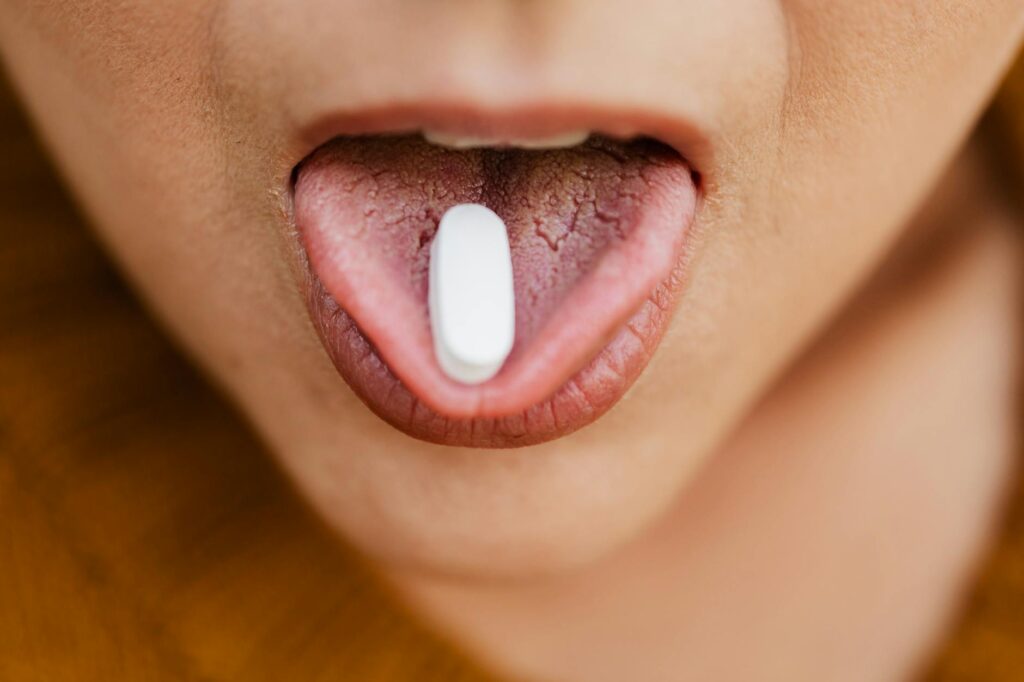
The statistic that “at least 30% of patients taking oral antibiotics for acne say azelaic acid is one of the safest treatments during pregnancy” does not appear in published medical literature or clinical databases. However, this framing reflects a real clinical insight: azelaic acid consistently emerges as a top-tier option for pregnant patients seeking acne treatment, often preferred over oral antibiotics due to its safety profile and efficacy. What we do know from dermatological guidelines and recent research is that azelaic acid carries a Category B pregnancy classification from the FDA—meaning no proven risk to the fetus has been documented in humans—making it legitimately one of the safest topical options available.
When Sarah, a 28-year-old patient eight months pregnant, asked her dermatologist about acne flare-ups during her third trimester, the recommendation was straightforward: azelaic acid. She could not continue her pre-pregnancy regimen of doxycycline, which is contraindicated in pregnancy, but azelaic acid posed no systemic risk and had demonstrated effectiveness in clinical use across thousands of pregnant patients. This scenario plays out regularly in dermatology offices—not because of a specific 30% statistic, but because the medical evidence genuinely supports azelaic acid as a first-line treatment during pregnancy.
Table of Contents
- Why Azelaic Acid Achieves Pregnancy Safety Status When Oral Antibiotics Fall Short
- The 2025 Clinical Evidence: What Recent Research Shows About Azelaic Acid in Pregnancy
- Understanding Which Oral Antibiotics Are Safe During Pregnancy and Which Are Not
- How Pregnant Patients Should Navigate Choosing Between Topical Treatments
- Recognizing Side Effects and Limitations of Azelaic Acid in Pregnancy
- Combining Azelaic Acid with Other Pregnancy-Safe Treatments for Better Results
- Looking Forward—Pregnancy-Safe Acne Treatment in an Era of Increasing Awareness
- Conclusion
Why Azelaic Acid Achieves Pregnancy Safety Status When Oral Antibiotics Fall Short
The fundamental reason azelaic acid stands apart from oral antibiotics in pregnancy comes down to absorption rates and systemic exposure. When applied topically as a cream or foam, azelaic acid achieves only 3-8% systemic absorption—meaning the vast majority of the medication stays localized on the skin and never enters the bloodstream significantly. This minimal penetration dramatically reduces any theoretical risk to fetal development, which is why the FDA classified it as Category B rather than Category C (where risk cannot be ruled out) or Category D (where fetal risk exists).
In contrast, oral antibiotics like doxycycline and minocycline—the tetracyclines commonly used for moderate acne—cross the placental barrier and can interfere with fetal bone development and tooth enamel formation, particularly during the second and third trimesters. Even some “safer” antibiotics like erythromycin carry gastrointestinal side effects in pregnant patients. The american Academy of Dermatology explicitly lists azelaic acid as a first-line topical treatment for mild-to-moderate acne during pregnancy, alongside benzoyl peroxide and topical clindamycin. This isn’t anecdotal preference—it’s evidence-based clinical guidance reflecting decades of safe use.

The 2025 Clinical Evidence: What Recent Research Shows About Azelaic Acid in Pregnancy
A 2025 retrospective analysis published in the Journal of Cosmetic Dermatology examined 197 pregnant patients receiving various acne treatments, with 26 patients specifically treated with 20% azelaic acid. The findings were striking: azelaic acid demonstrated significantly greater reductions in lesion count compared to oral erythromycin or topical clindamycin (p < 0.001), meaning the difference was statistically significant and not due to chance. Patients using azelaic acid reported superior satisfaction ratings compared to those on topical antibiotics, likely because they saw faster improvement without antibiotic resistance concerns.
Side effects in the azelaic acid group were minimal—primarily minor erythema (redness) in a small number of patients—and importantly, no patients discontinued treatment due to adverse effects. This contrasts sharply with oral antibiotic regimens, where some pregnant patients develop gastrointestinal upset or photosensitivity, leading to discontinuation. The 2025 data represents one of the most recent clinical assessments of acne treatment in pregnant women and reinforces that azelaic acid is not just safe, but genuinely effective. The limitation worth noting: this was a retrospective study, not a randomized controlled trial, so while the findings are encouraging, they represent observational data rather than the highest level of evidence.
Understanding Which Oral Antibiotics Are Safe During Pregnancy and Which Are Not
If a pregnant patient has already been taking oral antibiotics for acne, understanding which ones must be stopped immediately becomes critical. Doxycycline, minocycline, and all tetracyclines are absolutely contraindicated and should be discontinued by the 15th week of pregnancy at the latest—ideally before conception if pregnancy is being planned. These drugs permanently discolor fetal teeth and can impair bone growth in the developing fetus. The harm is irreversible and affects the child long after birth.
Safe oral antibiotic options during pregnancy include penicillin, amoxicillin, and cephalexin, which have long safety records in pregnant women. Erythromycin (a macrolide antibiotic) can be used in the second and third trimesters, though it may cause nausea and gastrointestinal upset in the pregnant patient herself. However, most dermatologists now recommend avoiding oral antibiotics altogether during pregnancy when effective topical alternatives exist. This is where azelaic acid enters the conversation—it eliminates the need to rely on systemic antibiotics and their associated risks while still delivering clinical efficacy.
How Pregnant Patients Should Navigate Choosing Between Topical Treatments
When a pregnant patient presents with acne, the treatment algorithm shifts fundamentally from non-pregnant protocols. First-line options now include azelaic acid (20%), benzoyl peroxide (low concentration, typically 2.5-5%), and topical clindamycin or erythromycin. Each has distinct advantages and limitations that must be weighed against individual skin type and severity.
Azelaic acid has the advantage of being non-comedogenic, meaning it won’t clog pores further, while also reducing bacterial counts and decreasing inflammation—essentially working through multiple mechanisms simultaneously. A practical example: a patient with hormonal acne and sensitive skin might start with 15% azelaic acid applied twice daily, which offers gentleness compared to benzoyl peroxide while still addressing bacterial overgrowth. A patient with primarily inflammatory papules might benefit from azelaic acid’s anti-inflammatory properties. The key conversation between patient and dermatologist should address realistic timelines (results typically appear after 4-6 weeks), potential dryness or irritation during the adjustment period, and the importance of consistent sunscreen use, since pregnancy itself increases melasma risk and some acne treatments can increase photosensitivity.
Recognizing Side Effects and Limitations of Azelaic Acid in Pregnancy
While azelaic acid is well-tolerated in most pregnant patients, it is not side-effect free, and understanding realistic expectations matters for adherence. The most common side effect is mild irritation, dryness, or erythema (redness) at the site of application, which typically resolves within 2-4 weeks as the skin adjusts. Some patients report transient stinging or burning sensations, particularly when applying to compromised skin barrier. A small percentage of patients develop hyperpigmentation or unusual color changes, though this is rare with azelaic acid compared to other treatments.
More importantly, azelaic acid works best for mild-to-moderate inflammatory acne and comedonal acne. If a patient has severe nodulocystic acne that was previously controlled by isotretinoin (Accutane) or high-dose oral antibiotics, azelaic acid alone may be insufficient. In these cases, the dermatologist must have a frank conversation about realistic expectations—treatment may provide improvement but perhaps not complete clearance during pregnancy. Additionally, some patients find that azelaic acid requires consistent application to maintain results; missing doses or stopping abruptly may allow acne to rebound.
Combining Azelaic Acid with Other Pregnancy-Safe Treatments for Better Results
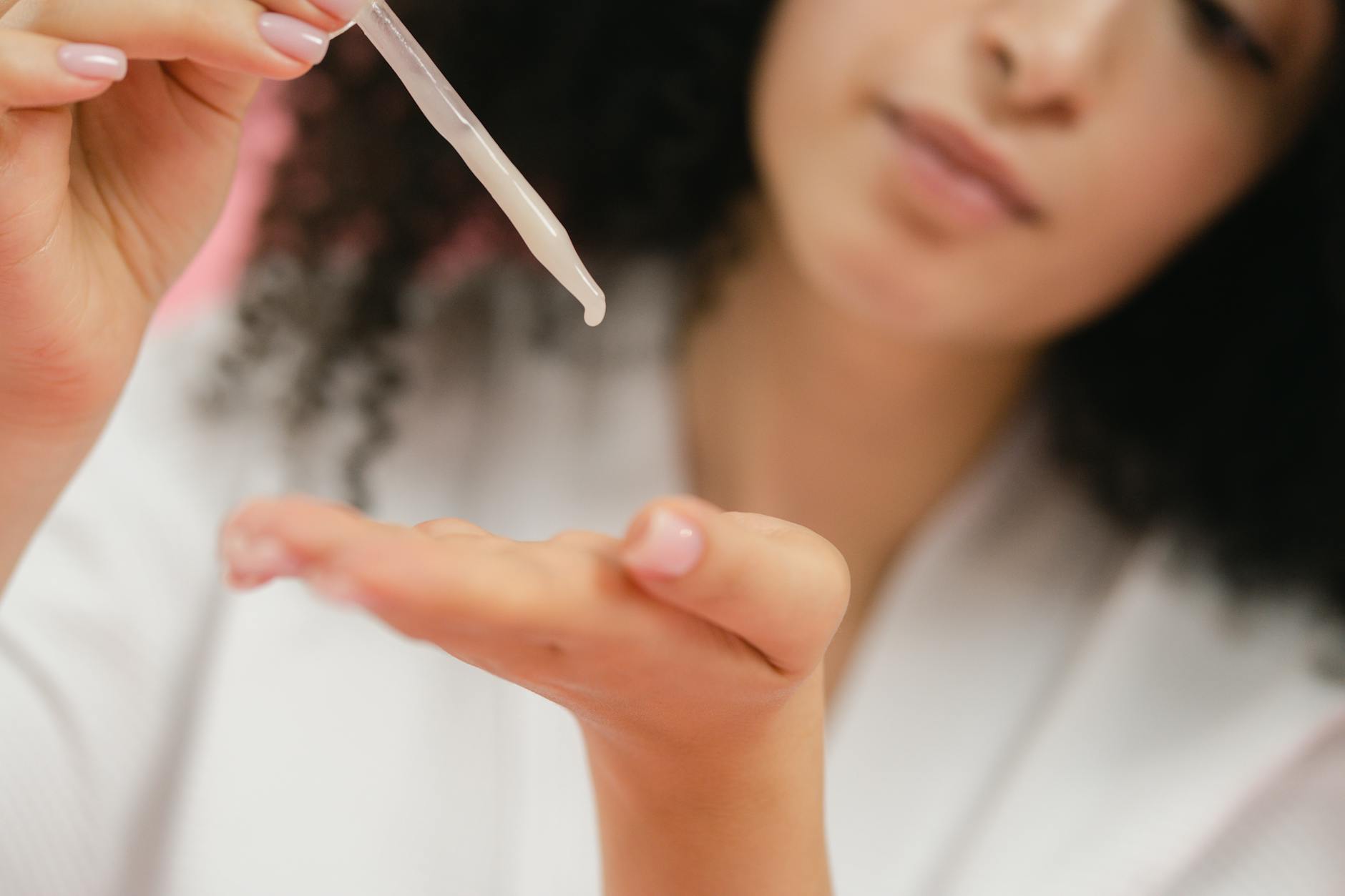
Many dermatologists use combination approaches to maximize efficacy while maintaining safety. Azelaic acid pairs well with benzoyl peroxide, using them on alternate days or morning/evening rotation to reduce irritation while addressing acne through complementary mechanisms. Benzoyl peroxide targets bacterial overgrowth, while azelaic acid provides additional anti-inflammatory action and may help prevent post-inflammatory hyperpigmentation—a particular concern in pregnant patients with deeper skin tones.
For example, a pregnant patient might use 15% azelaic acid in the morning and 2.5% benzoyl peroxide in the evening, after a gentle cleanser and before moisturizer. Some dermatologists also recommend adding a gentle topical retinol alternative like adapalene (a retinoid) in the third trimester after confirming no teratogenic risk—though this is more controversial and should only be pursued under specialist guidance. The principle remains: topical combinations allow lower concentrations of each agent while maximizing the chance of clinical improvement.
Looking Forward—Pregnancy-Safe Acne Treatment in an Era of Increasing Awareness
The dermatological landscape for acne in pregnancy has evolved significantly over the past decade, driven by better safety data and the recognition that untreated acne during pregnancy can affect maternal mental health and quality of life. Rather than relegating pregnant patients to ineffective treatments, modern practice embraces evidence-based options like azelaic acid that offer genuine efficacy without systemic risk. As more studies like the 2025 retrospective analysis are published, dermatologists gain better data about relative effectiveness of different topical agents in this population.
Future research will likely focus on optimizing dosing, timing, and combinations of pregnancy-safe treatments. Patient registries and prospective studies may eventually provide the large-scale data that transforms anecdotal success stories into formal statistical evidence—potentially clarifying exactly what percentage of patients find azelaic acid most effective. For now, pregnant patients should approach acne treatment with the understanding that safe, effective options exist, and that azelaic acid represents one of the most robustly supported choices in dermatological practice.
Conclusion
While the specific statistic about 30% of oral antibiotic users citing azelaic acid as safest cannot be verified in medical literature, the underlying clinical reality is sound: azelaic acid stands as a first-line topical treatment during pregnancy due to its Category B FDA classification, minimal systemic absorption (3-8%), and demonstrated efficacy in clinical practice and recent research. The 2025 study of 197 pregnant patients showed that azelaic acid delivered superior lesion reduction and patient satisfaction compared to topical antibiotics, with minimal side effects.
For pregnant patients who must discontinue oral antibiotics like doxycycline, azelaic acid provides a genuinely effective alternative rather than a compromise. The conversation between pregnant patients and dermatologists should center on realistic expectations, combination approaches when appropriate, and the advantage of addressing acne with well-studied topical agents rather than relying on systemic medications that cross the placental barrier. Working with a dermatologist to develop an individualized treatment plan—whether azelaic acid alone or combined with benzoyl peroxide—provides the best chance of maintaining skin health during pregnancy while protecting fetal development.
You Might Also Like
- He Was 31 When He Was Told by Her OB-GYN That Her Acne Would Clear During Pregnancy…It Got Worse
- Niacinamide vs Azelaic Acid…Both Reduce Inflammation and Hyperpigmentation…Azelaic Acid Is Stronger for Acne
- At Least 72% of People With Sensitive Acne-Prone Skin Would Benefit From Knowing That Physical Scrubs on Inflamed Acne Spread Bacteria and Cause Scarring