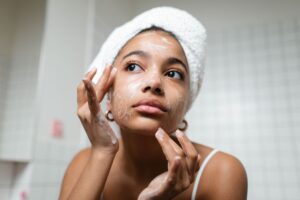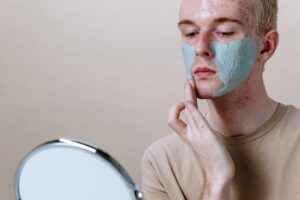
At 48, Sarah had spent decades maintaining clear skin, but sudden breakouts along her jawline and chin told her something was changing. When her dermatologist explained that fluctuating estrogen and progesterone during perimenopause and menopause were triggering acne, it connected dots she hadn’t realized were there. After conventional acne treatments failed to address the root cause, her doctor prescribed hormone replacement therapy (HRT). Within three months, her skin cleared significantly—the hormonal acne that had plagued her for two years finally retreated.
Menopausal acne is far more common than most women realize. Roughly half of women in their 40s and 50s experience acne breakouts during the menopausal transition, even if they never struggled with acne in their teenage years. Unlike adolescent acne, which results from hormonal surges, menopausal acne stems from hormonal decline and fluctuation. For many women like Sarah, topical treatments and over-the-counter remedies prove ineffective because they cannot address the underlying hormonal imbalance driving the breakouts.
Table of Contents
- Why Does Menopausal Acne Develop in Your 40s and 50s?
- Understanding Hormone Replacement Therapy as an Acne Treatment
- Real-World Results: How HRT Can Clear Stubborn Adult Acne
- Is HRT the Right Choice for Your Menopausal Acne?
- Side Effects and Risks You Should Know Before Starting HRT
- Alternative and Complementary Treatments for Menopausal Acne
- The Future of Menopause-Related Skin Care
- Conclusion
- Frequently Asked Questions
Why Does Menopausal Acne Develop in Your 40s and 50s?
Menopausal acne emerges due to the dramatic shift in hormone levels during perimenopause and menopause. As estrogen and progesterone decline, the ratio of androgens (male hormones that all women produce) becomes relatively higher. This shift triggers increased sebum production, clogged pores, and inflammation—the same process that causes teenage acne, but with a different hormonal origin. The body’s inflammatory response also tends to intensify during menopause, compounding skin issues. Stress compounds this effect.
During the menopausal transition, many women experience sleep disruption, mood changes, and life stressors. Cortisol, the stress hormone, further increases oil production and inflammation in the skin. A 45-year-old woman managing a demanding job, adult children, and aging parents may find that her skin breakouts worsen during high-stress periods—a connection her teenage self might not have experienced as intensely. The timing of menopausal acne is often unpredictable. Some women experience breakouts for just a few years during the perimenopause phase; others continue struggling with acne well into postmenopause. This variability makes menopausal acne frustrating—women expect clearer skin as they age, not persistent breakouts.
Understanding Hormone Replacement Therapy as an Acne Treatment
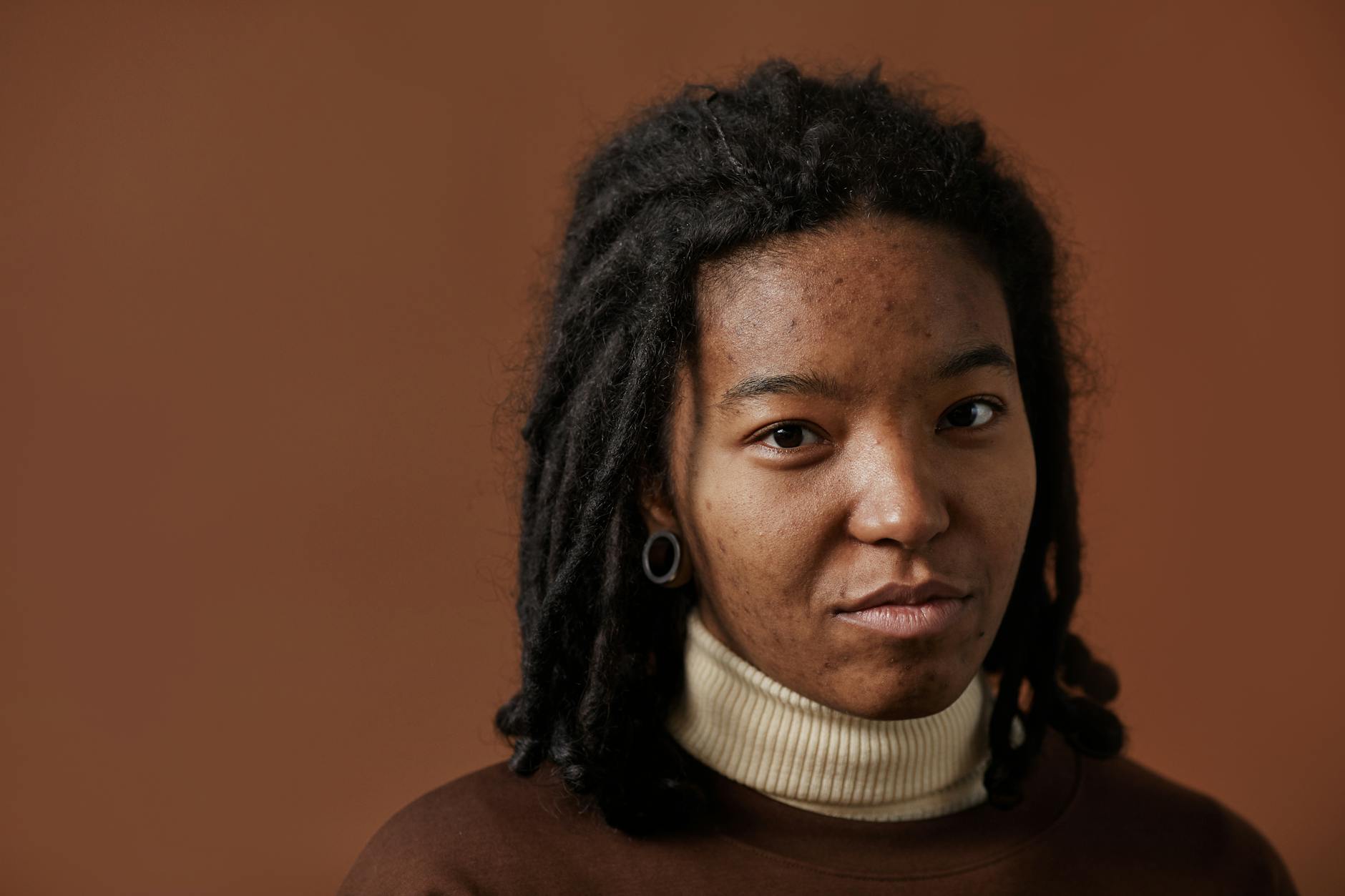
Hormone replacement therapy addresses the root cause of menopausal acne by restoring estrogen and progesterone levels. When HRT stabilizes hormone levels, sebum production normalizes, and the skin’s inflammatory response calms. This is why HRT often succeeds where acne creams fail—it targets the underlying hormonal driver rather than just the surface symptoms. Studies show that many women experience significant acne improvement within 2-4 months of starting HRT. However, HRT is not a targeted acne treatment—it’s a menopause management therapy that happens to clear acne as a beneficial side effect.
Dermatologists typically do not prescribe HRT specifically for acne; instead, women who start HRT for hot flashes, night sweats, or mood changes often notice their skin improves as a welcome bonus. The improvement depends partly on the specific hormone formulation and dose, as different HRT regimens affect the body differently. A critical limitation is that HRT requires ongoing use. Once a woman stops taking it, hormones fluctuate again and acne may return. Additionally, HRT carries risks—increased risk of blood clots, stroke, and certain cancers, particularly with estrogen-only formulations or extended use—that must be carefully weighed against the benefits. A woman choosing HRT for menopausal acne needs to understand she is making a decision with broader health implications.
Real-World Results: How HRT Can Clear Stubborn Adult Acne
Many women report dramatic improvements in acne after starting HRT. Margaret, 51, struggled with painful cystic acne on her jawline for three years before beginning transdermal estrogen patches and micronized progesterone. By month four, the breakouts had nearly stopped. Her dermatologist explained that her skin had finally returned to a hormonal environment where acne-causing bacteria had less opportunity to thrive. The location and type of menopausal acne often differs from teenage acne, which affects results. Menopausal acne typically clusters around the lower face, jaw, and chin—areas rich in oil glands and sensitive to hormonal fluctuations.
These deep, inflammatory breakouts respond better to systemic treatment like HRT than to topical acne medications designed for widespread teenage acne. In this sense, HRT success stories are common because the hormonal nature of the problem means a hormonal solution directly addresses it. Time matters significantly. Most dermatologists recommend giving HRT at least 3-6 months before assessing whether it’s effectively treating acne. Some women see improvement sooner; others require longer. Patience is essential, and combination therapy—using HRT alongside gentle skincare and possibly low-dose topical retinoids—often yields better results than HRT alone.
Is HRT the Right Choice for Your Menopausal Acne?
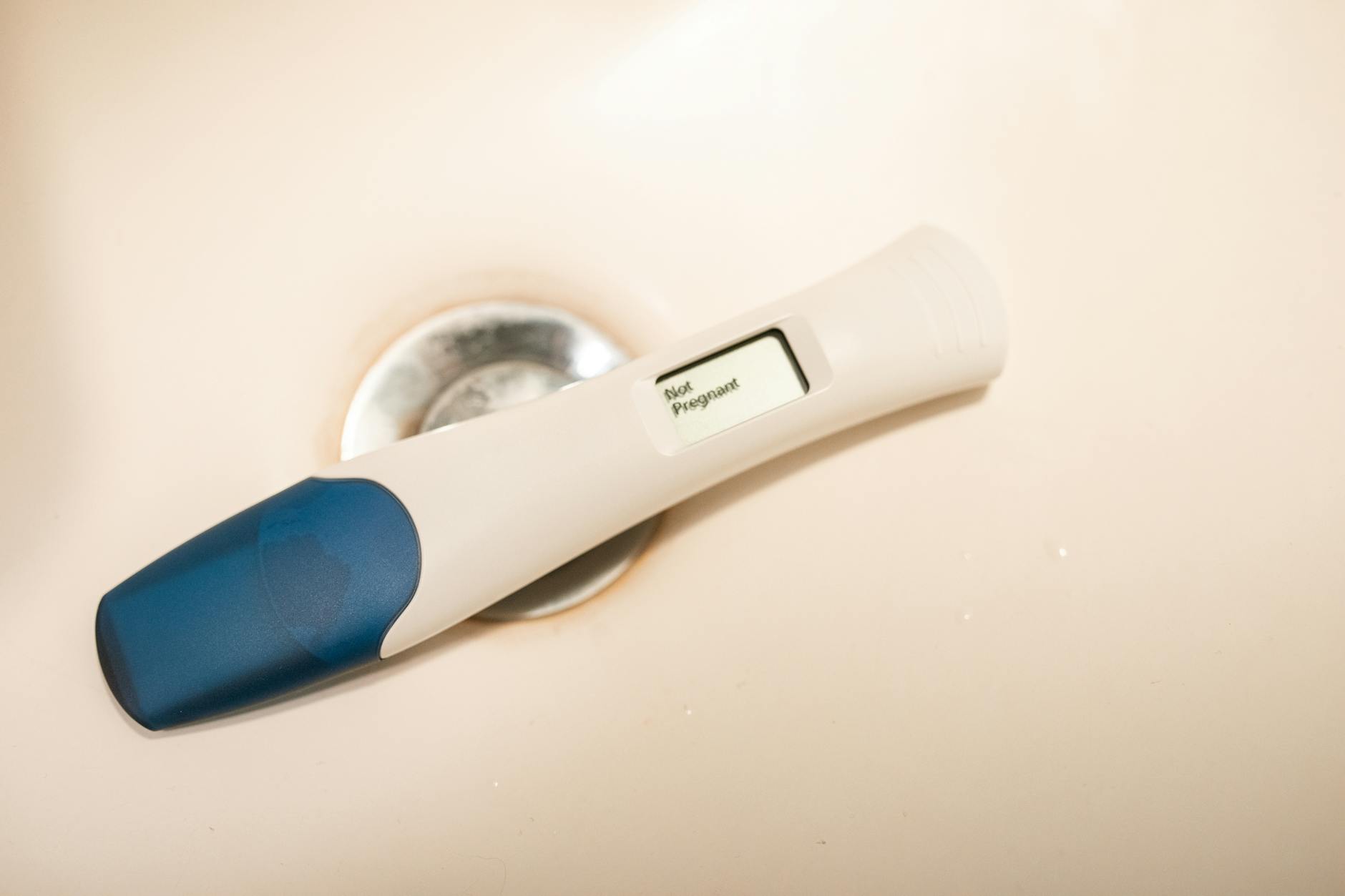
Deciding whether HRT is appropriate requires weighing multiple factors with a healthcare provider. Women with a personal or family history of breast cancer, blood clots, or stroke face higher risks and may not be candidates for HRT. Conversely, women experiencing severe menopausal symptoms—not just acne—alongside hot flashes and mood changes often find HRT beneficial for multiple concerns simultaneously. The decision becomes easier when HRT addresses multiple problems. Age and duration of menopause influence the decision. A 48-year-old in early perimenopause might safely use HRT for acne and other symptoms.
A 70-year-old five years past menopause faces different risk-benefit calculations. Current guidelines suggest that HRT is most appropriate for women within 10 years of menopause onset and for the shortest duration necessary. A woman using HRT solely for acne in her 60s presents a different case than one starting it at 50 for multiple menopausal symptoms. Alternative options exist and should be explored first, especially for younger women or those with contraindications to HRT. Low-dose oral antibiotics, spironolactone (a hormone-blocking medication), and prescription-strength topical retinoids all treat hormonal acne without the systemic risks of HRT. However, these alternatives often work more slowly and less completely than HRT, presenting a tradeoff between efficacy and safety.
Side Effects and Risks You Should Know Before Starting HRT
HRT carries well-documented risks that extend beyond acne treatment. The Women’s Health Initiative study, published in 2002, found increased risks of breast cancer, stroke, and blood clots with combined estrogen-progestin therapy. Subsequent research has refined these findings, showing that risk varies by age, formulation, duration of use, and individual factors. Transdermal estrogen (patches) carries lower clot risk than oral estrogen, and micronized progesterone may be safer than synthetic progestins. These nuances matter when a woman is considering HRT for acne. Common side effects also warrant discussion.
Many women experience breast tenderness, bloating, mood changes, or headaches when starting HRT. For menopausal acne treatment, these side effects can be as problematic as the original symptoms. A woman choosing HRT specifically to clear acne cannot ignore the possibility that it might trigger other uncomfortable symptoms. Dose adjustments and formulation changes can help, but finding the right regimen sometimes takes months of trial and error. A particularly relevant warning for women treating acne with HRT: some formulations may temporarily worsen acne before improving it. The hormonal shift as the body adjusts to HRT can trigger an initial “flare” of breakouts. Women should expect this possibility and not abandon HRT prematurely if acne worsens in the first 4-6 weeks.

Alternative and Complementary Treatments for Menopausal Acne
For women unable or unwilling to use HRT, other options exist. Spironolactone, a potassium-sparing diuretic, blocks androgen receptors and reduces sebum production. Many dermatologists prescribe it off-label for hormonal acne in women, and it works reliably. A typical dose is 50-100 mg daily, and improvements appear over 2-3 months. The tradeoff is that spironolactone requires regular blood tests to monitor potassium levels and kidney function, and it can cause breast tenderness and irregular periods. Skincare adjustments also help, though they cannot replace the acne-clearing effect of HRT.
Gentle cleansing, non-comedogenic moisturizers, and prescription-strength retinoids (tretinoin, adapalene) improve acne when used consistently. For menopausal women, a dermatologist-prescribed retinoid combined with spironolactone or HRT offers a comprehensive approach. Combining treatments often yields better results than relying on any single therapy. Lifestyle factors—stress management, sleep quality, and diet—influence menopausal acne severity. While these changes alone rarely clear acne as completely as HRT does, they support overall skin health and can reduce breakout frequency. A woman managing menopausal acne benefits from both systemic treatment and supportive lifestyle measures.
The Future of Menopause-Related Skin Care
Research into menopause-related skin conditions is expanding, and new treatment options are emerging. Selective estrogen receptor modulators (SERMs) and other compounds that interact with estrogen receptors may eventually offer acne treatment with lower risks than traditional HRT.
These medications remain largely in research phases, but they represent a future where targeted hormonal therapy might address menopausal acne without the broader systemic effects of HRT. For now, the standard approach—using HRT when appropriate, spironolactone or retinoids as alternatives, and careful dermatological monitoring—remains the most evidence-based strategy. As more women discuss menopausal acne openly with their healthcare providers, dermatologists are becoming more knowledgeable about hormone-related skin changes and better equipped to guide treatment decisions.
Conclusion
Menopausal acne is a real medical condition with a hormonal basis, and treating it requires addressing that hormonal foundation. Hormone replacement therapy succeeds for many women because it restores the hormonal environment in which acne cannot easily develop. However, HRT is not a standalone acne treatment—it is a menopause therapy with acne improvement as a potential benefit and risks that require careful consideration.
The decision to use HRT for menopausal acne should involve collaboration between dermatology and primary care, with honest discussion of risks, alternatives, and individual health factors. For women like Sarah, HRT provided not just clearer skin but relief from multiple menopausal symptoms. For others, spironolactone, prescription retinoids, or lifestyle changes may be more appropriate. The key is recognizing that menopausal acne is treatable, that the cause matters more than the symptom, and that effective treatment often requires looking beyond topical acne products to the hormonal systems driving the breakouts.
Frequently Asked Questions
Can topical acne treatments clear menopausal acne?
Most topical treatments are ineffective for menopausal acne because they cannot address the hormonal cause. While retinoid creams help with inflammation and may slightly reduce breakouts, they rarely produce the dramatic clearance that systemic hormone therapy achieves. Topical treatments work best as supplements to hormonal therapy, not replacements.
How long does it take for HRT to clear acne?
Most women see noticeable improvement within 2-4 months of starting HRT, though full clearance may take 6 months or longer. Some women experience an initial acne flare before improvement, and patience is essential. If acne hasn’t improved after 6 months on a stable HRT dose, reassessment with a dermatologist is warranted.
Is spironolactone as effective as HRT for menopausal acne?
Spironolactone is effective for hormonal acne but typically works more slowly than HRT and may not provide as complete clearance. Spironolactone is a reasonable alternative for women who cannot use HRT due to contraindications or preference. Some dermatologists combine spironolactone with HRT for enhanced results.
Will acne return if I stop HRT?
Yes, acne typically returns within weeks to months after stopping HRT because hormones decline again. If HRT is discontinued, alternative acne treatments (spironolactone, retinoids) should be considered to prevent recurrence.
What’s the difference between transdermal and oral HRT for acne?
Both can improve acne, but transdermal estrogen (patches) carries lower risk of blood clots compared to oral estrogen. The choice between formulations should be made with a healthcare provider based on individual risk factors, symptom severity, and personal preference. Both can effectively treat menopausal acne.
Can lifestyle changes alone treat menopausal acne?
Lifestyle changes—stress reduction, better sleep, improved diet—can reduce breakout frequency and support skin health but rarely clear menopausal acne completely. These changes work best when combined with medical treatment like HRT, spironolactone, or prescription retinoids.