

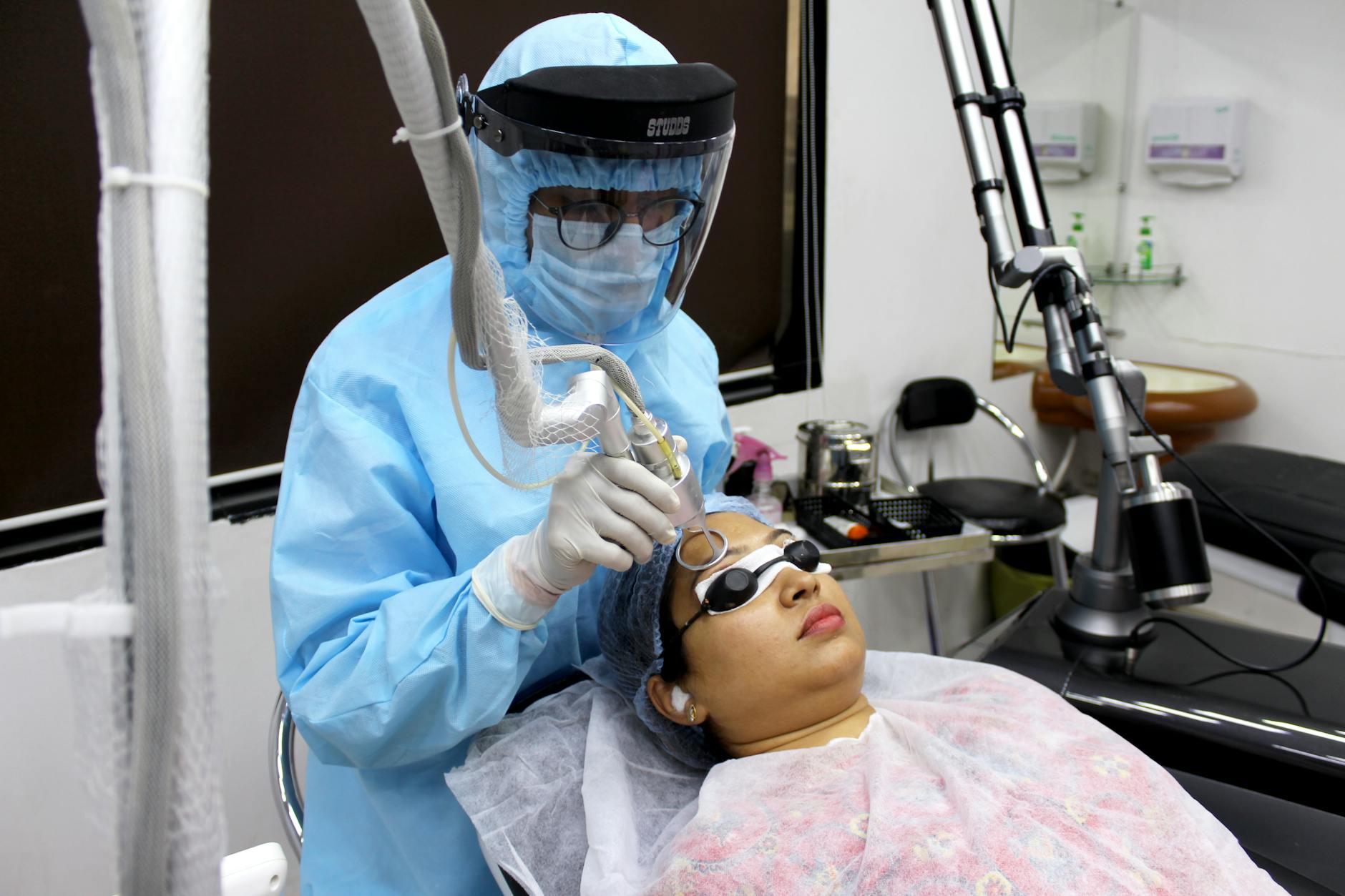
Insurance denies coverage for photodynamic therapy (PDT) for acne because the treatment is considered off-label and cosmetic. While photodynamic therapy is FDA-approved for treating actinic keratoses and certain skin cancers, it has never received FDA approval specifically for acne treatment. Because insurers cover only FDA-approved medical treatments and consider acne treatment a cosmetic concern, patients pay the entire cost out of pocket—often between $2,000 and $3,600 for a complete treatment series. Consider this real-world example: A 28-year-old woman with severe cystic acne consults her dermatologist and learns that PDT could reduce her breakouts by up to 70 percent.
Her insurance company denies the claim before she even schedules the first session, citing that acne treatment falls outside their medical necessity guidelines. She’s left with two options: abandon the treatment or pay $600 to $700 per session for four to six sessions—a financial barrier many patients cannot overcome. This coverage gap reveals a larger issue in healthcare: treatments that work clinically aren’t automatically covered just because insurance recognizes them as legitimate medical procedures. Understanding why PDT for acne sits in this gray zone helps patients make informed decisions and explore realistic alternatives.
Table of Contents
- Why Isn’t PDT for Acne FDA-Approved Despite Insurance Calling It a Cosmetic Treatment?
- The Financial Reality of Out-of-Pocket Photodynamic Therapy for Acne
- How Effective Is Photodynamic Therapy for Acne, and Does It Work for Everyone?
- What Are Your Realistic Payment and Coverage Options?
- Why Do Insurance Appeals for Photodynamic Therapy Acne Treatment Fail So Consistently?
- What Covered Alternatives Should You Exhaust Before Pursuing Photodynamic Therapy?
- Is Photodynamic Therapy Coverage Likely to Expand in the Future?
- Conclusion
- Frequently Asked Questions
Why Isn’t PDT for Acne FDA-Approved Despite Insurance Calling It a Cosmetic Treatment?
The answer lies in how regulatory approval works. The only FDA-approved photodynamic therapy product for skin conditions is Levulan Kerastick, a topical aminolevulinic acid applied before blue light treatment. However, this approval is strictly for actinic keratoses—precancerous lesions caused by sun damage—not acne. Some dermatologists have discovered that the same mechanism that destroys precancerous cells also reduces acne-causing bacteria and sebum production, but this represents off-label use. Off-label prescribing is legal and common in medicine.
Doctors can use approved medications and procedures for conditions beyond their official indication. However, insurance companies draw a critical distinction: they will reimburse FDA-approved treatments for their approved uses only. When a dermatologist uses PDT to treat acne, it falls outside the boundaries of what insurance will fund, even though the treatment itself is legitimate and FDA-approved for other purposes. This distinction matters because insurers classify acne treatment as cosmetic rather than medically necessary. While severe acne can cause psychological distress and scarring, insurance companies argue that cosmetic concerns fall to patients to fund independently. This classification persists despite evidence that severe acne significantly impacts quality of life and can lead to permanent disfigurement.
The Financial Reality of Out-of-Pocket Photodynamic Therapy for Acne
The cost structure for PDT reflects its classification as a cosmetic procedure. Individual sessions typically range from $300 to $700, depending on the size of the treatment area, the dermatology practice’s location, and the severity of the acne. A comprehensive treatment course requires three to six sessions spaced four weeks apart for optimal results. This means patients commit $900 to $4,200 depending on how many sessions they complete and their local pricing. Breaking this down with a concrete example: Sarah, a 24-year-old with severe cystic acne in new York City, receives quotes from three dermatologists.
One charges $650 per session and recommends four sessions, totaling $2,600. Another charges $500 per session but recommends six sessions, totaling $3,000. A third charges $350 per session but requires patients to purchase the Levulan topical separately at $200 per application, bringing the real per-session cost to $550 across six sessions for $3,300 total. The financial burden extends beyond session costs. Patients often need additional skincare products to manage side effects like redness and photosensitivity during the treatment course. Many practices recommend patients avoid sun exposure and use high-SPF sunscreen for weeks after treatment, creating additional expenses. When combined, the true out-of-pocket investment reaches $3,000 to $4,000 for a complete course—a sum that excludes follow-up appointments, prescription medications for maintenance, and any complications requiring additional dermatological care.
How Effective Is Photodynamic Therapy for Acne, and Does It Work for Everyone?
Clinical research shows that PDT delivers meaningful results for many severe acne patients. Studies report that 65 to 70 percent of patients achieve full acne control after four to six treatment sessions. Additionally, patients who respond well to PDT often experience up to a 70 percent reduction in acne lesions. These numbers compare favorably to many conventional acne treatments, particularly for patients with treatment-resistant severe acne that hasn’t responded to isotretinoin (Accutane) or prolonged antibiotic use. However, effectiveness varies significantly based on acne type. PDT works best for inflammatory acne, cystic acne, and acne with enlarged sebaceous glands producing excessive oil.
It works less well for mild comedonal acne (blackheads and whiteheads) or acne that has already caused significant scarring, as PDT addresses active breakouts rather than repairing skin texture damage. Additionally, PDT does not prevent future acne entirely. Most patients experience some acne recurrence within six to twelve months after completing treatment, necessitating either maintenance sessions or concurrent use of prescription skincare or oral medications. A critical limitation: PDT’s effectiveness doesn’t address underlying acne causes like hormonal imbalances. A patient with hormonal acne may see improvement during treatment but experience a return of severe breakouts after treatment ends, particularly if they don’t simultaneously treat the hormonal component with birth control or spironolactone. This reality means that for many patients, PDT functions as a short-term solution requiring ongoing management rather than a permanent cure.
What Are Your Realistic Payment and Coverage Options?
Before accepting that you’ll pay the full cost, contact your insurance company directly to verify coverage. Request a written determination from your insurance provider explaining their policy on photodynamic therapy for acne. Some insurance plans include language that might permit coverage if your dermatologist documents severe acne causing physical scarring, infection, or psychological impairment. While most denials stand, a small percentage of appeals succeed when dermatologists thoroughly document medical necessity. If insurance absolutely refuses coverage, explore payment plans and financing options. Many dermatology practices partner with medical financing companies like CareCredit or Affirm, allowing patients to spread payments over twelve to thirty-six months with varying interest rates.
Some high-end cosmetic practices offer their own payment plans with no interest. Comparing these options matters: a $3,000 treatment spread over twelve months at zero interest costs $250 monthly, while the same treatment financed at 20 percent interest over thirty-six months costs $110 monthly but totals $3,960. Consider also whether combining PDT with covered treatments makes financial sense. A patient might use insurance-covered treatments like topical retinoids and oral antibiotics for several months, then pursue one to two PDT sessions out of pocket to address stubborn remaining lesions. This hybrid approach reduces the total number of sessions needed while keeping out-of-pocket costs closer to $700 to $1,400. However, this requires coordination with your dermatologist and realistic expectations about results from a shortened treatment course.
Why Do Insurance Appeals for Photodynamic Therapy Acne Treatment Fail So Consistently?
Insurance companies maintain strict policies against covering cosmetic dermatology to control costs and stay competitive. Photodynamic therapy for acne falls squarely into this category because acne treatment lacks the emergency medical status of treating infections, cancers, or other life-threatening conditions. Even when acne causes documented scarring or psychological distress, insurers argue that patients have access to many covered alternatives—topical and oral medications—before pursuing a costly procedure. The appeal process itself requires dermatologists to invest time in documentation and follow specific insurer templates, work that practices often decline to do for cosmetic treatments. A dermatology office might receive dozens of PDT inquiries annually but succeed in only one or two insurance appeals, making the administrative burden unjustifiable from a business perspective.
Additionally, insurance companies increasingly deny coverage based on their medical directors’ assessment that sufficient covered alternatives exist, making appeals based on medical necessity particularly difficult. Understanding this system helps patients approach appeals realistically. Your best chance of success involves submitting documentation showing that your acne is severe, that you’ve failed multiple covered treatments, and that acne is causing documented skin damage or infection beyond normal breakouts. However, even with thorough documentation, insurers often maintain their denials. Acceptance of this reality helps patients make informed decisions about pursuing treatment and stops them from delaying payment while waiting for an unlikely approval.

What Covered Alternatives Should You Exhaust Before Pursuing Photodynamic Therapy?
Insurance companies typically cover oral isotretinoin (Accutane) for severe acne that hasn’t responded to conventional treatments, viewing it as a legitimate medical intervention. They also cover oral antibiotics like doxycycline, minocycline, and trimethoprim-sulfamethoxazole for moderate to severe inflammatory acne. Birth control pills are frequently covered for hormonal acne when prescribed by dermatologists or primary care doctors. Topical prescription medications like tretinoin, adapalene, and benzoyl peroxide combinations are usually covered, though some insurers require prior authorization.
Many patients haven’t fully explored these options before considering PDT. For example, a patient on basic doxycycline monotherapy might achieve significantly better results with a combination approach: doxycycline plus a topical retinoid plus oral spironolactone for hormonal acne. Another patient might respond well to a three-month course of isotretinoin, which often provides lasting improvement or remission. These alternatives cost far less out of pocket and come with insurance support, making them worth exhausting before committing to multiple PDT sessions.
Is Photodynamic Therapy Coverage Likely to Expand in the Future?
The classification of PDT for acne as purely cosmetic may shift if broader clinical evidence emerges linking severe acne to systemic health impacts beyond scarring and psychological effects. Dermatologists continue researching PDT’s mechanism in acne treatment, and if studies reveal that PDT reduces acne-causing bacteria in ways that prevent long-term complications or provides lasting benefit that offsets its cost, insurance coverage discussions might change. However, this shift requires significant clinical evidence and advocacy from professional organizations like the American Academy of Dermatology.
For now, patients seeking PDT for acne should plan for out-of-pocket payment. The treatment’s clinical effectiveness and real results for severe acne make it a legitimate option for patients who’ve exhausted covered alternatives and have the financial means to pursue it. However, the $2,000 to $4,000 investment represents a choice rather than a covered medical necessity in the current insurance landscape.
Conclusion
Insurance companies deny coverage for photodynamic therapy acne treatment because PDT lacks FDA approval for acne and insurers classify acne as cosmetic rather than medically necessary. While photodynamic therapy can reduce severe acne by up to 70 percent and achieves full acne control in 65 to 70 percent of treated patients, patients pay the entire cost out of pocket—typically $300 to $700 per session across three to six sessions. This creates a significant financial barrier that excludes many patients from accessing an otherwise effective treatment.
If you’re considering photodynamic therapy for acne, contact your insurance company to confirm their policy, explore payment plans and financing options, and ensure you’ve tried all covered alternatives first. Document your acne severity and treatment history thoroughly in case an appeal becomes possible. While PDT represents a genuine option for severe, treatment-resistant acne, it remains a patient-funded choice rather than an insurance-covered medical procedure.
Frequently Asked Questions
Is photodynamic therapy ever covered by insurance for acne?
No. Insurance covers PDT only for FDA-approved conditions like actinic keratoses and certain skin cancers. Acne treatment with PDT is always considered off-label and cosmetic, falling outside insurance coverage.
Can my dermatologist appeal the insurance denial?
Yes, but appeals rarely succeed. Some practices attempt appeals when acne has caused documented scarring or infection, but insurers typically maintain their denials citing available covered alternatives.
How many PDT sessions does my acne need?
Most patients need three to six sessions spaced four weeks apart. Your dermatologist will assess your acne severity and recommend a specific number, though response varies individually.
What happens after I finish my PDT treatment course?
Some acne recurrence occurs in 60 to 90 percent of patients within six to twelve months. Many patients use maintenance treatments like topical retinoids or monthly maintenance PDT sessions to sustain results.
Is PDT better than Accutane for severe acne?
They work differently. Accutane offers potential long-term remission or cure but requires strict monitoring due to serious side effects. PDT provides shorter-term improvement without systemic side effects but typically requires ongoing treatment. Your dermatologist can help determine which fits your situation.
Can I use a medical financing plan to pay for PDT?
Yes. Many dermatology practices offer CareCredit, Affirm, or in-house payment plans, allowing you to spread costs over twelve to thirty-six months with varying interest rates.
You Might Also Like
- Insurance Denied Coverage for Cortisone Injection Costing $350 Per Month…15-Minute Visit Billed as Surgical Procedure
- Insurance Denied Coverage for Accutane Costing $600 Per Month…Liver Damage Risk Requires Monthly Blood Tests That Cost $150 Each
- New Photoacoustic Therapy Device in Clinical Trials…Uses Sound Waves Combined With Light to Destroy Acne Bacteria