
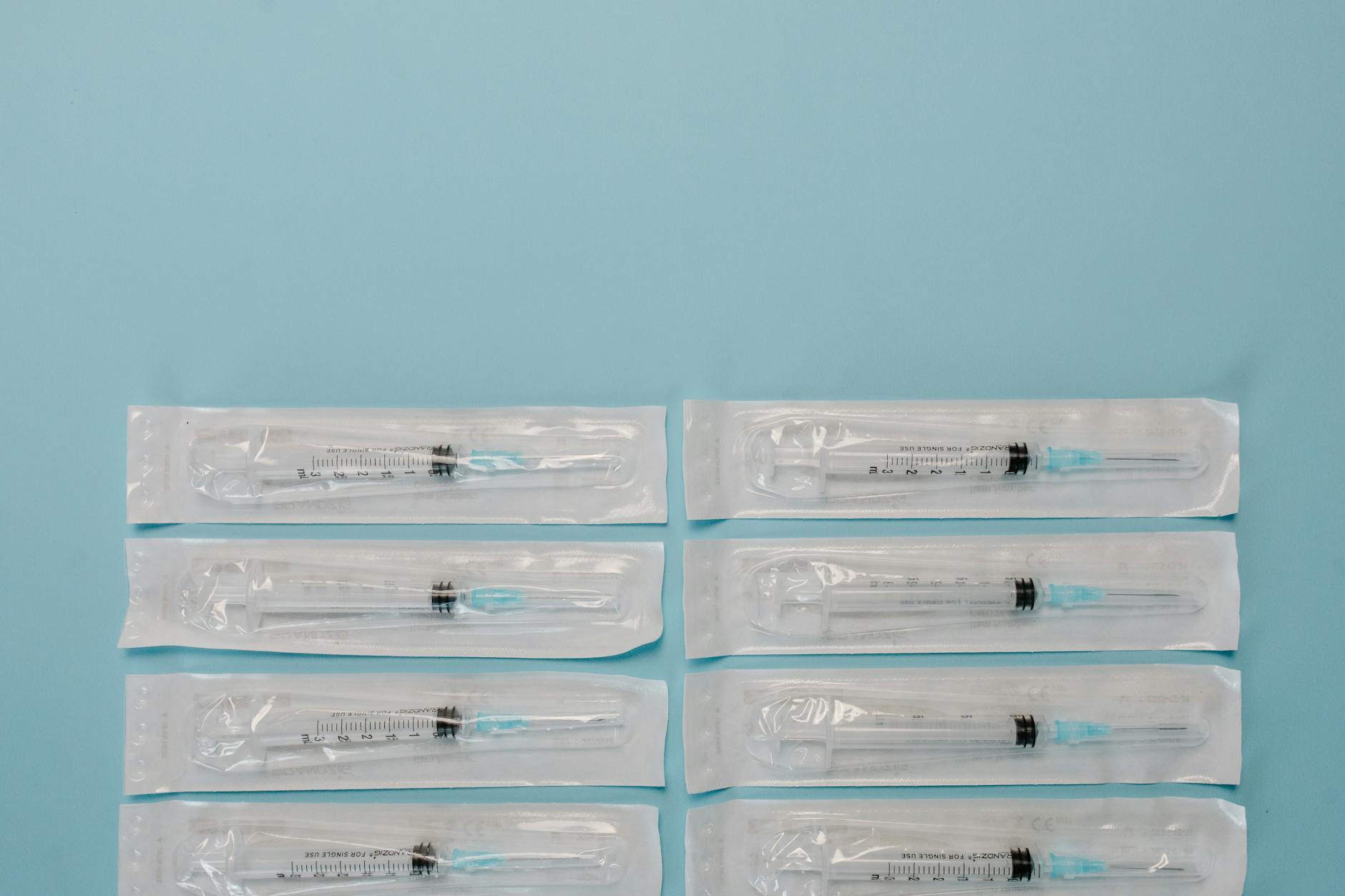
An acne vaccine is currently in clinical trials as a potential new treatment for acne vulgaris, but the important reality is that these are Phase I/II trials that just began in April 2024—not Phase 2 results that are already published and confirmed. The vaccine candidate, an mRNA-based immunotherapy being developed by Sanofi (which acquired Origimm Bio), targets a specific strain of the acne-causing bacterium Cutibacterium acnes by neutralizing its inflammatory hyaluronidase enzyme variants. However, no efficacy data has been published yet, as the trial is enrolling roughly 400 adults aged 18–45 with moderate to severe facial acne, and researchers don’t expect to release top-line results until 2029 at the earliest.
This vaccine represents a fundamentally different approach to acne management compared to the antibiotics, retinoids, and hormonal treatments currently available. Instead of killing bacteria broadly or regulating sebum production, the vaccine aims to train the immune system to selectively neutralize only the harmful variant of C. acnes that triggers inflammation while preserving the beneficial bacteria on healthy skin. For someone with persistent, treatment-resistant acne—like a 28-year-old dealing with recurring nodular breakouts despite using combination therapy—this targeted immune approach could theoretically offer a longer-lasting solution than current options that often require continuous daily use.
Table of Contents
- How Does the Acne Vaccine Target Cutibacterium Acnes in Early-Stage Trials?
- What the Pre-Clinical Evidence Tells Us About the Vaccine’s Potential and Limitations
- How UC San Diego’s Research on Hyaluronidase Variants Shaped the Vaccine Design
- What the Current Trial Timeline Means for When You Could Actually Access This Treatment
- Important Limitations of the Vaccine Approach and Critical Unknowns Still Being Investigated
- How an Immune-Based Vaccine Differs Fundamentally From Retinoids, Antibiotics, and Hormonal Therapies
- Looking Ahead—The Future Role of Immunotherapy in Acne Management
- Conclusion
How Does the Acne Vaccine Target Cutibacterium Acnes in Early-Stage Trials?
The vaccine candidate is based on mrna technology, the same platform used for some COVID-19 vaccines, but it’s engineered to stimulate the immune system against specific bacterial proteins rather than viral ones. Researchers at UC San Diego identified that C. acnes produces multiple variants of an enzyme called hyaluronidase, and only certain variants are associated with the inflammatory acne response.
The vaccine is designed to generate antibodies and immune cells that specifically target the acne-associated variants while leaving other bacterial enzymes intact—a crucial distinction that sets it apart from broad-spectrum antibiotic approaches that disrupt the entire skin microbiome. The current trial structure, registered as a Phase I/II randomized, double-blind, placebo-controlled study (NCT06316297 and NCT07013747), involves participants receiving up to three intramuscular injections over a defined schedule. This multi-injection regimen is typical for vaccine development, allowing researchers to assess both safety across doses and the duration of immune response. Because the trial only began in April 2024 with an expected completion date of 2027, participants are still in early safety and immune response monitoring phases, not yet collecting substantial efficacy data about whether the vaccine actually reduces acne severity in real-world conditions.
What the Pre-Clinical Evidence Tells Us About the Vaccine’s Potential and Limitations
The underlying research is promising but preliminary. When UC San Diego researchers tested the selective targeting approach in mouse acne models, they observed reduced inflammation without disrupting the overall skin microbiome—a finding that suggests the vaccine could theoretically avoid the secondary problems (like yeast infections or rosacea flares) that sometimes occur with antibiotics that indiscriminately kill bacteria. However, mouse studies don’t always translate to human responses, and skin microbiomes in humans are vastly more complex than those in laboratory animals, with hundreds of bacterial species that can compensate or adapt in unexpected ways.
One significant limitation that researchers must still address is whether a vaccine-induced immune response will remain stable over months and years of exposure to C. acnes on the skin. Even successful vaccines sometimes require booster shots to maintain immunity, and it’s not yet known whether acne patients will need annual or periodic vaccine refreshers or whether a single course of injections will provide lasting protection. Additionally, the current trial only enrolls people aged 18–45 with moderate to severe facial acne, so we won’t yet know if the vaccine works for teenage acne (often more inflammatory) or mild cases, nor whether it’s safe or effective for people with rosacea, severe sensitivity, or other inflammatory skin conditions who might benefit most.
How UC San Diego’s Research on Hyaluronidase Variants Shaped the Vaccine Design
The breakthrough came when UC San Diego researchers conducted genetic analysis of C. acnes strains isolated from acne patients versus healthy skin. They discovered that different C. acnes lineages produce different variants of hyaluronidase—an enzyme that breaks down hyaluronic acid in skin tissue and triggers the cascade of inflammation characteristic of acne.
The inflammatory variants were concentrated in acne-causing strains, while health-associated strains either produced non-inflammatory versions of the enzyme or didn’t produce it at all. This insight allowed researchers to design a vaccine that could, in theory, neutralize only the bad actors while leaving beneficial bacteria untouched. This selective targeting approach is why the Sanofi vaccine is scientifically interesting beyond typical acne treatments, but it also introduces a testing challenge: researchers must rigorously measure whether the vaccine actually reduces acne inflammation in people and doesn’t inadvertently trigger broader immune responses or autoimmune-like side effects. The early Phase I/II data, which won’t be released until 2029, will focus on safety, tolerability, and immune response markers (like antibody levels) rather than clinical acne improvement—meaning even when results are published, efficacy questions will still require additional Phase II or III trials.

What the Current Trial Timeline Means for When You Could Actually Access This Treatment
The clinical timeline is lengthy, which is worth understanding clearly if you’re hoping this vaccine might soon become an option. The trial started in April 2024 and is expected to complete enrollment and safety monitoring by 2027, but “completion” of the trial doesn’t mean results are immediately published—those top-line results are projected for 2029 at earliest. Even if the vaccine shows promise at that stage, it would then likely require additional larger Phase II or Phase III trials to confirm efficacy, which could easily extend into 2031 or beyond before regulatory submission to the FDA.
From a practical standpoint, if you’re someone struggling with moderate-to-severe acne today, the vaccine is not a solution you can access in 2026 or 2027. Current options—isotretinoin (Accutane) for severe cases, combined oral contraceptives and spironolactone for hormonal acne, or topical and oral antibiotics paired with retinoids—remain the standard of care. However, understanding the vaccine’s development timeline helps manage expectations and reminds us that while promising research exists, translating it into clinical reality takes 5–10 years or longer, even in the accelerated world of modern drug development.
Important Limitations of the Vaccine Approach and Critical Unknowns Still Being Investigated
One realistic limitation is that a vaccine addressing only one pathogenic factor—the inflammatory hyaluronidase variants of C. acnes—won’t necessarily solve multifactorial acne. Acne develops from a combination of four factors: excess sebum production, follicle hyperkeratinization, bacterial overgrowth, and inflammation. Even if the vaccine perfectly neutralizes one bacterial inflammatory mechanism, it won’t address the sebum overproduction driven by androgens, nor will it resolve the follicle-plugging process that occurs in some people regardless of C. acnes burden.
This means some patients might see improvement, while others see minimal change if sebum production or follicular blockage is their primary driver. Another critical unknown is whether the vaccine will be durable, effective, and safe across the diverse population of acne patients. The current trial targets adults 18–45 with moderate to severe facial acne, but it excludes people with rosacea, severe skin sensitivity, immunocompromised conditions, and those taking specific medications. Once efficacy is established in the trial population, questions about broader use—in adolescents, in people with sensitive skin, in those with other inflammatory conditions—will require additional research. There’s also the possibility of injection-site reactions, immune sensitization, or unforeseen side effects that only emerge once tens of thousands of people receive the vaccine, a reality underscored by decades of pharmacovigilance experience.

How an Immune-Based Vaccine Differs Fundamentally From Retinoids, Antibiotics, and Hormonal Therapies
The vaccine approach represents a conceptual shift from the treatments currently prescribed for acne. Topical and oral antibiotics (like doxycycline or minocycline) work by directly killing C. acnes and reducing inflammation, but they don’t retrain the immune system—they suppress it. Retinoids like tretinoin or adapalene work by normalizing skin cell turnover and reducing sebum production, not by targeting the bacteria. Hormonal treatments like spironolactone or birth control pills work by reducing androgen signaling, which decreases sebum production and bacterial overgrowth indirectly.
In contrast, a vaccine essentially “trains” your immune system to recognize and attack specific pathogenic bacterial proteins on its own, theoretically creating a longer-lasting, more durable response. This vaccine-based approach has theoretical advantages—sustained immunity without daily drug administration and selective bacterial targeting—but also unknowns. Unlike antibiotics that work within hours or days, a vaccine requires time for immune priming and might need weeks to show clinical effect. Unlike retinoids that work directly on skin cells, a vaccine works systemically and relies on the body’s adaptive immune response, which can vary significantly between individuals based on age, genetics, and overall immune status. For acne patients accustomed to seeing results in 4–8 weeks with conventional therapies, the vaccine development timeline and expected efficacy profile represent a very different commitment.
Looking Ahead—The Future Role of Immunotherapy in Acne Management
If the vaccine succeeds in trials, it won’t necessarily replace current acne treatments but could complement them. For patients with persistent, antibiotic-resistant acne, or those who struggle with the side effects of long-term retinoid or hormonal therapy, an immunotherapy option could provide an alternative pathway. It’s also conceivable that in future years, dermatologists might combine approaches—using the vaccine for immune sensitization while managing acute flares with existing topical or oral therapies, or using the vaccine in combination with sebum-reducing treatments in patients whose acne has multiple drivers. The broader implication is that acne research is moving beyond antimicrobial and hormonal treatments toward more sophisticated understanding of C.
acnes pathogenesis and immune tolerance. As additional vaccine candidates enter development and our understanding of C. acnes variants deepens, we may see not just one acne vaccine but multiple immunotherapy options tailored to different patient profiles. That shift won’t happen overnight—results won’t be available until 2029, and approval and access would likely follow in the early 2030s—but it signals that the next decade of acne treatment is expanding well beyond the antibiotics and retinoids that have dominated therapy for decades.
Conclusion
An mRNA-based acne vaccine targeting inflammatory variants of Cutibacterium acnes is currently in Phase I/II clinical trials that began in April 2024, enrolling about 400 adults aged 18–45. The vaccine aims to selectively neutralize the hyaluronidase variants produced by acne-causing C. acnes strains while preserving beneficial bacteria, based on groundbreaking research from UC San Diego that identified these pathogenic enzyme differences. However, no clinical efficacy data has been published yet, and top-line results aren’t expected until 2029 at the earliest, with broader clinical adoption likely years beyond that.
For anyone dealing with acne today, this vaccine remains a future option rather than a current solution. Current treatments—retinoids, oral antibiotics, hormonal therapies, and isotretinoin for severe cases—remain the evidence-based standard of care. What the vaccine trial represents is the beginning of a long process to translate promising immunological research into practical clinical benefit, a reminder that breakthrough discoveries in the lab take a decade or more to reach patients safely and effectively. Keeping track of trial progress through ClinicalTrials.gov or your dermatologist is worthwhile, but managing your current acne requires relying on treatments already proven and available today.
You Might Also Like
- New Photoacoustic Therapy Device in Clinical Trials…Uses Sound Waves Combined With Light to Destroy Acne Bacteria
- New JAK Inhibitor Cream in Clinical Trials…Originally for Eczema Now Being Tested for Severe Inflammatory Acne
- New CRISPR Gene Therapy for Acne in Clinical Trials…Researchers Exploring Genetic Modification of Sebaceous Glands