The best way to pop a pimple safely is to only attempt extraction on pimples with a visible white or yellow head, use clean hands and sterilized tools, apply gentle pressure without forcing it, and stop immediately if the pimple resists. However, dermatologists universally advise against popping pimples at all because it can lead to infection, scarring, and the spread of bacteria across your face. The safest approach remains waiting for the pimple to heal on its own or visiting a dermatologist who can perform the extraction with sterile instruments and proper technique. Consider this scenario: you wake up with a prominent whitehead the morning of an important event.
The temptation to squeeze it away is overwhelming. But rushing the process or attempting to pop a pimple that isn’t ready can transform a minor blemish into weeks of redness, possible scarring, or even a deeper infection. Understanding when and how to extract a pimple””or whether to extract it at all””makes the difference between a quick resolution and prolonged skin damage. This article covers which types of pimples can potentially be popped, the step-by-step technique recommended by dermatologists, critical areas of the face to avoid, proper aftercare, and when professional intervention is the smarter choice.
Table of Contents
- Should You Ever Pop a Pimple, and Which Types Are Safe to Extract?
- The Danger Triangle: A Critical Area to Avoid When Popping Pimples
- Step-by-Step: The Dermatologist-Recommended Technique for Safe Extraction
- Post-Extraction Care: What to Do After Popping a Pimple
- Common Mistakes That Turn Pimple Popping Into Skin Damage
- When Professional Extraction Is the Better Choice
- Building a Prevention Strategy to Reduce Future Breakouts
- Conclusion
Should You Ever Pop a Pimple, and Which Types Are Safe to Extract?
Not all pimples are candidates for at-home extraction. The only pimples that can potentially be popped with relative safety are pustules””those with a visible white or yellow head indicating that pus has collected near the skin’s surface. This superficial positioning means the contents can be released without requiring deep pressure that damages surrounding tissue. Deep, cystic, or nodular pimples should never be popped at home. These inflammatory lesions sit far below the skin’s surface, and attempting to squeeze them forces bacteria and debris deeper into the dermis, worsening inflammation and dramatically increasing scarring risk.
Similarly, new pimples that are red and sore but haven’t developed a head are not ready for extraction. Attempting to pop these prematurely ruptures the pore wall internally rather than releasing contents outward. For comparison, think of a pustule like a balloon filled with air pressed against a surface””light pressure releases the contents easily. A cystic pimple is more like a water balloon buried in sand; squeezing from above only pushes the liquid sideways and deeper rather than upward. If you cannot clearly see a white or yellow tip at the surface, the pimple is not ready, and patience becomes the safest treatment.

The Danger Triangle: A Critical Area to Avoid When Popping Pimples
One of the most important warnings dermatologists emphasize involves the “danger triangle” of the face””the area extending from the bridge of your nose down to the corners of your mouth. Pimples in this zone carry elevated risks that many people are unaware of, and extraction here should be avoided entirely or left to medical professionals. The veins in this region connect to blood vessels that lead directly to the cavernous sinus near the brain. When a pimple in this area becomes infected, bacteria can potentially travel through these venous connections and cause serious complications, including cavernous sinus thrombosis””a rare but life-threatening condition.
while such severe outcomes are uncommon, the anatomical reality means that any infection in this zone carries disproportionate risk compared to pimples elsewhere on the face. However, if you have a stubborn whitehead in this area and feel compelled to address it, the appropriate course is seeing a dermatologist rather than attempting home extraction. The stakes of introducing infection through improper technique are simply too high. For pimples on the forehead, cheeks outside this zone, or jawline, the risks are lower, though proper technique remains essential.
Step-by-Step: The Dermatologist-Recommended Technique for Safe Extraction
If you’ve determined that a pimple has a visible white head, sits outside the danger triangle, and you choose to proceed despite general medical advice against it, following proper technique minimizes risk. The process begins well before you touch the pimple itself. First, wash your hands thoroughly with soap and water for at least thirty seconds, then dry them with a clean towel. Next, cleanse your face with a normal facial cleanser to remove surface bacteria and oil. Apply a warm, clean washcloth to the pimple for several minutes””this softens the contents and encourages the pimple to come to a head more fully, making extraction easier and less traumatic to the skin.
For the extraction itself, you have two options: use a sterilized comedone extractor with slow, even pressure, or wrap your sanitized fingertips in clean tissue and apply gentle pressure from opposite sides of the pimple. The critical rule, emphasized by Dr. Sandra Lee, known professionally as Dr. Pimple Popper, is to “know when to pop, and when to stop.” If the pimple doesn’t release its contents with light pressure, stop immediately. Forcing it damages surrounding tissue, can push bacteria deeper into the skin, and often results in more inflammation than you started with. You can try again the next day or simply allow the pimple to heal naturally.
Post-Extraction Care: What to Do After Popping a Pimple
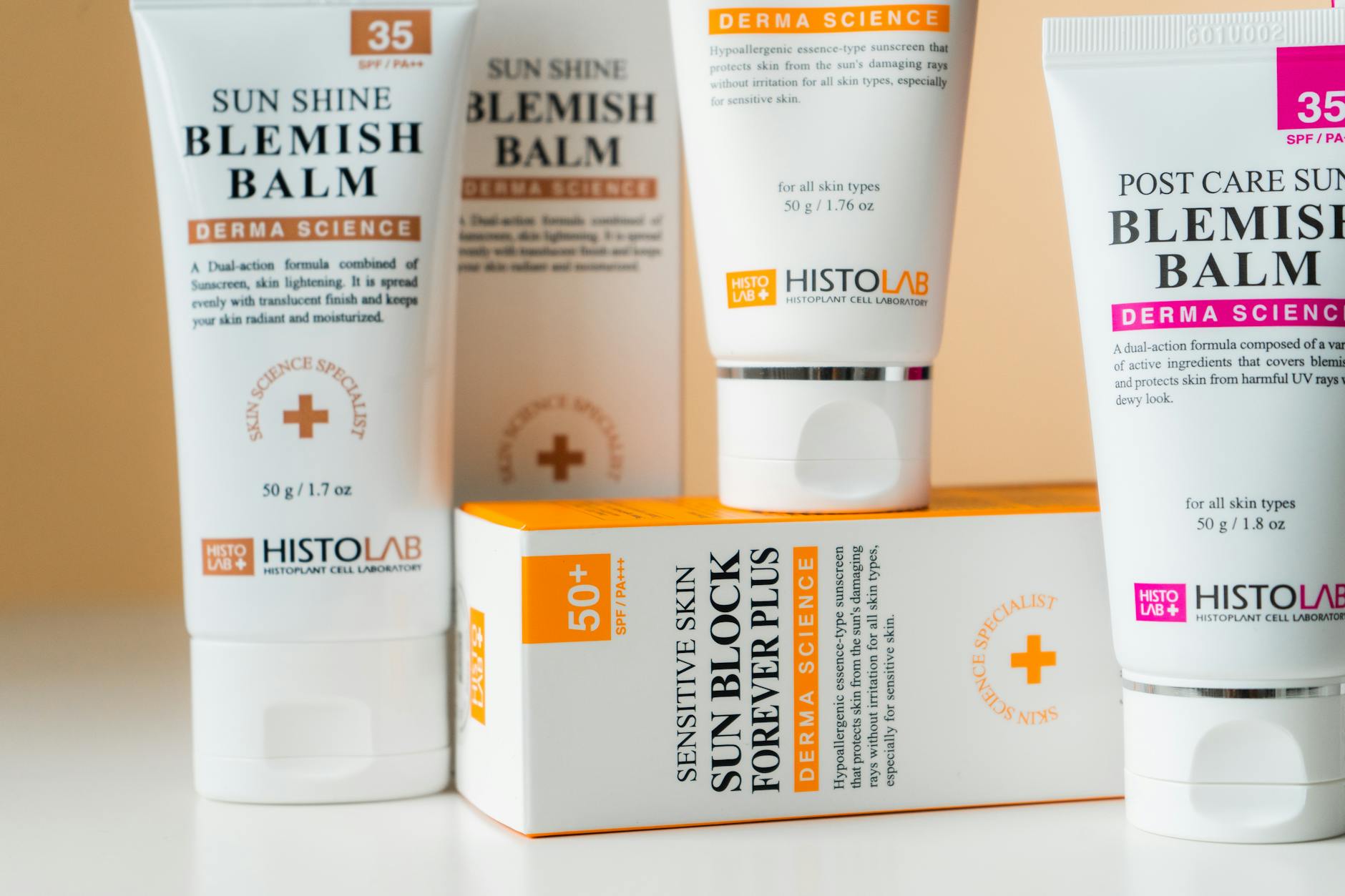
Proper aftercare is just as important as the extraction technique itself. Immediately after successfully extracting a pimple, apply a clean, cold washcloth to the area. The cold helps constrict blood vessels and reduce inflammation, minimizing the redness that typically follows extraction. Following the cold compress, apply a beta hydroxy acid product such as salicylic acid to the area. Salicylic acid penetrates into pores, helping clear remaining debris and preventing the pore from becoming clogged again. It also has mild anti-inflammatory properties that support healing.
Alternatively, or in addition, consider applying a hydrocolloid acne patch over the extraction site. These patches create a moist healing environment, absorb any remaining fluid that seeps from the pore, soothe inflammation, and act as a physical barrier preventing you from touching the area and introducing new bacteria. The tradeoff between salicylic acid and acne patches often comes down to timing. Salicylic acid works actively to clear the pore but may cause slight drying or irritation on freshly extracted skin. Acne patches are gentler and protective but passive””they don’t actively treat the pore. Many people find success using salicylic acid immediately after extraction, allowing it to absorb, then covering with a patch overnight for protection during sleep when unconscious touching is common.
Common Mistakes That Turn Pimple Popping Into Skin Damage
Even with good intentions, several common errors transform what could be minor extractions into significant skin problems. The most frequent mistake is over-squeezing. When the pimple’s contents don’t emerge easily, many people apply increasing pressure, which damages surrounding healthy tissue, ruptures capillaries causing prolonged redness, and can force bacteria and pus sideways and deeper into the skin rather than outward. Another common error is attempting extraction too early. A pimple that appears as a red, raised bump without a distinct white head is not superficial enough for safe extraction.
The inflammation you see is occurring beneath layers of skin that must be broken through forcibly, inevitably causing damage. Patience, while difficult, prevents this self-inflicted harm. Similarly, using unsterilized tools or unwashed hands introduces additional bacteria to an already compromised skin barrier, converting a simple pimple into an infected wound. A limitation of at-home extraction that often goes unmentioned: even with perfect technique, some pimples simply cannot be fully extracted outside a clinical setting. Dermatologists and trained estheticians have access to sterile needles that can create a tiny opening in the pimple’s surface, allowing contents to be expressed without the pressure and trauma of squeezing through intact skin. Attempting to replicate this at home without proper training and sterile medical equipment crosses from manageable risk into genuinely unsafe territory.
When Professional Extraction Is the Better Choice
Seeing a dermatologist or trained esthetician for pimple extraction represents the safest approach when you need a blemish addressed rather than left to heal naturally. Professionals use sterile needles and medical-grade comedone extractors, understand facial anatomy, and can assess whether a pimple is truly ready for extraction or requires different treatment.
For example, what appears to be a large whitehead might actually be a deeper cystic lesion with only a superficial white appearance. A dermatologist can distinguish between these presentations and may recommend a cortisone injection to rapidly reduce inflammation rather than extraction, which would be inappropriate for that lesion type. This diagnostic capability simply isn’t available at home, no matter how carefully you examine your skin.
Building a Prevention Strategy to Reduce Future Breakouts
While knowing how to handle existing pimples matters, reducing their frequency addresses the problem at its source. Consistent cleansing, non-comedogenic products, and addressing underlying factors like hormonal fluctuations or dietary triggers can significantly decrease breakout frequency and severity.
Those who find themselves frequently tempted to pop pimples may benefit from incorporating salicylic acid or benzoyl peroxide into their regular skincare routine, which treats developing pimples before they reach the extraction-tempting stage. When breakouts do occur despite prevention efforts, having acne patches on hand provides a way to address the psychological urge to “do something” about a pimple without the risks of squeezing””the patch feels like active treatment while actually protecting the blemish and allowing natural healing.
Conclusion
The safest way to pop a pimple involves only attempting extraction on pimples with visible white or yellow heads, using clean hands and sterilized tools, applying warm compresses beforehand, using gentle pressure, and stopping immediately if the pimple resists. Proper aftercare with cold compresses, salicylic acid, and acne patches supports healing and prevents secondary infection. The danger triangle from the nose bridge to mouth corners should be avoided entirely for at-home extraction due to its connection to vessels leading toward the brain.
However, the medical consensus remains that not popping pimples at all produces better outcomes for most people most of the time. When extraction feels necessary, visiting a dermatologist provides the safest option. For those who choose to proceed at home, following proper technique and knowing when to stop””as Dr. Sandra Lee advises””makes the difference between acceptable risk and avoidable skin damage.