
Acne around the lip line primarily forms due to the unique combination of factors that converge in this facial zone: high oil gland density, frequent contact with comedogenic products like lip balms and toothpaste, hormonal sensitivity, and constant friction from eating, drinking, and touching. Unlike acne on the forehead or cheeks, perioral acne””the clinical term for breakouts around the mouth””often involves external irritants rather than purely internal causes. For example, someone who switches to a new fluoride toothpaste and notices small pustules forming at the corners of their mouth within a week is experiencing a common trigger that many people overlook entirely. The skin surrounding the lips is thinner than most facial areas and contains a dense concentration of sebaceous glands, making it particularly reactive to hormonal fluctuations, product ingredients, and bacterial transfer.
This area also lacks the protective barrier strength found elsewhere on the face, which means irritants penetrate more easily and inflammation occurs more readily. Understanding the specific causes of lip line acne matters because the treatment approach differs significantly from standard acne protocols””what works for your T-zone may actually worsen breakouts around your mouth. This article examines the biological and environmental factors behind perioral breakouts, explores how everyday products contribute to the problem, discusses the hormonal connections that explain why some people experience recurring lip line acne, and provides guidance on distinguishing between acne and similar-looking conditions. You will also find practical strategies for prevention and treatment that address the unique challenges of this sensitive facial area.
Table of Contents
- Why Does Acne Form Specifically Around the Lip Line?
- Common Products That Trigger Lip Line Breakouts
- How Hormonal Fluctuations Affect the Perioral Area
- Distinguishing Lip Line Acne from Perioral Dermatitis and Cold Sores
- Practical Approaches to Preventing Lip Line Breakouts
- When Professional Treatment Becomes Necessary
- The Role of Diet and Gut Health in Perioral Acne
- Long-Term Management and Skin Barrier Considerations
- Conclusion
Why Does Acne Form Specifically Around the Lip Line?
The lip line serves as a convergence point for multiple acne-triggering factors that rarely affect other facial zones with the same intensity. Sebaceous glands in this region are highly responsive to androgens, the hormones that stimulate oil production, while the skin itself endures constant mechanical stress from facial expressions, eating, and habitual touching. This creates an environment where pores clog easily, bacteria thrive, and inflammation develops quickly. Compared to the forehead or nose, which may produce more oil overall, the perioral area experiences far greater exposure to external contaminants. Every bite of food, sip of coffee, or application of lip product introduces substances that can occlude pores or irritate follicles.
A person who eats greasy foods without wiping their mouth, for instance, essentially coats this area in comedogenic oils multiple times daily””something that simply does not happen with other facial regions. The lips themselves also create a warm, moist microenvironment that encourages bacterial proliferation in adjacent skin. Additionally, the vermilion border””the distinct line where lip tissue meets facial skin””marks a transition zone with unique physiological properties. Hair follicles in this area tend to be finer but still capable of becoming occluded, and the dermis contains fewer structural proteins that would otherwise provide resilience against inflammation. This anatomical reality explains why perioral acne often appears as clusters of small papules rather than the larger, isolated lesions typical of other facial zones.
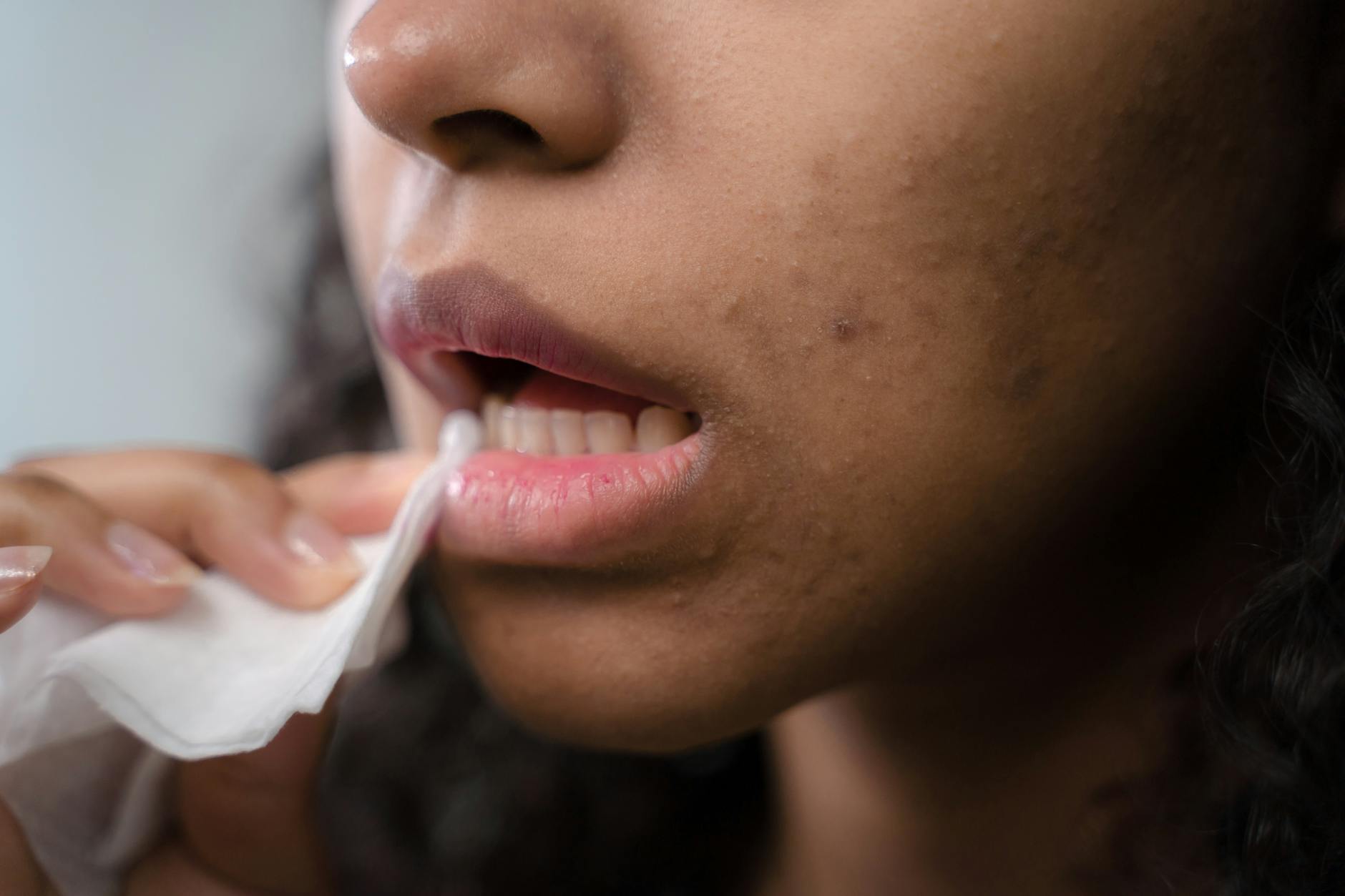
Common Products That Trigger Lip Line Breakouts
Many everyday products contain ingredients that directly cause or exacerbate acne around the mouth, yet these connections often go unrecognized for months or years. Toothpaste stands as the most frequent culprit, particularly formulations containing sodium lauryl sulfate, fluoride, or whitening agents. These ingredients can seep onto surrounding skin during brushing and create a phenomenon called perioral dermatitis, which presents similarly to acne but requires different treatment. Someone using a tartar-control toothpaste might clear their breakouts entirely simply by switching to an SLS-free alternative””a change that costs nothing but makes a substantial difference. Lip balms and lipsticks present another significant risk, especially those formulated with coconut oil, cocoa butter, lanolin, or petroleum-based occlusives.
While these ingredients feel moisturizing on the lips themselves, they migrate onto adjacent skin throughout the day and block pores effectively. The irony is that many people apply more lip balm when they notice irritation, inadvertently worsening the cycle. Matte liquid lipsticks deserve particular mention because their long-wear formulas often contain heavy polymers and waxes that transfer to the skin around the mouth with every sip of water. However, eliminating products entirely is not always the solution, nor is it practical for most people. If you cannot identify a specific product trigger through elimination testing over two to three weeks, the issue likely involves multiple factors or an internal cause rather than topical irritation alone. Those with chronically dry lips face a genuine tradeoff: avoiding all lip products may reduce acne risk but leads to painful chapping that also damages the skin barrier and potentially creates entry points for bacteria.
How Hormonal Fluctuations Affect the Perioral Area
The lower third of the face, including the chin, jawline, and lip area, demonstrates heightened sensitivity to hormonal changes compared to other facial zones. This pattern explains why many women notice lip line breakouts appearing predictably during the premenstrual week, while others experience their first perioral acne during pregnancy or perimenopause. Androgens like testosterone and DHEA-S stimulate sebaceous glands throughout the face, but receptors in the perioral region appear to respond more dramatically to these hormonal signals. hormonal acne around the mouth tends to present differently than product-induced breakouts. These lesions are typically deeper, more cystic, and resistant to topical treatments alone.
A characteristic pattern involves tender, underground nodules that take weeks to surface rather than the small whiteheads associated with irritant contact. Someone experiencing this type of acne might find that their skincare routine, which effectively controls breakouts elsewhere, fails entirely in the perioral zone””a frustrating discrepancy that indicates systemic rather than topical factors. Polycystic ovary syndrome, thyroid dysfunction, and high cortisol levels all correlate with increased perioral acne, which means persistent breakouts in this area sometimes warrant hormonal testing rather than more aggressive topical treatments. However, not all hormonal acne requires prescription intervention. For many individuals, lifestyle factors like sleep quality, blood sugar stability, and stress management meaningfully influence hormone levels and subsequently affect skin. The limitation here is timing: hormonal interventions, whether pharmaceutical or lifestyle-based, typically require three to six months to show results in the skin.

Distinguishing Lip Line Acne from Perioral Dermatitis and Cold Sores
Proper identification matters because treatments that help one condition may worsen another. Acne vulgaris around the mouth presents as comedones, papules, and pustules with visible pore involvement and responds to standard acne treatments like benzoyl peroxide and retinoids. Perioral dermatitis, often misdiagnosed as acne, appears as clusters of tiny red bumps and scaling that spare the skin immediately adjacent to the vermilion border””creating a characteristic clear zone right against the lips. Cold sores, caused by herpes simplex virus, begin with tingling followed by fluid-filled blisters that eventually crust over. The treatment implications are significant.
Applying steroid creams to perioral dermatitis, a common mistake when the condition is misidentified as eczema or allergic reaction, actually perpetuates and worsens the problem. Treating cold sores with acne medications provides no benefit and delays appropriate antiviral therapy. Even experienced dermatologists sometimes need to observe a patient over multiple visits to distinguish between these conditions, particularly when presentations are atypical or when multiple issues coexist. For practical differentiation, consider the following: acne lesions can be extracted and contain sebaceous material; perioral dermatitis feels rough rather than raised and worsens with heavy creams; cold sores follow a predictable blister-crust-healing cycle over seven to ten days. If you have treated presumed acne around your mouth for more than eight weeks without improvement, the diagnosis itself may be incorrect, and professional evaluation becomes worthwhile rather than optional.
Practical Approaches to Preventing Lip Line Breakouts
Prevention strategies for perioral acne must address both internal and external factors while remaining sustainable for daily life. The most effective first step involves auditing products that contact the lip area, including toothpaste, lip products, and even mouthwash. Switching to an SLS-free, fluoride-free toothpaste for a trial period of three weeks provides clear data about whether oral care products contribute to breakouts. During this trial, applying a thin layer of petroleum jelly exclusively on the lips before brushing can prevent toothpaste from contacting the surrounding skin””a technique dermatologists sometimes recommend for patients with confirmed toothpaste sensitivity. Choosing between occlusive and non-occlusive lip care involves tradeoffs that depend on individual skin type. Occlusive products like petroleum jelly and lanolin provide superior moisture retention for the lips themselves but pose higher comedogenic risk for adjacent skin.
Non-occlusive options like hyaluronic acid serums and light silicone-based products hydrate without heavy residue but require more frequent reapplication. For someone prone to perioral acne, the compromise often involves using occlusives only at night when minimal transfer occurs, while relying on lighter products during the day. Behavioral modifications also play a meaningful role. Wiping the mouth area after eating””especially after consuming oily, spicy, or acidic foods””reduces prolonged contact with irritating substances. Avoiding the habit of resting your chin or mouth on your hands throughout the day eliminates a major bacterial transfer route. These changes require conscious effort initially but become automatic with practice, providing ongoing protection without additional products or expense.
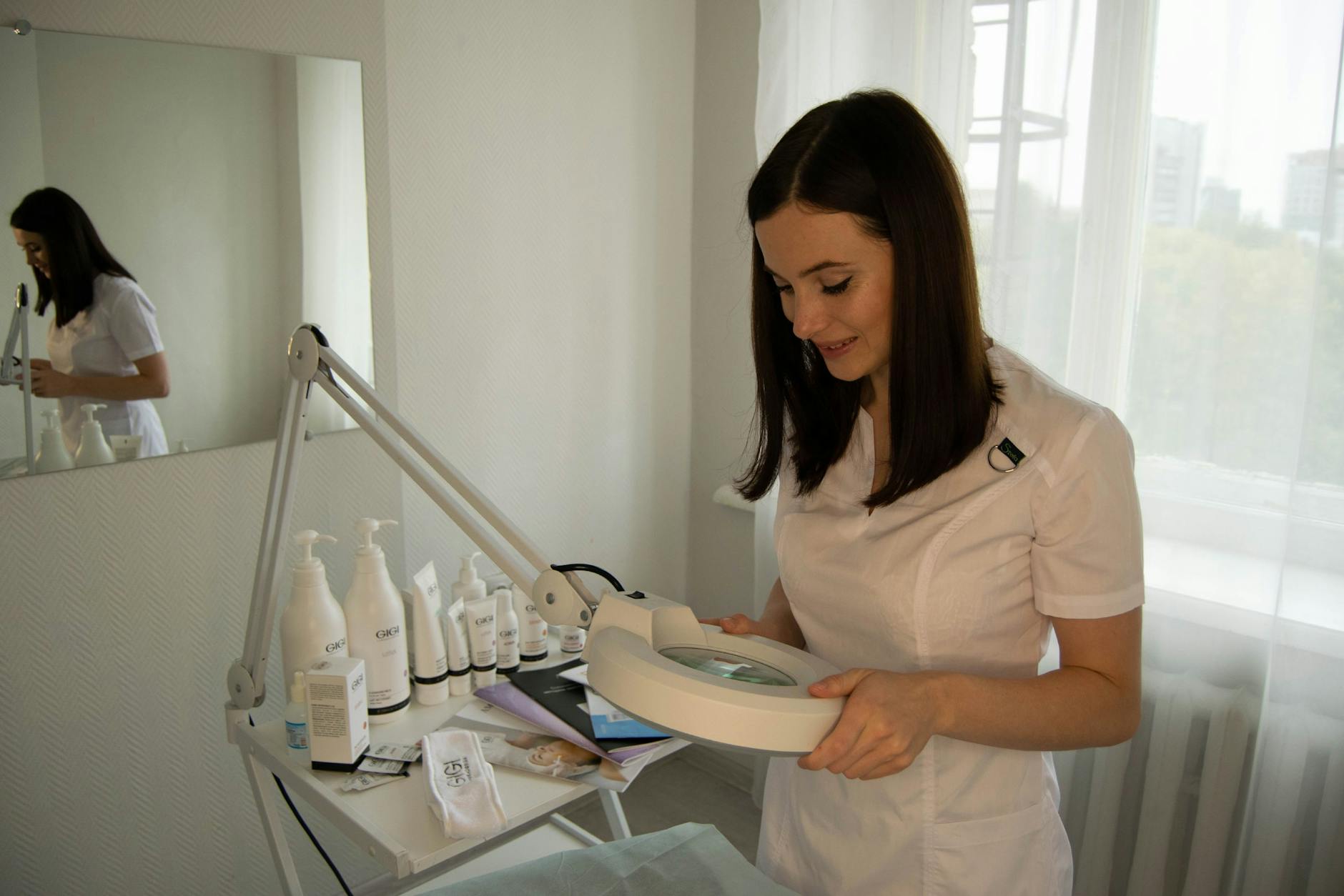
When Professional Treatment Becomes Necessary
Self-treatment has limitations, and certain presentations of lip line acne indicate that professional intervention will be more effective than continued experimentation with over-the-counter products. Cystic lesions that persist for more than two weeks, scarring from previous breakouts, or acne that worsens despite eliminating obvious triggers all warrant dermatological evaluation. Someone who has tried three or more targeted treatments over a period of several months without meaningful improvement is unlikely to suddenly succeed with a fourth attempt using similar approaches. Prescription options for perioral acne include topical antibiotics like metronidazole or clindamycin, low-dose oral antibiotics for more severe cases, and sometimes oral contraceptives or spironolactone for hormonally-driven patterns.
Tretinoin and other retinoids can be effective but must be applied carefully around the mouth due to increased irritation potential in this area. The thin skin and high movement around the lips means that concentrations tolerated elsewhere on the face may cause excessive peeling, redness, or sensitivity here. A warning applies to aggressive treatment approaches: the perioral area heals slowly and scars differently than other facial zones. Treatments like high-strength chemical peels, microneedling, or ablative lasers carry elevated risks in this region and should only be performed by practitioners with specific experience treating perioral skin. The goal should be sustainable clearance rather than rapid results that come with long-term consequences.
The Role of Diet and Gut Health in Perioral Acne
Emerging research supports connections between gut health, systemic inflammation, and acne manifestation, with some evidence suggesting the perioral area may be particularly reflective of digestive influences. This concept, sometimes called the gut-skin axis, proposes that intestinal permeability, microbiome composition, and food sensitivities can manifest as skin inflammation. For example, someone with undiagnosed dairy sensitivity might notice that their lip line breakouts correlate with ice cream consumption but not with cheese””a specificity that points toward lactose or specific protein fractions rather than dairy as a category.
The evidence base for dietary interventions remains less robust than for topical and hormonal treatments, which means recommendations should be held with appropriate uncertainty. High-glycemic diets show the strongest association with acne in controlled studies, while dairy and specific food triggers demonstrate more variable individual responses. Eliminating entire food categories based on speculation rarely helps and often causes nutritional imbalances. A more reasonable approach involves systematic observation: tracking breakouts alongside dietary intake for four to six weeks can reveal personal patterns that generic advice cannot capture.
Long-Term Management and Skin Barrier Considerations
Maintaining clear skin around the lip line requires ongoing attention to barrier health rather than continuous active treatment. The stratum corneum in this area, already thinner than elsewhere on the face, becomes further compromised by repeated breakouts, harsh treatments, and environmental exposure. Someone who achieves clearance through aggressive treatment but then stops all maintenance may find that acne returns with reduced skin tolerance””a pattern where breakouts become simultaneously easier to trigger and harder to treat.
Building long-term resilience involves consistent use of gentle, non-comedogenic moisturizers even after acne resolves, sun protection to prevent post-inflammatory hyperpigmentation from previous breakouts, and periodic reassessment of products that contact the area. The skin around the mouth changes with age, hormonal shifts, and environmental factors, which means a routine that works at thirty may need modification at forty. Rather than viewing perioral acne as a problem to be solved once and forgotten, approaching it as an ongoing management consideration leads to better outcomes and fewer frustrating recurrences.
Conclusion
Acne around the lip line results from a convergence of factors that distinguish it from breakouts elsewhere on the face: higher product exposure, hormonal sensitivity, thinner skin, and constant mechanical stress. Understanding these specific causes enables targeted interventions rather than generic acne treatments that may prove ineffective or even counterproductive in the perioral zone. The most common triggers””toothpaste ingredients, comedogenic lip products, and hormonal fluctuations””can often be addressed through relatively simple modifications, though persistent or cystic presentations benefit from professional evaluation.
Moving forward, approach lip line acne with systematic investigation rather than random product experimentation. Audit the substances that contact your mouth daily, observe patterns related to hormonal cycles or dietary intake, and give any intervention adequate time to demonstrate results before concluding it has failed. If self-treatment does not produce meaningful improvement within two to three months, seek dermatological assessment to confirm the diagnosis and access prescription options. The perioral area, while challenging to treat, responds well to informed, patient management that respects its unique characteristics.