

Insurance companies can and do deny coverage for spironolactone monitoring blood work, leaving patients responsible for significant out-of-pocket costs. While the medication itself is typically covered, the mandatory blood tests that monitor kidney function and potassium levels during treatment often fall into a gray area of insurance policy. When these tests are denied, patients face recurring costs of $40 to $200 per blood panel, multiplied by the quarterly monitoring schedule that acne dermatologists recommend. Sarah, a 26-year-old with moderate hormonal acne, discovered this problem firsthand.
Three months into spironolactone treatment, her dermatologist ordered routine blood work. The lab submitted the claim to her insurance company, expecting automatic coverage. Two weeks later, the claim came back denied. Her insurer cited “medical necessity” concerns, arguing that while they covered the spironolactone prescription, they wouldn’t cover the monitoring labs required to safely use it. Sarah ended up paying $187 out of pocket for that test—and faced the same situation three months later.
Table of Contents
- What Are the Blood Work Requirements and Actual Costs for Spironolactone Monitoring?
- Why Do Insurance Companies Deny Coverage for Spironolactone Blood Work?
- Understanding the Cumulative Cost Burden of Quarterly Monitoring
- How Insurance Denials Are Justified and How Patients Can Fight Back
- Common Barriers That Prevent Coverage and When Denial Is Most Likely
- What to Do If Your Blood Work Claim Is Denied
- The Future of Monitoring Costs and Shifts in Acne Treatment Access
- Conclusion
What Are the Blood Work Requirements and Actual Costs for Spironolactone Monitoring?
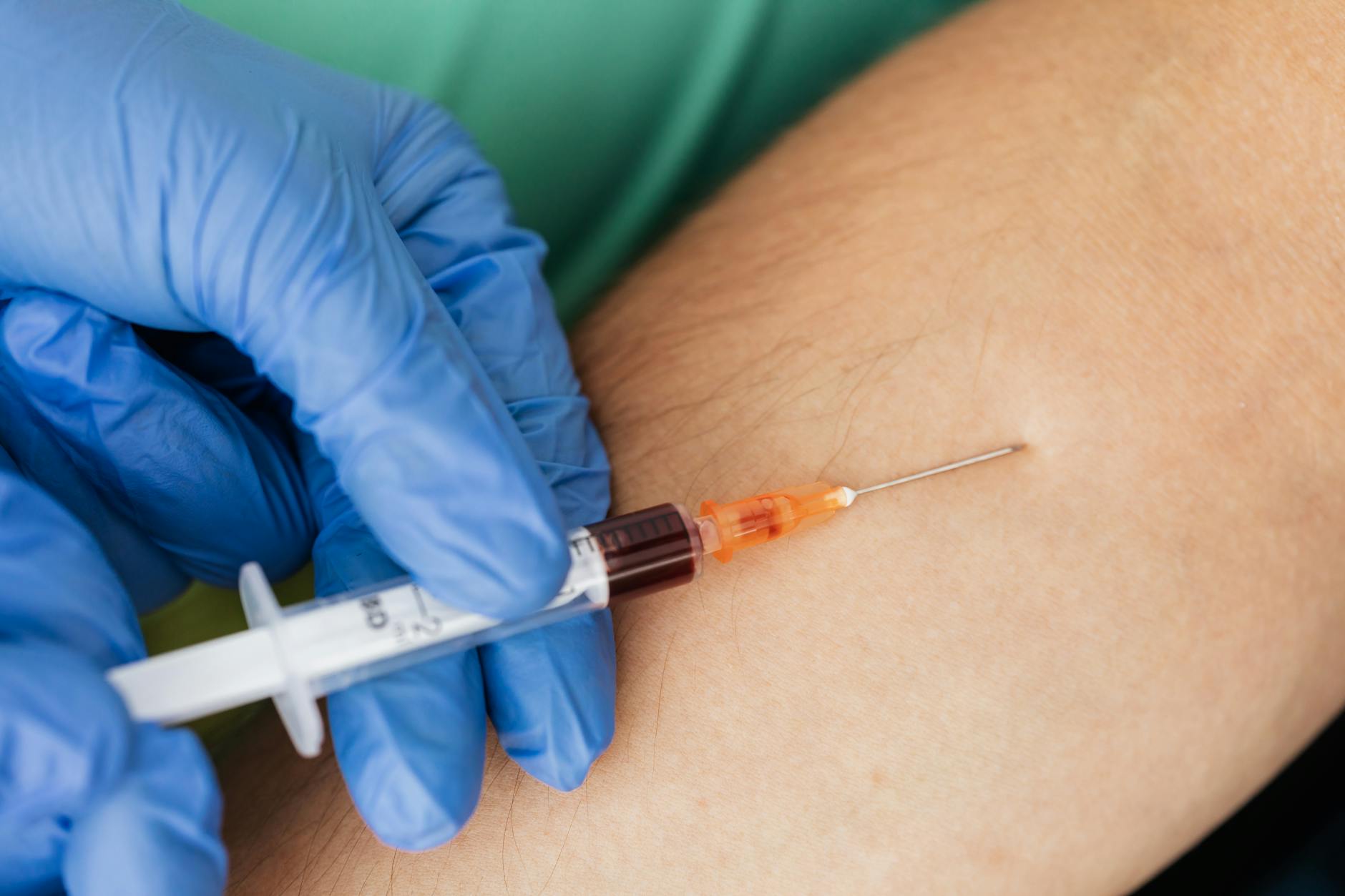
Spironolactone is a potassium-sparing diuretic, which means it affects electrolyte balance in your body. Because of this mechanism, dermatologists and primary care doctors don’t order blood work for convenience or profit—they order it because there’s a genuine risk of hyperkalemia (dangerously high potassium) or kidney damage if the drug isn’t monitored. The monitoring schedule is medically mandated and increasingly standardized across clinical guidelines. The typical protocol works like this: within 2-3 days of starting spironolactone, you need a baseline potassium and renal function panel. At one week, another check. Then monthly for the first three months. After that, if results remain stable, most guidelines recommend every three months. According to NHS monitoring guidelines and practices in Europe, once you’ve been stable for six months or more, some physicians extend intervals to every six months.
A serum electrolyte panel, the standard test for this monitoring, costs approximately $43.51 per test when billed through insurance, according to available pricing data. However, patients report paying anywhere from $80 to $200 out of pocket when insurance denies the claim or when they’re uninsured. Let’s do the math. After the initial intensive monitoring phase (three tests in the first month), you’re looking at four blood draws per year minimum. Over five years of treatment—not uncommon for hormonal acne—that’s 18 to 20 tests. Even at the lowest verified cost of $43.51, that’s roughly $900 in legitimate medical expenses. At out-of-pocket denial rates of $150 to $200 per test, that same patient could spend $2,700 to $4,000 just on blood work. Research cited in ScienceDaily noted that cumulative costs for young, healthy women using spironolactone for acne could reach up to $80,000 over treatment spans, with researchers questioning whether all such frequent testing is necessary for this population—yet the standard of care hasn’t shifted downward.
Why Do Insurance Companies Deny Coverage for Spironolactone Blood Work?
Insurance denials for diagnostic tests have increased significantly. Between 2018 and 2024, insurance claim denials rose 16% across the board, with common reasons including formulary exclusions, step therapy requirements, and disputes over medical necessity. When it comes to spironolactone monitoring, insurers sometimes deny blood work by arguing that the test isn’t “medically necessary” in their specific policy language, even though standard dermatology practice contradicts this. The disconnect often comes down to how insurance plans define coverage. Most major health plans cover spironolactone itself—the medication won’t be denied. However, some insurers require prior authorization before they’ll approve the prescription, and that prior auth process can be contentious. The bigger problem occurs when blood work is ordered as part of ongoing management.
Some insurers don’t have a clear policy on who pays for monitoring labs, so they default to denial. Others have negotiated contracts with major laboratory networks that apply stricter guidelines. A few insurers have adopted the position that once a dermatologist prescribes spironolactone, the responsibility for ordering monitoring falls on the prescriber’s office—and therefore the office (or patient) should handle the cost, not insurance. The real issue is inconsistency. Two patients on the same insurance plan, with the same employer, can have different coverage experiences. One might get all blood work approved without question; another gets a denial letter. This inconsistency creates frustration and financial unpredictability, especially since patients can’t know the decision until after the test is already ordered.
Understanding the Cumulative Cost Burden of Quarterly Monitoring
For someone staying on spironolactone long-term, the cumulative financial impact of blood work costs is real and often underestimated. The verified baseline cost per serum electrolyte panel is $43.51 through insurance, but that figure assumes a negotiated rate and coverage. When insurance denies the claim, that same test often costs $80 to $150 at major commercial labs like LabCorp or Quest Diagnostics, or over $200 at hospital systems. Over a typical three-to-five-year acne treatment course, patients need between 12 to 20 blood tests.
At the lowest verified rate ($43.51), annual costs are roughly $174 to $290. At out-of-pocket rates of $150, annual costs jump to $600. Over five years, that’s the difference between $900 and $3,000. One major study highlighted in ScienceDaily examined whether all this monitoring is truly necessary for young, healthy women on spironolactone for acne, and while researchers questioned the frequency, they didn’t propose eliminating monitoring entirely—they suggested that the current standard might be more conservative than medically required, yet insurance companies haven’t relaxed their denial patterns in response.

How Insurance Denials Are Justified and How Patients Can Fight Back
Insurance companies typically justify denials using one of a few arguments: the test wasn’t pre-authorized, the test isn’t listed in the plan’s covered services, the dermatologist didn’t meet the insurer’s criteria for ordering the test, or the test is considered “investigative” or “routine” rather than “medically necessary.” None of these arguments align with standard dermatology practice, but insurance companies aren’t bound by dermatology standards—they’re bound by their own policy language. The first step in fighting a denial is understanding what your plan actually covers. Call your insurance company’s member services line and ask specifically: “Does my plan cover blood work to monitor potassium and kidney function while on spironolactone?” Ask for the policy number and get the answer in writing via the member portal or email. Many denials happen because of miscommunication or because the lab coded the test incorrectly. Your dermatologist’s office can also file an appeal with detailed documentation that spironolactone monitoring is standard of care, citing guidelines from the American Academy of Dermatology or the NHS.
If the appeal is denied, you have options. Some patients negotiate directly with the lab to reduce out-of-pocket costs. Others ask their dermatologist if they can order the test less frequently (every four to six months instead of three) if their initial results were stable, which does reduce the financial burden. Some larger dermatology practices have in-house labs or partnerships with labs that offer discounted rates for patients with insurance denials. The key is not to accept the denial silently—insurers count on patients dropping the appeal rather than pushing back.
Common Barriers That Prevent Coverage and When Denial Is Most Likely
Denial is most likely to occur in a few specific scenarios. If you’re on a high-deductible health plan (HDHP), your plan might cover the test, but you’ll pay the full cost until you meet your deductible. If you’re on Medicaid, coverage varies by state—some states cover all spironolactone monitoring, others have gaps. If you’re switching insurance mid-treatment, there’s often a lag period where your new insurer hasn’t reviewed your case history, making them more likely to deny until clarification is provided. Another barrier is coding. The lab must use the correct ICD-10 codes and CPT codes to link the blood work to spironolactone treatment.
If the lab codes it as a routine screening or a general health panel rather than medication-related monitoring, insurance is more likely to deny. Prior authorization is also a barrier—some insurers require the dermatologist to pre-approve each blood draw. If this step is skipped, the claim gets denied automatically, even if the test would normally be covered. The patient then has to go back through the appeal process, which takes weeks. Patients with employer-sponsored insurance generally face fewer denials than those on marketplace plans or Medicaid, because employer plans tend to have broader coverage language. However, small-employer plans sometimes have stricter limitations. Patients with very high out-of-pocket maximums are also at greater risk, since insurers know those patients will hit their deductible regardless, and they may be less likely to push hard for coverage of tests if they’re already paying for other services.

What to Do If Your Blood Work Claim Is Denied
The immediate action after receiving a denial letter is to read it carefully and identify the specific reason. The denial will cite a code (usually something like “not medically necessary” or “not covered under your plan”). Once you know the reason, you can craft an effective appeal. Contact your dermatologist’s office and explain the denial. Ask them to file a formal appeal with documentation that spironolactone monitoring is standard of care.
The office should include the relevant clinical guidelines, the patient’s specific history (e.g., “patient is a 25-year-old with moderate hormonal acne on spironolactone 100mg daily, requires potassium monitoring per clinical guidelines”), and a statement that the test is medically necessary to safely continue treatment. If the appeal is denied again (some insurers allow two appeals), ask your dermatologist if they recommend continuing spironolactone given the financial barrier to monitoring. In rare cases, this conversation leads the insurance company to reconsider, because they realize the alternative—stopping a treatment that’s working because of their denial—is worse than covering the blood work. You can also file a complaint with your state’s insurance commissioner if you believe the denial violates your plan’s terms or state regulations. Finally, look into programs like NeedyMeds or the Patient Advocate Foundation, which sometimes help with costs of necessary medical tests.
The Future of Monitoring Costs and Shifts in Acne Treatment Access
The rising rate of insurance denials (up 16% from 2018 to 2024) suggests that monitoring costs may become an even larger barrier to accessing spironolactone treatment in the coming years. Some dermatologists and researchers are increasingly questioning whether the current monitoring schedule is necessary for all patients. Studies have examined whether once-stable patients on spironolactone for acne truly need quarterly blood work or if annual testing might suffice, especially for young, healthy individuals with no comorbidities. If clinical evidence shifts to support less frequent monitoring, insurance companies would likely adopt those guidelines, reducing both costs and denial rates.
In the meantime, some online dermatology platforms and telemedicine services are experimenting with partnership models where they coordinate labs or offer direct-pay pricing for blood work, bypassing insurance denials entirely. While this doesn’t solve the fundamental problem of high costs, it does provide more predictable pricing. The broader trend is toward transparency—patients are increasingly demanding to know what tests cost before agreeing to them, and some dermatology offices are responding by providing cost estimates upfront. As these conversations become more common, pressure on both insurance companies and labs may eventually force better alignment between what’s medically recommended and what’s financially accessible.
Conclusion
Insurance denials for spironolactone blood work are real, frustrating, and often unexpected by patients who assume their dermatologist’s recommendations are automatically covered. While the medication itself is typically covered, the mandatory monitoring blood work can cost $40 to $200 per test (with verified baseline costs of $43.51 through insurance), multiplied by quarterly monitoring schedules that extend over years. These denials happen due to inconsistent insurance policies, missing prior authorizations, and insurer arguments about medical necessity—even though standard dermatology practice supports regular monitoring to prevent serious complications like hyperkalemia.
If you’re facing a denied blood work claim, don’t accept it passively. File an appeal with your dermatologist’s office, request written clarification of your plan’s coverage, and consider consulting your state’s insurance commissioner if necessary. Understanding why the denial happened is your first step to either overturning it or finding an alternative path forward. The cost of monitoring blood work shouldn’t be the barrier that prevents you from accessing an effective acne treatment, and pushing back against denials helps both you and the next patient facing the same problem.
You Might Also Like
- Insurance Denied Coverage for Laser Scar Treatment Costing $3,500 Per Month…Classified as Cosmetic Despite Causing Clinical Depression
- Insurance Denied Coverage for Accutane Costing $600 Per Month…Liver Damage Risk Requires Monthly Blood Tests That Cost $150 Each
- Insurance Denied Coverage for Custom Compound Cream Costing $500 Per Month…Insurance Says Generic Tretinoin Is Equivalent Even Though Patient Failed It