
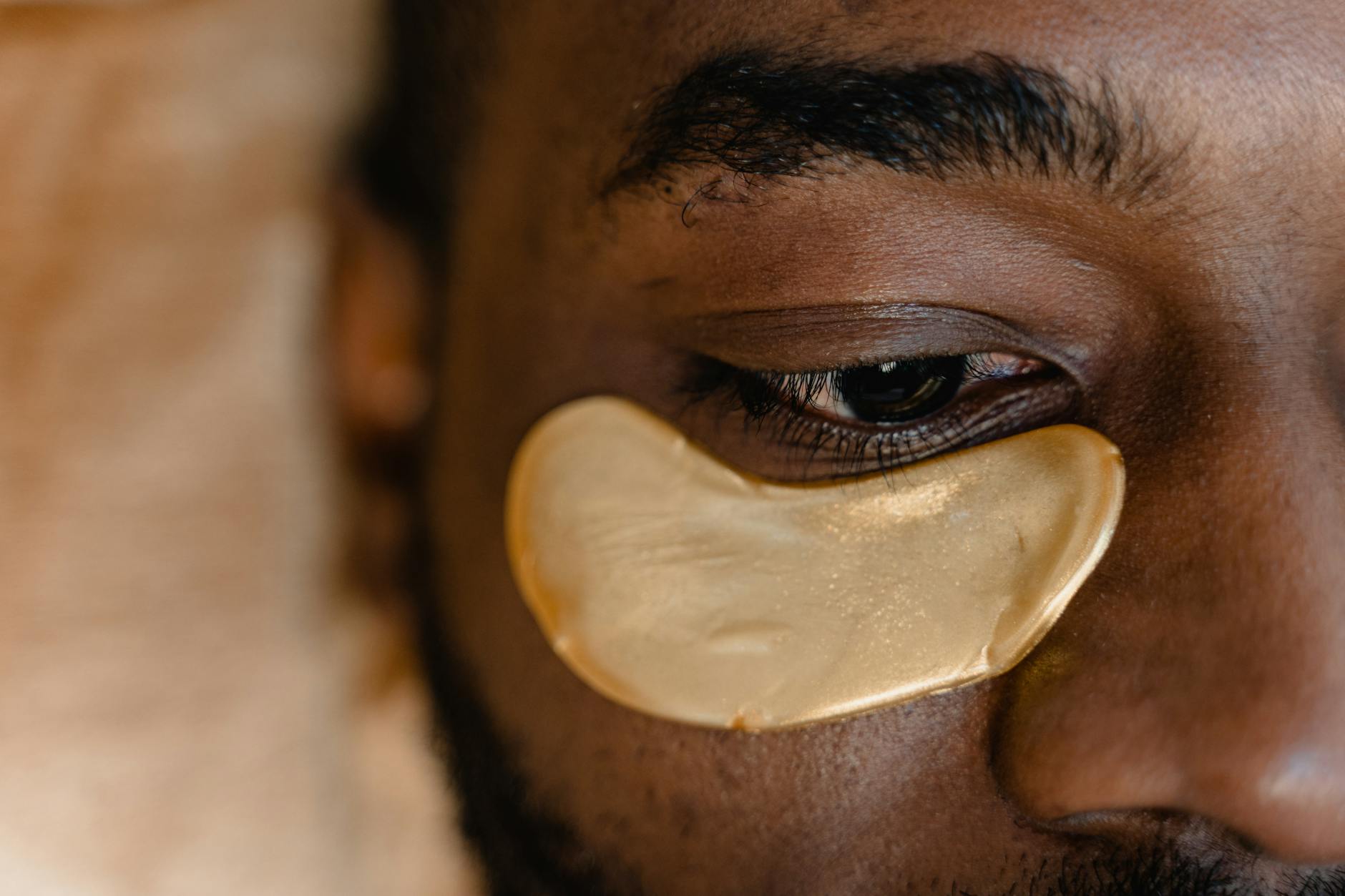
Hydrocolloid patches and microneedle patches are two fundamentally different technologies for treating acne, each designed to address specific skin concerns through distinct mechanisms. Hydrocolloid patches work by absorbing fluid and oil from blemishes, creating an optimal healing environment beneath a protective barrier, while microneedle patches deliver medications directly into the skin layers where acne-causing bacteria and inflammation reside. Understanding the difference between these two approaches is essential because using the wrong patch type for your acne can mean wasting money on ineffective treatment or missing out on a solution that actually works for your skin. Consider a typical scenario: you wake up with a whitehead the morning of an important meeting.
A hydrocolloid patch will draw out the fluid within hours, flatten the blemish, and reduce redness—perfect for surface-level pustules. But if you’re dealing with stubborn cystic acne deep under the skin, a hydrocolloid patch alone won’t penetrate far enough to reach the inflammation. That’s where microneedles come in, delivering active ingredients like salicylic acid or niacinamide directly to the problem area beneath the epidermis. The choice between these patches isn’t about one being universally better—it’s about matching the patch technology to your specific acne type, skin depth, and treatment goal.
Table of Contents
- How Do Hydrocolloid Patches and Microneedle Patches Actually Work?
- Hydrocolloid Patches: How Fluid Absorption Treats Surface Acne
- Microneedle Patches: Direct Medication Delivery for Stubborn Acne
- Practical Comparison: Which Patch Type Should You Choose?
- Safety Concerns and Important Limitations
- How to Use Each Patch Type Correctly
- The Future of Acne Patch Technology
- Conclusion
How Do Hydrocolloid Patches and Microneedle Patches Actually Work?
Hydrocolloid patches operate on a principle of fluid absorption. When you apply a hydrocolloid patch to a whitehead or pustule, the patch’s gel-like material absorbs excess sebum, pus, and lymph fluid from the blemish. This absorption flattens the pimple, reduces inflammation, and speeds the skin’s natural healing process—typically within 6 to 8 hours. The hydrocolloid also creates a moist, protected microenvironment that prevents bacterial contamination and allows the skin to repair itself without external irritation. Popular examples include Mighty Patch, Mighty Patch Invisible+, and Starface patches, all of which use this same hydrocolloid technology.
Microneedle patches take a completely different approach by physically penetrating the skin with hundreds of tiny needles, each between 0.5 and 2 millimeters long. These needles are either hollow (to deliver liquid medications) or coated with active ingredients that dissolve as the needles penetrate. When you apply a microneedle patch for 15 minutes, the needles create microchannels in the skin, allowing medications to bypass the skin barrier and reach the dermis and hypodermis layers where deeper acne inflammation occurs. This method is far more invasive than hydrocolloid treatment and requires more preparation and aftercare. The fundamental difference is passive versus active delivery: hydrocolloid patches passively absorb what’s already at the surface, while microneedles actively deliver medication into deeper skin layers. This distinction matters enormously when deciding which patch to use.
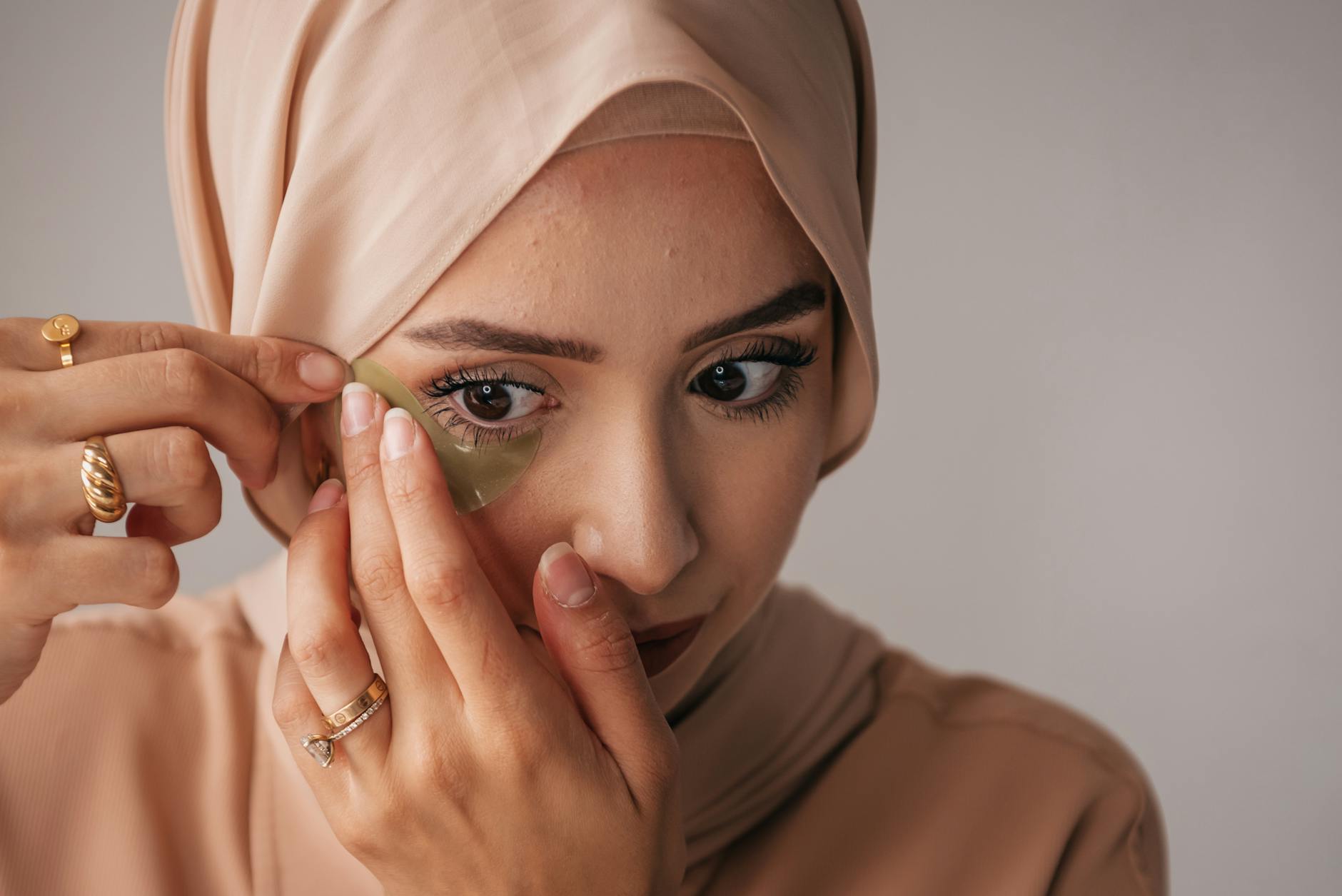
Hydrocolloid Patches: How Fluid Absorption Treats Surface Acne
Hydrocolloid patches are exceptionally effective at treating whiteheads, pustules, and other blemishes where the pus or fluid has already come to the surface. The gel material inside the patch is typically made from sodium carboxymethyl cellulose or similar compounds that turn white and opaque as they absorb fluid—this color change actually signals that the patch is working and when it’s time to replace it. Most hydrocolloid patches are thin enough to wear under makeup or throughout your day without drawing attention, making them practical for people who want discreet treatment. However, hydrocolloid patches have a significant limitation: they simply cannot treat deep cystic acne or inflamed nodules that sit beneath the surface of the skin. If you apply a hydrocolloid patch to a large, painful cyst, the patch will sit on top of the blemish without making any real impact on the subsurface inflammation.
The patch cannot deliver any medication because it has none to deliver—it only absorbs whatever fluid reaches the surface. Additionally, hydrocolloid patches require the blemish to have come to a whitehead; they don’t work on closed comedones or completely internal acne. Another important consideration is that hydrocolloid patches work best on clean, dry skin. If you have oily skin or apply the patch over other skincare products, the adhesion weakens and the patch may not stay in place long enough to absorb fluid effectively. Some people experience skin irritation from the adhesive itself, especially if they have sensitive or compromised skin.
Microneedle Patches: Direct Medication Delivery for Stubborn Acne
Microneedle patches excel at treating acne types that hydrocolloid patches cannot touch: cystic acne, nodular acne, and deep inflammatory blemishes. Because the needles penetrate the epidermis and reach the dermal layer, microneedle patches can deliver anti-inflammatory drugs, antibiotics, or other acne-fighting ingredients directly where the problem originates. For someone with deep, painful cysts that have persisted for weeks, a course of microneedle treatments with salicylic acid or retinoid ingredients can make a noticeable difference that surface treatments simply cannot achieve. The effectiveness of microneedle patches depends heavily on the specific active ingredient used.
Some patches are coated with salicylic acid, which helps exfoliate pore walls and reduce sebum production. Others use niacinamide, which reduces sebum and has anti-inflammatory properties. Premium microneedle patches may include stabilized vitamin C, peptides, or even low-dose retinoids—ingredients that are otherwise difficult for topical products to deliver because the skin barrier blocks their penetration. A clinical study on microneedle delivery of salicylic acid showed significant reduction in inflammatory acne lesions over four weeks of treatment. The trade-off is that microneedle patches require more investment of time and money, involve minor discomfort during application, and necessitate a recovery period where you must avoid further irritation.

Practical Comparison: Which Patch Type Should You Choose?
Your acne type should determine your choice. If you primarily get whiteheads and surface pustules, hydrocolloid patches are more practical and cost-effective—they cost between 75 cents and $2 per patch, and you’ll see results within hours. Apply one before bed, and by morning, the blemish will be noticeably flatter. For ongoing maintenance of surface-level breakouts, hydrocolloid patches are an excellent choice that fits into most skincare routines without complexity. If your acne is predominantly cystic, nodular, or deep and inflammatory, hydrocolloid patches will disappoint you—they simply won’t reach the problem.
Microneedle patches, while more expensive ($3 to $8 per patch) and requiring 15-minute application sessions, offer a chance to actually treat the underlying inflammation. You’ll also need to plan microneedle treatments; you can’t apply them whenever you notice a blemish because your skin needs recovery time between applications, typically 48 to 72 hours. Combination use is also viable. Many people use hydrocolloid patches for whiteheads and pustules (which appear frequently) while reserving microneedle patches for occasional deep cysts (which may appear less often). This approach gives you immediate relief from surface acne while addressing stubborn inflammatory blemishes with a treatment that can actually penetrate deep enough to help.
Safety Concerns and Important Limitations
Both patch types carry risks if misused. Hydrocolloid patches are quite safe—the primary risk is skin irritation from the adhesive, which is uncommon but possible for sensitive skin types. The bigger mistake people make is overusing hydrocolloid patches on blemishes that aren’t ready: applying a patch to a closed comedone or deep cyst simply won’t work and wastes the patch. Microneedle patches, because they create actual punctures in the skin, carry higher risks. If your skin is compromised—you have open wounds, severe dermatitis, or an active skin infection—microneedle patches can worsen the condition and introduce bacteria into the microchannels. The needles themselves can cause temporary pain, redness, and swelling that lasts several hours after application.
Rare but serious risks include infection if you use non-sterile patches or if you don’t follow proper aftercare protocols. Additionally, microneedle patches are not safe for skin types with certain conditions, such as active rosacea or severe eczema, because the skin barrier is already compromised. A critical limitation many people overlook: neither patch type addresses the root causes of acne. Hydrocolloid and microneedle patches are treatment tools, not prevention tools. Using them repeatedly without addressing underlying factors—hormonal imbalances, poor diet, inadequate skincare routine, or bacterial colonization—means you’ll be applying patches perpetually. They work best as part of a comprehensive acne strategy that includes cleansing, targeted acne medications, and possibly dermatological care.
How to Use Each Patch Type Correctly
Hydrocolloid patch application is straightforward but requires attention to detail. First, cleanse your face thoroughly and pat completely dry—any moisture on the skin reduces adhesion. If you use other skincare products, wait at least 20 minutes after applying serums or treatments before applying the patch. Apply the patch directly to the whitehead or pustule and press gently for 10 seconds to ensure adhesion. Leave it on for 6 to 8 hours, or overnight. Replace the patch if it turns white (indicating it’s absorbed fluid) or if it lifts at the edges. You can apply makeup over hydrocolloid patches once they’re secured, though this may reduce their effectiveness slightly.
Microneedle patch application demands more care. Cleanse and dry your face completely. Some patches require you to apply a hydrating serum or the patch’s included solution first to help the needles penetrate. Press the patch firmly against the target area for 10 to 15 minutes—do not move it around; this damages the needles and reduces effectiveness. You may feel mild discomfort; this is normal. After removing the patch, do not apply other actives, acids, or vitamin C products for at least 24 hours. Avoid sun exposure and wear sunscreen religiously because the skin’s barrier is temporarily compromised. Most dermatologists recommend no more than two microneedle treatments per week on the same area.
The Future of Acne Patch Technology
Both hydrocolloid and microneedle patch technologies continue to evolve. Newer hydrocolloid formulations now include additives like salicylic acid or niacinamide directly in the gel layer, combining passive fluid absorption with mild active ingredient delivery. These hybrid patches offer some benefits of both approaches but still don’t penetrate as deeply as true microneedle treatments.
Microneedle technology is advancing toward more sophisticated drug delivery, including patches with longer needles for very deep cystic acne and patches that dissolve completely into the skin rather than requiring removal. Research is also exploring dissolvable microneedle patches combined with oral acne medications for comprehensive treatment approaches. As these technologies mature, they’ll likely become more accessible and effective, though the fundamental distinction between passive fluid absorption and active ingredient delivery will remain.
Conclusion
Hydrocolloid patches and microneedle patches serve different purposes in acne treatment because they address different types of acne at different skin depths. Hydrocolloid patches excel at quickly reducing surface whiteheads and pustules through fluid absorption, making them ideal for people with occasional breakouts or as maintenance therapy for acne-prone skin. Microneedle patches offer deeper treatment for stubborn cystic and nodular acne by delivering medication directly into inflamed skin layers, making them the choice for severe or persistent deep acne that topical treatments cannot reach.
The decision between them isn’t either-or; it’s about using the right tool for the specific acne you’re experiencing. Most people benefit from keeping both options available, using hydrocolloid patches for the frequent surface blemishes and microneedle patches for occasional deep cysts. Whichever you choose, remember that patches are treatment tools, not prevention methods, and work best when combined with a consistent skincare routine and professional dermatological guidance for serious acne.
You Might Also Like
- He Was 21 When He Was Denied an Accutane Prescription Because She Wouldn’t Use 2 Forms of Birth Control
- She Was 48 When She Had Menopausal Acne and Was Prescribed Hormone Replacement Therapy That Cleared It
- She Was 42 When She Developed Rosacea-Type Acne That Required Completely Different Treatment Than Her Teenage Acne