
The most effective way to prevent acne after stopping birth control is to begin preparing your skin four or more weeks before discontinuing the pill. This means establishing a consistent skincare routine with ingredients like salicylic acid, zinc, and retinoids before your hormones begin shifting””not after breakouts have already appeared. Research from the Natural Acne Clinic suggests that this proactive approach can significantly reduce the severity of post-pill acne, giving your skin a foundation of defense before the hormonal changes begin.
Consider someone who has been on Yaz for five years and decides to stop for fertility reasons. If she waits until breakouts appear three months later to address the problem, she’s already behind. By contrast, starting a retinoid and incorporating anti-inflammatory ingredients a month before her last pill gives her skin time to adapt and build resilience against the androgen surge that’s coming. This article covers why post-pill acne happens in the first place, the specific timeline you can expect, which skincare ingredients actually work, when prescription treatments like spironolactone or Winlevi make sense, and the signs that indicate you should see a dermatologist rather than managing things on your own.
Table of Contents
- Why Does Acne Return After Stopping Birth Control?
- The Post-Pill Acne Timeline: When to Expect Breakouts
- Building Your Pre-Pill and Post-Pill Skincare Routine
- Medical Treatment Options: Spironolactone, Winlevi, and Beyond
- When Lifestyle and Supplements Actually Help
- Signs You Need to See a Dermatologist
- The Role of Your Original Acne History
- Moving Forward: What to Expect in the Coming Year
- Conclusion
Why Does Acne Return After Stopping Birth Control?
hormonal contraceptives suppress your body’s natural androgen production””testosterone drops by approximately 50 percent while you’re on the pill. When you stop, your body doesn’t gently return to its previous hormonal state. Instead, many women experience what clinicians call “androgen rebound,” where testosterone surges as your system compensates for the sudden withdrawal of synthetic hormones. This testosterone converts to dihydrotestosterone (DHT), which directly stimulates your sebaceous glands to produce more oil. More sebum means more clogged pores, and clogged pores mean acne.
The rebound effect is particularly pronounced for women who took pills with anti-androgen progestins like drospirenone or cyproterone acetate””brands like Yaz and Yasmin. These medications were actively suppressing androgens beyond what standard pills do, so the rebound can be more noticeable. However, not everyone experiences post-pill acne equally. If you had clear skin before starting birth control and went on the pill for contraception rather than acne treatment, your rebound may be minimal. The women who tend to struggle most are those who originally started hormonal contraceptives specifically to control acne””their underlying hormonal patterns never changed, the pill just masked them.

The Post-Pill Acne Timeline: When to Expect Breakouts
Studies show that approximately 47 to 63 percent of women experience skin blemishes after stopping birth control, with breakouts typically appearing around three months after discontinuation. This delay catches many women off guard””they stop the pill, enjoy a few weeks of clear skin, and assume they’ve dodged the bullet. Then month three arrives with a vengeance. The peak severity window runs from three to six months post-pill, according to dermatological research.
This is when androgen levels are rebounding most dramatically while your body recalibrates its hormonal feedback loops. The good news is that approximately 80 percent of women regain hormonal balance within three months of stopping, and full stabilization typically occurs within six to twelve months. One important caveat: these timelines assume you don’t have an underlying condition like polycystic ovary syndrome (PCOS). Research shows that in PCOS patients, androgens and sex hormone-binding globulin (SHBG) return to baseline after approximately eight weeks””but baseline for someone with PCOS may already be elevated. If your acne persists beyond the typical timeline or is accompanied by irregular periods and excess hair growth, the problem may be PCOS that was previously masked by your birth control rather than simple androgen rebound.
Building Your Pre-Pill and Post-Pill Skincare Routine
Starting your skincare regimen at least four weeks before stopping birth control gives active ingredients time to take effect. Retinoids, for instance, require consistent use before they begin preventing clogged pores and promoting healthy cell turnover. If you introduce a retinoid the same week breakouts start, you’ll spend weeks in the adjustment phase while acne is already forming. A practical approach includes three core components: a salicylic acid cleanser or treatment to keep pores clear, a retinoid (prescription tretinoin or over-the-counter adapalene) for cell turnover, and zinc either topically or as an oral supplement for its anti-inflammatory and oil-regulating properties. Dr.
Jolene Brighten, a naturopathic physician specializing in post-birth control syndrome, specifically recommends salicylic acid and zinc as foundational ingredients. The limitation here is that skincare alone cannot override significant hormonal imbalances. If your testosterone levels spike dramatically, no amount of salicylic acid will completely prevent breakouts. Think of topical treatments as reducing the severity and speeding recovery rather than providing complete prevention. Someone with mild androgen rebound might see excellent results from skincare alone, while someone with more significant hormonal shifts may need skincare plus internal support.
Medical Treatment Options: Spironolactone, Winlevi, and Beyond
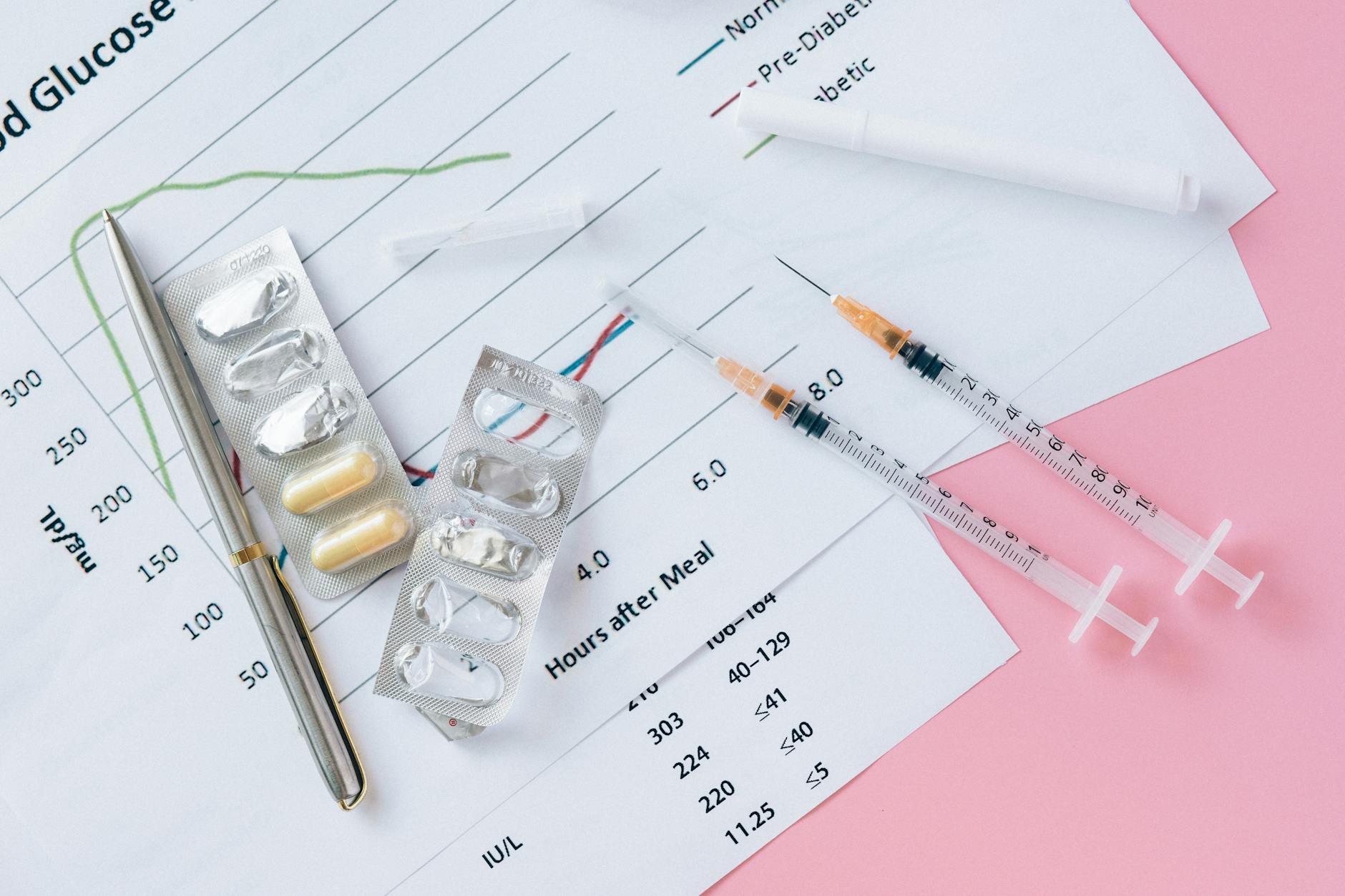
When over-the-counter skincare isn’t enough, several prescription options specifically target hormonal acne mechanisms. Spironolactone, an anti-androgen medication typically prescribed at 50 to 100 milligrams daily, has strong evidence behind it. A recent meta-analysis published in JAAD Reviews found an odds ratio of 2.51 compared to placebo for treatment success””meaning patients on spironolactone were more than twice as likely to see significant improvement. Winlevi (clascoterone) represents a newer option: the first FDA-approved topical anti-androgen for acne.
It works by blocking androgen receptors directly in the skin, reducing sebum production without the systemic effects of oral medications. For women concerned about spironolactone’s side effects””which can include potassium elevation, breast tenderness, and irregular bleeding””Winlevi offers a localized alternative. The 2024 American Academy of Dermatology guidelines emphasize treating all four pillars of acne pathogenesis simultaneously: excess sebum, abnormal follicular keratinization, bacterial proliferation, and inflammation. The guidelines also recommend limiting systemic antibiotics given concerns about antibiotic resistance. This means a combination approach””perhaps a retinoid for keratinization, an anti-androgen for sebum, and benzoyl peroxide for bacteria””often works better than any single treatment.
When Lifestyle and Supplements Actually Help
Certain dietary and lifestyle factors can influence post-pill acne, though the evidence is more variable than for direct medical treatments. Zinc supplementation has reasonable support for acne generally, working as an anti-inflammatory and potentially helping regulate oil production. Omega-3 fatty acids may help reduce inflammatory acne lesions. Some practitioners recommend DIM (diindolylmethane) to support estrogen metabolism during hormonal transitions. Blood sugar stability also matters.
Insulin spikes increase androgen activity, which is why high-glycemic diets are associated with acne in some studies. This doesn’t mean you need to eliminate carbohydrates, but minimizing refined sugars and processed foods during the post-pill transition period may offer modest benefits. The warning here is that supplements and diet cannot replace medical treatment for moderate to severe acne. Someone with painful cystic lesions shouldn’t spend six months experimenting with zinc and green smoothies while potentially developing permanent scars. These approaches work best as adjuncts to proper skincare and medical treatment, or as standalone strategies for very mild cases.
Signs You Need to See a Dermatologist
While some post-pill acne resolves on its own within the expected timeline, certain situations warrant professional intervention rather than continued self-management. If your acne persists or worsens after three months of consistent at-home treatment, that’s a clear signal to seek help. The same applies if you’re developing painful, deep cystic lesions””these carry significant scarring risk and respond poorly to over-the-counter options.
Immediate consultation is warranted if you notice scarring beginning to form. Acne scars are much easier to prevent than to treat after the fact. A dermatologist can prescribe stronger retinoids, consider spironolactone or Winlevi, or recommend procedures like cortisone injections for individual cysts.
The Role of Your Original Acne History
Your pre-birth control skin history is the single best predictor of what you’ll face after stopping. Women who started hormonal contraceptives specifically for acne treatment are essentially returning to their original hormonal patterns””the pill didn’t cure anything, it provided ongoing suppression. If you had significant acne as a teenager and went on birth control at 16, stopping at 30 doesn’t mean those tendencies have disappeared.
This history should inform your preparation strategy. Someone with a prior acne history might want to establish care with a dermatologist before stopping birth control, having prescription options ready to deploy if needed. Someone who went on the pill purely for contraception and never had notable acne has better odds of an uneventful transition.
Moving Forward: What to Expect in the Coming Year
The post-pill period is temporary. While it can feel interminable when you’re in the thick of breakouts, the vast majority of women find that their skin stabilizes within six to twelve months.
Your job during this window is damage control””preventing scarring, managing inflammation, and supporting your body’s hormonal recalibration without expecting perfection. Newer treatments continue to emerge, and the 2024-2025 acne guidelines reflect a more sophisticated understanding of hormonal acne mechanisms. The combination of better topical anti-androgens, refined spironolactone protocols, and emphasis on multi-target treatment means that even stubborn post-pill acne is more manageable than it was a decade ago.
Conclusion
Preventing acne after stopping birth control requires starting before you stop””ideally four or more weeks in advance with retinoids, salicylic acid, and zinc. Understanding that breakouts typically peak between three and six months post-pill helps you set realistic expectations and avoid discouragement when that first wave arrives.
If over-the-counter measures prove insufficient, medical options like spironolactone and Winlevi specifically target the hormonal mechanisms driving post-pill breakouts. Most importantly, recognize when self-treatment has reached its limits: persistent acne beyond three months, cystic lesions, or any signs of scarring mean it’s time to see a dermatologist rather than continuing to manage alone.