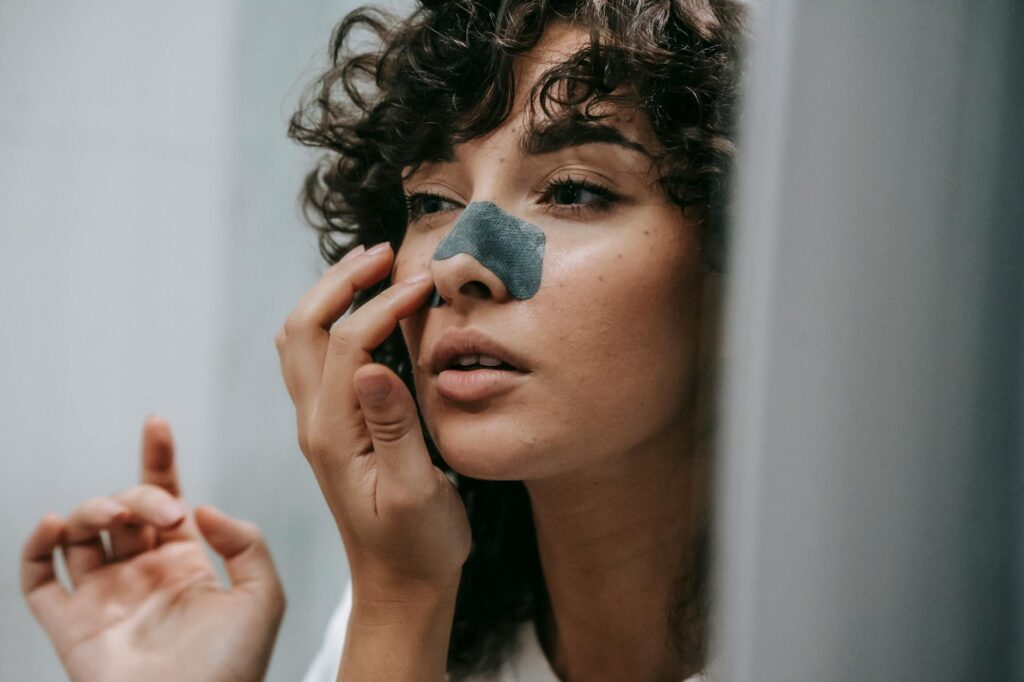
The most effective way to get rid of blackheads without extraction involves using topical treatments that dissolve the plugs of oil and dead skin cells from within the pore. Salicylic acid, available over-the-counter in concentrations of 0.5% to 2%, penetrates pores to break down debris without any squeezing required. For more stubborn blackheads, adapalene (sold as Differin) is now available without a prescription and has been clinically proven to both clear existing blackheads and prevent new ones from forming. These chemical approaches work gradually over weeks rather than instantly, but they address the underlying cause rather than just removing individual blockages.
Consider someone dealing with persistent blackheads across their nose and chin. Rather than attacking each one with an extraction tool””which dermatologists warn can cause redness, irritation, or permanent scarring””they could apply a salicylic acid cleanser twice daily and see meaningful improvement within four to six weeks. The blackheads dissolve from the inside out, and the ongoing treatment prevents new ones from taking their place. This article covers the full range of non-extraction options, from drugstore products you can start using tonight to professional treatments like chemical peels and microdermabrasion. We’ll examine which ingredients work best for different skin types, when professional intervention makes sense, and the prevention habits that keep blackheads from returning once you’ve cleared them.
Table of Contents
- What Topical Ingredients Remove Blackheads Without Squeezing?
- How Do Professional Treatments Clear Blackheads Differently?
- Why Does Salicylic Acid Work Better Than Physical Exfoliation?
- How Should You Build a Daily Routine to Eliminate Blackheads?
- What Mistakes Make Blackheads Worse Instead of Better?
- When Should You See a Dermatologist for Blackheads?
- What Role Does Prevention Play After Clearing Blackheads?
- Conclusion
What Topical Ingredients Remove Blackheads Without Squeezing?
Three categories of topical treatments have proven effective for dissolving blackheads without manual extraction: beta-hydroxy acids, retinoids, and alpha-hydroxy acids. Each works through a different mechanism, and understanding these differences helps you choose the right starting point for your skin. Salicylic acid, the most common beta-hydroxy acid (BHA), is oil-soluble, meaning it can penetrate through the sebum inside your pores to reach the blockage directly. This makes it particularly effective for blackheads, which form when oil and dead skin cells accumulate in the pore opening. products containing 0.5% to 2% salicylic acid are widely available as cleansers, toners, and leave-on treatments.
The lower concentrations suit daily use, while higher strengths work well for targeted spot treatment. Retinoids represent a more aggressive approach. Adapalene, once prescription-only, earned FDA approval for over-the-counter sale after extensive clinical trials demonstrated its ability to unclog pores and promote healthy skin cell turnover. Prescription tretinoin (Retin-A) offers even greater potency””dermatologists report it works “extremely well” for blackheads””but requires a doctor’s visit. The tradeoff with retinoids is an adjustment period; most users experience dryness and mild irritation during the first few weeks before their skin acclimates.
How Do Professional Treatments Clear Blackheads Differently?
When over-the-counter products aren’t delivering results after two to three months of consistent use, professional treatments offer stronger interventions without resorting to manual extraction. These in-office procedures work faster than topical products but come with higher costs and temporary side effects. Chemical peels use concentrated acid solutions to remove the outer layers of damaged skin, taking blackhead plugs with them. The peel penetrates deeper than any at-home product legally can, essentially performing an accelerated version of the exfoliation process. However, this intensity means side effects: expect redness, stinging, and swelling for approximately 48 hours after treatment.
Most people need a series of peels spaced several weeks apart for optimal results, and you’ll need to avoid sun exposure during the healing period. Microdermabrasion, sometimes called a “power peel,” takes a mechanical rather than chemical approach. A device with tiny crystals or a diamond-tipped wand exfoliates the skin surface while simultaneously vacuuming away the debris. This dual action clears existing blackheads while smoothing the surrounding skin texture. The recovery is gentler than chemical peels””mild redness and tenderness typically resolve within a few hours””making it a practical option for people who can’t take downtime. Laser resurfacing offers yet another mechanism, decreasing oil production and boosting cell turnover, though it requires more significant investment and recovery time.
Why Does Salicylic Acid Work Better Than Physical Exfoliation?
The key advantage of salicylic acid over scrubs and extraction tools lies in where it does its work. Physical exfoliation addresses only the skin surface, while salicylic acid penetrates into the pore itself where blackheads actually form. When you use a facial scrub, you’re removing dead cells from the top layer of skin. This can temporarily make pores appear smaller and may dislodge some surface-level debris, but it doesn’t address the plug of oxidized oil and skin cells sitting deeper in the pore. Salicylic acid, being oil-soluble, dissolves through the sebum barrier and breaks apart the blockage from within.
Think of it as the difference between wiping dust off a clogged drain versus using a chemical drain cleaner that dissolves the clog itself. This mechanism also explains why consistency matters more than intensity. A person using 2% salicylic acid cleanser twice daily for six weeks will typically see better results than someone using aggressive physical exfoliation every few days. The chemical approach prevents new blackheads from forming while gradually clearing existing ones, whereas physical exfoliation only addresses what’s visible at the surface. That said, salicylic acid isn’t universally suitable””people with very dry or sensitive skin may find even low concentrations irritating and might do better starting with gentler glycolic acid products.

How Should You Build a Daily Routine to Eliminate Blackheads?
An effective anti-blackhead routine balances active treatment with proper skin maintenance, and the sequence of steps matters as much as the products themselves. The foundation is simple: cleanse twice daily, apply treatment products, and always follow with moisturizer. Morning routines should include a gentle cleanser””either a salicylic acid formula if your skin tolerates daily use, or a basic non-comedogenic cleanser if you’re using stronger treatments at night. Follow with moisturizer and sunscreen, the latter being essential if you’re using any retinoid or exfoliating acid, as these increase sun sensitivity. Evening routines can incorporate stronger treatments: this is the time for adapalene or prescription retinoids, which work best when applied to clean, dry skin before moisturizer.
The comparison between starting with salicylic acid versus starting with adapalene often comes down to skin sensitivity and patience. Salicylic acid produces milder, more gradual results with minimal adjustment period””most people can use it immediately without significant irritation. Adapalene works faster and more comprehensively but requires weathering an adjustment phase of dryness and peeling that can last two to six weeks. For someone with occasional blackheads and sensitive skin, salicylic acid makes a logical starting point. For persistent, widespread blackheads in someone with resilient skin, adapalene may be worth the initial discomfort for faster results.
What Mistakes Make Blackheads Worse Instead of Better?
Several well-intentioned habits actually worsen blackheads or undermine treatment efforts. Understanding these pitfalls helps you avoid setbacks that can add weeks or months to your clearing timeline. Over-cleansing ranks among the most common mistakes. The instinct to wash frequently when dealing with oily, blackhead-prone skin seems logical but backfires in practice. Cleansing more than twice daily strips away too much natural oil, triggering your sebaceous glands to compensate by producing even more sebum. This excess oil flows right back into your pores, accelerating blackhead formation.
Similarly, skipping moisturizer because your skin “already feels oily” creates the same rebound effect””skin that’s dehydrated on the surface but overproducing oil underneath. DIY extraction represents an even more serious mistake. The temptation to squeeze blackheads is understandable; they’re visible, they’re annoying, and removal seems straightforward. But dermatologists consistently warn against home extraction for good reasons. Without proper technique and sterile tools, you risk pushing debris deeper into the pore, introducing bacteria, or damaging the pore walls. The result can be inflammation, infection, or permanent scarring that’s far more noticeable than the original blackhead. Professional extractions performed by trained aestheticians use proper preparation, technique, and aftercare””attempting to replicate this at home rarely ends well.

When Should You See a Dermatologist for Blackheads?
While most blackheads respond to consistent over-the-counter treatment, certain situations warrant professional evaluation. A dermatologist can prescribe stronger retinoids like tretinoin, perform in-office procedures, or identify whether what you’re treating is actually something other than typical blackheads. Consider scheduling an appointment if you’ve used adapalene or salicylic acid consistently for three months without meaningful improvement. At that point, prescription-strength options or professional treatments become reasonable next steps.
A dermatologist might recommend tretinoin, which offers more potent pore-clearing action than over-the-counter adapalene, or suggest a series of chemical peels to accelerate progress. They can also prescribe combination products that pair retinoids with other active ingredients for enhanced efficacy. You should also seek professional care if your blackheads frequently become inflamed, forming red, painful pimples. This progression suggests that bacteria are colonizing the clogged pores, potentially requiring treatment with ingredients like niacinamide””which regulates oil production and reduces inflammation””or even topical antibiotics. A dermatologist can determine whether you’re dealing with straightforward comedonal acne or a more complex condition that needs a different approach entirely.
What Role Does Prevention Play After Clearing Blackheads?
Successfully eliminating existing blackheads is only half the battle; preventing their return requires ongoing attention to the same factors that caused them initially. The good news is that the same treatments that clear blackheads also prevent them when used consistently. Maintenance typically requires less intensive treatment than the initial clearing phase. Someone who used adapalene nightly to clear stubborn blackheads might maintain results with applications three to four times weekly, or switch to a gentler salicylic acid cleanser for daily use.
The key is never abandoning active treatment entirely””blackhead-prone skin doesn’t “heal” in the sense of becoming permanently clear. The tendency to accumulate oil and dead skin cells in pores remains, and without ongoing management, new blackheads will form within weeks. Newer treatment options continue to emerge as well. DiamondGlow facials, for instance, combine mechanical exfoliation with suction-based pore cleansing and simultaneous serum infusion, offering a maintenance option that addresses multiple factors in a single session. As research advances understanding of sebum production and pore behavior, future treatments may offer even more effective long-term prevention with less daily effort.
Conclusion
Getting rid of blackheads without extraction is not only possible but often preferable to manual removal. Topical treatments like salicylic acid and adapalene address the root cause””accumulated oil and dead skin cells within the pore””rather than just removing individual blockages. Professional options including chemical peels and microdermabrasion offer accelerated results for stubborn cases, while proper daily habits prevent the over-cleansing and dehydration that worsen the problem.
The path forward depends on your skin’s sensitivity and the severity of your blackheads. Start with a 2% salicylic acid cleanser used twice daily, giving it six to eight weeks before evaluating results. If improvement stalls, consider adding over-the-counter adapalene or consulting a dermatologist for prescription-strength options. Throughout the process, resist the urge to extract manually, maintain consistent moisturization, and remember that prevention requires ongoing treatment even after your skin clears.