
Post-inflammatory hyperpigmentation (PIH) and permanent scarring are distinctly different skin conditions that often get confused by people struggling with acne. PIH is a temporary darkening or browning of the skin that develops after inflammation—including inflammation caused by acne or irritation from retinoid treatments. Unlike scarring, which represents permanent structural damage to the dermis, PIH occurs only in the epidermis and gradually fades over months to years as the skin’s inflammatory response resolves. Research indicates that at least 81% of patients using retinoids have experienced post-inflammatory hyperpigmentation, making it one of the most common side effects of these powerful acne treatments. The critical difference lies in what’s actually happening beneath your skin.
When you use retinoids, they increase cell turnover and can trigger inflammation as skin adjusts. This inflammation prompts melanin production as a protective response, creating dark patches or spots. This is PIH—and it goes away. Scarring, by contrast, involves loss of collagen and permanent changes to skin texture that won’t fade on their own without professional treatment like laser therapy or microneedling. Understanding this distinction determines whether your skin will recover naturally or whether you need intervention.
Table of Contents
- What Causes Post-Inflammatory Hyperpigmentation in Retinoid Users?
- How Post-Inflammatory Hyperpigmentation Develops and Progresses
- How Scarring Differs From Post-Inflammatory Hyperpigmentation
- Managing and Minimizing Post-Inflammatory Hyperpigmentation While Using Retinoids
- Complications and Limitations When Treating Retinoid-Related Hyperpigmentation
- Professional Treatments for Persistent Post-Inflammatory Hyperpigmentation
- The Long-Term Perspective on Retinoid Use and Post-Inflammatory Hyperpigmentation
- Conclusion
What Causes Post-Inflammatory Hyperpigmentation in Retinoid Users?
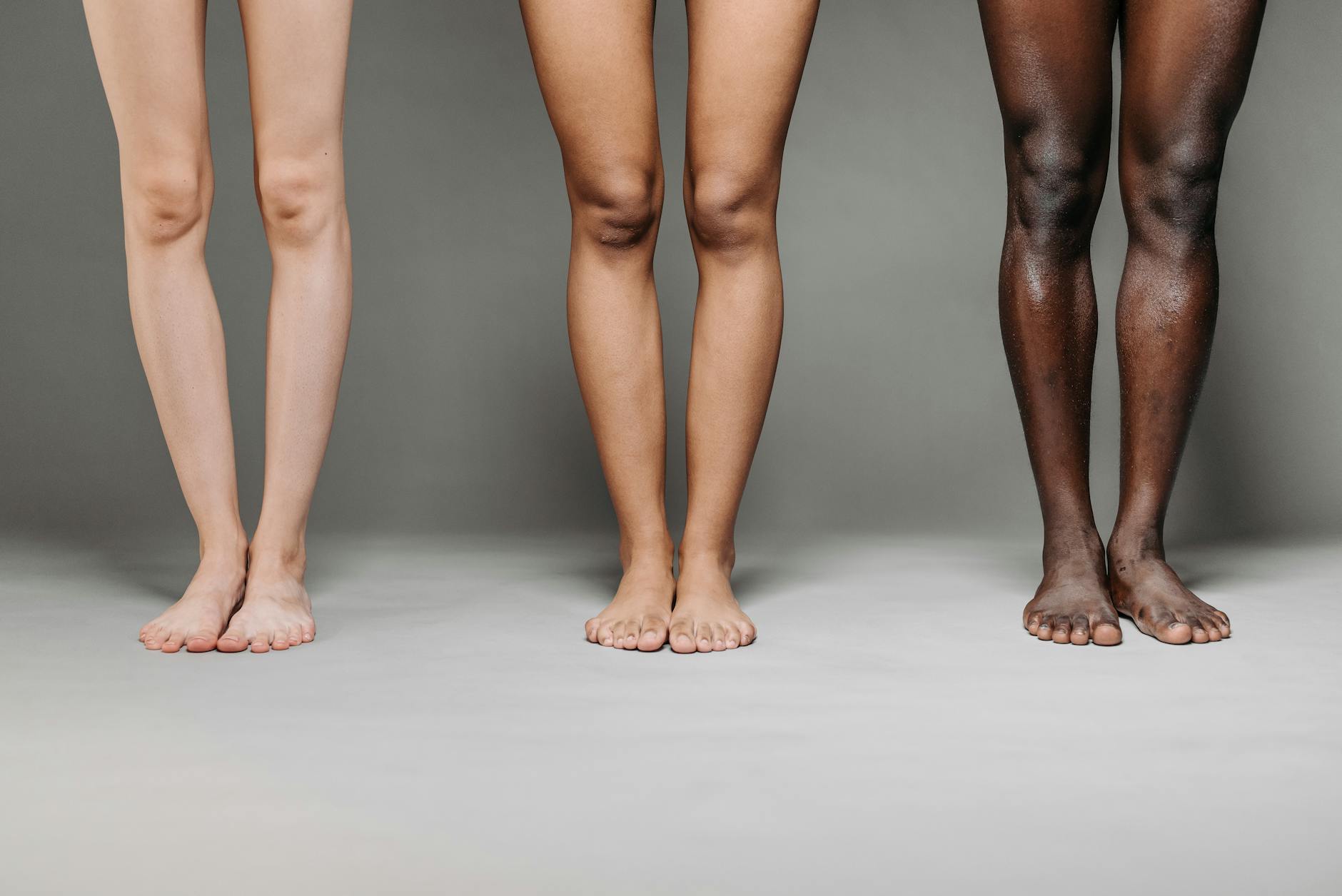
Retinoids work by accelerating skin cell turnover and promoting collagen remodeling, which is how they address acne, fine lines, and texture issues. This increased turnover inevitably triggers some inflammation, especially when you’re starting treatment or increasing concentration. Your skin interprets this as injury and activates melanocytes—the cells that produce melanin. In people with darker skin tones, this response tends to be more pronounced and visible, which is why PIH is particularly common in Black, Asian, Latino, and Middle Eastern populations.
A patient starting tretinoin at 0.025% might notice faint brown patches around the cheeks and jawline within two to four weeks, which is purely a PIH response and not scarring. The severity of PIH depends on several factors: your baseline skin tone (darker skin naturally produces more melanin), the strength of the retinoid, how quickly you increased the dose, and your skin’s inflammatory response. Someone with very fair skin might develop barely-visible PIH, while someone with medium to dark skin might see dramatic darkening. This is why dermatologists typically recommend starting retinoids at lower concentrations and increasing gradually—slower introduction means less inflammation and less PIH risk. However, even with careful introduction, most people will experience some degree of PIH; the 81% statistic reflects how common this side effect truly is.
How Post-Inflammatory Hyperpigmentation Develops and Progresses
Post-inflammatory hyperpigmentation doesn’t appear overnight. The process typically unfolds over days to weeks: inflammation from retinoid use triggers melanin production, which deposits in the upper layers of skin. The discoloration can range from barely noticeable to quite dark, depending on your skin tone and the intensity of the inflammatory trigger. The darkest PIH usually appears around 2-4 weeks into treatment or after a retinoid dose increase. What’s important to understand is that this pigment is sitting in the epidermis—the outermost, living layer of skin—not in deeper structures.
The timeline for PIH fading varies significantly. In people with fair skin, PIH might fade within 3-6 months. In people with darker skin tones, PIH can persist for 6-12 months or even longer, which is a real limitation of retinoid therapy that’s worth acknowledging. This prolonged persistence doesn’t mean it’s permanent—it means your skin needs more time to cycle through its natural turnover process and shed the pigmented cells. During this waiting period, you’re still using the retinoid (hopefully), which is creating new skin cells while the old pigmented ones gradually make their way to the surface and slough off. The limiting factor is your skin’s natural shedding cycle, which takes time.
How Scarring Differs From Post-Inflammatory Hyperpigmentation
Scarring involves actual structural damage—loss of collagen in the dermis (the layer beneath the epidermis) that creates indentations, raised bumps, or textural changes that cast shadows and create uneven appearance. Unlike PIH, which is purely a pigmentation issue in the outermost layer, scars are permanent without professional intervention. When acne creates a deep cyst or nodule, it can destroy collagen during the healing process, leaving behind an atrophic (indented) or hypertrophic (raised) scar. This structural damage doesn’t fade with time alone.
A person might have both PIH and scarring simultaneously—the dark spots from inflammation (PIH) sitting on top of indented or raised areas (scarring)—which can make the scars appear more noticeable. The good news is that retinoids themselves don’t cause scarring; they can actually help prevent it by reducing inflammation and improving the skin’s healing response. However, if you have pre-existing acne scars and use retinoids, you might temporarily notice those scars appearing more visible during the initial PIH phase—not because the scar got worse, but because the surrounding skin is darker from PIH, creating more contrast. Once the PIH fades, the scar’s appearance relative to surrounding skin improves. This is an important psychological distinction: your scarring hasn’t changed; the temporary hyperpigmentation just made it more visible for a while.
Managing and Minimizing Post-Inflammatory Hyperpigmentation While Using Retinoids
The best approach to PIH management starts before it develops: using retinoids gradually and consistently. Start with a low concentration (0.025% tretinoin or equivalent), use it 2-3 times weekly initially, and increase frequency only if your skin tolerates it well. Pair your retinoid with a strong sunscreen (SPF 30+, reapplied every two hours) because UV exposure darkens existing PIH and can trigger new pigmentation. This is non-negotiable—sunscreen is the single most effective way to prevent PIH from worsening and to speed its fading. Someone using tretinoin without daily sunscreen might see PIH take 12+ months to fade, while the same person with rigorous sun protection might see it fade in 4-6 months. Additional strategies include vitamin C serums, which have some antioxidant and brightening properties, and niacinamide, which can help modulate melanin production and inflammation.
Kojic acid and azelaic acid are evidence-backed options for addressing PIH specifically. However, a crucial limitation: while these actives might help somewhat, they won’t make PIH disappear quickly. PIH is fundamentally a timing issue—your skin needs time to turn over and shed the pigmented cells. Using too many actives while managing retinoid-induced PIH can irritate skin further, worsen inflammation, and paradoxically deepen the PIH. Less is often more. Many dermatologists recommend simplifying your routine when starting retinoids: cleanser, moisturizer, sunscreen, and the retinoid itself. Everything else can wait until your skin has adjusted.
Complications and Limitations When Treating Retinoid-Related Hyperpigmentation
One significant limitation is that some people’s skin simply takes longer to resolve PIH regardless of treatment. Genetic factors, baseline skin tone, and individual inflammatory response all play roles that you can’t control. Someone with very deep skin tones might experience PIH lasting 12-18 months, and there’s no cream or serum that will speed this up substantially—it’s a biological timeline issue. This extended timeline sometimes causes people to abandon retinoid therapy prematurely, which is unfortunate because the retinoid’s acne-fighting benefits are genuine and significant. The temporary PIH is usually worth enduring, but it requires realistic expectations.
Another consideration is PIH recurrence. If you stop sun protection or repeatedly irritate your skin, you can trigger new inflammation and new rounds of PIH on top of fading PIH, making it appear as though the original PIH isn’t improving. This is a warning about consistency: managing PIH requires consistent sun protection and consistent retinoid use without unnecessary irritants. Additionally, some people develop confluent or extensive PIH that affects large areas of the face, which can be psychologically difficult even though it will fade. For these cases, professional treatments like laser therapy (specifically, non-ablative lasers designed for PIH) can speed fading, though this adds cost and requires dermatology consultation.

Professional Treatments for Persistent Post-Inflammatory Hyperpigmentation
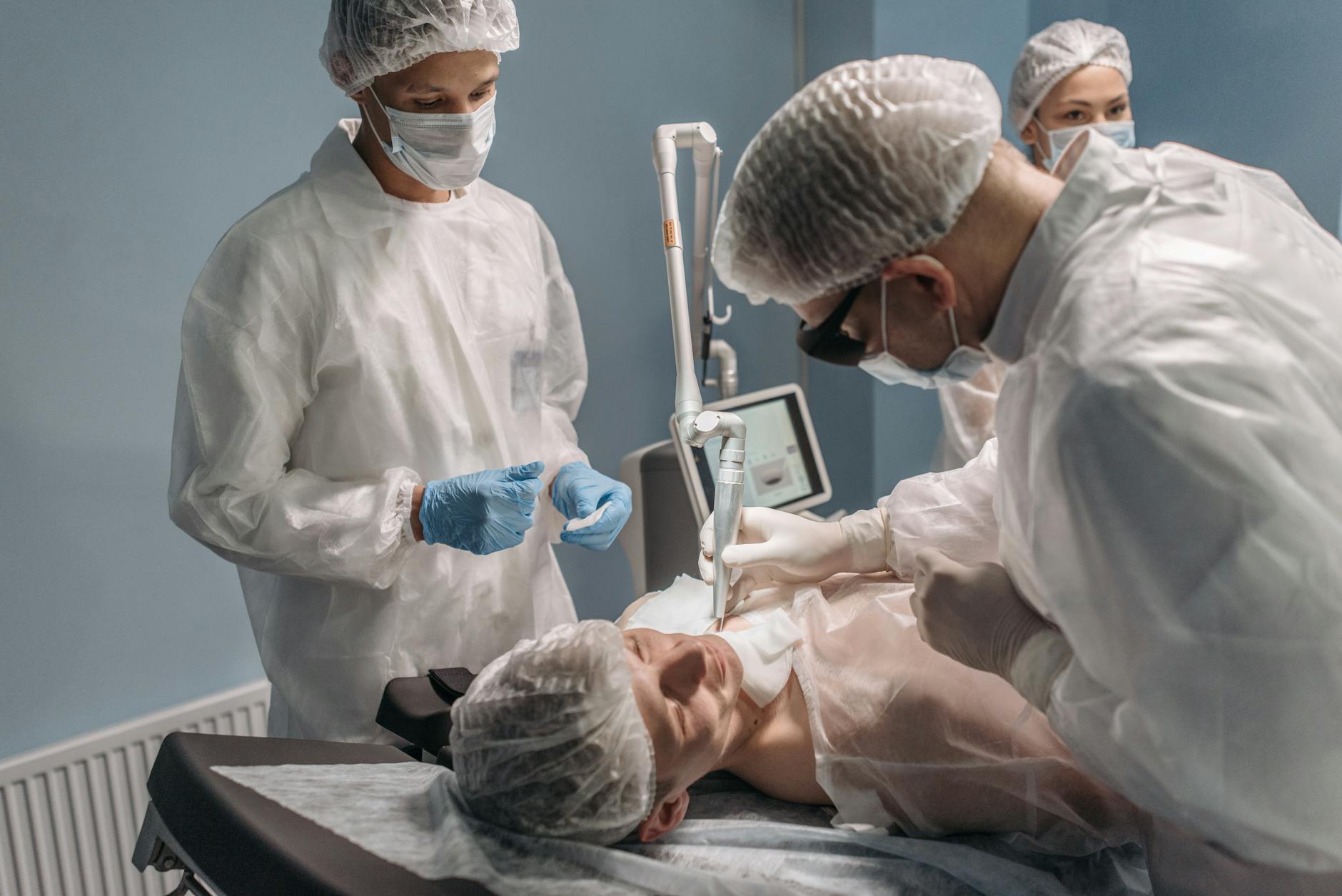
If PIH is significantly affecting your quality of life and you’re tired of waiting for natural fading, several professional options exist. Laser treatments like Q-switched Nd:YAG or picosecond lasers can target melanin directly and fade PIH substantially faster than time alone—sometimes reducing 12-month-timeline PIH to 3-4 months of noticeable improvement. Chemical peels with ingredients like glycolic acid or salicylic acid can accelerate surface cell shedding, though their effectiveness is modest compared to laser. An example: a patient with extensive PIH from starting tretinoin might undergo 2-3 laser sessions over 6-8 weeks and see 50-70% improvement, while continuing retinoid use.
Microneedling is sometimes used, though it’s less targeted for PIH specifically than for scarring. The advantage of waiting versus pursuing professional treatment is purely a cost-benefit analysis. Laser treatments cost several hundred to several thousand dollars, and not everyone wants or can afford that. Waiting for natural fading is free but requires patience and psychological resilience. There’s no universal right answer—it depends on your timeline, finances, and how much the PIH is bothering you.
The Long-Term Perspective on Retinoid Use and Post-Inflammatory Hyperpigmentation
For most people, the temporary PIH from retinoid use is worth the long-term benefits. Retinoids are among the most evidence-backed treatments for acne, photoaging, and skin texture, and their effects compound over years. The first 6-12 months might include noticeable PIH, but continuing through that phase typically results in clearer, smoother, more resilient skin.
Many people find that once they’ve pushed through the initial adjustment period and the PIH has faded, the improvements are substantial enough that they can’t imagine stopping retinoids. Looking forward, your experience with PIH should inform how you approach retinoid maintenance. If you experienced significant PIH when starting tretinoin, that’s valuable information: your skin has a strong inflammatory response, so you might want to stay at a lower maintenance concentration long-term, use it fewer times weekly, or prioritize anti-inflammatory skincare partners like niacinamide. The goal is finding the highest benefit-to-side-effect ratio for your individual skin, which sometimes means accepting that you won’t use the strongest retinoid available—and that’s perfectly fine.
Conclusion
Post-inflammatory hyperpigmentation from retinoid use is temporary, fading over months to years as skin naturally turns over and sheds pigmented cells. It is fundamentally different from scarring, which is permanent structural damage. Understanding this distinction prevents unnecessary panic and helps you make informed decisions about continuing retinoid therapy despite PIH. The statistic that at least 81% of retinoid users experience PIH is a reality check: you’re not having an unusual reaction; you’re having a normal one.
Your path forward depends on your priorities and tolerance. If you can maintain consistent sunscreen use and accept the temporary darkening, continuing retinoids through the PIH phase typically leads to significant long-term skin improvement. If the PIH is severely affecting your well-being, professional treatments like laser therapy can accelerate fading. Either way, remember that PIH will fade—it’s not permanent—and that distinguishing it from actual scarring allows you to respond appropriately rather than with alarm.
You Might Also Like
- At Least 16% of Healthcare Workers With Maskne Have Tried Post-Inflammatory Hyperpigmentation Is Different From Permanent Scarring
- At Least 83% of Patients Who Failed First-Line Treatment Are Unaware That Post-Inflammatory Hyperpigmentation Is Different From Permanent Scarring
- At Least 13% of Acne Patients Believe That Post-Inflammatory Hyperpigmentation Is Different From Permanent Scarring