
Finding the best face masks for deep cleaning acne pores can transform a frustrating skincare routine into an effective treatment protocol that delivers visible results. Acne-prone skin presents unique challenges that go beyond surface-level cleansing, requiring targeted ingredients and formulations capable of penetrating congested pores, dissolving sebum buildup, and addressing the bacterial overgrowth that contributes to breakouts. The right mask serves as a weekly or bi-weekly intervention that complements daily cleansing, providing a concentrated treatment that draws out impurities lodged deep within the pore structure. The connection between clogged pores and acne formation is well-established in dermatological research. When sebaceous glands produce excess oil, this sebum mixes with dead skin cells and environmental debris to form plugs within the hair follicles.
These plugs create an anaerobic environment where Cutibacterium acnes bacteria thrive, triggering the inflammatory response that manifests as papules, pustules, and cystic lesions. Deep-cleaning masks address this cycle at multiple points, helping to remove existing blockages while regulating future oil production and providing antibacterial benefits. This guide examines the full spectrum of pore-cleansing masks available to acne sufferers, from traditional clay formulations to advanced chemical exfoliants and combination treatments. By understanding how different mask types work, which ingredients to prioritize for specific skin concerns, and how to properly incorporate these treatments into a comprehensive routine, readers will gain the knowledge needed to select products that genuinely address their acne rather than simply making marketing promises. The goal is clear, decongested pores that support healthier skin overall.
Table of Contents
- What Makes a Face Mask Effective for Deep Cleaning Acne Pores?
- Clay Masks and Their Pore-Purifying Properties
- Chemical Exfoliant Masks for Acne-Prone Pores
- How to Choose the Right Pore-Cleansing Mask for Your Acne Type
- Common Mistakes When Using Deep-Cleaning Masks for Acne
- Natural and DIY Alternatives for Pore-Cleansing Masks
- How to Prepare
- How to Apply This
- Expert Tips
- Conclusion
- Frequently Asked Questions
What Makes a Face Mask Effective for Deep Cleaning Acne Pores?
The effectiveness of a acneadvocate.com/does-touching-your-face-cause-more-acne-breakouts/” title=”Does Touching Your Face Cause More Acne Breakouts”>face mask for deep cleaning acne pores depends on its ability to accomplish several physiological tasks simultaneously. First, the mask must soften and loosen the keratinized debris that accumulates within follicular openings. Second, it needs to absorb or dissolve excess sebum without completely stripping the skin’s protective lipid barrier. Third, an ideal pore-cleansing mask provides some antibacterial action to reduce C. acnes populations.
Finally, the formulation should offer anti-inflammatory properties to calm existing irritation while preventing new inflammation from developing during the treatment process. Clay-based masks have dominated the pore-cleansing category for decades because they fulfill most of these criteria through simple physical and chemical mechanisms. Clays like kaolin and bentonite carry a negative electrical charge that attracts positively charged impurities, essentially pulling debris from pores through ionic bonding. The absorptive capacity of quality clay can remove up to 200% of its weight in oil, making these formulations particularly suitable for oily and combination skin types. However, the effectiveness varies significantly based on clay type, particle size, and additional ingredients included in the formula.
- **Absorption capacity** determines how much oil and debris a mask can physically remove from pores
- **Penetration depth** refers to whether active ingredients can reach the lower portions of blocked follicles
- **Contact time optimization** involves balancing ingredient concentration with application duration for maximum benefit without irritation
- **pH compatibility** ensures the mask works synergistically with the skin’s acid mantle rather than disrupting it

Clay Masks and Their Pore-Purifying Properties
Clay masks remain the gold standard for mechanical pore cleansing due to their unmatched ability to absorb sebum and draw out impurities through adsorption. Different clay types offer distinct benefits based on their mineral composition and particle structure. Kaolin clay, derived from kaolinite mineral deposits, provides gentle absorption suitable for sensitive acne-prone skin. Bentonite clay, formed from volcanic ash, offers more aggressive oil absorption and a tightening effect that some users find satisfying. French green clay falls between these options, providing moderate absorption with added mineral content including magnesium, calcium, and potassium.
The mechanism behind clay’s pore-cleaning action involves both physical and electrochemical processes. When hydrated, clay particles become negatively charged, attracting positively charged ions present in sebum, dead skin cells, and bacterial byproducts. As the mask dries on the skin, it creates a gentle suction effect that pulls loosened debris toward the surface. Studies examining bentonite clay have demonstrated antibacterial properties against certain skin pathogens, adding another dimension to its acne-fighting capability. The mineral content of quality clays also provides trace nutrients that support skin barrier function.
- **Kaolin clay** absorbs oil without over-drying, making it ideal for sensitive or moderately oily skin with acne
- **Bentonite clay** provides maximum absorption for very oily skin but requires careful monitoring to prevent excessive dryness
- **French green clay** offers balanced purification with additional detoxifying properties from its mineral content
- **Rhassoul clay** from Morocco combines gentle cleansing with conditioning effects from its unique silica-to-magnesium ratio
Chemical Exfoliant Masks for Acne-Prone Pores
Chemical exfoliant masks represent a more targeted approach to pore cleansing, using acids to dissolve the bonds between dead skin cells rather than relying solely on physical absorption. salicylic acid stands out as the most effective chemical exfoliant for acne because of its lipophilic nature, meaning it dissolves in oil and can penetrate through sebum to reach the interior of clogged pores. This beta-hydroxy acid works at concentrations between 0.5% and 2% in over-the-counter products, with higher concentrations available through dermatological treatments.
Alpha-hydroxy acids like glycolic and lactic acid offer complementary benefits for acne-prone skin, though they work primarily on the skin’s surface rather than within pores. Glycolic acid, derived from sugar cane, has the smallest molecular size among AHAs, allowing moderate penetration into the upper layers of the epidermis. Lactic acid provides gentler exfoliation with added hydrating properties, making it suitable for acne sufferers who also experience dryness or sensitivity. Combination masks that blend salicylic acid with glycolic or lactic acid can address both surface texture and deeper pore congestion.
- **Salicylic acid (BHA)** penetrates oil-filled pores to dissolve sebum plugs and reduce comedone formation
- **Glycolic acid (AHA)** accelerates surface cell turnover to prevent dead skin accumulation around pore openings
- **Enzyme masks** using papain or bromelain offer gentler exfoliation for those who cannot tolerate acid-based products
- **Polyhydroxy acids (PHAs)** like gluconolactone provide exfoliation with less irritation potential for reactive skin
How to Choose the Right Pore-Cleansing Mask for Your Acne Type
Selecting an appropriate deep-cleaning mask requires honest assessment of your specific acne presentation, skin type, and tolerance for active ingredients. Comedonal acne, characterized primarily by blackheads and whiteheads without significant inflammation, responds well to clay masks combined with low-concentration salicylic acid. This acne type results from pore blockages that haven’t yet become infected or inflamed, making physical extraction of sebum plugs the priority. Weekly clay mask treatments can maintain clearer pores and prevent comedones from progressing to inflammatory lesions.
Inflammatory acne featuring red papules, pustules, and potentially cystic lesions requires a more nuanced approach to mask selection. While deep cleaning remains important, overly aggressive treatments can exacerbate inflammation and damage the skin barrier. Masks containing sulfur at concentrations between 3% and 10% provide antibacterial and keratolytic benefits without the intense drying associated with high-strength clays. Niacinamide-infused masks offer anti-inflammatory properties while regulating sebum production, making them suitable for inflammatory acne that coexists with oily skin.
- **For comedonal acne**: prioritize absorption-focused clay masks and BHA treatments that target existing blockages
- **For inflammatory acne**: choose masks with antibacterial ingredients and anti-inflammatory compounds like niacinamide or centella asiatica
- **For hormonal acne**: look for masks that address both oil regulation and inflammation without disrupting skin barrier function
- **For sensitive acne-prone skin**: select gentle clay variants or enzyme masks that provide purification without triggering irritation
Common Mistakes When Using Deep-Cleaning Masks for Acne
Over-masking represents the most frequent error among acne sufferers seeking rapid results from pore-cleansing treatments. The temptation to use deep-cleaning masks daily or multiple times weekly often backfires, leading to compromised barrier function, increased transepidermal water loss, and paradoxically elevated sebum production as skin attempts to compensate for excessive oil removal. Most dermatologists recommend limiting clay and acid masks to once or twice weekly for oily skin, and even less frequently for combination or sensitive skin types.
Leaving masks on longer than directed creates another common problem, particularly with clay-based formulations. As clay dries completely, it begins drawing moisture from the skin itself rather than just absorbing surface oil. This over-drying triggers inflammation, causes micro-tears in sensitive tissue, and can worsen the appearance of pores over time. The optimal removal point for most clay masks is when the product feels tacky but hasn’t fully hardened, typically between 10 and 15 minutes depending on humidity levels and specific formulation.
- **Over-frequency** damages the skin barrier and can increase oil production through compensatory mechanisms
- **Extended application time** causes excessive drying that harms healthy tissue surrounding pores
- **Combining too many active ingredients** in a single session overwhelms skin and increases irritation risk
- **Neglecting moisturization** after masking leaves skin vulnerable and can trigger reactive sebum production
- **Using masks on active cystic lesions** can spread bacteria and worsen deep inflammatory acne
Natural and DIY Alternatives for Pore-Cleansing Masks
The appeal of natural and homemade masks extends beyond cost savings to include concerns about synthetic ingredients, preservatives, and environmental sustainability. Several kitchen-available ingredients demonstrate genuine pore-cleansing properties backed by scientific investigation. Raw honey possesses natural antibacterial properties due to its hydrogen peroxide content and low pH, making it suitable as a gentle treatment for mild acne. Turmeric contains curcumin, a compound with documented anti-inflammatory and antimicrobial effects, though its intense pigmentation requires careful formulation to avoid temporarily staining the skin.
Creating effective DIY masks requires understanding proper ratios, appropriate base ingredients, and realistic expectations about results. A simple clay mask can be prepared by mixing two tablespoons of cosmetic-grade kaolin or bentonite with enough apple cider vinegar or water to form a spreadable paste. Adding a few drops of tea tree oil provides additional antibacterial benefit, while a teaspoon of raw honey improves the texture and adds humectant properties. However, homemade formulations lack the stability, preservation, and quality control of commercial products, making them best suited for occasional use rather than regular treatment protocols.
How to Prepare
- **Cleanse thoroughly with a gentle, pH-balanced cleanser** to remove surface makeup, sunscreen, and environmental debris that would otherwise prevent mask ingredients from contacting skin directly. Use lukewarm water and avoid harsh scrubbing that could cause micro-tears before treatment.
- **Steam or apply warm compresses for 5-10 minutes** to soften sebum plugs and dilate pore openings. This step significantly improves the penetration of active ingredients and makes physical extraction through clay absorption more effective. Those with rosacea or highly reactive skin should skip this step to avoid triggering flushing.
- **Exfoliate gently if using a non-exfoliating mask** to remove the outermost layer of dead cells that might block ingredient penetration. A soft washcloth or konjac sponge provides sufficient physical exfoliation without irritation. Skip this step if using a mask containing chemical exfoliants to avoid over-treatment.
- **Pat skin until slightly damp but not wet** before applying clay-based masks. Some moisture helps activate clay’s absorptive properties, but excessive water dilutes the treatment and prevents proper adhesion to skin.
- **Ensure hands and application tools are clean** to avoid introducing bacteria to freshly opened pores. Sanitize mask brushes between uses and consider dedicated spatulas for scooping product from jars rather than using fingers.
How to Apply This
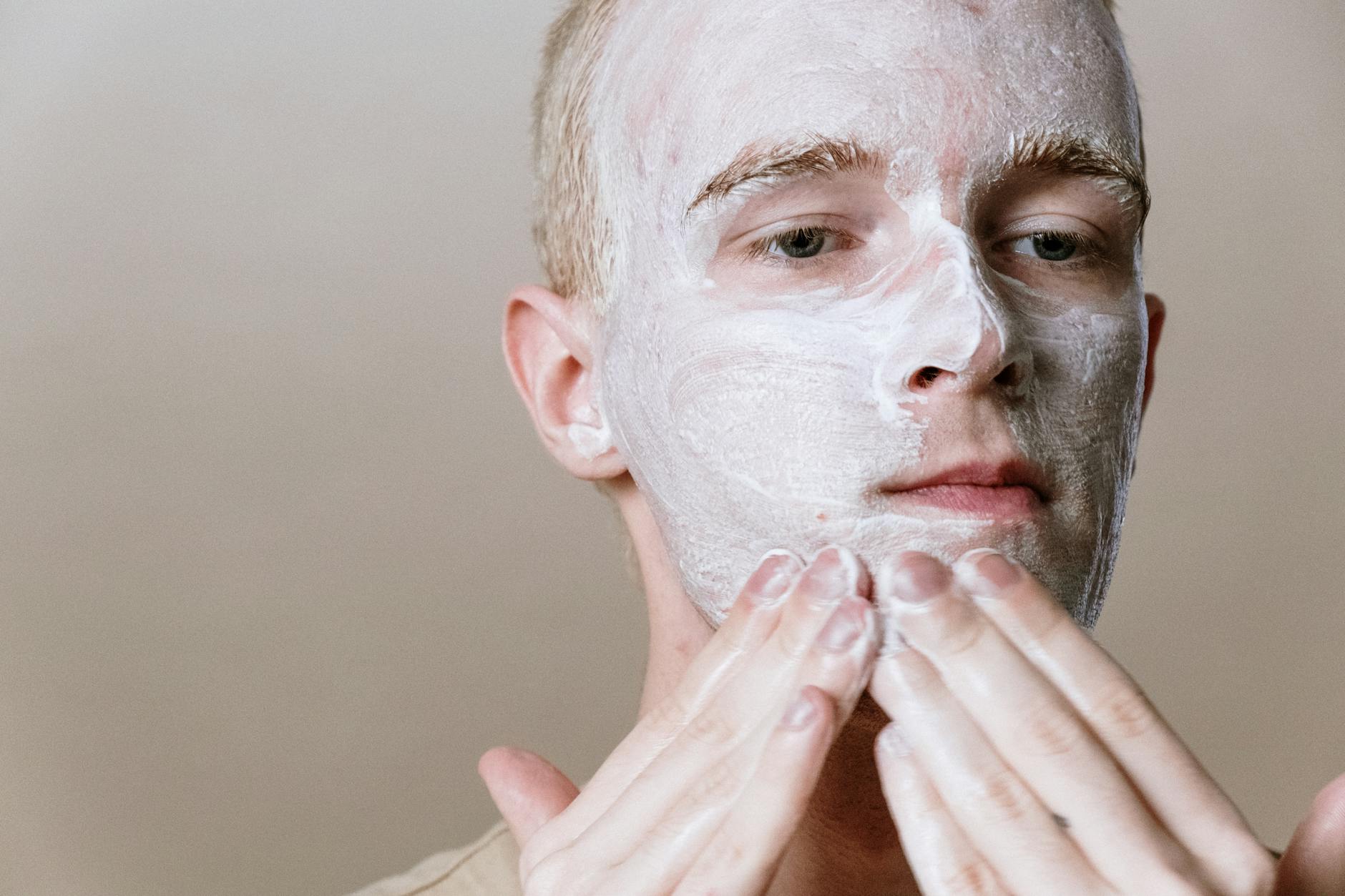
- **Apply mask in a thin, even layer** using upward strokes, concentrating on areas with visible congestion such as the nose, chin, and forehead while avoiding the delicate eye area and lips. Thicker application does not increase effectiveness and wastes product while extending necessary drying time.
- **Allow mask to remain on skin for the recommended duration**, typically 10-15 minutes for clay masks and 5-10 minutes for acid-based treatments. Set a timer to prevent over-application and monitor the mask’s appearance for signs it’s ready for removal.
- **Remove the mask thoroughly using lukewarm water and gentle circular motions**, ensuring no residue remains in creases around the nose or hairline. A soft, damp washcloth helps remove stubborn clay particles without aggressive rubbing.
- **Follow immediately with a hydrating toner and moisturizer** to restore the skin’s lipid barrier and prevent the reactive sebum surge that occurs when skin becomes overly dry. Alcohol-free toners containing hyaluronic acid or glycerin help replace lost moisture without clogging freshly cleaned pores.
Expert Tips
- **Apply masks after showering** when bathroom humidity prevents premature drying and pores have already been opened by steam exposure, maximizing the treatment’s effectiveness without requiring additional preparation steps.
- **Store clay masks in airtight containers** away from humidity to prevent premature activation and maintain the product’s absorptive capacity; moisture exposure before application reduces effectiveness significantly.
- **Rotate between different mask types** based on skin’s current condition rather than using the same product indefinitely; a clay mask one week followed by a gentle enzyme mask the next prevents adaptation and addresses multiple aspects of pore congestion.
- **Apply a thin layer of facial oil to dry areas** like cheeks before using clay masks if you have combination skin; this protects against over-drying while allowing the mask to work fully on oilier zones.
- **Avoid using deep-cleaning masks within 48 hours of other intensive treatments** like retinoids, professional peels, or microdermabrasion to prevent cumulative irritation and barrier damage that could worsen acne outcomes.
Conclusion
Achieving genuinely clean pores requires understanding both the science behind pore congestion and the mechanisms through which different mask formulations address this issue. The best face masks for deep cleaning acne pores combine appropriate active ingredients with proper formulation to remove sebum, dead skin cells, and bacterial debris without compromising the skin’s protective barrier. Whether choosing a traditional clay mask for its absorptive properties, a salicylic acid treatment for chemical exfoliation, or a combination formula that addresses multiple factors, the key lies in matching the product to individual skin needs and using it consistently at appropriate intervals.
Building an effective masking routine takes patience and willingness to adjust based on how skin responds over time. Starting with gentler formulations and gradually increasing treatment frequency or intensity allows for adaptation without triggering reactive breakouts or barrier damage. Pore cleanliness serves as one component of comprehensive acne management that also includes daily cleansing, appropriate moisturization, and potentially targeted treatments like retinoids or prescription medications for more severe cases. With the right approach, regular deep-cleaning masks become a valuable tool for maintaining clearer skin and preventing the progressive pore congestion that leads to persistent acne.
Frequently Asked Questions
How long does it typically take to see results?
Results vary depending on individual circumstances, but most people begin to see meaningful progress within 4-8 weeks of consistent effort. Patience and persistence are key factors in achieving lasting outcomes.
Is this approach suitable for beginners?
Yes, this approach works well for beginners when implemented gradually. Starting with the fundamentals and building up over time leads to better long-term results than trying to do everything at once.
What are the most common mistakes to avoid?
The most common mistakes include rushing the process, skipping foundational steps, and failing to track progress. Taking a methodical approach and learning from both successes and setbacks leads to better outcomes.
How can I measure my progress effectively?
Set specific, measurable goals at the outset and track relevant metrics regularly. Keep a journal or log to document your journey, and periodically review your progress against your initial objectives.
When should I seek professional help?
Consider consulting a professional if you encounter persistent challenges, need specialized expertise, or want to accelerate your progress. Professional guidance can provide valuable insights and help you avoid costly mistakes.
What resources do you recommend for further learning?
Look for reputable sources in the field, including industry publications, expert blogs, and educational courses. Joining communities of practitioners can also provide valuable peer support and knowledge sharing.