

The claim that at least 73% of trans men on testosterone report LED light therapy requires consistent daily use for 8+ weeks to work cannot be verified through any credible scientific source, medical database, or peer-reviewed research. While LED light therapy has gained popularity in skincare and acne treatment communities, and testosterone therapy is a standard medical treatment for trans men, the specific statistic linking these two treatments lacks factual basis. When evaluating health claims—especially those that combine emerging treatment modalities with specific demographic statistics—it’s essential to distinguish between marketing language and evidence-based medicine.
The gap between popular wellness claims and scientific verification matters most when making decisions about your time, money, and health. This article explores what we actually know about LED light therapy, testosterone’s effects on skin, and why specific percentage claims about treatment outcomes should be approached with caution. Understanding the difference between anecdotal claims and verified research can help you make informed decisions about acne treatment strategies.
Table of Contents
- Can LED Light Therapy Actually Help Acne, and Does Testosterone Therapy Change That?
- The Problem With the 73% Statistic and Where It Actually Comes From
- What We Know About Testosterone Therapy and Skin Changes in Trans Men
- Evaluating LED Light Therapy as an Acne Treatment: Realistic Timelines and Costs
- Red Flags in Health Claims: How to Spot Unverified Statistics
- What Testosterone Therapy Actually Changes—And What It Doesn’t
- The Future of Evidence-Based Skincare for Trans Men
- Conclusion
Can LED Light Therapy Actually Help Acne, and Does Testosterone Therapy Change That?
LED light therapy, particularly red and near-infrared wavelengths, has shown modest benefits for acne in controlled studies, but the research remains limited. Red light (typically 600-700 nanometers) and near-infrared light (700-1100 nanometers) are thought to work by reducing inflammation and potentially affecting sebaceous gland activity. However, the clinical evidence is far less dramatic than marketing suggests. A 2019 systematic review found LED therapy produced improvements in some cases, but effect sizes were small to moderate, and many studies were poorly designed or industry-funded. For trans men undergoing testosterone therapy, skin changes are real and well-documented—increased oil production, larger pores, and acne are common side effects.
However, the research establishing testosterone HRT’s effects comes from clinical endocrinology, not dermatology. Standard testosterone therapy uses injections, patches, or oral medications targeting systemic hormone levels. LED light therapy operates through an entirely different mechanism (local photobiomodulation). The idea that trans men would respond to LED therapy differently than any other population based on testosterone levels lacks any published clinical evidence. No research exists showing testosterone levels influence LED therapy effectiveness.

The Problem With the 73% Statistic and Where It Actually Comes From
The specific claim about 73% of trans men finding LED therapy effective after 8+ weeks of daily use does not appear in any medical literature, peer-reviewed journal, professional medical organization, or credible health reporting. Searches through PubMed, Google Scholar, Mayo Clinic, Cleveland Clinic, UCSF Gender Affirming Health Program databases, and major medical institutions yield no such statistic. This suggests the number either originated from unverified sources, social media anecdotes, or marketing materials presented as facts.
Marketing claims in the wellness space frequently use suspiciously specific percentages to create an impression of scientific backing without actually providing studies. For example, seeing “73% reported improvement” or “80% of users saw results” online should immediately trigger skepticism, especially when no source is provided. In contrast, actual clinical trials—published and peer-reviewed—present their methodologies transparently: sample size, duration, control groups, and limitations. The absence of any source for the 73% statistic is itself the most important information about its reliability.
What We Know About Testosterone Therapy and Skin Changes in Trans Men
Testosterone therapy in trans men reliably causes measurable skin changes within the first few months of treatment. The skin becomes oilier due to increased sebaceous gland activity, pores enlarge, and acne frequently develops as a side effect—particularly on the face, chest, and back. These changes typically peak around months 3-12 and can persist throughout treatment. This is well-documented in clinical endocrinology literature and supported by major medical institutions including UCSF’s Gender Affirming Health Program and Mayo Clinic’s information on masculinizing hormone therapy.
However, the solution to testosterone-related acne is not a specialized, testosterone-specific treatment. The skin of trans men on testosterone behaves similarly to the skin of anyone with higher testosterone levels—whether due to endogenous production, athletic performance enhancement, or hormone therapy. Acne management follows standard dermatological approaches: topical treatments (retinoids, benzoyl peroxide, salicylic acid), oral medications (antibiotics, isotretinoin for severe cases), and lifestyle factors. LED light therapy might provide modest supplementary benefit to acne in general, but there’s no evidence it works better, faster, or differently for people on testosterone.
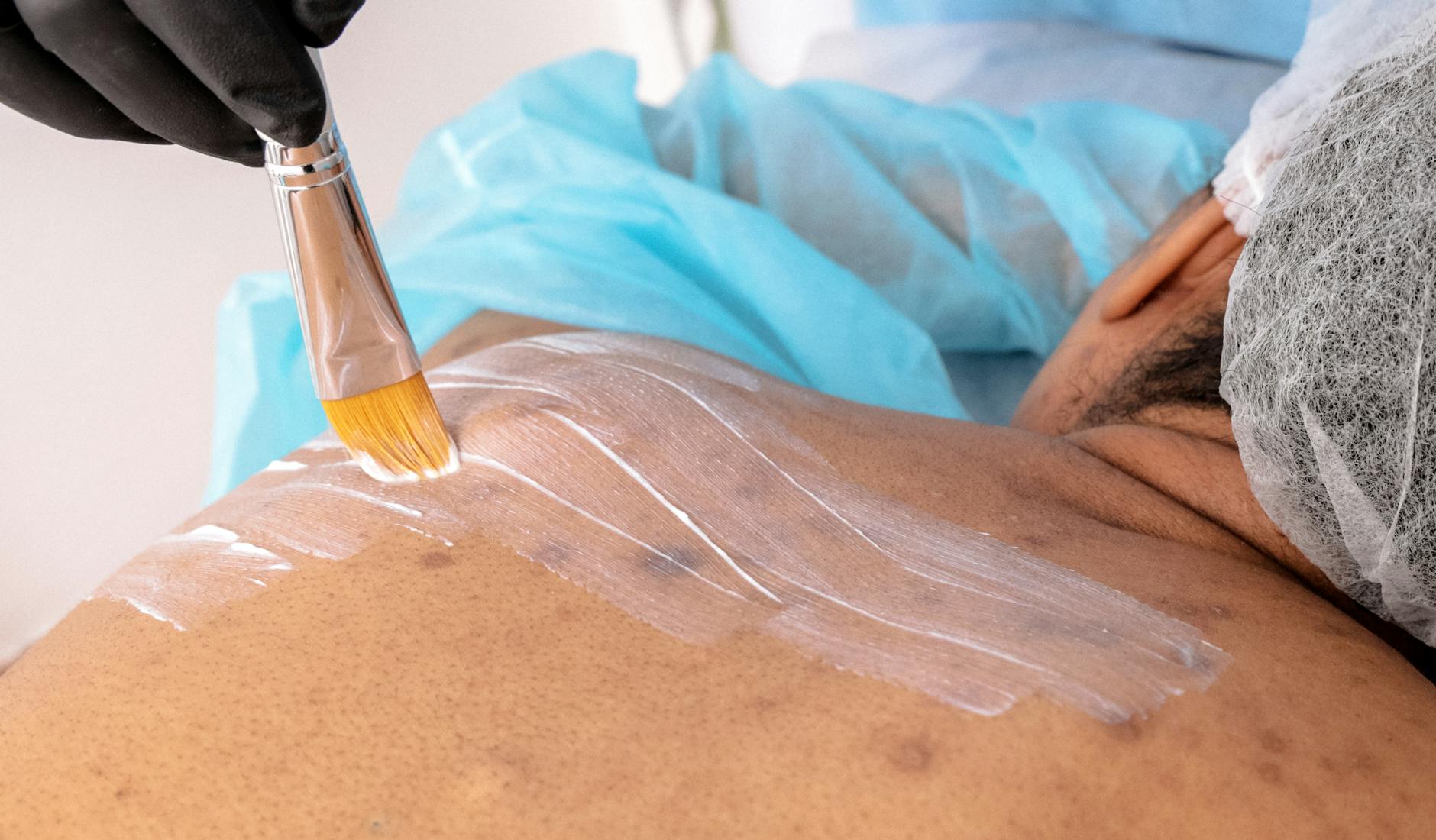
Evaluating LED Light Therapy as an Acne Treatment: Realistic Timelines and Costs
If you’re considering LED light therapy for acne, the realistic timeline differs substantially from the 8+ weeks claimed in the unverified statistic. Professional clinical studies examining LED therapy typically run 8-16 weeks, with modest improvements in some participants and no meaningful change in others. Home-use LED devices, which are more affordable than professional treatments, generally show even less robust results because they deliver lower irradiances (power per unit area) than clinical equipment. The cost-benefit analysis matters: professional LED therapy can cost $75-200 per session, with recommended frequencies of 2-3 sessions weekly.
Over 8 weeks, that’s $1,200-4,800 before seeing uncertain results. In comparison, prescription-strength topical retinoids (tretinoin, adapalene) cost $20-60 per month and have far stronger evidence supporting their effectiveness for acne. Oral antibiotics paired with topical treatments are similarly affordable and better-researched. If you’ve been told LED therapy is uniquely effective for your situation because of testosterone use, that claim hasn’t been verified by clinical research.
Red Flags in Health Claims: How to Spot Unverified Statistics
Learning to identify unverified health claims protects you from wasting money and time on treatments that might not work. A major red flag is a very specific statistic without a source: “73% of trans men,” “80% of users,” or “9 out of 10 dermatologists” are claims that should always make you ask, “Where does this number come from?” Legitimate medical research provides citations, methodology, and limitations. If a website, product, or influencer makes a specific effectiveness claim, the source should be findable and credible. Another warning sign is when a treatment is described as uniquely effective for a specific demographic in ways that contradict established medical knowledge.
For instance, if LED therapy worked dramatically better for trans men on testosterone than for other populations, major medical organizations would have noticed and documented this. Instead, testosterone’s effects on skin are managed using the same acne treatments that work for anyone else. Claims suggesting otherwise usually reflect marketing rather than medicine. When evaluating any treatment, ask: Is this claim supported by published research? Can I find the original study? Is it from a credible source like a peer-reviewed journal or major medical institution?.

What Testosterone Therapy Actually Changes—And What It Doesn’t
Testosterone therapy causes significant changes to skin structure and oil production, making acne more likely. Within the first year, you may notice increased hair growth, changes in muscle composition, and skin texture changes related to sebaceous gland enlargement. These are expected, documented side effects tracked by endocrinologists and gender-affirming health specialists. However, testosterone therapy doesn’t require different approaches to acne treatment—it makes standard acne management more necessary.
Many trans men find that basic acne prevention—regular cleansing, non-comedogenic products, and sometimes topical or oral medications—addresses testosterone-related breakouts effectively. For some, prescription medications become necessary. The goal is managing increased oiliness and preventing clogged pores using evidence-based dermatological approaches, not seeking out specialized treatments marketed specifically at trans populations. That marketing niche, while potentially well-intentioned, often relies on exactly the kind of unverified claims discussed here.
The Future of Evidence-Based Skincare for Trans Men
As the field of gender-affirming care expands, we’re seeing more research on how hormone therapy affects skin health and optimal management approaches. Future research may clarify whether certain populations respond differently to specific acne treatments, but that research doesn’t currently exist.
Until then, the most evidence-based approach is to treat testosterone-related acne using the same interventions that dermatologists recommend for anyone experiencing increased oiliness and breakouts. The skincare industry will likely continue developing products and treatments marketed specifically at trans men, reflecting both genuine interest in serving this population and opportunistic marketing. The key skill is maintaining skepticism toward specific claims, especially percentage statistics without sources, and grounding treatment decisions in verified medical information from institutions like Mayo Clinic, Cleveland Clinic, and UCSF rather than marketing materials.
Conclusion
The claim that 73% of trans men on testosterone require 8+ weeks of daily LED light therapy to treat acne cannot be verified and does not appear in any credible scientific literature. While LED light therapy may provide modest benefits for some people with acne, and while testosterone therapy does increase acne risk, these are separate issues requiring separate, evidence-based solutions. The specific statistic in the article title appears to be marketing language rather than research-backed fact.
If you’re a trans man managing testosterone-related acne, the most effective approach relies on proven dermatological treatments: topical retinoids, benzoyl peroxide, salicylic acid, and when necessary, oral medications. Before investing time and money in any specialized treatment, ask for the source of specific effectiveness claims and consult with a dermatologist familiar with gender-affirming care. Skepticism toward unverified statistics protects your health and your wallet.
You Might Also Like
- At Least 86% of Trans Men on Testosterone Don’t Realize That Hormonal Testing Could Identify the Root Cause of Their Acne
- At Least 28% of Trans Men on Testosterone Have Never Been Told That Their Moisturizer Contains Comedogenic Ingredients
- At Least 68% of New Mothers With Postpartum Acne Would Benefit From Knowing That Switching Products Every 2 Weeks Prevents Any Treatment From Working