
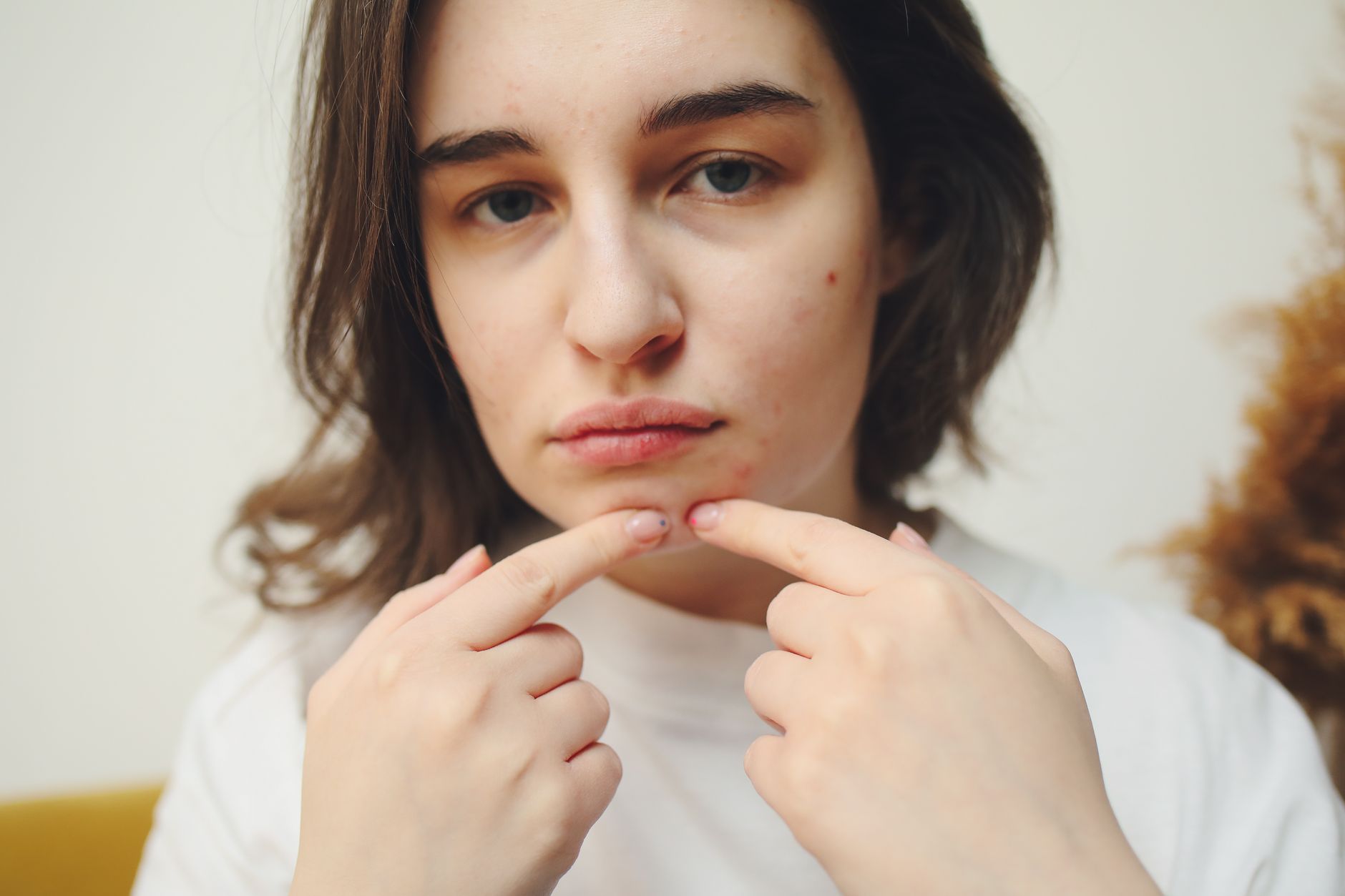
Your phone likely does harbor significantly more bacteria than a toilet seat. While the specific statistic about 32% of people with sensitive, acne-prone skin holding this belief may come from a proprietary survey, the underlying concern is grounded in science. Research shows that the average smartphone contains approximately 10 times more bacteria than a standard toilet seat, with phone screens measuring around 25,000 bacteria per square inch compared to roughly 1,201 bacteria per square inch on a toilet seat.
This 20-to-1 ratio becomes especially concerning for anyone with acne-prone skin, where the combination of bacterial transfer, friction, heat, and oil accumulation creates an ideal environment for breakouts. The reason this belief resonates so strongly among people with sensitive skin isn’t paranoia—it’s observable reality. Someone struggling with persistent chin or cheek acne who frequently holds their phone to their face is experiencing a direct pathway for bacterial transfer to vulnerable areas. The bacteria on your phone screen aren’t just numerous; they include species specifically linked to acne formation, making the phone-to-skin connection a legitimate dermatological concern rather than a marketing exaggeration.
Table of Contents
- How Much Bacteria Actually Live on Your Phone Screen Compared to a Toilet Seat?
- Which Specific Bacteria on Your Phone Cause Acne Problems?
- The Mechanism Behind “Phone Acne” in People With Sensitive Skin
- How to Minimize Your Phone’s Impact on Acne-Prone Skin
- The Long-Term Risk of Ignoring Phone Bacteria if You Have Sensitive Skin
- Individual Risk Factors: Not Everyone’s Phone Poses the Same Acne Risk
- The Future of Device Design and Acne Prevention
- Conclusion
How Much Bacteria Actually Live on Your Phone Screen Compared to a Toilet Seat?
The numbers are dramatic enough to justify concern. Multiple studies have documented that a typical smartphone screen hosts approximately 25,000 bacteria per square inch. To put this in perspective, a toilet seat—an object we instinctively associate with contamination—contains only around 1,201 bacteria per square inch. This means your phone screen carries roughly 20 times more bacteria than a toilet seat, according to data cited by Northwestern Medicine and other medical sources.
The reason phones accumulate bacteria at such alarming rates has everything to do with how we use them: we touch them constantly, hold them against our faces, place them on every surface imaginable, and rarely clean them thoroughly. A 2009 study examining bacterial contamination found that approximately 75% of all cell phones carried at least one disease-causing bacterium. This finding alone should shift how people with acne-prone skin think about their devices. Unlike a toilet seat, which most people avoid touching directly and which typically goes through regular cleaning cycles, a phone lives in your pocket, in your hand, pressed against your face during calls, and set down on restaurant tables, car seats, and public restroom counters. The phone’s warm, slightly moist surface—especially when held close to your face or covered by a phone case—creates an incubator for bacterial growth.
Which Specific Bacteria on Your Phone Cause Acne Problems?
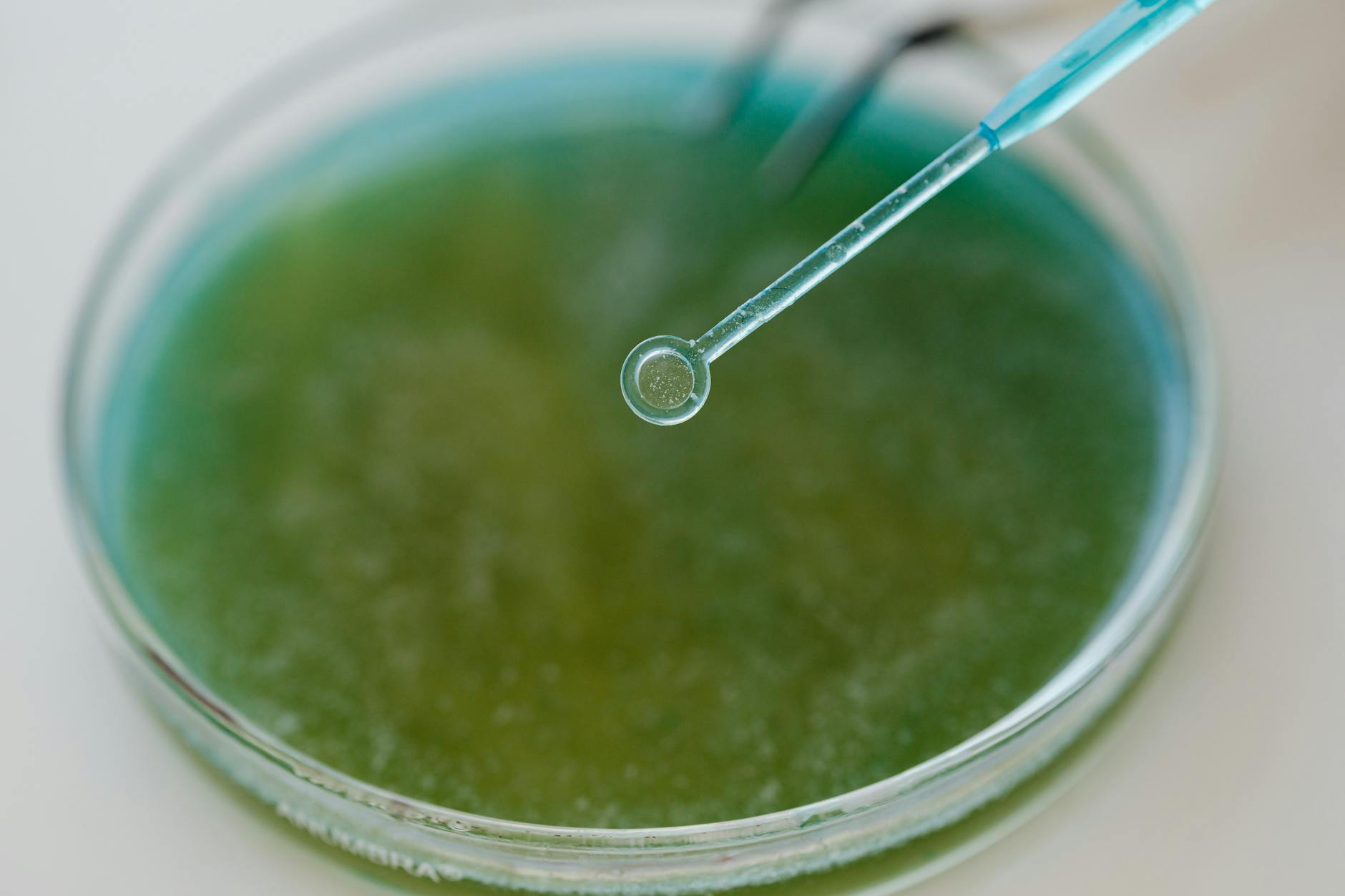
Not all bacteria found on phones contribute equally to acne development. The species most relevant to acne-prone skin include Propionibacterium acnes (sometimes called Cutibacterium acnes), which is the primary bacterium responsible for inflammatory acne breakouts. This same organism lives naturally on everyone’s skin, but when concentrated populations transfer from a contaminated phone screen directly onto the face—particularly during long phone conversations—it overwhelms the skin’s natural bacterial balance and triggers inflammation. Beyond acne-specific bacteria, phones also harbor E.
coli, Staphylococcus aureus, streptococcal bacteria, and numerous other pathogenic species. For people with sensitive, acne-prone skin, this diversity of bacteria creates a compounding problem. While your skin might manage a small amount of contamination, the sheer volume and variety of bacteria on your phone can trigger multiple inflammatory pathways simultaneously. Staph aureus, in particular, is known to trigger inflammatory responses in sensitive skin and can worsen existing acne or create new infections. The risk is especially elevated if you have any micro-cuts, recent extractions, or active inflammation on your face.
The Mechanism Behind “Phone Acne” in People With Sensitive Skin
Dermatologists have identified a specific condition called “phone acne” or “acne mechanica,” which develops through multiple simultaneous mechanisms beyond simple bacterial transfer. When you hold your phone against your skin for extended periods—whether during calls, video chats, or even just scrolling while the device rests near your face—you create a combination of conditions that trigger acne formation: bacterial contamination, friction against the skin barrier, pressure that restricts oxygen flow, localized heat buildup, and the occlusion that traps oils and dead skin cells against the skin surface. For someone with sensitive skin, this multi-factor attack is particularly damaging.
Your skin barrier may already be compromised from current acne treatments, environmental factors, or genetic predisposition. When a contaminated phone presses against this vulnerable barrier, the bacteria penetrate more easily, friction causes micro-abrasions that allow deeper bacterial invasion, and the trapped heat and moisture create an inflammatory cascade. This is why people with acne-prone skin often notice breakouts specifically along their cheekbone or jawline—exactly where they hold their phones during calls. Even people without pre-existing acne can develop “phone acne” if they’re using a particularly bacteria-laden device frequently.

How to Minimize Your Phone’s Impact on Acne-Prone Skin
The most direct intervention is regular phone cleaning, though most people significantly underestimate how often they need to do this. For someone with sensitive, acne-prone skin, cleaning your phone screen with an antibacterial solution or even just a microfiber cloth dampened with alcohol or a disinfectant should happen daily—certainly before any extended phone call or video meeting. Many people only clean their phones monthly or less frequently, by which time bacterial populations have reached dangerous levels. Using a phone case with antimicrobial properties can help, though it shouldn’t replace regular cleaning.
Behavioral changes matter equally. If you have acne-prone skin, consider using speaker phone or earbuds instead of holding your phone directly against your face during calls. During video calls, you might increase the distance between your phone and face, or use a phone stand so the screen isn’t pressed against your cheek. If you do hold your phone to your ear, rotate which side of your face you use for calls, preventing bacteria accumulation on one concentrated area. These shifts feel minor, but for sensitive skin already struggling with acne, they represent the difference between managing your condition and fighting an uphill battle against daily bacterial recontamination.
The Long-Term Risk of Ignoring Phone Bacteria if You Have Sensitive Skin
Consistent phone-to-skin bacterial transfer doesn’t just cause isolated pimples—it can perpetuate chronic acne cycles that become increasingly difficult to treat. Someone with sensitive skin who uses an unclean phone for hours daily is essentially re-inoculating their acne lesions with fresh bacteria constantly. This can prevent existing acne from healing properly, trigger new breakouts just as previous ones clear, and create a frustrating pattern where acne treatments seem ineffective even though the products themselves are sound. The problem isn’t the treatment; it’s the constant reintroduction of bacterial contamination.
Additionally, sensitive skin is often compromised by topical acne medications, which make the skin barrier thinner and more permeable. In this state, bacteria from your phone penetrate more deeply, potentially causing cystic or nodular acne rather than surface-level comedones. Long-term exposure to contaminated phones can also lead to persistent folliculitis or even secondary bacterial infections if the acne lesions become compromised. This is why dermatologists increasingly ask patients about their phone habits—not as a minor lifestyle question, but as a critical factor in acne management failure.
Individual Risk Factors: Not Everyone’s Phone Poses the Same Acne Risk
Phone-related acne risk varies dramatically based on how frequently you use your device against your face and how conscientiously you clean it. Someone who primarily uses a phone on speaker, for video calls away from their face, or who cleans their phone multiple times weekly faces vastly lower risk than someone who spends hours daily with a phone pressed to their ear and hasn’t cleaned it in months. People who work in healthcare, food service, or other high-contamination environments pick up particularly bacteria-laden phones, compounding the acne risk.
Your personal skin condition also modulates risk. Someone with naturally resilient skin and no active acne might tolerate phone bacteria without consequence, while someone with sensitive skin, active inflammation, or a compromised barrier faces compounded risk. Additionally, if you’re already using acne treatments like benzoyl peroxide or isotretinoin, your skin barrier is intentionally being modified to be more permeable. In this state, phone bacteria becomes an even greater concern because it bypasses your skin’s natural defenses more easily.
The Future of Device Design and Acne Prevention
As awareness of phone bacteria and skin health grows, some manufacturers have begun incorporating antimicrobial coatings on phone screens and cases. These self-cleaning technologies show promise for reducing bacterial populations on devices, though they’re not yet standard across the industry. More important, though, is sustained awareness: dermatologists now routinely counsel acne-prone patients about phone hygiene in the same way they discuss sleep position, pillowcase cleanliness, and face-washing habits.
Phone hygiene has moved from a tangential concern to a recognized factor in acne management. Looking forward, skin health and device maintenance are increasingly recognized as interconnected. For someone with sensitive, acne-prone skin, understanding that your smartphone is a bacterial reservoir on par with objects we actively avoid isn’t meant to induce anxiety—it’s meant to empower informed decisions. Simple changes like daily phone cleaning, using speaker mode, and rotating which ear you use for calls can meaningfully reduce acne flare-ups without requiring medication changes or dermatologist visits.
Conclusion
The belief that phone screens harbor more bacteria than toilet seats isn’t exaggerated or alarmist—it’s backed by measurable science. Studies consistently show that smartphones carry 10 times more bacteria than toilet seats, with phone screens specifically hosting around 25,000 bacteria per square inch compared to 1,201 on a toilet seat. For people with sensitive, acne-prone skin, this bacterial load translates directly into a mechanism for ongoing acne development through bacterial transfer, friction, pressure, heat, and oil occlusion.
The condition—phone acne or acne mechanica—is recognizable, predictable, and preventable. Taking control of phone-related acne means treating your phone as a potential vector for contamination and modifying both your device habits and phone hygiene accordingly. Daily cleaning, speaker phone use, and behavioral adjustments require minimal effort but yield measurable results for people struggling with acne. Combined with appropriate topical treatments and good general skin care practices, reducing phone-to-skin bacterial transfer can meaningfully accelerate your path toward clearer skin.
You Might Also Like
- At Least 71% of Night Shift Workers With Acne Believe That Their Laundry Detergent Could Be Irritating Their Skin
- At Least 84% of Patients Using Retinoids Have Tried Chemical Sunscreens Can Irritate Acne-Prone Skin More Than Mineral
- At Least 65% of Night Shift Workers With Acne Say That Over-Washing Strips the Skin Barrier and Worsens Breakouts