

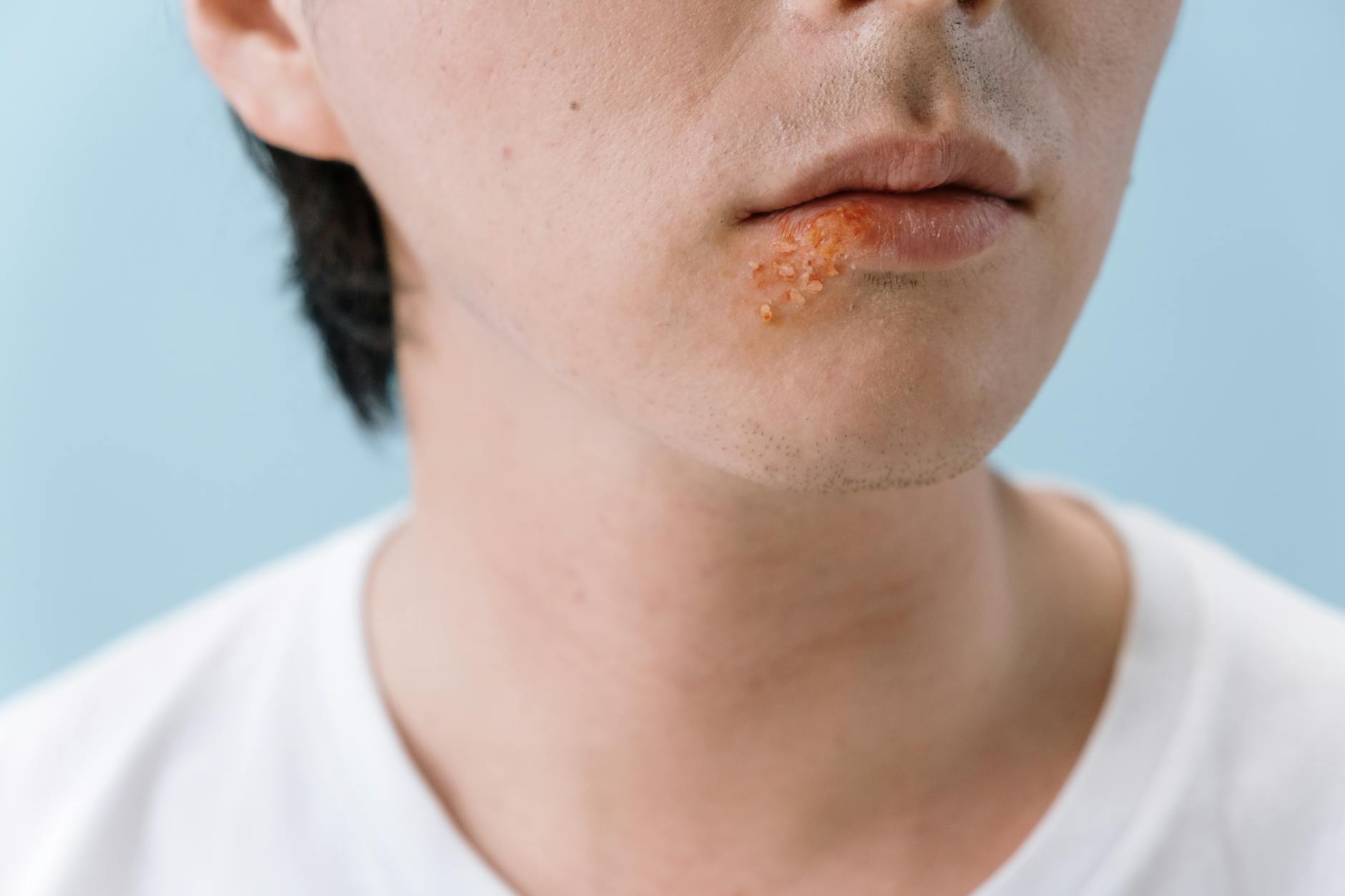
When you ignore early signs of skin irritation—redness, itching, slight burning, or tightness—your skin barrier weakens, making the irritation exponentially worse over time. What starts as mild discomfort can escalate into painful inflammation, persistent redness, compromised skin function, and long-term sensitivity that takes months to reverse. For example, ignoring the subtle sting when applying a new active ingredient or the slight flaking that appears within days can lead to a full barrier breakdown where even gentle cleansers feel like they’re burning your skin.
Early warning signs exist for a reason: they’re your skin’s way of signaling that something is causing stress. The longer you wait to address them, the deeper the damage extends—moving from surface irritation into the dermal layer where collagen and elastin are affected. This article covers what happens physiologically when irritation progresses, why your skin becomes increasingly reactive, how the damage compounds over weeks and months, when you should take action, and how to rebuild a compromised barrier once the damage is done.
Table of Contents
- How Does Skin Irritation Escalate When Left Untreated?
- Why Does Your Skin Become Progressively More Sensitive?
- What Damage Occurs Below the Surface?
- When Should You Stop and Reassess Your Routine?
- What Are the Long-Term Consequences of Chronic Irritation?
- How Irritation Affects Acne-Prone Skin Differently
- Recovery Timelines and What to Expect
- Conclusion
How Does Skin Irritation Escalate When Left Untreated?
Ignoring early irritation allows your skin barrier—the outermost layer of dead skin cells and lipids that protects everything beneath—to deteriorate progressively. Day one: your skin feels slightly tight or irritated, but you assume it will pass. By day three or four, the irritation intensifies because those compromised cells are shedding faster, your skin is losing moisture, and inflammatory mediators are being released in response to continued exposure to the irritant. The barrier function breaks down further, allowing irritants to penetrate deeper and trigger a stronger immune response.
Consider a common scenario: you start using a retinol product without proper introduction, feel mild irritation, but continue using it nightly because you’ve read it takes time to “get used to” it. By week two, your skin is red, peeling badly, and painfully sensitive—even water stings. The irritation that could have been controlled with a one or two-week break has now created a barrier so damaged that healing takes six to eight weeks instead of five to seven days. Your skin’s natural repair mechanisms become overwhelmed when the damage outpaces recovery.
Why Does Your Skin Become Progressively More Sensitive?
As your barrier weakens, your skin loses its ability to regulate hydration and block irritants. This creates a feedback loop: the damaged barrier allows more irritants in, which causes more inflammation, which further compromises barrier function, which allows even mild substances to trigger reactions. A cleanser that never bothered you before now stings. Moisturizers feel uncomfortable. Even sunscreen seems to irritate your skin—not because the products changed, but because your skin’s tolerance threshold has collapsed.
The inflammatory cascade worsens the situation. Once your skin perceives a threat from continued irritation, it releases cytokines and other inflammatory compounds as a protective response. However, when irritation continues unchecked, this inflammatory response becomes chronic rather than acute. Your skin stays in a heightened state of alert, producing excess sebum in some areas and becoming extremely dry in others, creating an unpredictable and frustrating texture. However, if you address irritation within the first few days, this inflammatory response typically resolves quickly because the barrier hasn’t been deeply compromised yet—the damage remains superficial rather than extending into the epidermis.
What Damage Occurs Below the Surface?
When irritation persists for weeks, the damage extends beyond the stratum corneum (the outermost layer) into the epidermis and sometimes into the dermis itself. This isn’t just about aesthetics—repeated irritation can damage fibroblasts, the cells responsible for producing collagen and elastin. Over extended periods, this contributes to premature aging, loss of firmness, and weakened skin structure that doesn’t bounce back the way it should.
A specific example illustrates this: someone continuously uses an over-the-counter acid treatment on irritated skin for three months without addressing the underlying sensitivity. While they’re treating acne, they’re simultaneously damaging the collagen matrix beneath the surface. Once they finally stop, they’ve not only got barrier damage to repair but also reduced collagen production to recover from—a problem that takes months of consistent barrier repair and sometimes requires professional treatments to address fully.

When Should You Stop and Reassess Your Routine?
The critical window for intervention is within the first three to five days of noticing irritation. If your skin feels uncomfortable, looks red, or exhibits new sensitivity, stop using the potentially problematic product immediately. This isn’t quitting—it’s damage control. Continuing for another week “to see if it improves” often means you’ll spend the next month recovering instead of three days.
Create a simple baseline: if a product causes irritation on day one and it’s not improving by day three, remove it. Compare this to the alternative approach of “pushing through” irritation, which compounds the problem. A product causing immediate stinging might genuinely require an adjustment period (like prescription retinoids), but that adjustment period should involve using it less frequently (1-2 times weekly initially), not continuing at full strength through increasingly intense irritation. The difference between “manageable adjustment” and “barrier damage” is whether your skin is becoming more comfortable or progressively more reactive.
What Are the Long-Term Consequences of Chronic Irritation?
Repeatedly ignoring irritation and allowing your skin barrier to break down multiple times creates a pattern of sensitized skin that becomes the new normal. Each time your barrier recovers, it’s slightly weaker than before. Over a year of multiple instances of ignored irritation, your skin’s resilience degrades significantly. You may develop persistent rosacea-like symptoms, increased susceptibility to acne from compromised barrier function, heightened reactivity to environmental triggers, and a cycle of irritation that becomes harder to break.
A major warning: some people develop something resembling topical steroid addiction or dermatitis from repeatedly damaging their barrier and using stronger products to compensate. They ignore mild irritation, use stronger treatments, damage their barrier more, and then rely increasingly on soothing or anti-inflammatory products just to feel comfortable. This creates dependency where even normal products feel irritating. Avoiding this trap requires addressing irritation immediately rather than letting it compound.
How Irritation Affects Acne-Prone Skin Differently
For people with acne, ignoring irritation is particularly problematic because an irritated, compromised barrier actually worsens acne. A damaged barrier can’t regulate sebum production properly, leading to both excess oil and dehydration—the worst combination for acne-prone skin. Additionally, when you’re irritating your skin with treatments, you’re adding inflammatory stress on top of the inflammatory condition you’re trying to treat.
Someone using benzoyl peroxide or prescription retinoids for acne who ignores the irritation signs ends up with worse breakouts, not better ones. The irritation triggers more sebum production, the weakened barrier allows bacteria deeper access, and the inflamed skin is more prone to picking and scarring. Proper acne treatment requires managing irritation as part of the protocol, not ignoring it.
Recovery Timelines and What to Expect
Once you’ve ignored irritation to the point of barrier damage, recovery isn’t quick—it typically takes two to eight weeks depending on severity. The timeline matters because it sets expectations: if you’ve spent three months with ongoing irritation, you should expect two to four months of dedicated barrier repair before your skin returns to normal baseline function. This means simple routines, heavy moisturizers, barrier-supporting ingredients like ceramides and niacinamide, and strict sun protection.
Looking forward, understanding the cost of ignoring early signs changes how you approach skincare entirely. Rather than viewing irritation as something to push through, you begin seeing it as valuable feedback. A product that irritates your skin isn’t necessarily a bad product—it might just be the wrong one for your current barrier status or the wrong concentration for your skin type. By catching and addressing irritation early, you keep your skin resilient, maintain consistent results from your actual acne treatments, and avoid the months-long recovery periods that come from letting damage accumulate.
Conclusion
Ignoring early signs of skin irritation is one of the most common mistakes in skincare because the consequences aren’t immediately obvious. A slightly irritated day feels manageable, but that day often leads to week-long irritation, which leads to barrier damage, which leads to months of recovery. By the time you notice serious problems, you’ve already committed yourself to a lengthy healing process that could have been prevented with a few days of product cessation.
The practical takeaway is straightforward: when your skin signals irritation within the first few days of introducing something new or changing your routine, listen to it. Stop the irritating product, simplify your routine to basics, and give your skin three to five days to calm down. This simple action prevents the exponential escalation that turns minor irritation into barrier damage into chronic sensitivity. Your skin’s long-term health depends on treating these early warning signs as stop signs, not speed bumps.