
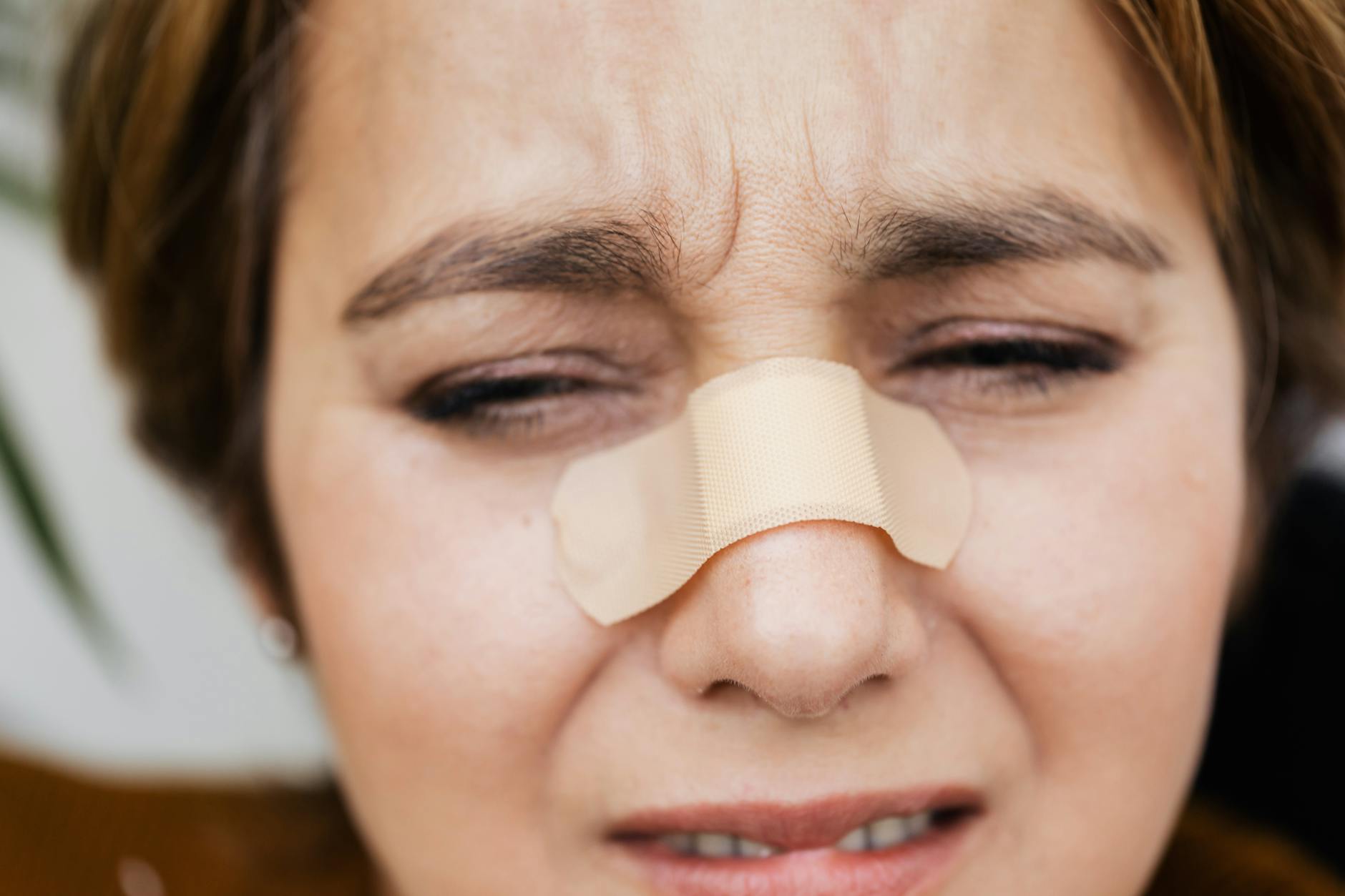
Ceramide deficiency worsens acne because it compromises the skin barrier, triggering a cascade of increased water loss, heightened inflammation, and overproduction of sebum that collectively create ideal conditions for breakouts. When the outermost layer of skin lacks sufficient ceramides — the lipid molecules that act as mortar between skin cells — it becomes permeable to irritants and bacteria, while simultaneously sending distress signals that ramp up oil production as a crude compensatory mechanism. A person with adequate ceramide levels might handle a minor bacterial exposure on the skin surface without issue, but someone with depleted ceramides can develop an inflamed cystic lesion from the same exposure because their barrier simply cannot mount a proper defense.
This connection between ceramide levels and acne severity has been documented in dermatological research for over a decade, yet it remains underappreciated in mainstream skincare advice, which still tends to focus almost exclusively on killing bacteria or stripping oil. The reality is that many acne sufferers — particularly those with persistent, treatment-resistant breakouts — are fighting the wrong battle entirely. This article covers what ceramides actually do in healthy skin, how their deficiency specifically fuels acne pathology, who is most at risk for ceramide depletion, and practical strategies for restoring ceramide levels without triggering additional breakouts.
Table of Contents
- How Does Ceramide Deficiency Directly Fuel Acne Breakouts?
- Who Is Most Vulnerable to Ceramide Depletion and Why It Matters for Acne Treatment
- The Relationship Between Ceramide Types and Specific Acne Patterns
- How to Restore Ceramides Without Clogging Pores or Worsening Breakouts
- Common Mistakes That Deplete Ceramides and Sabotage Acne Treatment
- Dietary and Internal Factors That Affect Ceramide Production
- Emerging Research and the Future of Ceramide-Based Acne Therapy
- Conclusion
- Frequently Asked Questions
How Does Ceramide Deficiency Directly Fuel Acne Breakouts?
Ceramides make up roughly 50 percent of the lipids in the stratum corneum, the outermost layer of the epidermis. Their primary job is forming a waterproof, protective barrier that keeps moisture in and pathogens out. When ceramide levels drop, transepidermal water loss increases dramatically — sometimes by 30 to 40 percent compared to healthy skin — and the barrier develops microscopic gaps. These gaps allow Cutibacterium acnes bacteria easier access to pores and follicles, where they trigger the inflammatory immune response that produces red, swollen lesions. Studies published in the Journal of Investigative Dermatology have found that acne patients consistently show lower ceramide-to-cholesterol ratios in their skin lipids compared to clear-skinned controls. The mechanism is more insidious than simple bacterial invasion, though. A compromised barrier also means that the skin’s own immune cells overreact to normal stimuli.
Toll-like receptor 2, which sits on keratinocytes and recognizes bacterial components, becomes hypersensitive when barrier function is impaired. The result is that even the normal, baseline population of skin bacteria can provoke an inflammatory response that would be silenced in barrier-intact skin. Compare this to someone with robust ceramide levels: the same bacteria are present, but the immune system treats them as background noise rather than a threat. This distinction explains why two people with identical bacterial loads on their skin can have dramatically different acne outcomes. The sebum connection compounds the problem further. When the skin senses barrier compromise through increased water loss, it signals sebaceous glands to produce more oil in an attempt to seal the surface. This excess sebum mixes with dead skin cells in follicles, creating the plugs that become comedones. So ceramide deficiency does not just allow acne — it actively drives the overproduction of the very substance that clogs pores.
Who Is Most Vulnerable to Ceramide Depletion and Why It Matters for Acne Treatment
Several populations face higher risk of ceramide deficiency, and understanding this can change treatment outcomes. People using retinoids, benzoyl peroxide, salicylic acid, or prescription acne medications are among the most affected, because these treatments — while effective at targeting bacteria and cell turnover — simultaneously strip lipids from the stratum corneum. A patient starting tretinoin for the first time often experiences the so-called retinoid purge, which is partly genuine cell turnover but also partly barrier disruption from ceramide loss. Without replenishing those lipids, the skin enters a vicious cycle where the treatment causes the very barrier damage that perpetuates breakouts. Age and hormonal status also play a role. Ceramide production naturally declines after the mid-twenties, which is one reason adult-onset acne — particularly in women — can be so stubborn and resistant to the same treatments that worked in adolescence.
Hormonal fluctuations during menstrual cycles, pregnancy, and perimenopause further affect lipid synthesis in the skin. However, if someone’s acne is primarily driven by androgenic hormonal surges rather than barrier dysfunction, ceramide supplementation alone will not resolve their breakouts. This is an important distinction: ceramide restoration is most effective for barrier-compromised acne, not for all acne universally. A dermatologist can help determine which driver is dominant, often through evaluating the pattern and location of lesions. People living in dry climates or spending significant time in air-conditioned or heated environments also deplete ceramides faster. The low humidity accelerates transepidermal water loss, which in turn accelerates barrier lipid degradation. A person in Phoenix or Denver may need a fundamentally different approach to acne than someone in Miami, even if their acne looks identical on the surface.
The Relationship Between Ceramide Types and Specific Acne Patterns
Not all ceramides are equal in their relevance to acne. Human skin contains at least twelve distinct subclasses of ceramides, and research has identified that certain subclasses are disproportionately depleted in acne-prone skin. Ceramide 1, which contains a long-chain linoleic acid component, is particularly critical because it forms the backbone of the barrier’s lamellar structure. When ceramide 1 is deficient, the barrier develops wider gaps than when other subclasses are low. A 2014 study in Experimental Dermatology found that acne patients had significantly reduced ceramide 1 and ceramide 3 levels compared to matched controls, while other ceramide subclasses were relatively normal. This specificity matters when choosing skincare products. Many moisturizers marketed as “ceramide-containing” use synthetic ceramide analogs — often ceramide NP or ceramide AP — that do not correspond to the subclasses most depleted in acne.
CeraVe, one of the most widely available ceramide-containing lines, uses a blend of ceramides 1, 3, and 6-II, which more closely mirrors the natural skin profile and explains its dermatological reputation. By contrast, some boutique brands include a single ceramide type at low concentrations, which is unlikely to meaningfully restore barrier function. Reading the ingredient list for specific ceramide types — listed as ceramide NP, ceramide AP, ceramide EOP, or by their numerical classifications — gives a more honest picture of a product’s potential than marketing claims alone. The ratio of ceramides to other barrier lipids also matters. Healthy stratum corneum maintains roughly a 3:1:1 ratio of ceramides to cholesterol to free fatty acids. Applying ceramides without the complementary cholesterol and fatty acids can actually create an imbalanced lipid profile that impairs barrier repair rather than helping it. This is why combination formulas tend to outperform single-ingredient ceramide serums in clinical testing.

How to Restore Ceramides Without Clogging Pores or Worsening Breakouts
The central challenge for acne-prone individuals is that many ceramide-rich products also contain occlusive or emollient ingredients that can trigger breakouts. Heavy creams with petrolatum, mineral oil, or certain silicones may seal in moisture effectively but also trap sebum and bacteria against the skin. The tradeoff is real: a product that optimally restores the barrier might also create the comedogenic environment that feeds acne. Navigating this requires attention to vehicle formulation, not just active ingredients. Lightweight ceramide serums or gel-cream hybrids tend to work best for acne-prone skin. These deliver ceramides in a water-based or silicone-light vehicle that absorbs without leaving an occlusive film.
Products like Stratia Liquid Gold or Paula’s Choice Omega+ Complex Moisturizer use ceramide blends in lighter textures specifically designed for breakout-prone skin types. Compared to traditional ceramide creams, these formulations sacrifice some of the occlusive moisture retention but avoid the pore-clogging risk. For someone with oily, acne-prone skin, this tradeoff is almost always worth making. Timing of application also matters more than most people realize. Applying ceramide products immediately after cleansing — within about sixty seconds, while the skin is still slightly damp — significantly improves absorption and integration into the lipid barrier. Waiting until the skin is fully dry allows the aqueous phase to evaporate, reducing the product’s ability to penetrate and deposit ceramides where they are needed. Layering a ceramide product under a retinoid, rather than over it, can also buffer some of the barrier-stripping effect without meaningfully reducing the retinoid’s efficacy, a technique sometimes called “buffering” in dermatological practice.
Common Mistakes That Deplete Ceramides and Sabotage Acne Treatment
The most widespread ceramide-depleting mistake is overcleansing. Foaming cleansers with sodium lauryl sulfate or sodium laureth sulfate strip ceramides from the stratum corneum with every wash. Someone washing their face three times a day with a foaming cleanser — common among people who feel oily or “dirty” from breakouts — can deplete ceramide levels faster than any topical product can replenish them. Switching to a non-foaming, lipid-preserving cleanser is often the single highest-impact change an acne patient can make, yet it feels counterintuitive to people who associate that squeaky-clean feeling with effectiveness. Over-exfoliation represents a close second. The popularity of chemical exfoliants — glycolic acid, lactic acid, mandelic acid, and various enzyme treatments — has led many acne sufferers to exfoliate daily or even twice daily.
While periodic exfoliation can prevent the dead-cell accumulation that contributes to comedones, excessive exfoliation physically removes the lipid layers that contain ceramides. A reasonable limit for most acne-prone skin is chemical exfoliation two to three times per week, not daily. The warning sign that exfoliation has gone too far is skin that feels tight, looks shiny in a plasticky rather than dewy way, and stings when applying products that previously felt fine. At that point, ceramide levels are critically depleted and a period of barrier repair — sometimes two to four weeks of minimal products and ceramide-focused care — is necessary before resuming active treatments. Hot water is another overlooked culprit. Water above roughly 105 degrees Fahrenheit dissolves skin lipids more aggressively than lukewarm water. Combined with a stripping cleanser, a hot shower can undo days of ceramide replenishment in minutes.

Dietary and Internal Factors That Affect Ceramide Production
Ceramide synthesis in the skin depends on adequate supplies of essential fatty acids, particularly linoleic acid and sphingolipid precursors. Diets severely low in fat — a pattern still common among people who conflate dietary fat with oily skin — can impair the body’s ability to manufacture ceramides internally. A striking example comes from studies on essential fatty acid deficiency, which produces a skin presentation remarkably similar to severe acne: scaly, inflamed, and infection-prone.
While outright deficiency is rare in developed countries, suboptimal intake of omega-6 fatty acids from sources like sunflower oil, safflower oil, and evening primrose oil can contribute to marginal ceramide production. Oral supplements containing phytoceramides — ceramides derived from wheat, rice, or sweet potato — have shown modest promise in clinical trials for improving skin hydration and barrier function. A randomized controlled trial published in Clinical, Cosmetic and Investigational Dermatology found that participants taking a phytoceramide supplement for twelve weeks showed measurable improvements in transepidermal water loss compared to placebo. However, the direct evidence linking oral phytoceramides to acne improvement specifically is thin, and no one should treat supplements as a substitute for topical barrier repair.
Emerging Research and the Future of Ceramide-Based Acne Therapy
The next frontier in ceramide research for acne involves targeted delivery systems that deposit specific ceramide subclasses directly into the follicular unit rather than just the skin surface. Liposomal and nanoparticle formulations are being studied that could carry ceramides into the pore lining itself, addressing the barrier deficiency exactly where acne originates. Early in-vitro work suggests this approach could reduce inflammatory cytokine release within follicles by up to 60 percent compared to surface-applied ceramides alone.
There is also growing interest in the skin microbiome’s role in ceramide metabolism. Certain commensal bacteria — particularly some Staphylococcus epidermidis strains — produce enzymes that help process and maintain ceramide structures in the stratum corneum. Broad-spectrum antibacterial acne treatments may inadvertently kill these helpful organisms, further depleting ceramides. Future acne regimens may pair ceramide replenishment with targeted probiotics designed to support the bacterial populations that maintain barrier lipids, representing a genuinely different paradigm from the current kill-everything approach to acne bacteria.
Conclusion
Ceramide deficiency is not just a side effect of acne or its treatment — it is an active driver of breakouts through barrier compromise, immune hypersensitivity, and compensatory sebum overproduction. Addressing this deficiency requires a shift in mindset from exclusively attacking acne’s symptoms to simultaneously rebuilding the skin’s structural foundation. The practical steps are straightforward: use gentle, lipid-preserving cleansers, apply ceramide-containing products with the correct lipid ratios, moderate exfoliation frequency, and buffer active treatments to reduce barrier damage.
The most important next step for anyone with persistent, treatment-resistant acne is to honestly evaluate whether their current routine is barrier-destructive. If the skin feels tight after cleansing, stings when applying moisturizer, or looks simultaneously oily and flaky, ceramide depletion is almost certainly contributing to the problem. Scaling back aggressive treatments for even two weeks while focusing on barrier repair often produces the paradoxical result of clearer skin with less effort — not because the acne-fighting ingredients were unnecessary, but because they were fighting a war the damaged barrier kept reigniting.
Frequently Asked Questions
Can I use ceramide products if I have fungal acne (pityrosporum folliculitis)?
Yes, but you need to verify the product does not contain fatty acids or esters that feed Malassezia yeast. Pure ceramides are safe, but many ceramide products include polysorbates, fatty acids between C11 and C24, or esters that worsen fungal acne. Check formulations against a fungal-acne-safe ingredient database before purchasing.
How long does it take to restore ceramide levels in acne-prone skin?
Most research suggests measurable barrier improvement occurs within two to four weeks of consistent ceramide application, assuming you have also stopped the habits depleting them. Full restoration of the lipid barrier to healthy ratios can take six to eight weeks. You may notice reduced sensitivity and less oiliness before visible acne improvement.
Will ceramide products make my oily skin even oilier?
Typically the opposite. Because excess oil production is partly a compensation for barrier water loss, restoring the ceramide barrier often reduces sebum output over time. There may be a brief adjustment period of one to two weeks, but most people with oily skin report less oiliness, not more, after consistent ceramide use.
Should I stop my retinoid to fix ceramide deficiency?
Not necessarily. Buffering your retinoid by applying a ceramide product first, then applying the retinoid on top, can reduce barrier disruption while preserving the retinoid’s acne-fighting benefits. You might also consider reducing retinoid frequency to every other night during the barrier repair phase rather than stopping entirely.
Are expensive ceramide products better than drugstore options?
Not reliably. CeraVe’s moisturizing cream, available for under fifteen dollars, contains a ceramide blend and cholesterol ratio that matches what clinical research supports. Some luxury ceramide products contain fewer relevant ceramide subclasses at lower concentrations. Price correlates poorly with ceramide efficacy — read ingredient lists rather than price tags.