
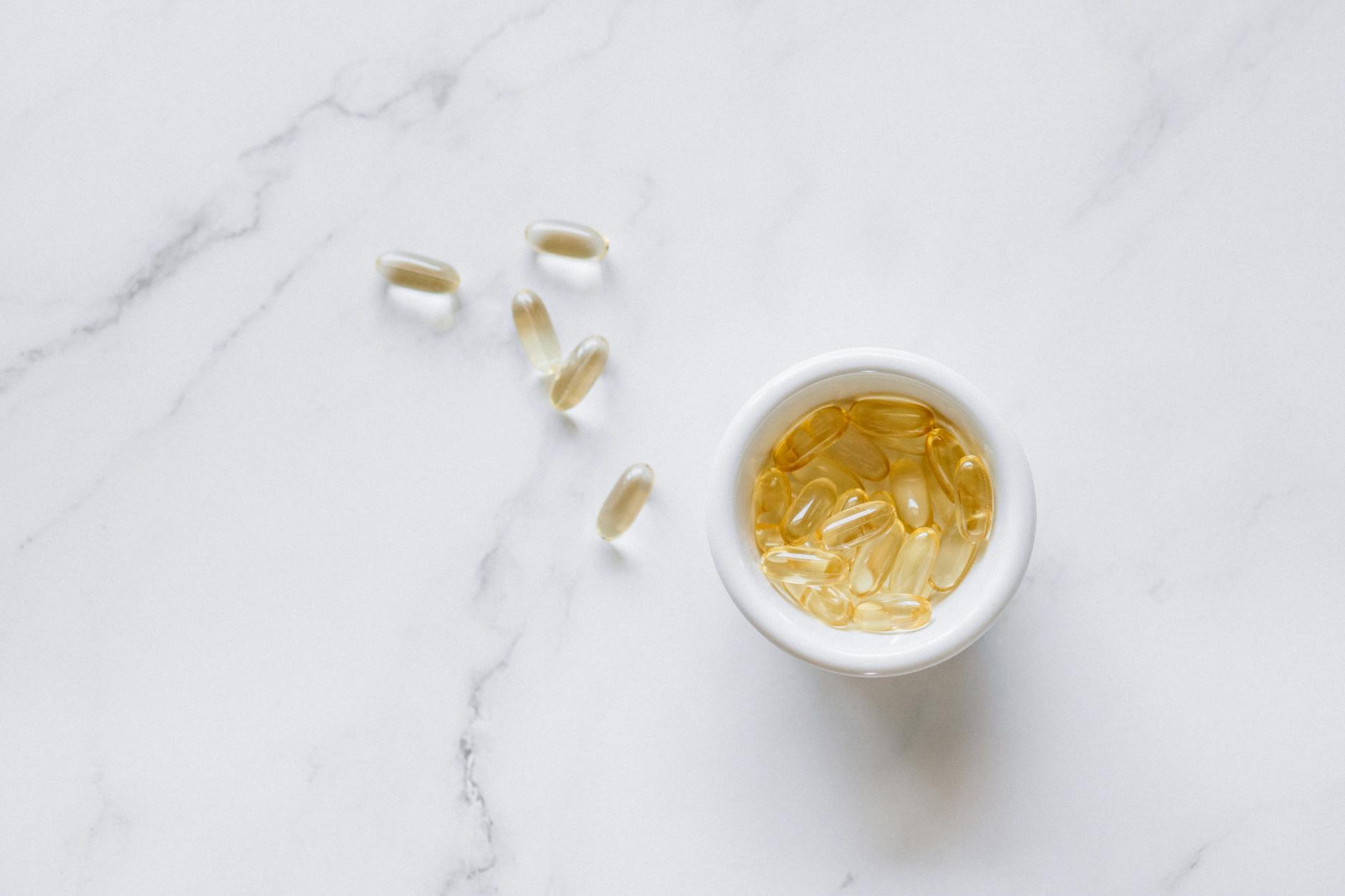
Prebiotics improve skin clarity by feeding the beneficial bacteria that live on and inside your body, which in turn regulate inflammation, strengthen the skin barrier, and reduce the conditions that lead to breakouts. When your gut microbiome is balanced, it produces short-chain fatty acids and anti-inflammatory compounds that travel through the bloodstream and directly influence how your skin behaves. A person dealing with persistent hormonal acne along the jawline, for example, may find that adding a daily prebiotic fiber supplement reduces flare-ups within six to eight weeks — not because the prebiotic killed any bacteria, but because it shifted the internal environment toward one that no longer triggers excessive sebum production and inflammatory cascades.
This connection between gut health and skin appearance is not new. Dermatologists have observed the gut-skin axis for decades, but only in the last ten years has research begun to clarify the specific mechanisms. Prebiotics are distinct from probiotics — they are the fuel, not the organisms themselves — and that distinction matters when choosing how to approach skin concerns from the inside out. This article covers the science behind how prebiotics interact with your microbiome, which types of prebiotic fibers show the most promise for acne-prone skin, the limitations of this approach, practical ways to incorporate prebiotics into your routine, and what to watch out for when starting.
Table of Contents
- How Do Prebiotics Affect the Gut-Skin Axis and Improve Clarity?
- Which Prebiotic Fibers Are Most Effective for Acne-Prone Skin?
- The Role of the Skin Microbiome in Prebiotic Benefits
- How to Incorporate Prebiotics Into a Skin-Clearing Routine
- When Prebiotics Alone Are Not Enough for Skin Clarity
- Prebiotics and Their Interaction With Common Acne Treatments
- Where Prebiotic Skin Research Is Heading
- Conclusion
- Frequently Asked Questions
How Do Prebiotics Affect the Gut-Skin Axis and Improve Clarity?
The gut-skin axis is a bidirectional communication system where the state of your intestinal microbiome influences skin health through immune signaling, hormone metabolism, and nutrient absorption. Prebiotics — non-digestible fibers like inulin, fructooligosaccharides (FOS), and galactooligosaccharides (GOS) — pass through the upper digestive tract undigested and arrive in the colon where they selectively feed beneficial bacteria such as Bifidobacterium and Lactobacillus species. These bacteria then produce short-chain fatty acids like butyrate, propionate, and acetate, which reduce systemic inflammation by modulating T-cell responses and lowering circulating levels of pro-inflammatory cytokines like interleukin-6 and tumor necrosis factor-alpha. For skin specifically, this matters because acne is fundamentally an inflammatory condition. When systemic inflammation drops, the skin’s tendency to overreact to Cutibacterium acnes (the bacterium involved in most acne) decreases.
A 2019 study published in the journal Beneficial Microbes found that participants who consumed 5 grams of GOS daily for 12 weeks showed measurable reductions in skin sebum production and inflammatory lesion counts compared to a placebo group. The mechanism was traced to improved gut barrier integrity, which prevented endotoxins from leaking into the bloodstream and triggering the kind of low-grade inflammation that makes skin reactive. Compared to taking a probiotic alone, prebiotics offer a distinct advantage: they support the bacteria already adapted to your individual gut environment rather than introducing foreign strains that may or may not colonize successfully. Think of it as fertilizing the garden you already have rather than transplanting flowers from a greenhouse. Both approaches have merit, but prebiotics tend to produce more stable, longer-lasting shifts in microbial populations.

Which Prebiotic Fibers Are Most Effective for Acne-Prone Skin?
Not all prebiotics perform equally when it comes to skin outcomes. Inulin, derived from chicory root, is one of the most studied and widely available prebiotic fibers. It strongly promotes Bifidobacterium growth and has been linked to improved gut barrier function in multiple clinical trials. FOS, which is closely related to inulin but with shorter molecular chains, ferments more quickly in the colon and tends to produce results faster but can also cause more initial digestive discomfort — bloating and gas are common in the first week or two. GOS, derived from lactose, has shown particularly promising results for skin health.
Research out of the University of Reading found that GOS supplementation not only increased beneficial gut bacteria but also reduced levels of certain stress-related hormones that can exacerbate acne. Resistant starch, found in cooked and cooled potatoes, green bananas, and legumes, is another effective prebiotic that produces high amounts of butyrate — the short-chain fatty acid most strongly associated with anti-inflammatory effects. However, if you have small intestinal bacterial overgrowth (sibo) or irritable bowel syndrome, loading up on prebiotic fibers can backfire significantly. These conditions involve bacterial populations in the wrong part of the digestive tract, and feeding them more fuel can worsen bloating, skin flares, and overall inflammation. Anyone with diagnosed SIBO should work with a gastroenterologist before adding concentrated prebiotic supplements, as the timing and type of fiber introduction needs to be carefully managed to avoid making both gut and skin symptoms worse.
The Role of the Skin Microbiome in Prebiotic Benefits
While most attention goes to the gut microbiome, the skin has its own microbial ecosystem that prebiotics can influence — both indirectly through systemic effects and directly through topical application. The skin is home to roughly one trillion microorganisms, and the balance between them determines whether your complexion stays clear or becomes prone to breakouts, redness, and irritation. When gut-derived inflammation is reduced through prebiotic consumption, the skin’s immune environment becomes less hostile to commensal bacteria that actually protect against acne-causing strains. Topical prebiotics have also entered the skincare market, usually in the form of oligosaccharides or plant-derived sugars applied directly to the skin surface.
These compounds feed beneficial skin bacteria like Staphylococcus epidermidis, which produces antimicrobial peptides that keep pathogenic organisms in check. A French skincare study tested a moisturizer containing alpha-glucan oligosaccharide on subjects with combination skin and found that after four weeks, the treated group had a measurably more diverse skin microbiome and fewer inflammatory lesions than the control group using the same moisturizer without the prebiotic. The catch is that topical prebiotics work best on intact skin barriers. If your barrier is already compromised from over-exfoliation, retinoid overuse, or harsh cleansers, adding topical prebiotics may produce irritation rather than improvement. Repairing the barrier first with simple ceramide-based moisturizers and gentle cleansing is a necessary precursor before topical prebiotics can do their job effectively.

How to Incorporate Prebiotics Into a Skin-Clearing Routine
The most practical approach combines dietary prebiotic sources with targeted supplementation, rather than relying on one or the other. Dietary sources include garlic, onions, leeks, asparagus, bananas (especially slightly green ones), oats, and Jerusalem artichokes. Eating a diverse range of these foods daily provides a broad spectrum of prebiotic fibers that support different bacterial species. Supplementation fills gaps when dietary intake is inconsistent, with most studies showing benefits at doses between 3 and 10 grams per day. The tradeoff between food-based and supplement-based prebiotics is worth considering. Whole food sources come packaged with vitamins, minerals, and polyphenols that independently support skin health — the quercetin in onions, for instance, has its own anti-inflammatory properties.
But food sources are harder to dose consistently, and the prebiotic fiber content varies with freshness, cooking method, and variety. Supplements like pure inulin or GOS powder offer precise dosing and convenience but lack the synergistic nutrients found in whole foods. A reasonable strategy is to prioritize food sources and add 3 to 5 grams of supplemental inulin or GOS on days when your diet falls short. Timing also matters. Taking prebiotic fiber with meals reduces digestive discomfort and improves fermentation patterns. Starting with a low dose — around 2 grams daily — and increasing gradually over two to three weeks allows your gut bacteria to adapt without producing the gas and bloating that cause many people to abandon the approach prematurely. Consistency matters more than quantity; a moderate daily dose over months will produce far better skin results than aggressive short-term supplementation.
When Prebiotics Alone Are Not Enough for Skin Clarity
Prebiotics are a powerful tool, but they have real limitations. If your acne is primarily driven by androgenic hormones — the kind that produces deep cystic lesions along the jawline and chin — prebiotics may reduce the severity but are unlikely to clear the condition on their own. Hormonal acne typically requires direct hormonal intervention (spironolactone, oral contraceptives, or topical anti-androgens) alongside gut-supportive measures. Expecting prebiotics to replace targeted medical treatment for moderate-to-severe hormonal acne sets up an unrealistic timeline and delays effective care. Similarly, prebiotics cannot compensate for a diet that is otherwise inflammatory. Consuming 5 grams of inulin daily while eating high-glycemic processed foods, excessive dairy, and refined sugars is like watering a garden while simultaneously pouring salt on it.
The inflammatory inputs from a poor diet overwhelm whatever anti-inflammatory benefit the prebiotic provides. Research consistently shows that the gut-skin axis responds to the total dietary pattern, not individual supplements in isolation. Prebiotics work best as part of a broader shift toward whole foods, adequate hydration, and reduced sugar intake. There is also the issue of expectations around timing. Gut microbiome shifts begin within days of introducing prebiotics, but visible skin changes typically lag by four to twelve weeks. The skin’s turnover cycle means that even after internal inflammation drops, existing lesions need time to resolve and new, healthier skin needs time to surface. Abandoning prebiotics after two weeks because you do not see results is one of the most common mistakes people make with this approach.

Prebiotics and Their Interaction With Common Acne Treatments
If you are already using topical retinoids, benzoyl peroxide, or oral antibiotics for acne, prebiotics can play a supportive role — but the interaction is worth understanding. Oral antibiotics like doxycycline and minocycline indiscriminately kill gut bacteria, which is one reason dermatologists limit their use to short courses. Taking prebiotics during and especially after an antibiotic course helps rebuild beneficial populations faster.
A clinical observation from a dermatology practice in Melbourne found that patients who supplemented with GOS during a 12-week doxycycline course had fewer gastrointestinal side effects and faster microbiome recovery afterward, with lower acne relapse rates at the six-month mark compared to patients who took the antibiotic alone. Prebiotics do not interfere with topical treatments, so there is no reason to avoid them while using retinoids or benzoyl peroxide. In fact, the reduced systemic inflammation from prebiotic use may help the skin tolerate these sometimes-irritating topicals more comfortably.
Where Prebiotic Skin Research Is Heading
The field of microbiome-based skincare is moving toward precision approaches — identifying an individual’s specific microbial deficiencies through stool and skin testing, then tailoring prebiotic recommendations accordingly. Companies are already offering microbiome analysis kits that map your gut and skin bacterial populations, though the clinical utility of these tests is still catching up with the marketing. Within the next several years, dermatologists may routinely prescribe specific prebiotic fibers based on a patient’s microbial profile rather than offering generic recommendations.
Research is also exploring synbiotics — combinations of specific probiotic strains paired with the prebiotic fibers that best feed them — as a more targeted approach to skin conditions. Early trials suggest that synbiotic formulations tailored for skin outcomes outperform either prebiotics or probiotics taken alone, which makes biological sense. The organisms and their fuel, delivered together, have a better chance of establishing the microbial shifts that translate into clearer skin. For now, the practical takeaway is that prebiotics are not a passing trend but a foundational piece of how we will approach skin health going forward.
Conclusion
Prebiotics improve skin clarity by addressing one of the root causes of breakouts — systemic inflammation driven by gut microbial imbalance. By feeding beneficial bacteria that produce anti-inflammatory short-chain fatty acids and strengthen the intestinal barrier, prebiotic fibers reduce the internal conditions that make skin reactive and acne-prone. The most effective options include inulin, GOS, FOS, and resistant starch, delivered through a combination of whole foods and targeted supplementation at consistent daily doses.
The practical next step is straightforward: increase your intake of prebiotic-rich foods like garlic, onions, oats, and slightly green bananas, and consider adding 3 to 5 grams of supplemental inulin or GOS daily. Start low, build gradually, and give the approach at least eight to twelve weeks before evaluating results. If you are on antibiotics for acne, prebiotics during and after treatment can meaningfully support recovery. And if your acne is severe or hormonally driven, use prebiotics as one component of a broader treatment plan rather than a standalone solution.
Frequently Asked Questions
How long does it take for prebiotics to improve skin clarity?
Most people begin to notice subtle improvements in skin texture and reduced breakout frequency between six and twelve weeks of consistent daily use. Gut microbiome changes happen within days, but skin turnover cycles mean visible results take longer to appear.
Can prebiotics cause initial breakouts or purging?
Prebiotics do not cause purging in the way retinoids do, but rapid changes in gut bacteria can temporarily increase inflammation in some individuals, which may briefly worsen skin. Starting with a low dose and increasing gradually minimizes this risk.
Are prebiotic supplements better than prebiotic foods for skin?
Neither is categorically better. Whole foods provide synergistic nutrients alongside prebiotic fiber, while supplements offer consistent dosing. The most effective approach uses both — food sources as a foundation with supplements to fill gaps.
Should I take prebiotics and probiotics together for acne?
Taking them together as a synbiotic approach can be more effective than either alone, but it is not strictly necessary. If you choose to combine them, look for probiotic strains with evidence for skin outcomes, such as Lactobacillus rhamnosus GG or Bifidobacterium lactis.
Do topical prebiotics work as well as oral prebiotics for skin?
They work through different mechanisms and are not interchangeable. Oral prebiotics address systemic inflammation through the gut-skin axis, while topical prebiotics support the skin’s surface microbiome. Both can be part of a comprehensive routine, but oral prebiotics generally have stronger evidence for acne reduction.