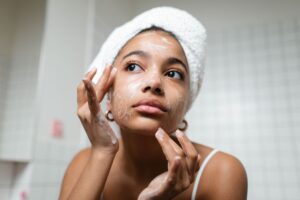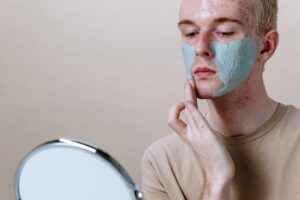
The best body washes for back and chest acne contain either benzoyl peroxide or salicylic acid as their active ingredient, with benzoyl peroxide generally being more effective for inflammatory acne and salicylic acid better suited for clogged pores and blackheads. Products like PanOxyl (containing 10% benzoyl peroxide), Neutrogena Body Clear (with 2% salicylic acid), and CeraVe Acne Foaming Cream Cleanser have historically been recommended by dermatologists for body acne due to their proven active ingredients and formulations that work on larger skin surfaces. However, the “best” product ultimately depends on your specific acne type, skin sensitivity, and whether you need to address primarily bacterial infection or excess oil and dead skin buildup. Body acne””particularly on the back (sometimes called “bacne”) and chest””differs from facial acne in important ways that affect treatment choices.
The skin on your torso is thicker, has more oil glands, and is frequently covered by clothing that traps sweat and bacteria. This means body washes need to be formulated to penetrate through tougher skin while being practical enough to use in a quick shower. Someone dealing with painful, red pustules on their back, for instance, would likely benefit most from a benzoyl peroxide wash left on for a few minutes before rinsing, while someone with primarily blackheads and small bumps might see better results from a salicylic acid formula. This article covers how to choose between active ingredients, proper application techniques that most people get wrong, product comparisons, and when a body wash alone won’t solve the problem.
Table of Contents
- What Ingredients Make a Body Wash Effective for Back and Chest Acne?
- How Benzoyl Peroxide Body Washes Compare to Salicylic Acid Formulas
- The Role of Application Technique in Body Wash Effectiveness
- Choosing Between Wash-Off and Leave-On Products for Body Acne
- Common Mistakes That Make Back and Chest Acne Worse
- When Body Washes Aren’t Enough: Signs You Need Additional Treatment
- The Impact of Other Shower Products on Body Acne
- Looking Ahead: Developments in Body Acne Treatment
- Conclusion
What Ingredients Make a Body Wash Effective for Back and Chest Acne?
The two primary active ingredients proven to treat acne are benzoyl peroxide and salicylic acid, and understanding how each works is essential for choosing the right body wash. Benzoyl peroxide kills the bacteria (Cutibacterium acnes) that contribute to inflammatory acne and helps oxygen penetrate pores where anaerobic bacteria thrive. Salicylic acid, a beta hydroxy acid, works differently””it’s oil-soluble, meaning it can penetrate into pores to dissolve the sebum and dead skin cells that cause blockages. For someone with angry, red pimples that feel tender to touch, benzoyl peroxide is typically the better choice. For someone with bumpy texture, blackheads, or whiteheads without significant inflammation, salicylic acid tends to produce better results.
Concentration matters, but higher isn’t always better. Benzoyl peroxide body washes typically come in 4%, 5%, or 10% formulations. Research has historically suggested that lower concentrations (around 2.5-5%) can be equally effective as 10% with less irritation, though the higher concentration may work faster for severe cases. Salicylic acid in body washes usually ranges from 0.5% to 2%, with 2% being the maximum allowed in over-the-counter products in the United States. A common comparison: PanOxyl at 10% benzoyl peroxide works aggressively and may bleach towels and clothing, while Neutrogena Body Clear at 2% salicylic acid is gentler but requires more consistent long-term use. Some people find success using both””alternating between them or using benzoyl peroxide during breakouts and salicylic acid for maintenance.
- —
How Benzoyl Peroxide Body Washes Compare to Salicylic Acid Formulas
Benzoyl peroxide body washes excel at treating inflammatory acne because they directly target bacteria. When applied to the back or chest, benzoyl peroxide releases oxygen into clogged pores, creating an environment where acne-causing bacteria cannot survive. This makes it particularly effective for pustules, cysts, and those deep, painful bumps that form under the skin. The tradeoff is that benzoyl peroxide can be drying, may cause initial irritation or peeling, and will bleach colored fabrics””a significant practical concern given that it’s used on areas that contact shirts, sheets, and towels. Many users report that their favorite dark t-shirts developed orange stains before they learned to let the product fully rinse and dry before dressing.
Salicylic acid body washes take a different approach by addressing the root cause of non-inflammatory acne: clogged pores. Because salicylic acid is lipophilic (fat-loving), it can cut through the oily sebum that traps dead skin cells inside follicles. This makes it ideal for rough, bumpy skin texture and for preventing new comedones from forming. However, if you have primarily cystic acne or large, inflamed lesions, salicylic acid alone may not be sufficient””it doesn’t kill bacteria the way benzoyl peroxide does. Another limitation: salicylic acid works best with consistent, long-term use and may take several weeks to show noticeable improvement, whereas benzoyl peroxide can show faster initial results for active breakouts.
- —
The Role of Application Technique in Body Wash Effectiveness
Most people use acne body washes incorrectly, significantly reducing their effectiveness. The standard shower routine””lather, scrub for a few seconds, rinse””doesn’t give active ingredients enough time to work. Dermatologists typically recommend leaving benzoyl peroxide washes on the skin for two to three minutes before rinsing, allowing the medication time to penetrate pores and kill bacteria. For salicylic acid, contact time is equally important because the acid needs to work on dissolving sebum plugs.
Rushing through this step is one of the most common reasons people report that “nothing works” for their body acne. A practical approach that improves results: apply the body wash to affected areas at the beginning of your shower, then proceed with washing your hair and the rest of your body before rinsing the acne wash off. This naturally creates the needed contact time without requiring you to stand around waiting. For someone with severe back acne, using a long-handled brush or silicone scrubber helps ensure the product actually reaches all affected areas””the middle of the back is notoriously difficult to treat simply because it’s hard to reach. Some users apply their body wash, then use the wait time to shave or brush their teeth, making the treatment more practical to fit into a morning routine.
- —
Choosing Between Wash-Off and Leave-On Products for Body Acne
While this article focuses on body washes, it’s worth understanding how they compare to leave-on treatments, since the choice between them represents a significant tradeoff. Body washes are convenient, easy to incorporate into existing routines, and less likely to stain clothing since they’re rinsed off. However, their contact time with skin is limited””even with the recommended two to three minutes, a leave-on treatment that sits on skin for hours will deliver more active ingredient into pores. For mild to moderate body acne, a medicated body wash may be sufficient.
For stubborn or severe cases, combining a body wash with a leave-on product often produces better results. The practical comparison looks like this: a benzoyl peroxide body wash might be used daily in the shower with minimal disruption to your routine, while a leave-on benzoyl peroxide gel or cream requires application after showering, drying time, and careful consideration of what fabric will touch your skin. Some people layer these approaches””using a salicylic acid body wash for daily maintenance and applying a benzoyl peroxide spot treatment to active breakouts at night on an old t-shirt they don’t mind bleaching. Others find that a body wash alone, used consistently and correctly, is enough to control their acne. Those with sensitive skin often do better starting with a wash (lower contact time means less irritation) before considering leave-on options.
- —
Common Mistakes That Make Back and Chest Acne Worse
Several habits can undermine even the best body wash routine, and some are counterintuitive. Over-washing or scrubbing aggressively seems logical when dealing with acne but often backfires””irritated skin produces more oil, and disrupted skin barrier function can worsen inflammation. Using a body wash twice daily might seem beneficial, but for many people, once daily is sufficient and less likely to cause dryness that triggers rebound oil production. Similarly, combining multiple acne-fighting products without understanding how they interact can lead to severe irritation; layering a benzoyl peroxide wash with a retinoid cream and a salicylic acid toner, for instance, is a recipe for damaged skin.
Another overlooked issue: the timing of your shower relative to exercise or sweating. Sweat itself isn’t inherently comedogenic, but sweat mixed with oils and bacteria that sits on skin””especially under tight clothing””creates ideal conditions for breakouts. Waiting several hours after a workout to shower allows this mixture to clog pores. The warning here is that even the best body wash won’t overcome consistently poor timing; someone who exercises in the morning but showers at night may find their back acne unresponsive to treatment. Additionally, fabric softeners, dryer sheets, and even certain laundry detergents can leave residue on clothing that irritates skin and contributes to acne, making the source of the problem external rather than something a body wash can fix.
- —
When Body Washes Aren’t Enough: Signs You Need Additional Treatment
A body wash is often the first line of defense against back and chest acne, but it has limitations. If you’ve used a properly formulated body wash with correct technique for eight to twelve weeks without significant improvement, the acne may require prescription-strength treatment. Deep cystic acne, widespread inflammation, or acne that leaves scars typically needs more aggressive intervention than over-the-counter products can provide. A dermatologist might prescribe topical retinoids, oral antibiotics, or in severe cases, isotretinoin (formerly known as Accutane), which addresses acne at a systemic level.
For example, someone with hormonal acne””which often presents as deep, cystic lesions along the jawline, chest, and back””may find that no body wash controls their breakouts because the underlying cause is hormonal rather than topical. In these cases, treatments like spironolactone for women or other hormonal interventions address the root cause that no cleanser can touch. The practical takeaway: body washes are tools for management and mild-to-moderate treatment, not cures for all types of acne. Recognizing when you’ve reached the limits of over-the-counter care prevents months of frustration and potential scarring from inadequately treated severe acne.
- —
The Impact of Other Shower Products on Body Acne
The body wash you use for acne treatment is only part of your shower routine, and other products can either support or undermine your efforts. Conditioner is a frequent culprit””the oils and silicones that make hair soft and shiny can clog pores on the back and chest when they rinse off and contact skin. This is particularly relevant for people with long hair who let conditioner rinse down their backs.
A practical solution is to clip hair up while conditioning, then rinse it forward over the shoulder, and finally cleanse the back with acne wash as the last step before exiting the shower. Similarly, heavily fragranced body washes, moisturizing “shower creams,” and exfoliating scrubs with large particles can irritate skin or leave pore-clogging residue. Someone might dutifully use their PanOxyl wash on their back but then follow up with a coconut oil-based body butter, effectively negating the treatment. Stripping down to products with minimal ingredients””at least on acne-prone areas””often helps identify whether the issue is treatment failure or product interference.
- —
Looking Ahead: Developments in Body Acne Treatment
The landscape of body acne treatment continues to evolve, with newer ingredients and formulations gaining attention. Azelaic acid, historically used more for facial acne and rosacea, has shown promise for body acne due to its antibacterial and anti-inflammatory properties with less irritation than benzoyl peroxide. Some newer body washes incorporate niacinamide alongside traditional acne fighters, potentially offering additional benefits for oil control and skin barrier support.
Whether these will prove more effective than established options remains to be determined through longer-term use and study. What hasn’t changed is the fundamental approach: identify whether your acne is primarily inflammatory or comedonal, choose an appropriate active ingredient, use it correctly and consistently, and address lifestyle factors that contribute to breakouts. The “best” body wash is ultimately the one that matches your specific acne type, fits into your routine sustainably, and doesn’t irritate your individual skin. This often requires some trial and adjustment””what works exceptionally well for one person may be inadequate or too harsh for another.
- —
Conclusion
Effective body washes for back and chest acne rely on proven active ingredients: benzoyl peroxide for inflammatory, bacterial acne and salicylic acid for clogged pores and texture issues. Products like PanOxyl, Neutrogena Body Clear, and CeraVe’s acne line have strong track records, but proper application””particularly allowing adequate contact time””matters as much as product selection. Understanding the tradeoffs between these ingredients, avoiding common mistakes like over-washing or using pore-clogging shower products, and recognizing when professional treatment is necessary will improve outcomes beyond simply buying a recommended product.
Your next step is to assess what type of acne you’re primarily dealing with: red, inflamed pimples point toward benzoyl peroxide, while bumpy texture and blackheads suggest starting with salicylic acid. Begin with the lower-concentration options to gauge your skin’s tolerance, commit to consistent use for at least eight weeks, and pay attention to your full shower routine and lifestyle factors. If significant improvement doesn’t occur within that timeframe despite proper use, scheduling a dermatology appointment is a reasonable next step rather than endlessly cycling through over-the-counter options.