
Treating acne around the nose and nostrils requires a combination of gentle cleansing, targeted topical treatments, and avoiding the specific triggers that make this area prone to breakouts. The most effective approach starts with a salicylic acid cleanser to penetrate oily pores, followed by a benzoyl peroxide spot treatment at a low concentration (2.5%) to kill bacteria without over-drying the delicate skin around the nostrils. For someone dealing with persistent blackheads along the nose crease or inflamed pimples at the nostril edge, adding a retinoid like adapalene two to three times weekly can prevent new breakouts from forming while the active treatments address existing ones. The nose presents unique challenges because it contains more sebaceous glands per square centimeter than almost any other part of the face. The creases where the nostrils meet the cheek are particularly problematic””they trap oil, dead skin, and bacteria while being difficult to cleanse thoroughly.
A common example: someone might wash their face twice daily but still develop recurring whiteheads in the nostril crease simply because their cleanser never properly reaches that fold. This article covers why acne concentrates around the nose, which ingredients work best for this area, how to avoid making breakouts worse, and when the problem might actually be something other than acne. Understanding the difference between various types of nose acne matters for treatment selection. Blackheads on the nose itself respond well to pore strips and chemical exfoliants, but inflamed pustules near the nostril opening require antibacterial treatment and possibly prescription intervention. The strategies that work for one type can irritate or worsen the other.
Table of Contents
- Why Does Acne Form Around the Nose and Nostrils More Than Other Areas?
- Choosing the Right Active Ingredients for Nostril-Area Acne
- When Nose Acne Isn’t Actually Acne
- Building a Daily Routine That Works for Nose-Area Breakouts
- Common Mistakes That Make Nose Acne Worse
- The Role of Diet and Lifestyle in Nose Breakouts
- When to See a Dermatologist for Nose Acne
- Conclusion
Why Does Acne Form Around the Nose and Nostrils More Than Other Areas?
The nose sits in the center of the T-zone, the region of the face with the highest concentration of oil glands. These sebaceous glands produce sebum constantly, and when production exceeds what the skin can shed, pores become clogged. The nostril area compounds this problem because it stays warmer and more humid than surrounding skin””every breath you exhale deposits moisture in that region, creating an environment where bacteria thrive. Research published in the Journal of Investigative Dermatology found that the nasal area harbors different bacterial populations than the cheeks or forehead, with higher concentrations of Cutibacterium acnes in the nostril creases. Physical factors also contribute significantly. Glasses rest on the nose bridge, trapping oil and preventing the skin from breathing.
Frequent nose-blowing during allergy season or colds creates friction and introduces bacteria from tissues. People who touch their nose habitually””often unconsciously””transfer oils and microorganisms from their hands. One dermatology clinic reported that patients who wore glasses and had seasonal allergies experienced a 40% higher rate of nose-area breakouts compared to contact lens wearers without allergies. The skin around the nostrils differs from the nose itself. It’s thinner, more sensitive, and more prone to dryness despite the oily environment. This creates a paradox where aggressive acne treatments that work on the nose proper can cause peeling and irritation at the nostril edge, leading to a cycle of flaking skin that clogs pores and causes more breakouts. Treatment for this specific zone requires balancing efficacy with gentleness.
Choosing the Right Active Ingredients for Nostril-Area Acne
Salicylic acid remains the first-line treatment for nose acne because it’s oil-soluble, meaning it can penetrate through sebum into clogged pores. Concentrations between 0.5% and 2% work well for daily use, with the lower end suitable for the sensitive nostril perimeter. Unlike glycolic acid or other alpha-hydroxy acids, salicylic acid has anti-inflammatory properties that reduce the redness of active pimples while exfoliating. A typical protocol involves using a salicylic acid cleanser in the evening, allowing the product to sit on the nose for 30 seconds before rinsing. Benzoyl peroxide kills the bacteria responsible for inflammatory acne, making it essential for pustules and papules near the nostrils. However, concentrations matter enormously in this area. Studies comparing 2.5%, 5%, and 10% benzoyl peroxide found equal antibacterial efficacy across all three, but significantly more irritation at higher concentrations.
For the nostril area specifically, 2.5% provides bacterial killing without the cracking and peeling that stronger formulations cause. Apply it as a thin layer only on active breakouts, avoiding the nostril opening itself where it can cause stinging and dryness of the nasal passages. Retinoids like adapalene (available over-the-counter as Differin) or prescription tretinoin prevent acne formation by increasing cell turnover and preventing the buildup of dead skin in pores. They’re particularly effective for chronic nose blackheads and recurring breakouts. The limitation: retinoids cause significant irritation during the adjustment period, typically lasting four to six weeks. During this time, the nostril area often becomes red, flaky, and temporarily worse before improving. Starting with application every third night and gradually increasing frequency helps minimize this adjustment phase.
When Nose Acne Isn’t Actually Acne
Not every bump around the nose qualifies as acne, and misidentifying the problem leads to ineffective or harmful treatment. sebaceous filaments””the gray or yellowish dots that appear on the nose””are often mistaken for blackheads but represent a normal feature of skin with large pores. They refill within days of extraction and don’t respond to acne treatments. Attempting to squeeze them or applying aggressive products only irritates the skin without providing lasting improvement. Perioral dermatitis, despite its name referencing the mouth, frequently affects the nose creases and nostril area. It appears as small pink or red bumps, sometimes with subtle scaling, and gets worse with steroid cream use.
This matters because someone might receive or apply hydrocortisone thinking it will calm the inflammation, only to see the condition spread. If your nose-area breakouts worsen with steroid treatment, stop using it and consult a dermatologist””perioral dermatitis requires different management, often with prescription antibiotics. Rosacea can also present around the nose, particularly the subtype that causes pustules resembling acne. The distinguishing features include flushing triggered by heat, alcohol, or spicy food; visible blood vessels; and sensitivity to typical acne treatments. Someone with rosacea who uses benzoyl peroxide or retinoids often experiences significant burning and worsening redness rather than improvement. If acne treatments seem to aggravate rather than help your nose breakouts, rosacea is worth investigating with a dermatologist.
Building a Daily Routine That Works for Nose-Area Breakouts
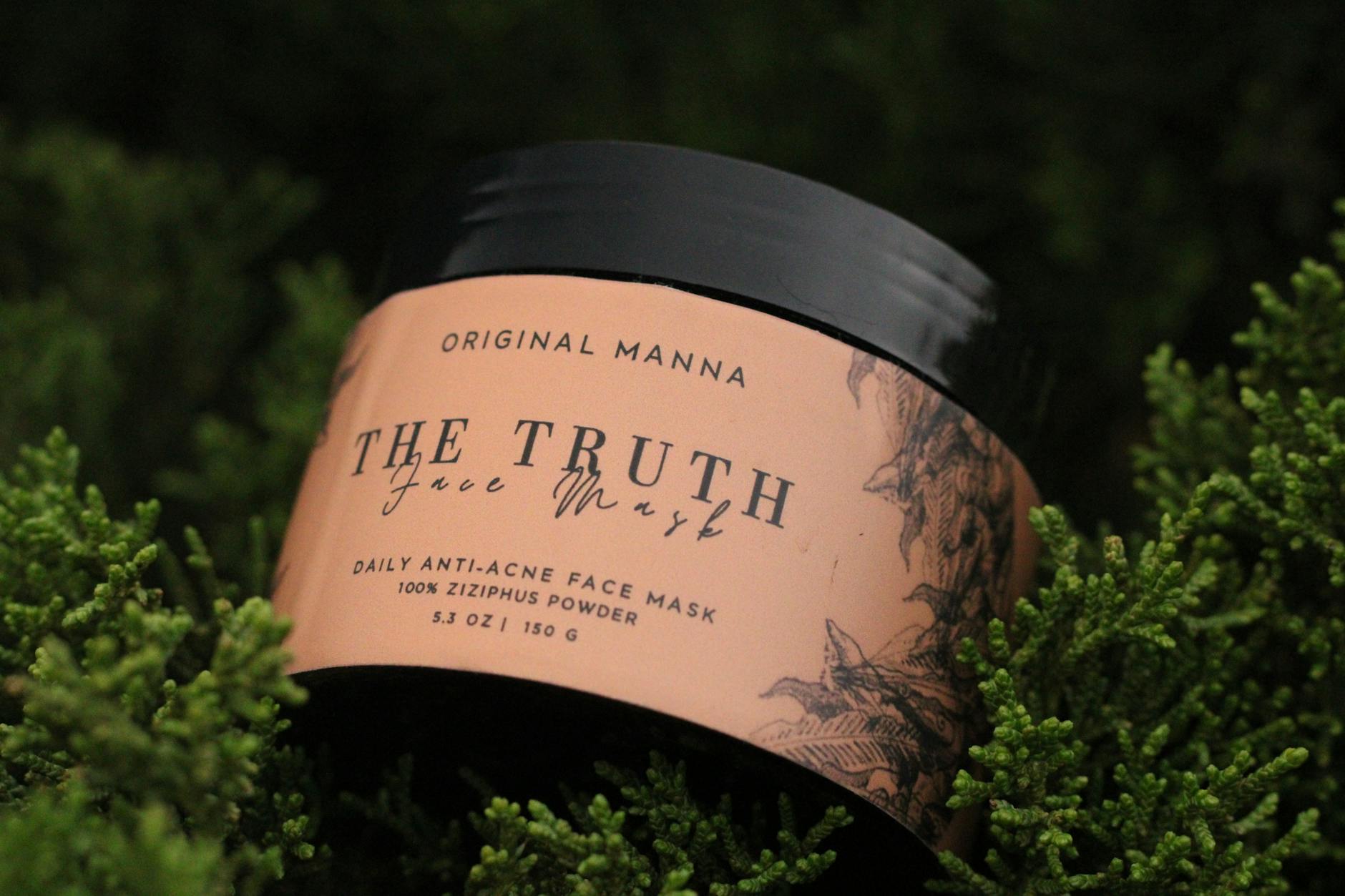
An effective routine for nose acne prioritizes consistency over intensity. Morning cleansing with a gentle, non-foaming cleanser removes overnight oil accumulation without stripping the skin’s barrier. Foaming cleansers, while satisfying to use, often contain sulfates that over-dry the nostril area while doing little extra for the oilier nose surface. Following cleanser, a niacinamide serum at 5% to 10% concentration reduces oil production and has anti-inflammatory effects without irritation. Finish with a lightweight, non-comedogenic moisturizer and sunscreen””the latter matters because several acne treatments increase sun sensitivity. Evening routines allow for stronger active ingredients. After cleansing, apply salicylic acid treatment and allow it to absorb for a few minutes.
On non-retinoid nights, follow with a hydrating serum containing hyaluronic acid. On retinoid nights (typically three per week for maintenance), skip the salicylic acid to avoid over-exfoliation and apply the retinoid to dry skin. The tradeoff between using multiple actives versus simplicity is real: more products mean more chances for efficacy but also more opportunities for irritation. For the nostril area specifically, simpler often works better than complicated multi-step protocols. Spot treatment of active pimples follows serum application. Benzoyl peroxide or sulfur-based spot treatments applied only to the breakout itself work overnight to reduce inflammation. Hydrocolloid patches offer an alternative approach””they absorb pus and oil from whiteheads while protecting the pimple from touching and picking. The comparison between these options: benzoyl peroxide kills bacteria faster but can bleach pillowcases and clothing; hydrocolloid patches are mess-free but less effective on deeper, non-pustular acne.
Common Mistakes That Make Nose Acne Worse
Aggressive extraction tops the list of counterproductive behaviors. Squeezing blackheads and pimples around the nose feels immediately satisfying but pushes bacteria deeper into the skin and creates micro-tears that lead to scarring. The nostril crease is particularly vulnerable because the skin folds make it difficult to apply even pressure, increasing the likelihood of damage. Professional extractions by an esthetician or dermatologist use proper tools and technique, but even these should be spaced weeks apart to allow healing. Over-cleansing the nose specifically””using a separate, harsh cleanser or scrubbing harder in that area””backfires through a mechanism called compensatory sebum production. When the skin is stripped of oil, it signals the sebaceous glands to produce more, creating an oilier environment than before cleansing.
This is why people who wash their face excessively often have the oiliest T-zones. The nostril perimeter additionally suffers from over-cleansing because the thin skin cracks and peels, trapping dead cells in pores. Pore strips deserve their own warning. While immediately gratifying””they visibly remove blackheads and sebaceous filaments””they also remove a portion of the skin’s protective barrier. Regular use, more than once weekly, leads to enlarged pores over time and sensitized skin that’s more prone to irritation. They’re also useless for closed comedones (whiteheads) and inflamed acne, and can worsen active pustules by ripping off the healing skin on top.
The Role of Diet and Lifestyle in Nose Breakouts
Research increasingly supports connections between diet and acne, though individual responses vary significantly. High-glycemic foods””white bread, sugary drinks, processed snacks””cause blood sugar spikes that trigger insulin release, which in turn increases oil production and skin cell turnover. A study in the Journal of the American Academy of Dermatology found that participants who followed a low-glycemic diet for 12 weeks showed a 23% reduction in acne lesions compared to controls. For nose acne specifically, the high concentration of oil glands makes this area particularly responsive to systemic oil production changes. Dairy presents more controversial evidence.
Some studies link skim milk consumption to acne, possibly due to hormones present in milk or the insulin-like growth factor it contains. Whey protein supplements appear to worsen acne in some individuals. However, these connections aren’t universal””many people consume dairy without skin effects. An elimination approach can clarify individual sensitivity: removing dairy for six weeks while keeping other factors constant, then reintroducing it to observe changes. For example, a college athlete who switched from whey to plant-based protein noticed a 50% reduction in nose-area breakouts within a month, suggesting a personal sensitivity.
When to See a Dermatologist for Nose Acne
Over-the-counter treatments have limits, and recognizing when professional intervention is needed saves time and prevents scarring. If consistent home treatment for eight to twelve weeks produces no improvement, a dermatologist can prescribe topical antibiotics like clindamycin, which reduce bacterial populations more effectively than benzoyl peroxide alone. For moderate to severe acne, prescription retinoids at higher strengths than adapalene provide faster results. Some patients require oral medications””antibiotics like doxycycline for inflammatory acne, or spironolactone for hormonal acne in women.
Dermatologists also offer in-office treatments that accelerate improvement. Chemical peels using higher concentrations of salicylic acid or glycolic acid exfoliate more deeply than home products. Cortisone injections can flatten a painful cystic pimple within 24 hours””useful when a significant event approaches. For persistent scarring from past nose acne, procedures like microneedling or laser resurfacing stimulate collagen production to smooth depressed scars. The investment in professional care often proves worthwhile when home treatment plateaus.
Conclusion
Treating acne around the nose and nostrils demands targeted strategies that account for the area’s unique characteristics: high oil production, bacterial accumulation in creases, and varying skin thickness between the nose and nostril edge. Success requires selecting appropriate active ingredients””salicylic acid for pore penetration, low-concentration benzoyl peroxide for bacteria, and retinoids for prevention””while avoiding the common mistakes of over-cleansing, aggressive extraction, and layering too many harsh products. Patience remains essential because even effective treatments take six to eight weeks to show results.
During that time, maintaining a consistent routine matters more than constantly switching products in search of faster improvement. If home treatment fails after a genuine trial period, professional dermatological care offers prescription options and procedures that can resolve stubborn nose acne. The goal isn’t perfect skin overnight but rather steady progress toward fewer and less severe breakouts.