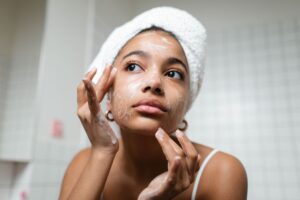
Learning how to use salicylic acid for acne correctly can transform a frustrating skincare routine into an effective treatment strategy that delivers visible results. This beta-hydroxy acid (BHA) has earned its reputation as one of the most reliable acne-fighting ingredients available, yet many people either underuse it, overuse it, or apply it incorrectly—diminishing its potential benefits while potentially irritating their skin. Understanding the science behind this ingredient and mastering proper application techniques separates those who see genuine improvement from those who abandon the treatment prematurely out of frustration. Acne affects approximately 85% of people between ages 12 and 24, with many cases persisting well into adulthood. The condition stems from a combination of excess sebum production, dead skin cell buildup, bacterial proliferation, and inflammation within hair follicles.
Salicylic acid addresses several of these root causes simultaneously, making it particularly valuable for certain acne types. However, the ingredient’s effectiveness depends heavily on concentration, formulation, frequency of use, and how it integrates with other products in a skincare regimen. Getting these factors wrong can lead to dryness, peeling, increased breakouts, or simply no improvement at all. By the end of this guide, readers will understand exactly how salicylic acid works at a cellular level, which acne types respond best to this treatment, how to select the right product concentration, and how to build a complete routine that maximizes results while minimizing side effects. The information covers everything from initial patch testing through long-term maintenance, addressing common mistakes and providing evidence-based strategies that dermatologists recommend. Whether dealing with occasional blackheads or persistent inflammatory acne, this comprehensive approach ensures the best possible outcome from salicylic acid treatment.
Table of Contents
- What Is Salicylic Acid and How Does It Treat Acne?
- Choosing the Right Salicylic Acid Concentration for Your Skin
- Understanding Which Acne Types Respond Best to Salicylic Acid
- Building a Complete Skincare Routine with Salicylic Acid
- Common Mistakes When Using Salicylic Acid for Acne Treatment
- When to Consider Professional Salicylic Acid Peels
- How to Prepare
- How to Apply This
- Expert Tips
- Conclusion
- Frequently Asked Questions
What Is Salicylic Acid and How Does It Treat Acne?
Salicylic acid belongs to a class of compounds called beta-hydroxy acids, distinguished from alpha-hydroxy acids by their acneadvocate.com/best-oil-free-moisturizers-for-acne-prone-skin/” title=”Best Oil Free Moisturizers for Acne Prone Skin”>oil-soluble molecular structure. This oil solubility proves crucial for acne treatment because it allows the molecule to penetrate through the sebum that clogs pores, reaching deep into follicles where breakouts originate. Once inside the pore, salicylic acid works as a keratolytic agent, breaking down the bonds between dead skin cells and dissolving the mixture of sebum and cellular debris that forms comedones—the technical term for blackheads and whiteheads.
The mechanism extends beyond simple exfoliation. Salicylic acid possesses anti-inflammatory properties that help calm redness and swelling associated with inflammatory acne lesions. Research published in the Journal of Clinical and Aesthetic Dermatology demonstrates that salicylic acid reduces the production of pro-inflammatory cytokines within skin tissue, which explains why it helps with both non-inflammatory comedones and red, swollen pimples. Additionally, the ingredient has mild antibacterial effects against Cutibacterium acnes (formerly Propionibacterium acnes), the bacterium implicated in inflammatory acne development.
- **Keratolytic action**: Dissolves the “glue” holding dead cells together inside pores, preventing and treating comedonal blockages
- **Anti-inflammatory properties**: Reduces redness, swelling, and discomfort by modulating inflammatory pathways in the skin
- **Sebum penetration**: Oil-soluble structure allows deeper penetration than water-soluble acids, reaching the source of breakouts

Choosing the Right Salicylic Acid Concentration for Your Skin
Over-the-counter salicylic acid products typically range from 0.5% to 2% concentration, with the higher end representing the maximum allowed in leave-on products without a prescription in most countries. The optimal concentration depends on skin sensitivity, acne severity, and previous experience with chemical exfoliants. Beginners or those with sensitive skin should start with 0.5% or 1% formulations, while those with resilient skin and moderate to severe acne may benefit from 2% products. Professional chemical peels can contain concentrations up to 30%, but these require administration by trained skincare professionals.
Product formulation matters as much as concentration. A 2% salicylic acid in a cleanser contacts skin for only 30-60 seconds before rinsing, delivering less actual treatment than a 0.5% leave-on serum that remains on skin for hours. Leave-on products—including serums, toners, and spot treatments—provide sustained delivery and typically produce stronger results than wash-off formulations. However, cleansers offer a gentler introduction for sensitive skin types and work well as maintenance products once acne is under control. Gel formulations suit oily skin, while lotions and creams may benefit those with combination or drier skin types.
- **0.5% concentration**: Ideal for sensitive skin, rosacea-prone individuals, or those new to chemical exfoliation; minimal irritation risk
- **1% concentration**: Balanced option for mild acne and combination skin; effective for maintenance after clearing more severe breakouts
- **2% concentration**: Maximum over-the-counter strength; best for oily skin with moderate comedonal or inflammatory acne
Understanding Which Acne Types Respond Best to Salicylic Acid
Salicylic acid demonstrates particular effectiveness against comedonal acne—the type characterized by blackheads (open comedones) and whiteheads (closed comedones). These non-inflammatory lesions form when sebum and dead skin cells accumulate within pores, creating plugs that may oxidize and darken (blackheads) or remain beneath a thin layer of skin (whiteheads). Because salicylic acid excels at dissolving this sebum-cell mixture, comedonal acne represents its primary indication.
Clinical studies show significant reduction in comedone counts after 8-12 weeks of consistent use. Mild to moderate inflammatory acne—including papules (small red bumps) and pustules (pimples with visible white or yellow centers)—also responds well to salicylic acid treatment, particularly when the inflammatory lesions coexist with underlying comedonal congestion. The ingredient’s anti-inflammatory properties help reduce redness and swelling while its pore-clearing action addresses the comedones that often progress into inflammatory lesions. However, severe inflammatory acne with nodules or cysts typically requires prescription treatments like retinoids, antibiotics, or isotretinoin, with salicylic acid serving as an adjunct rather than primary therapy.
- **Excellent response**: Blackheads, whiteheads, and general pore congestion; sebaceous filaments on the nose and chin
- **Good response**: Papules, pustules, and combination acne with both comedonal and inflammatory components
- **Limited response**: Severe nodular or cystic acne, hormonal acne concentrated along jawline, acne mechanica from friction or pressure

Building a Complete Skincare Routine with Salicylic Acid
Integrating salicylic acid into a skincare routine requires strategic placement and careful consideration of other active ingredients. The general rule positions it after cleansing and before heavier treatments like moisturizers. For leave-on products, apply to clean, dry skin and wait 1-2 minutes before proceeding with subsequent steps. This waiting period allows the acid to reach optimal pH activity on the skin surface before being diluted or buffered by other products. Wash-off cleansers with salicylic acid should be massaged into skin for 30-60 seconds before rinsing to maximize contact time.
Certain ingredient combinations enhance salicylic acid’s effectiveness while others cause irritation or reduced efficacy. Niacinamide pairs exceptionally well, as it strengthens the skin barrier and reduces inflammation without interfering with salicylic acid’s mechanism. Hyaluronic acid provides hydration that counteracts potential dryness. However, combining salicylic acid with other potent actives—particularly retinoids, benzoyl peroxide, or other acids—in the same routine session risks over-exfoliation and irritation. If using multiple actives, alternate them between morning and evening applications or use them on different days entirely.
- **Compatible ingredients**: Niacinamide, hyaluronic acid, ceramides, centella asiatica, green tea extract
- **Use with caution**: Benzoyl peroxide (alternate application times), vitamin C (may reduce stability of both)
- **Avoid combining directly**: Retinoids (use on alternate nights), AHAs like glycolic acid, other BHAs, strong physical exfoliants
Common Mistakes When Using Salicylic Acid for Acne Treatment
The most prevalent mistake involves expecting immediate results and abandoning treatment prematurely. Salicylic acid works gradually, with visible improvement typically appearing after 4-6 weeks of consistent use and optimal results after 8-12 weeks. The skin’s natural turnover cycle takes approximately 28 days, meaning at least one complete cycle must pass before topical treatments show significant effects. Some users also experience an initial “purging” phase during the first 2-4 weeks, where pre-existing microcomedones rise to the surface faster than normal, temporarily increasing visible breakouts before clearing.
Over-application represents another common error. Using salicylic acid products multiple times daily, layering several salicylic acid products, or combining with other exfoliating actives damages the skin barrier—leading to dryness, flaking, redness, and paradoxically increased breakouts. A compromised barrier triggers compensatory oil production and allows bacteria easier access to follicles. Signs of over-exfoliation include persistent tightness, stinging when applying other products, visible flaking, and skin that appears shiny but feels dry. Scaling back to every other day or taking a complete break for one week usually resolves these symptoms.
- **Impatience**: Discontinuing before the 8-12 week threshold when results become apparent
- **Over-exfoliation**: Using too frequently, at too high concentration, or combining with incompatible actives
- **Inadequate sun protection**: Salicylic acid increases photosensitivity; SPF 30 or higher is essential during daytime
- **Ignoring the rest of the routine**: Neglecting moisturizer leads to barrier damage; neglecting sunscreen leads to post-inflammatory hyperpigmentation

When to Consider Professional Salicylic Acid Peels
Over-the-counter products work well for mild to moderate acne, but professional salicylic acid peels offer intensified treatment for stubborn cases or periodic “reset” treatments. These peels use concentrations between 20% and 30%, applied by dermatologists or licensed estheticians and left on skin for a controlled period before neutralization. The higher concentration produces more dramatic exfoliation, clearing congested pores more rapidly than daily low-concentration products. Most protocols recommend a series of 4-6 peels spaced 2-4 weeks apart for optimal results.
Professional peels suit individuals who have plateaued with over-the-counter treatments or those seeking faster initial clearance before transitioning to maintenance with lower-strength products. They also benefit people preparing for special events who want accelerated improvement. Recovery typically involves 3-5 days of mild peeling and redness, with full results visible after 1-2 weeks. Professional treatment costs range from $75 to $200 per session depending on geographic location and provider credentials. Those with darker skin tones should consult with experienced practitioners, as higher-strength peels carry increased risk of post-inflammatory hyperpigmentation in melanin-rich skin.
How to Prepare
- **Conduct a patch test**: Apply a small amount of product to a discreet area—behind the ear or on the inner forearm—and wait 24-48 hours to assess for allergic reaction or excessive sensitivity. Mild tingling is normal; burning, intense redness, or swelling indicates intolerance.
- **Simplify your existing routine**: Remove other potentially irritating actives (retinoids, AHAs, vitamin C serums) from your regimen for 1-2 weeks before introducing salicylic acid. This establishes a baseline and prevents confounding irritation from multiple actives.
- **Assess your current skin barrier**: Ensure skin is not already compromised from previous products, environmental damage, or conditions like eczema. A healthy barrier—characterized by absence of flaking, redness, or persistent tightness—tolerates salicylic acid much better.
- **Purchase appropriate supporting products**: Have a gentle, non-foaming cleanser and a simple moisturizer without active ingredients ready. These products support skin health during the adjustment period without adding variables.
- **Set realistic expectations and documentation**: Photograph your skin under consistent lighting before starting treatment. Plan to continue for at least 12 weeks before making final judgments about efficacy. Mark your calendar with the start date for accurate tracking.
How to Apply This
- **Cleanse thoroughly but gently**: Wash face with a mild cleanser using lukewarm water. Pat dry completely—applying salicylic acid to damp skin can dilute the product and alter its pH, reducing effectiveness. Wait 5 minutes after cleansing before applying acid products.
- **Apply salicylic acid product in a thin layer**: For serums or liquids, use 2-3 drops and spread evenly across affected areas using fingertips. For gels or creams, use a pea-sized amount for the full face. Avoid the eye area, corners of the mouth, and any broken skin or active wounds.
- **Allow adequate absorption time**: Wait 1-2 minutes before proceeding with the next step in your routine. This allows the product to reach optimal activity at skin’s natural pH. Some users wait up to 20 minutes for maximum efficacy, though this is optional.
- **Follow with moisturizer and sunscreen**: Apply a non-comedogenic moisturizer to all treated areas. During daytime, finish with broad-spectrum SPF 30 or higher. These steps protect the skin barrier and prevent sun damage to newly exfoliated skin.
Expert Tips
- **Start with nighttime application only**: Introducing salicylic acid at night allows skin to recover while sleeping and eliminates immediate sun exposure concerns. After 2-3 weeks without irritation, consider adding morning application if additional treatment seems beneficial.
- **Less frequent application often produces better results**: Using a 2% product every other day typically outperforms daily application because the skin barrier remains intact. Irritated, over-exfoliated skin actually breaks out more, negating the treatment’s benefits.
- **Focus on the full affected area rather than spot treatment**: While tempting to apply only to visible pimples, spreading product across the entire acne-prone zone treats invisible microcomedones before they surface. True spot treatment works better for occasional isolated breakouts rather than persistent acne.
- **Pair with non-comedogenic makeup and hair products**: Silicone-heavy foundations, occlusive concealers, and hair products containing oils can perpetuate breakouts despite good skincare. Check the ingredient lists of everything that contacts facial skin.
- **Track progress with photos rather than memory**: Skin changes gradually enough that day-to-day assessment proves unreliable. Weekly photos under identical lighting conditions provide objective documentation of improvement that sustains motivation through the initial months.
Conclusion
Using salicylic acid for acne correctly requires understanding both the ingredient’s mechanism and the patience necessary to see results. This beta-hydroxy acid offers genuine benefits for comedonal and mild inflammatory acne when applied consistently at appropriate concentrations, integrated thoughtfully with other products, and supported by basic skin barrier care. The key factors—starting at lower concentrations, limiting frequency initially, avoiding problematic ingredient combinations, and maintaining the routine for at least 8-12 weeks—differentiate successful treatment from frustrating failure. Beyond the technical aspects, effective acne treatment demands a sustainable approach.
Building a simple routine that can be maintained long-term produces better outcomes than aggressive, complex regimens that lead to burnout or barrier damage. Salicylic acid works best as part of a holistic approach that includes gentle cleansing, consistent moisturization, diligent sun protection, and realistic expectations. Those who master these fundamentals gain a powerful tool for managing acne not just temporarily, but throughout life’s various hormonal and environmental challenges. Clear skin is achievable—it simply requires the right strategy executed with consistency.
Frequently Asked Questions
How long does it typically take to see results?
Results vary depending on individual circumstances, but most people begin to see meaningful progress within 4-8 weeks of consistent effort. Patience and persistence are key factors in achieving lasting outcomes.
Is this approach suitable for beginners?
Yes, this approach works well for beginners when implemented gradually. Starting with the fundamentals and building up over time leads to better long-term results than trying to do everything at once.
What are the most common mistakes to avoid?
The most common mistakes include rushing the process, skipping foundational steps, and failing to track progress. Taking a methodical approach and learning from both successes and setbacks leads to better outcomes.
How can I measure my progress effectively?
Set specific, measurable goals at the outset and track relevant metrics regularly. Keep a journal or log to document your journey, and periodically review your progress against your initial objectives.
When should I seek professional help?
Consider consulting a professional if you encounter persistent challenges, need specialized expertise, or want to accelerate your progress. Professional guidance can provide valuable insights and help you avoid costly mistakes.
What resources do you recommend for further learning?
Look for reputable sources in the field, including industry publications, expert blogs, and educational courses. Joining communities of practitioners can also provide valuable peer support and knowledge sharing.