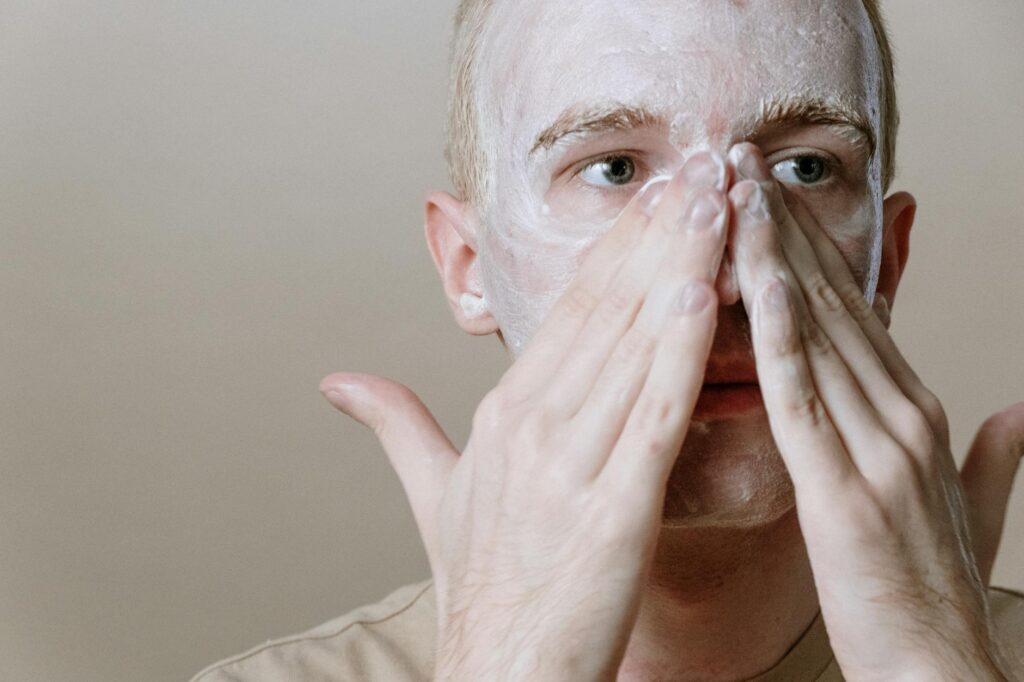
The question of whether touching your face causes more acne breakouts has been debated by dermatologists, skincare enthusiasts, and acne sufferers for decades. The short answer is yes—frequent face touching can contribute to acne formation—but the relationship between this common habit and breakouts is more nuanced than most people realize. Understanding the mechanisms behind this connection can help those struggling with persistent acne make informed decisions about their daily habits and skincare routines. Acne affects approximately 85% of people between the ages of 12 and 24, making it one of the most common skin conditions worldwide.
While hormones, genetics, and diet play significant roles in acne development, environmental factors and personal habits can exacerbate existing conditions or trigger new breakouts. Face touching falls into this category of modifiable behaviors—something within your control that can either help or harm your skin’s condition. The average person touches their face between 16 and 23 times per hour, often unconsciously, which means there are numerous opportunities throughout each day for bacteria, oils, and irritants to transfer from hands to facial skin. This article explores the scientific relationship between face touching and acne breakouts, examining the specific mechanisms that cause problems, identifying which types of touching are most harmful, and providing practical strategies for breaking the habit. By the end, readers will understand not only why this seemingly innocent behavior matters for skin health but also how to implement changes that can lead to clearer, healthier skin over time.
Table of Contents
- Why Does Touching Your Face Lead to Acne Breakouts?
- The Science Behind Bacteria Transfer and Skin Breakouts
- Common Face-Touching Habits That Worsen Acne
- How to Stop Touching Your Face and Prevent Acne Breakouts
- Understanding Acne Mechanica From Repeated Face Contact
- The Role of Hand Hygiene in Managing Facial Acne
- How to Prepare
- How to Apply This
- Expert Tips
- Conclusion
- Frequently Asked Questions
Why Does Touching Your Face Lead to Acne Breakouts?
The connection between touching your face and developing acne breakouts stems from three primary mechanisms: bacterial transfer, oil accumulation, and physical irritation. Human hands are constantly in contact with surfaces that harbor bacteria, including keyboards, doorknobs, phones, and countless other objects encountered throughout daily life. Studies have found that the average hand carries approximately 150 different species of bacteria at any given time. When these bacteria are transferred to facial skin—particularly into pores or around hair follicles—they can contribute to the inflammatory processes that characterize acne. Propionibacterium acnes (P. acnes), the bacterium most directly associated with acne formation, thrives in the sebaceous glands of the skin. While P. acnes naturally exists on everyone’s skin, an overabundance can trigger inflammation and breakouts.
Touching the face doesn’t necessarily introduce P. acnes, but it can introduce other bacteria that disrupt the skin’s microbiome, creating conditions where P. acnes proliferates more aggressively. Additionally, hands naturally produce sebum and may carry residual oils from food, lotions, or other products, all of which can clog pores when transferred to the face. Physical irritation represents another pathway through which face touching causes acne. Repeated touching, rubbing, or pressing on the skin creates what dermatologists call “acne mechanica”—breakouts caused by friction, pressure, or heat. This type of acne is distinct from hormonal or bacterial acne but can occur simultaneously, compounding existing skin problems. The mechanical action of touching can also spread existing acne bacteria from one area of the face to another, effectively seeding new breakouts in previously clear zones.
- Bacterial transfer occurs with every touch, introducing foreign microorganisms to facial skin
- Oil and debris from hands can clog pores and create environments conducive to acne
- Physical friction damages the skin barrier and can spread existing acne-causing bacteria

The Science Behind Bacteria Transfer and Skin Breakouts
Research into bacterial transfer and its relationship to skin breakouts has revealed detailed insights about how this process occurs at the microscopic level. A 2015 study published in the American Journal of Infection control found that hands can transfer viable bacteria to surfaces—and vice versa—within just seconds of contact. The transfer rate varies depending on factors like moisture level, surface texture, and the type of bacteria involved, but even brief contact can move significant bacterial populations from hands to face. The skin’s natural defense system, known as the acid mantle, provides some protection against bacterial invaders. This slightly acidic barrier (with a pH between 4.5 and 5.5) creates an inhospitable environment for many pathogens. However, frequent touching can compromise this barrier in several ways.
Physical disruption from rubbing weakens the acid mantle’s integrity, while oils and residues from hands can alter the skin’s pH. Once the barrier is compromised, bacteria can penetrate more easily into hair follicles and sebaceous glands, where they trigger inflammatory responses. The inflammatory response itself is what creates visible acne lesions. When bacteria enter a pore, the immune system responds by sending white blood cells to the area. This immune response causes redness, swelling, and the formation of pus—the classic characteristics of inflammatory acne. Different bacteria trigger different immune responses, which explains why breakouts from face touching can vary in severity. Some bacteria cause mild, surface-level blemishes, while others can trigger deeper, more painful cystic acne that takes weeks to heal.
- The transfer of bacteria from hands to face takes mere seconds and occurs with every touch
- The skin’s acid mantle provides natural protection but can be compromised by repeated touching
- Inflammatory responses to bacteria create the visible symptoms of acne lesions
Common Face-Touching Habits That Worsen Acne
Certain face-touching behaviors are particularly problematic for acne-prone skin. Resting the chin or cheek on the hand while working, studying, or watching screens ranks among the most common culprits. This position not only transfers bacteria but also creates sustained pressure and friction against the skin, combining two acne-triggering mechanisms simultaneously. Many people unconsciously adopt this posture for hours each day, especially those who work at desks or spend extended time on computers. Picking at existing blemishes represents perhaps the most damaging form of face touching for acne sufferers. While the urge to squeeze or pop pimples can feel irresistible, this behavior almost always worsens the situation.
Squeezing forces bacteria and sebum deeper into the skin, spreads infection to surrounding pores, and damages tissue in ways that can lead to permanent scarring. Dermatologists consistently identify picking as one of the primary behaviors that transforms mild acne into severe, scarring acne. Phone use creates another significant source of face-bacteria contact. Mobile phones are notoriously dirty, with studies showing that the average smartphone carries ten times more bacteria than a toilet seat. When pressed against the cheek during calls, these bacteria transfer directly to acne-prone areas. The warmth generated by the phone against skin also creates an environment where bacteria can thrive. Similarly, habits like rubbing the eyes (which can spread bacteria to the surrounding cheek and forehead areas) and touching the nose or mouth contribute to bacterial distribution across the face.
- Resting the face on hands combines bacterial transfer with mechanical pressure
- Picking at blemishes spreads bacteria deeper into skin and to surrounding areas
- Phone use transfers significant bacterial populations directly to the face

How to Stop Touching Your Face and Prevent Acne Breakouts
Breaking the habit of touching your face requires a combination of awareness-building and practical strategies. The first step involves recognizing when and why face touching occurs. For many people, the behavior is tied to specific triggers: stress, boredom, concentration, or discomfort. Keeping a simple log for a few days—noting each time you catch yourself touching your face and what you were doing or feeling at the time—can reveal patterns that inform targeted interventions. Physical barriers and reminders can help interrupt the automatic nature of face touching. Some people find success wearing gloves while working, which both protects the face and creates awareness each time the hand moves toward it.
Others use adhesive bandages on fingertips as tactile reminders. Keeping hands occupied with stress balls, fidget devices, or other objects can redirect the physical urge to touch. Environmental modifications, such as positioning a mirror at your desk where you can see yourself, create visual feedback that increases awareness of the behavior. Building alternative habits to replace face touching addresses the underlying needs that the behavior serves. If touching occurs during concentration, developing a different concentration gesture—such as clasping hands together or touching a non-facial body part—can satisfy the physical urge without skin contact. If stress triggers the behavior, implementing stress-management techniques like deep breathing or brief movement breaks can reduce the urge at its source. The goal is not simply to suppress face touching but to replace it with behaviors that meet the same needs without harming the skin.
- Identify personal triggers by tracking when and why face touching occurs
- Use physical barriers and visual reminders to interrupt automatic touching
- Develop alternative habits that meet underlying needs without skin contact
Understanding Acne Mechanica From Repeated Face Contact
Acne mechanica differs from standard acne vulgaris in its underlying cause, though the two conditions often coexist and can be difficult to distinguish. While acne vulgaris results primarily from hormonal factors affecting sebum production and bacterial colonization, acne mechanica develops from external physical forces applied to the skin. Athletes frequently experience this condition from helmets, chin straps, and other sports equipment, but anyone who regularly touches, rubs, or applies pressure to their face can develop it. The mechanism behind acne mechanica involves several physiological responses to physical stress on the skin. Friction generates heat and irritation, which stimulates increased sebum production as the skin attempts to protect itself. Simultaneously, pressure compresses pores and hair follicles, trapping sebum and dead skin cells that would otherwise be shed naturally.
This combination creates the blocked pores that form the foundation for acne lesions. Repeated touching also damages the stratum corneum—the outermost layer of skin—making it more permeable to bacteria and irritants. Recognizing acne mechanica is important because its treatment differs somewhat from standard acne approaches. While both conditions benefit from proper cleansing and acne-fighting ingredients, acne mechanica requires the additional step of identifying and eliminating the source of friction or pressure. For face-touching-related mechanica, this means addressing the habit itself rather than relying solely on topical treatments. Many people find that their acne improves significantly once they reduce face touching, even without changes to their skincare routine.
- Acne mechanica results from friction and pressure rather than hormonal factors
- Physical stress triggers increased sebum production while compressing pores
- Treatment requires addressing the source of friction alongside topical approaches

The Role of Hand Hygiene in Managing Facial Acne
Hand hygiene serves as a crucial secondary defense for those who struggle to eliminate face touching entirely. While reducing face contact should remain the primary goal, maintaining clean hands minimizes the harm when touching does occur. Effective hand hygiene involves more than occasional washing—it requires understanding which situations demand immediate cleaning and which products work best for different contexts. The timing of handwashing matters significantly for facial acne prevention. Hands should be washed before any intentional face contact, such as applying skincare products or removing makeup. However, they should also be cleaned after activities that introduce significant contamination: using the restroom, handling money, touching shared surfaces in public spaces, preparing food, or using electronic devices.
For those who touch their faces unconsciously, building a habit of frequent handwashing throughout the day—perhaps every hour or two—reduces the bacterial load available for transfer during unintentional touches. Not all hand-cleaning methods are equally effective, and some may introduce new problems. Antibacterial soaps, while marketed for germ elimination, can disrupt the hand’s natural microbiome and may contribute to antibiotic resistance without providing superior protection. Plain soap with thorough washing technique (twenty seconds of friction, attention to fingertips and between fingers) removes bacteria effectively. Hand sanitizers containing at least 60% alcohol work well when soap is unavailable but should not replace washing entirely, as they cannot remove physical debris. For acne-prone individuals, avoiding heavily fragranced or oil-based hand products prevents transferring potential pore-clogging ingredients to the face.
How to Prepare
- **Conduct a personal habit audit** by spending three to five days tracking every instance of face touching you notice. Use a tally system on paper or a smartphone app to record frequency, location on the face, and circumstances. This baseline data reveals your most problematic behaviors and highest-risk situations, allowing you to focus intervention efforts where they will have the greatest impact.
- **Prepare your physical environment** by cleaning and organizing spaces where you spend significant time, particularly work desks and frequently touched surfaces. Stock these areas with hand sanitizer, tissues, and alternative fidget objects. Position mirrors at eye level near your workspace to provide visual feedback. Remove or reposition objects that might encourage face-resting postures, such as placing keyboard and monitor at heights that promote better posture.
- **Assemble your skincare toolkit** with products that address both bacterial control and barrier repair. A gentle cleanser with salicylic acid or benzoyl peroxide helps address bacteria, while a non-comedogenic moisturizer supports barrier function. Having these products ready ensures you can maintain proper skincare even on days when your touching-reduction efforts are less successful.
- **Set up accountability systems** by informing family members, roommates, or coworkers about your goal. Ask them to gently point out when they notice you touching your face. Consider using app-based reminders or alarms throughout the day to prompt awareness checks. Some people find success with habit-tracking apps that allow them to record daily progress.
- **Plan for high-risk situations** by identifying scenarios where face touching is most likely (meetings, studying, watching TV) and developing specific strategies for each. This might include keeping hands occupied during meetings, using a standing desk during study sessions, or holding a pillow while watching television.
How to Apply This
- **Begin each morning with intention-setting** by briefly reviewing your goal and the specific situations you expect to encounter that day. Apply your skincare products with freshly washed hands, using this ritual as an opportunity to practice mindful face contact. This mental preparation primes your awareness for the hours ahead.
- **Use strategic checkpoints throughout the day** to reset your awareness. Common checkpoints include arriving at work, returning from lunch, and starting any new activity. At each checkpoint, sanitize hands, take a moment to notice any tension or urges to touch your face, and recommit to your goal. These regular resets prevent lapses in awareness from compounding throughout the day.
- **Respond to slip-ups with correction rather than criticism** by immediately washing or sanitizing your hands after noticing unintentional face touching, then briefly noting the circumstances that led to the touch. This information improves your understanding of triggers without creating negative emotional associations that can undermine long-term habit change.
- **End each day with a brief review** of your successes and challenges. Note any new triggers you discovered, strategies that worked particularly well, and situations that remain difficult. Update your tracking system and, if needed, adjust your approach for the following day. This reflective practice accelerates learning and maintains motivation over time.
Expert Tips
- **Clean your phone daily** using appropriate electronic-safe disinfectant wipes, and consider using speakerphone or earbuds for calls to eliminate face contact entirely. The combination of reduced touching and cleaner devices can produce noticeable improvements within weeks.
- **Replace face touching with ear touching** when you need a physical self-soothing gesture. The ears are far from acne-prone areas and can satisfy the tactile need without transferring bacteria to the face. This substitution is easier to adopt than eliminating touching behavior entirely.
- **Apply skincare products using tools rather than fingers** whenever possible. Clean cotton pads, silicone applicators, and spatulas reduce hand-to-face contact during your routine. This practice has the added benefit of maintaining product hygiene in jars and containers.
- **Address underlying skin discomfort** that may trigger touching urges. Dry, itchy, or irritated skin prompts unconscious scratching and rubbing. Maintaining proper hydration with a non-comedogenic moisturizer reduces these urges at their source.
- **Create physical distance from your face** when concentration tempts you to rest your chin on your hand. Sitting slightly further from your desk, using a document holder to keep reading materials at eye level, or working at a standing desk can eliminate the postures that lead to prolonged face contact.
Conclusion
The relationship between touching your face and experiencing acne breakouts is supported by substantial scientific evidence and clinical observation. From bacterial transfer to mechanical irritation to oil accumulation, multiple pathways connect this common habit to the formation and worsening of acne lesions. Understanding these mechanisms empowers acne sufferers to address a modifiable factor in their condition—one that requires no expensive products or professional treatments to change.
Breaking the face-touching habit presents challenges, given its unconscious and deeply ingrained nature for most people. However, the strategies outlined in this article—from awareness tracking to environmental modification to alternative habit development—provide a practical roadmap for change. Combined with appropriate hand hygiene and a consistent skincare routine, reducing face touching can produce meaningful improvements in acne severity for many individuals. While this single change will not cure acne for everyone, it removes one significant contributing factor and creates a foundation for other interventions to work more effectively.
Frequently Asked Questions
How long does it typically take to see results?
Results vary depending on individual circumstances, but most people begin to see meaningful progress within 4-8 weeks of consistent effort. Patience and persistence are key factors in achieving lasting outcomes.
Is this approach suitable for beginners?
Yes, this approach works well for beginners when implemented gradually. Starting with the fundamentals and building up over time leads to better long-term results than trying to do everything at once.
What are the most common mistakes to avoid?
The most common mistakes include rushing the process, skipping foundational steps, and failing to track progress. Taking a methodical approach and learning from both successes and setbacks leads to better outcomes.
How can I measure my progress effectively?
Set specific, measurable goals at the outset and track relevant metrics regularly. Keep a journal or log to document your journey, and periodically review your progress against your initial objectives.
When should I seek professional help?
Consider consulting a professional if you encounter persistent challenges, need specialized expertise, or want to accelerate your progress. Professional guidance can provide valuable insights and help you avoid costly mistakes.
What resources do you recommend for further learning?
Look for reputable sources in the field, including industry publications, expert blogs, and educational courses. Joining communities of practitioners can also provide valuable peer support and knowledge sharing.