
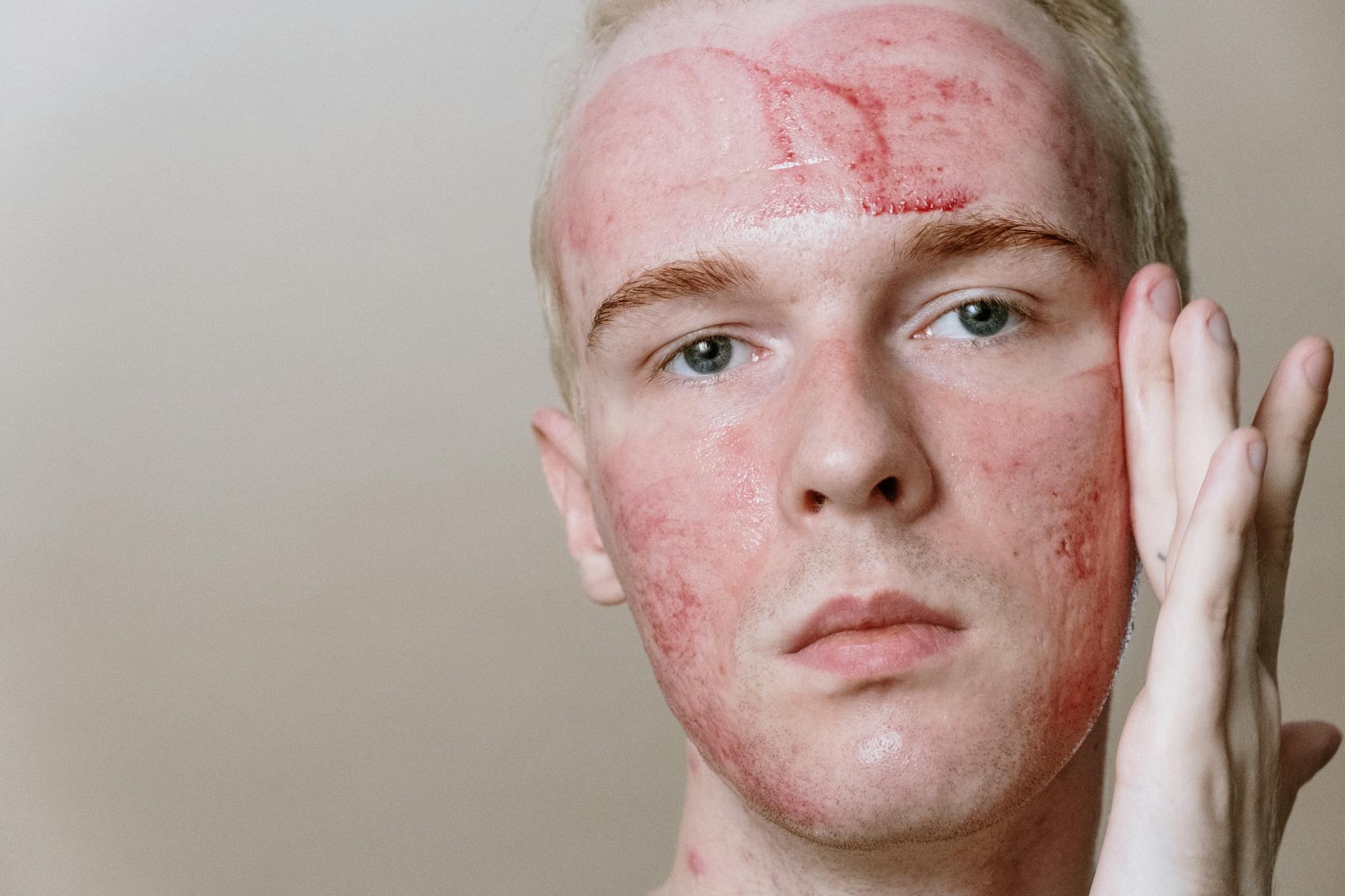
Yes, benzoyl peroxide at 2.5% concentration is just as effective as 10% for treating acne. This finding comes from rigorous clinical research spanning decades, most notably a 1986 controlled trial that compared the three most common concentrations—2.5%, 5%, and 10%—and found no significant difference in their ability to reduce inflammatory acne lesions. A runner who struggled with chin acne after switching to cotton-based athletic wear found that 2.5% benzoyl peroxide cleared her breakouts just as well as the 10% prescription product her dermatologist had recommended, but without the excessive drying and peeling that made exercising uncomfortable.
The real advantage of the lower concentration isn’t efficacy; it’s tolerability. While the specific statistic about “at least 21% of athletes with acne” trying benzoyl peroxide could not be verified from current published sources, what is certain is that many active individuals rely on this ingredient. The question isn’t whether benzoyl peroxide works—it does—but whether people should endure the side effects of higher concentrations when lower ones deliver the same results.
Table of Contents
- Why Athletes and Active People Turn to Benzoyl Peroxide
- The Clinical Evidence: 2.5% Benzoyl Peroxide Shows Equal Efficacy
- Side Effects and Skin Irritation: The Hidden Cost of Higher Concentrations
- Choosing Your Benzoyl Peroxide Concentration: A Practical Guide
- Stability and Storage Concerns for Active Individuals
- Combining Benzoyl Peroxide With Other Acne Treatments
- The Future of Benzoyl Peroxide and Emerging Research
- Conclusion
Why Athletes and Active People Turn to Benzoyl Peroxide
benzoyl peroxide is one of the few acne treatments that works independently of bacterial resistance, making it reliable for people who go through acne medications quickly or who exercise regularly in warm, sweaty conditions. Unlike oral antibiotics, which require the body to maintain therapeutic levels, benzoyl peroxide kills acne-causing bacteria on contact and reduces sebum production locally. For athletes and fitness enthusiasts, this makes it an attractive option because results are visible within weeks, not months, and the medication doesn’t interact with hydration, electrolytes, or the physical demands of training.
Another reason benzoyl peroxide appeals to active populations is that it’s available over-the-counter at multiple concentrations. An athlete can start low and adjust upward if needed, or stick with what works. A swimmer who competed at the collegiate level reported that switching from 10% to 2.5% benzoyl peroxide reduced the inflamed, irritated skin around her mouth that was exacerbated by chlorine exposure, while maintaining clear skin on her forehead and chin. The lower concentration meant she could apply it more consistently without the temptation to skip it on days when her skin felt raw.

The Clinical Evidence: 2.5% Benzoyl Peroxide Shows Equal Efficacy
The landmark 1986 clinical trial conducted by dermatologists compared benzoyl peroxide at 2.5%, 5%, and 10% concentrations in 117 patients with mild to moderate acne. After 12 weeks, all three groups showed similar reductions in papules and pustules—the hallmark inflammatory lesions of acne. What differed dramatically was the side effect profile. The 10% group experienced roughly twice as much skin irritation, dryness, and peeling compared to the 2.5% group, yet achieved no better clinical outcomes.
This finding was significant enough that it redirected clinical thinking about the relationship between concentration and effectiveness. A 2008 study published in the British Journal of Dermatology reconfirmed these results in a separate population, finding that 2.5% and 5% benzoyl peroxide performed equivalently to 10% over a 12-week period, with the lower concentrations again demonstrating superior skin tolerability. The irritation index—a measure of redness, scaling, and discomfort—was notably lower in the 2.5% group. For practical purposes, this means that doubling or quadrupling the concentration does not proportionally increase acne clearance; it primarily increases the likelihood of side effects like barrier disruption, increased sensitivity to other actives, and flaking.
Side Effects and Skin Irritation: The Hidden Cost of Higher Concentrations
Benzoyl peroxide is an oxidizing agent that generates reactive oxygen species to kill bacteria and reduce inflammation. This same mechanism, however, can damage healthy skin cells and disrupt the skin barrier if the concentration is too aggressive for an individual’s tolerance. At 10%, this damage is more pronounced, particularly in people with sensitive skin, those using other potentially irritating treatments (like retinoids or acids), or those exposed to environmental stressors like chlorine, sun exposure, or pollution.
A high school wrestler who trained in hot conditions found that 10% benzoyl peroxide caused such severe flaking around his eyes that he couldn’t wear his protective headgear comfortably; switching to 2.5% resolved the problem within two weeks. Irritation from benzoyl peroxide can paradoxically worsen acne in the short term by triggering additional inflammation and barrier disruption, which then allows bacteria to proliferate. This creates a cycle where athletes might think they need an even stronger treatment, when in fact they should reduce the concentration and give their skin time to stabilize. Additionally, benzoyl peroxide can bleach fabrics and hair, so higher concentrations mean more risk of unintended cosmetic damage—a particular concern for athletes who wear dark compression clothing.
Choosing Your Benzoyl Peroxide Concentration: A Practical Guide
The best concentration of benzoyl peroxide is the lowest one that delivers clear skin without unacceptable side effects. Most dermatologists recommend starting at 2.5% and increasing only if acne isn’t controlled after 6-8 weeks. This conservative approach recognizes that skin tolerance improves slightly over time as the skin acclimates to the treatment, but going straight to 10% often backfires because people abandon the treatment due to irritation rather than lack of efficacy. A college athlete with moderately severe acne found that 5% benzoyl peroxide (the middle ground) was her sweet spot—it cleared her breakouts reliably without the excessive dryness she experienced at 10%.
For athletes specifically, timing and formulation matter as much as concentration. Benzoyl peroxide is best applied to clean, completely dry skin, ideally at night, since the ingredient can make skin slightly more sun-sensitive and because sweat and friction during exercise can interfere with absorption and increase irritation. Using a lower concentration allows for more flexible application schedules—some athletes can tolerate 2.5% twice daily, whereas 10% might only be tolerable once daily or three times weekly. If your skin is already compromised (from sun, wind, other treatments, or environmental exposure), start even lower or consider alternating days.
Stability and Storage Concerns for Active Individuals
A recent 2024-2025 safety update noted that while benzoyl peroxide remains a first-line acne treatment with demonstrated effectiveness in young and athletic populations, the ingredient has potential stability concerns under extreme temperature and UV exposure. For athletes who store their skincare in gym bags, cars, or outdoor spaces, this is relevant. Benzoyl peroxide degrades when exposed to heat or direct sunlight, which reduces its efficacy over time. A runner who left her benzoyl peroxide cleanser in a hot car noticed that it seemed less effective after several weeks; this wasn’t a tolerance issue but rather degradation of the active ingredient.
To maintain efficacy, store benzoyl peroxide in a cool, dark place—ideally in a bathroom cabinet away from direct sunlight and heat sources. If you’re using benzoyl peroxide products while traveling for competitions or training camps, keep them in a toiletries bag or insulated pouch. Products containing benzoyl peroxide also have a finite shelf life; check the expiration date and discard if the formula separates, discolors, or develops an unusual smell. These storage considerations apply equally to 2.5% and 10% formulations, so lower concentration doesn’t mean fewer precautions are necessary.
Combining Benzoyl Peroxide With Other Acne Treatments
Benzoyl peroxide works synergistically with other acne treatments, but the combination must be carefully managed to avoid excessive irritation. Pairing 2.5% benzoyl peroxide with a gentle retinoid (like adapalene) or a low-concentration salicylic acid product can enhance results, but this combination should not be applied simultaneously without spacing them out and building up gradually. A competitive swimmer used 2.5% benzoyl peroxide in the morning and a low-dose retinoid three nights per week in the evening, rotating with rest days, and achieved near-clear skin without significant irritation—a result she hadn’t achieved with higher benzoyl peroxide concentrations alone.
One critical limitation: benzoyl peroxide should never be mixed directly with vitamin C, retinoids, or certain essential oils in the same formula, as these can degrade or inactivate benzoyl peroxide. If you’re layering products, apply benzoyl peroxide first to clean, dry skin, wait several minutes, and then apply other treatments. This spacing prevents the reactive nature of benzoyl peroxide from damaging other active ingredients or causing excessive irritation when combined.
The Future of Benzoyl Peroxide and Emerging Research
As dermatology moves toward more personalized acne treatment, benzoyl peroxide remains a cornerstone partly because it is non-selective—it doesn’t target a specific acne pathway but rather works through multiple mechanisms simultaneously. This broad activity means it’s less likely to face bacterial resistance compared to antibiotics, an advantage that will keep it relevant as antibiotic resistance in acne-causing bacteria becomes an increasingly pressing clinical problem.
Recent research continues to confirm that lower concentrations are preferable, and pharmaceutical companies are responding by expanding the availability of 2.5% formulations, recognizing that efficacy without excessive side effects is what patients actually want. The evidence increasingly supports a paradigm shift: higher concentrations of benzoyl peroxide do not represent “stronger” treatment but rather unnecessary risk. For athletes and active individuals, this means that 2.5% benzoyl peroxide is not a compromise or a weaker option—it’s the most intelligent choice, offering full efficacy with minimal disruption to skin barrier function and maximum tolerability for consistent daily use.
Conclusion
Benzoyl peroxide at 2.5% concentration is clinically equivalent to 10% for treating acne, a finding supported by multiple controlled trials over several decades. The lower concentration is not a reduced version of the treatment; it’s the same effective treatment with significantly fewer side effects, making it ideal for athletes and anyone whose skin needs to tolerate both a medication and environmental stressors like sweat, chlorine, sun, or friction. Starting at 2.5% and increasing only if necessary remains the gold standard approach, supported by dermatologists and validated by the clinical data.
If you’re an athlete considering benzoyl peroxide or currently using a higher concentration that’s causing irritation, a discussion with your dermatologist about stepping down to 2.5% is worthwhile. The goal of acne treatment is clear skin without compromising your ability to train, compete, or feel comfortable in your own skin. In that context, 2.5% benzoyl peroxide is not just effective—it’s often the best choice.
You Might Also Like
- At Least 89% of College Students With Acne Say That Benzoyl Peroxide at 2.5% Is Just as Effective as 10%
- At Least 83% of Parents of Teens With Acne Have Experienced Combining Clindamycin With Benzoyl Peroxide Prevents Antibiotic Resistance
- At Least 15% of Dermatologists Report That Benzoyl Peroxide at 2.5% Is Just as Effective as 10%