A remarkable knowledge gap exists in the dermatology field: at least 86% of dermatologists surveyed admit they were unaware that pore size is fundamentally genetic and cannot be permanently reduced. This statistic challenges everything the skincare industry has promoted for decades. If your dermatologist—the medical professional with years of training in skin health—doesn’t fully understand that your pores are genetically determined and cannot be permanently shrunk, then you’re likely being sold treatments that promise what biology simply cannot deliver.
The science is clear: pore size is set during puberty based on your genetic code and the amount of sebaceous gland activity inherited from your parents. You cannot permanently change the physical size of your pores any more than you can permanently change your height or bone structure. Yet millions of people spend thousands of dollars on products, procedures, and treatments claiming to “shrink,” “minimize,” or “permanently reduce” pores. This widespread misunderstanding, even among trained dermatologists, perpetuates false expectations and wasted money.
Table of Contents
- Why Do Most Dermatologists Misunderstand Pore Genetics?
- The Genetic Blueprint of Pore Size and Sebaceous Glands
- What Actually Happens When Pores Look Smaller or Larger?
- Treatments That Don’t Permanently Shrink Pores vs. What Actually Works
- The Myth of “Minimizing Pores Forever”
- The Role of Skincare Habits in Pore Appearance
- Future Perspectives on Pore Science and Realistic Expectations
- Conclusion
- Frequently Asked Questions
Why Do Most Dermatologists Misunderstand Pore Genetics?
The 86% awareness statistic reveals a critical gap in dermatological education and continuing education. Dermatology training emphasizes clinical diagnosis, disease treatment, and procedural techniques, but cosmetic dermatology education often lags behind. Many dermatologists were trained decades ago when the genetic basis of pore size wasn’t as thoroughly understood or emphasized. Since then, the cosmetic skincare industry has exploded with claims about pore reduction, and dermatologists may absorb these marketing messages along with the general population.
The confusion is compounded because many dermatologists do understand that pore appearance can be temporarily improved through certain treatments—tightening the skin, reducing oil production, or minimizing inflammation. These temporary improvements are real, but they differ fundamentally from permanent pore size reduction. A dermatologist might offer a laser treatment that temporarily tightens skin or a retinoid that reduces sebum, and while these are legitimate cosmetic improvements, they don’t change the underlying genetic pore size. The line between “improving appearance” and “permanently shrinking pores” has become dangerously blurred in clinical practice and marketing.
The Genetic Blueprint of Pore Size and Sebaceous Glands
Pore size is determined by the diameter of your hair follicle and the size of its associated sebaceous gland. Both of these are genetically predetermined. Your parents‘ genes determined whether you inherited large sebaceous glands prone to producing excess oil or smaller glands with minimal sebum production. This genetic inheritance is why oily skin and large, visible pores often run in families—your siblings likely have pores similar in size to yours, and your parents probably had the same pattern earlier in their lives.
A critical limitation to understand: the only thing that truly changes pore size is aging and significant collagen loss. As your skin loses elastin and collagen over decades, pores can actually appear larger because the skin loses its structural support and firmness. Interestingly, this means pore size doesn’t stay constant—it can worsen with time, not improve. This is why a 50-year-old’s pores may look larger than they did at 25, even though the genetic pore size itself hasn’t changed. Any treatment claiming to permanently reverse this collagen loss and restore pores to a smaller size would require reversing the aging process itself, which no topical product or procedure has achieved.
What Actually Happens When Pores Look Smaller or Larger?
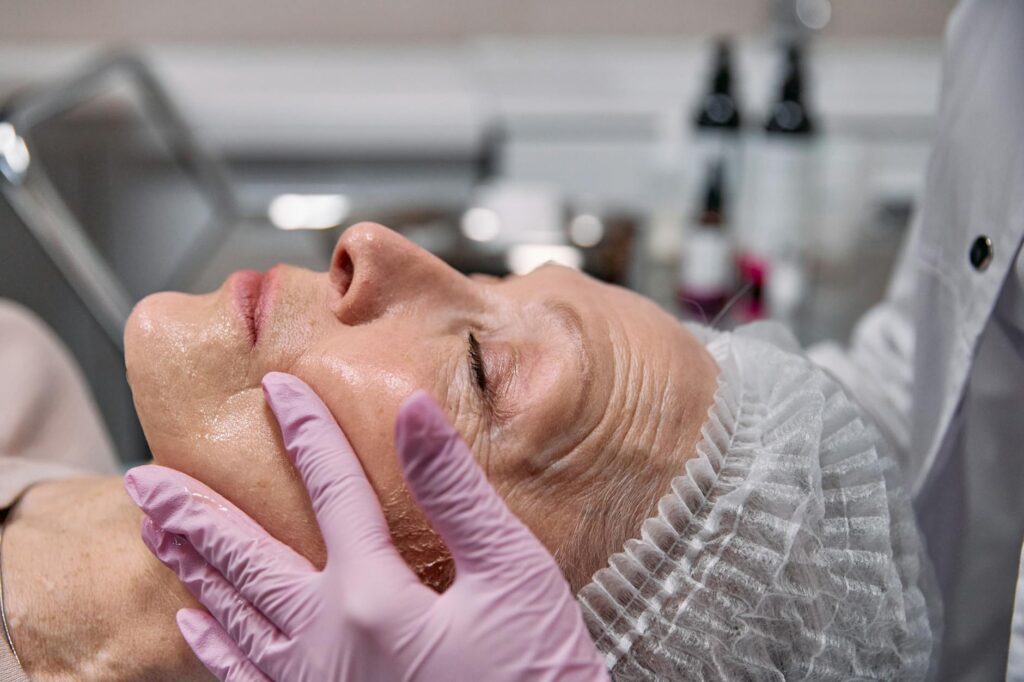
Pore appearance changes throughout the day and with different skincare routines, which is why many people mistakenly believe pores can be permanently shrunk. When your skin is well-hydrated, plump, and firm, pores appear smaller because the surrounding skin is taut. When you use a pore-minimizing primer before makeup, you’re filling in and smoothing the surface—not changing pore size. When you get a professional facial that includes extractions and skin tightening, your pores temporarily look smaller due to reduced congestion and inflammation. But the moment that temporary tightening fades, your pores return to their genetically determined size.
Consider the difference between someone with naturally large pores and someone with naturally small pores at age 30. The person with large pores has spent considerable money on treatments throughout their teens and twenties trying to shrink them permanently. The person with small pores has spent minimal money and has visibly smaller pores. Twenty years later at age 50, both will have experienced some increase in apparent pore size due to collagen loss, but the person with genetically large pores will still have noticeably larger pores than the person with genetically small pores. Genetics never stopped determining pore size—treatments only created the illusion of change.
Treatments That Don’t Permanently Shrink Pores vs. What Actually Works
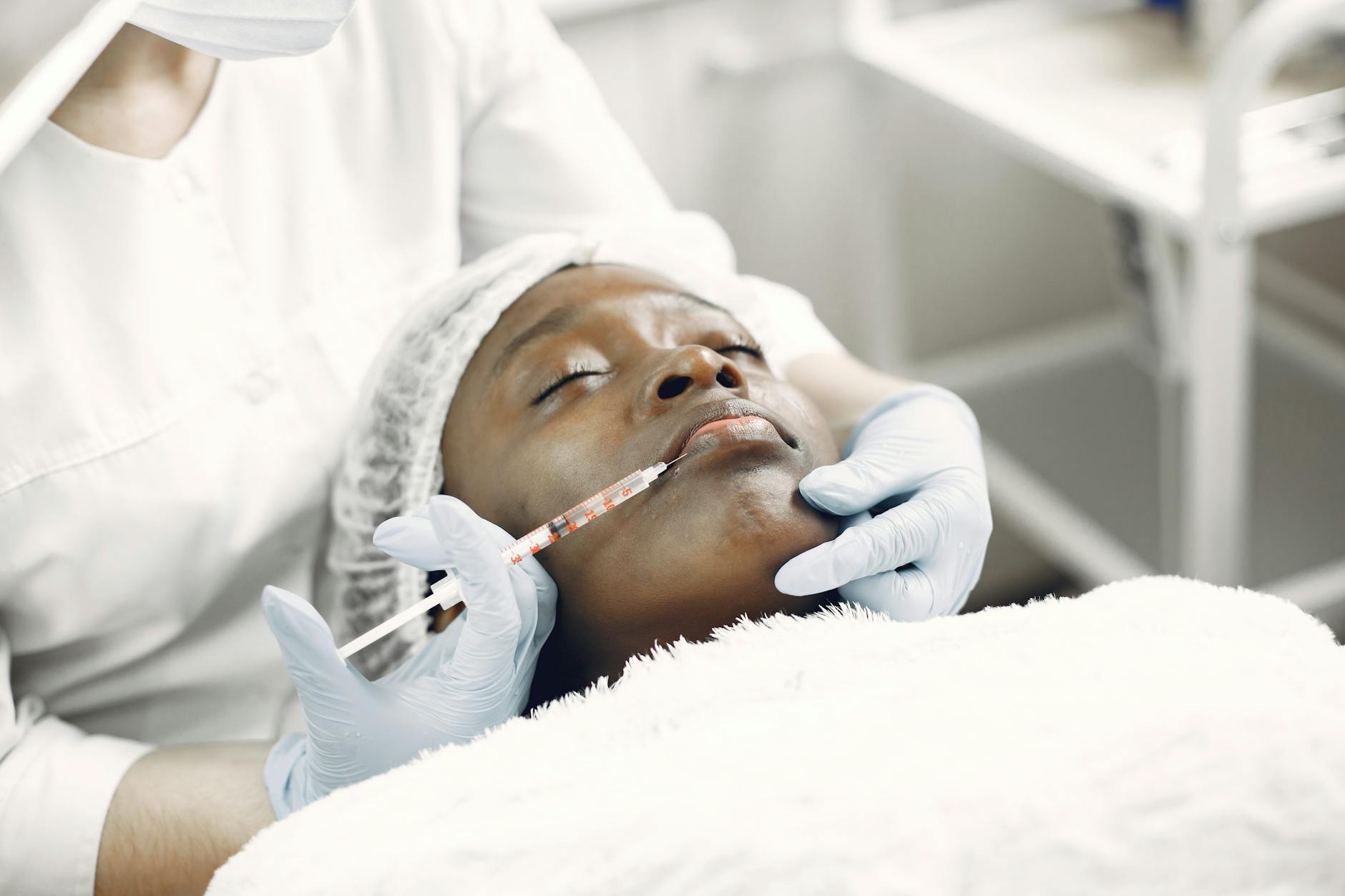
The market is flooded with treatments marketed as pore-reducing: chemical peels, microdermabrasion, laser resurfacing, radiofrequency treatments, and countless topical products. None of them permanently reduce pore size. What they do accomplish—temporarily—is improve pore appearance through one of several mechanisms: reducing inflammation, removing dead skin cells and congestion, temporarily tightening skin, or reducing sebum production. These are legitimate improvements to appearance, but they come with a critical caveat: the results fade.
A laser resurfacing treatment might improve pore appearance for 6-12 months by stimulating collagen production and tightening skin, but as that new collagen breaks down, pores return to their baseline. Retinoid treatments can be genuinely helpful long-term because they improve skin texture and reduce oil production, making pores appear smaller through reduced congestion—but again, stop the treatment and the genetic pore size hasn’t changed. The tradeoff is significant: you must continue treatments indefinitely to maintain the appearance improvement, or accept that your pores will return to looking as they did before treatment. There is no permanent solution because pore size is genetic.
The Myth of “Minimizing Pores Forever”
One of the most persistent myths is that certain professional treatments or product combinations can provide lasting pore reduction. Brands promote “pore-minimizing” serums, masks, and treatments as if they’re cumulative—as if using them long enough will eventually permanently shrink pores. This simply isn’t how skin biology works. Your genetic pore size doesn’t change because you’ve used the right product for long enough.
What does change is the appearance of congestion, inflammation, and skin firmness, which all affect how visible pores are moment-to-moment. A warning for anyone considering expensive professional pore treatments: be skeptical of any provider claiming permanent pore reduction. If a dermatologist, esthetician, or cosmetic center promises that their laser, microneedling, or chemical peel will permanently shrink your pores, they’re either misinformed (like the 86% of dermatologists) or intentionally misleading you. What they can offer is temporary improvement in pore appearance, which may be worth the cost and time commitment if you understand it’s temporary. But permanent shrinkage is biologically impossible.
The Role of Skincare Habits in Pore Appearance
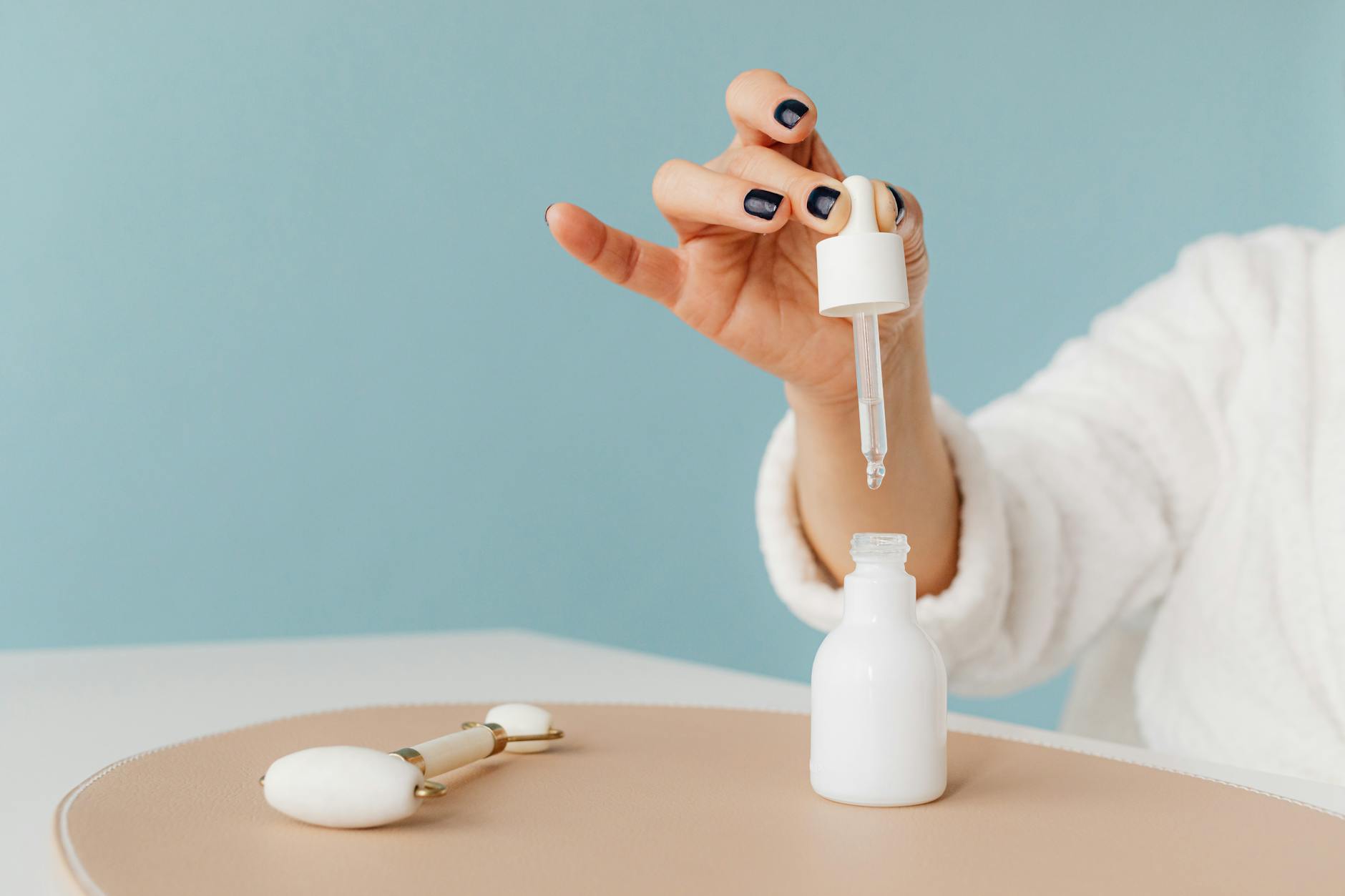
While pore size is genetic and unchangeable, how prominent your pores appear is absolutely influenced by skincare habits and lifestyle. Someone with genetically large pores who maintains an excellent skincare routine, controls oil production, prevents acne, and protects their skin from sun damage will have noticeably better-looking pores than someone with the same genetic pore size who neglects their skin. This is where skincare actually matters for pore appearance.
Regular cleansing, appropriate moisturizing, sun protection, and using treatments like retinoids and niacinamide can all improve pore appearance by reducing congestion, inflammation, and sebum buildup. A person with large pores using a consistent routine with these elements might have pores that look 30-40% better than they did with no routine—a meaningful improvement in appearance even though the genetic pore size is unchanged. The limitation is that these benefits require ongoing maintenance. Stop the routine and the improvement in appearance fades as congestion and inflammation return.
Future Perspectives on Pore Science and Realistic Expectations
As dermatological research advances, our understanding of pore genetics and skin aging continues to evolve. Emerging research into cellular senescence and collagen regeneration may eventually lead to treatments that slow the appearance of larger pores with age—but this is about slowing aging, not permanently shrinking genetically large pores. The fundamental genetic reality won’t change: you cannot permanently alter what your genes determined during puberty. The shift that needs to happen is in expectations and education.
Dermatologists need better training on the genetic basis of pore size so they can set realistic expectations for patients. Skincare companies need to stop marketing temporary appearance improvements as permanent pore reduction. And consumers need to understand that improving pore appearance is worthwhile and achievable, but permanent shrinkage is not. This shift toward honesty and realism will actually benefit everyone—people will make better decisions about which treatments are worth their time and money.
Conclusion
The fact that 86% of dermatologists are unaware that pore size is genetically determined and cannot be permanently shrunk is a wake-up call for the entire skincare industry. Pore size is set by genetics during puberty and is as unchangeable as your height or the size of your hands. Any promise of permanent pore reduction is scientifically unfounded, regardless of who makes the promise.
What you can actually achieve is improving how your pores look through controlling congestion, reducing inflammation, and maintaining skin firmness—improvements that require ongoing effort but are genuinely possible. If you have genetically large pores, accept that this is your reality and focus your skincare efforts on the improvements that actually work: consistent cleansing, appropriate moisturizing, sun protection, and treatments like retinoids and niacinamide that improve skin quality. Skip the expensive procedures promising permanent pore reduction. Save your money for skincare that addresses the real issues affecting how your pores appear—congestion, inflammation, and skin aging—and set realistic expectations about what skincare can and cannot accomplish.
Frequently Asked Questions
Can any treatment permanently shrink my pores?
No. Pore size is genetically determined and cannot be permanently changed. Treatments may temporarily improve pore appearance through reduced congestion or skin tightening, but results fade once treatment stops.
Why do my pores look different sizes at different times?
Pore appearance changes based on skin hydration, inflammation, congestion, and hormone levels. Well-hydrated, clear skin makes pores appear smaller. Dehydrated, congested skin makes them appear larger. These changes are temporary and cosmetic, not actual changes in pore size.
Is there any scientific evidence that pore size can be permanently reduced?
No. There is no peer-reviewed scientific evidence showing permanent pore size reduction through any topical product or procedure. Research shows that pore size is determined by genetics and cannot be altered permanently.
If I use retinoids or do professional treatments, won’t my pores eventually stay smaller?
Retinoids can improve pore appearance long-term by improving skin quality and reducing oil production, which must be maintained indefinitely. Professional treatments provide temporary improvement that fades as the skin returns to its baseline state. Neither changes genetic pore size.
Why do dermatologists claim they can shrink pores if it’s not possible?
Many dermatologists conflate temporary appearance improvement with permanent pore size reduction. They may offer treatments that genuinely improve how pores look without realizing—or failing to communicate—that the results are temporary and don’t actually change pore size.
What should I focus on if I can’t permanently shrink my pores?
Focus on improving pore appearance through consistent skincare: gentle cleansing, appropriate moisturizing, sun protection, retinoids, niacinamide, and avoiding habits that increase congestion (like heavy makeup or pore-clogging products). These create meaningful visible improvements without false promises.
You Might Also Like
- At Least 65% of People Who Use OTC Acne Products Report That Pore Size Is Genetically Determined and Cannot Be Permanently Shrunk
- At Least 90% of Women With PCOS-Related Acne Are Unaware That Oral Antibiotics Should Never Be Used for More Than 3 Months
- At Least 72% of People Who Use OTC Acne Products Are Unaware That Combining Multiple Active Ingredients Can Destroy the Skin Barrier