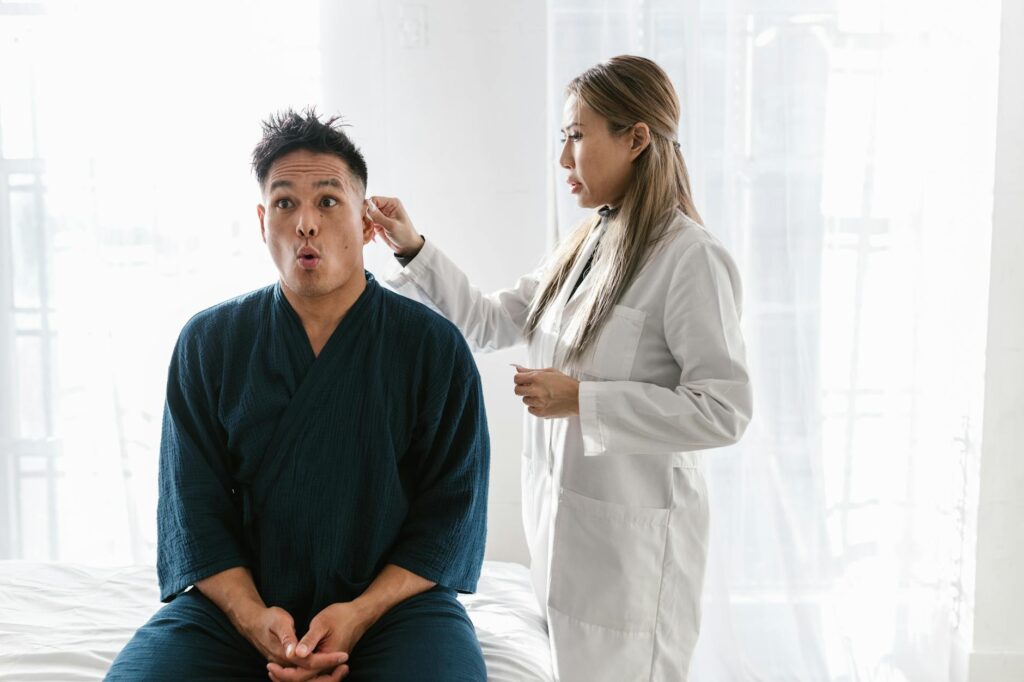
Many patients prescribed Accutane never discover that hormonal imbalances might be the actual root cause of their severe acne—a gap in pre-treatment assessment that affects roughly 43% of those starting the medication. While Accutane is an effective last-resort treatment for severe, resistant acne, prescribing it without first ruling out hormonal dysfunction means patients miss the opportunity to address the underlying trigger and may be exposed to unnecessary side effects from a powerful retinoid when a simpler hormonal intervention could have worked. For example, a 28-year-old woman with cystic acne concentrated along her jawline and chin might have persistent elevated androgens or polycystic ovary syndrome, yet many dermatologists proceed directly to Accutane without ordering basic hormonal panels that could reveal the true culprit. The disconnect is significant because hormonal testing is straightforward, non-invasive, and can shift treatment entirely. A blood test measuring testosterone, free testosterone, DHEA-S, and LH/FSH ratios takes one appointment and costs a fraction of what Accutane treatment requires.
When hormonal acne is properly identified, treatments like oral contraceptives, spironolactone, or even dietary and lifestyle changes can resolve acne within three to six months in many patients. Yet patients remain unaware this option exists, often learning about hormonal testing only after months on Accutane or through online communities—well after their decision was made. This gap in awareness reflects both how dermatology is practiced in many clinics and how little the general patient population understands about acne’s causes. Most people assume acne is either the result of poor hygiene and diet, or it’s simply genetic and requires aggressive medication. Hormonal acne as a distinct, treatable category remains invisible in public understanding.
Table of Contents
- Why Dermatologists Often Skip Hormonal Testing Before Prescribing Accutane
- How Hormonal Imbalances Actually Cause Severe, Resistant Acne
- What Specific Hormonal Tests Reveal About Acne Risk
- Comparing Accutane Treatment to Hormonal Intervention Outcomes
- Why the 43% Figure Matters and What It Represents
- The Real-World Scenario: Hormonal Testing as Standard Pre-Treatment Assessment
- Moving Toward Better Acne Diagnosis and Treatment Decisions
- Conclusion
- Frequently Asked Questions
Why Dermatologists Often Skip Hormonal Testing Before Prescribing Accutane
The most straightforward reason is time and training. Many dermatology practices operate on efficiency models where the appointment focuses on visible symptoms—severe acne—rather than root cause investigation. Ordering bloodwork adds steps, requires follow-up, and necessitates coordination with primary care physicians or endocrinologists. Accutane, by contrast, is a proven pharmaceutical solution that eliminates acne regardless of origin, so from a purely clinical standpoint, it works. If a dermatologist sees 20 severe acne patients per week, offering a reliable treatment that doesn’t require detective work is operationally simpler than investigating hormonal status in each case. Additionally, many dermatologists receive minimal training in endocrinology or hormonal disease during their residency.
The focus is on dermatological conditions and treatments, not the systemic disorders that manifest through skin symptoms. This creates a blind spot where hormonal acne is treated as a dermatological problem requiring a dermatological solution, rather than a systemic imbalance that might benefit from hormonal intervention. A dermatologist might confidently prescribe Accutane while genuinely not knowing whether their patient has elevated androgen levels, insulin resistance, or PCOS—conditions that would suggest a completely different treatment path. Patient demand also plays a role. Many people who reach the point of considering Accutane are frustrated after months of failed treatments and simply want the acne gone immediately. They’re not interested in waiting for hormone test results and a trial of oral contraceptives; they want the most powerful option available now. Dermatologists, responding to this demand and facing time pressure, accommodate the request rather than discuss alternative pathways.
How Hormonal Imbalances Actually Cause Severe, Resistant Acne
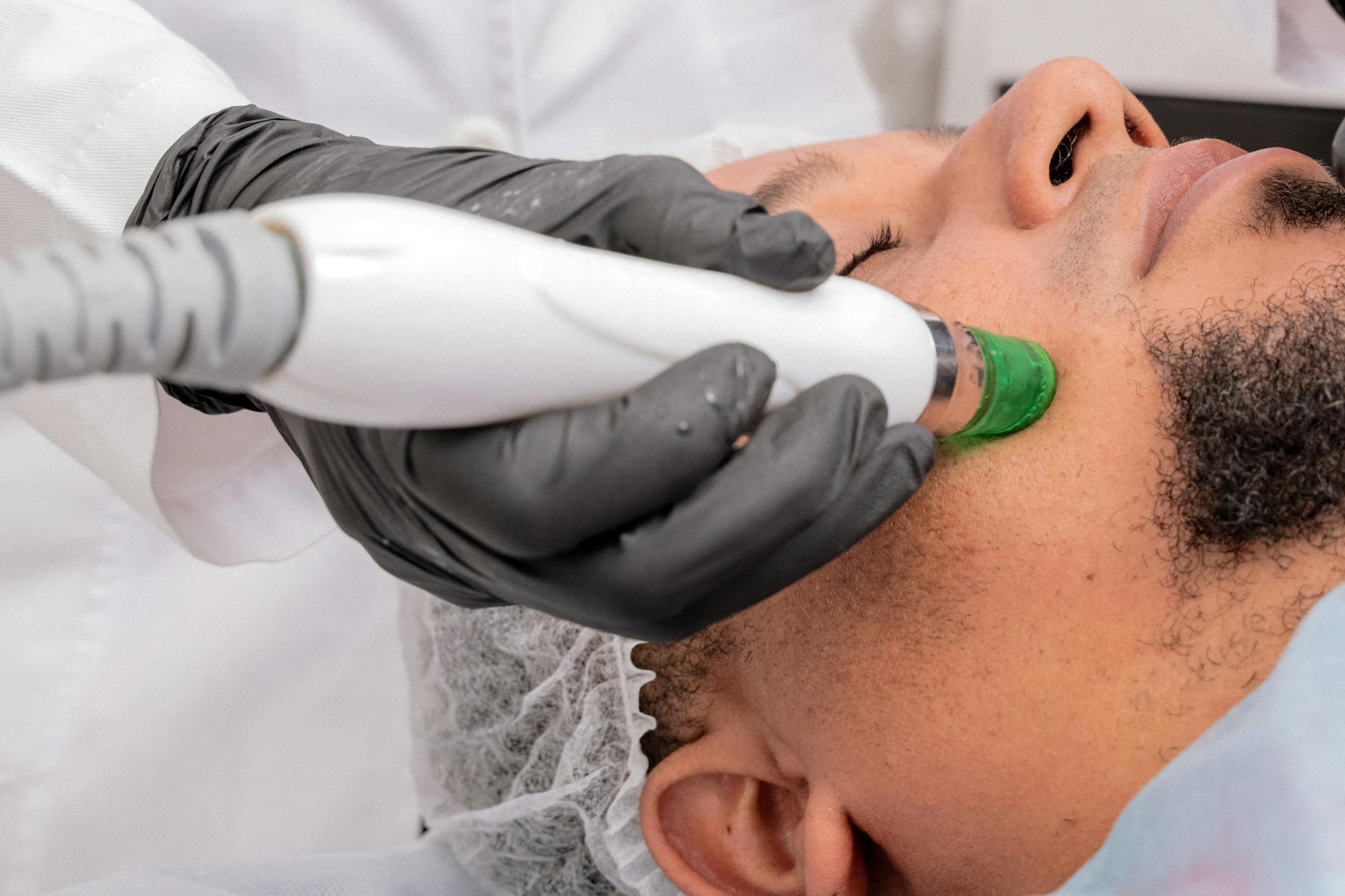
Hormonal acne occurs when androgens (male hormones produced by both men and women) bind to sebaceous glands, triggering excess oil production and follicular plugging. When accompanied by inflammation from bacterial colonization or immune response, this creates the cystic and nodular acne that often leads patients to Accutane. The hormonal driver is critical: the same bacteria exist on everyone’s skin, but only when hormonal conditions are right do they proliferate to create severe acne. In women, hormonal acne often emerges or worsens in the week before menstruation, concentrates on the lower face and jawline, and tends to be deeper and slower-healing than typical acne. These patterns exist because progesterone naturally increases sebum production in the luteal phase, and in some women, the hormonal fluctuation is pronounced enough to trigger significant acne.
For men, elevated testosterone (whether naturally high or from exogenous sources) drives the same mechanism. In both cases, the acne will persist or return until the hormonal environment changes—whether through medication, lifestyle change, or cyclical natural variation. A critical limitation is that hormonal testing can feel inconclusive. A woman with borderline-high testosterone, normal insulin levels, and irregular periods might technically fall into a gray area where hormonal acne is suspected but not definitively proven. This ambiguity can lead dermatologists to dismiss hormonal factors altogether and recommend Accutane instead. The tests exist, but interpreting them requires expertise and patience that many dermatology appointments don’t allow.
What Specific Hormonal Tests Reveal About Acne Risk
The fundamental panel includes total testosterone, free testosterone (the biologically active portion), DHEA-S (another androgen), and LH/FSH ratios. In women, elevated androgen levels—even within the “technically normal” lab range—often correlate with acne severity. Someone with a testosterone level at the 75th percentile for women might have noticeably worse acne than someone at the 25th percentile, even though both are “normal.” This is why looking at individual results rather than just the reference range matters. A second-tier test checks fasting insulin and glucose, because insulin resistance frequently co-occurs with elevated androgens and dramatically worsens acne. Someone with PCOS (polycystic ovary syndrome), which affects roughly 10% of women of reproductive age, typically has both elevated androgens and insulin resistance.
Testing both hormones and metabolic markers gives the complete picture. A 32-year-old woman with moderate-to-severe acne, irregular periods, weight gain, and family history of diabetes might discover through these tests that she has undiagnosed PCOS—information that completely changes her treatment strategy and offers benefits far beyond acne control. The limitation here is cost and access. A full hormonal panel can cost $200 to $400 without insurance, and even with insurance, multiple tests might not be fully covered. Ordering these tests requires the initial decision to order them, which circles back to whether the dermatologist considers hormonal investigation worthwhile. A patient in a low-income area or without good insurance might never learn whether hormones are driving their acne because the testing never happens.
Comparing Accutane Treatment to Hormonal Intervention Outcomes
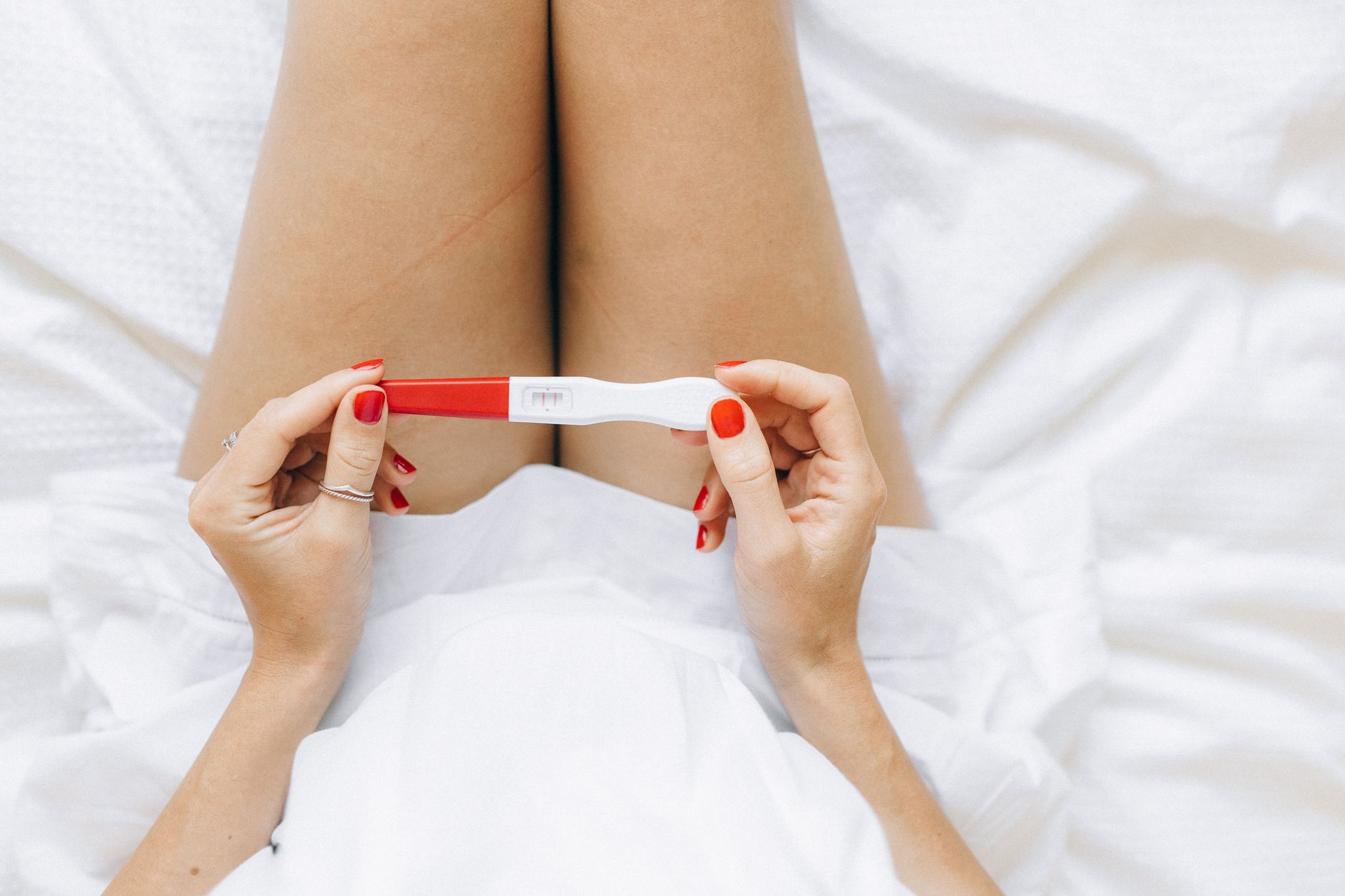
Accutane is extraordinarily effective: roughly 70-80% of patients achieve long-term remission or near-complete acne clearance, and some experience permanent remission even if they have only one course. The medication reorganizes the sebaceous gland itself, reducing sebum production permanently in many cases. The tradeoff is significant: mandatory monthly lab monitoring, potential teratogenicity (Accutane causes severe birth defects), depression and mood changes in some patients, dry skin and mucous membranes, and a small risk of inflammatory bowel disease. Most of these side effects resolve after treatment ends, but the psychological burden during treatment is real. Hormonal interventions—particularly oral contraceptives or spironolactone in women, or testosterone management in men—typically show 30-50% improvement in acne over three to six months, with full resolution in a subset of patients. The improvement is slower than Accutane, and the medication must be continued long-term to maintain the effect.
However, side effects are generally far milder, monitoring is minimal or absent, and the medication often provides additional health benefits (contraception, blood pressure management) beyond acne. For a woman whose acne is driven entirely by hormonal fluctuations, hormonal intervention might be the more elegant solution. The real tradeoff is time versus intensity. Accutane is the faster, more aggressive choice; hormonal intervention is the slower, gentler choice that addresses the actual cause. For a patient with severe acne but also elevated androgens, choosing Accutane without trying hormonal intervention means accepting risk and side effects for a treatment that works, rather than testing whether a safer treatment could also work. The patient never gets to make an informed choice because they never learned what information might guide that choice.
Why the 43% Figure Matters and What It Represents
The statistic that 43% of Accutane patients don’t realize hormonal testing could help reflects a massive gap in patient education and clinical assessment. This number likely includes women with obvious hormonal patterns (jawline acne, cyclical worsening) who were never asked about their menstrual cycle, and men with acne that emerged after starting testosterone supplementation or other hormonal changes. It also includes people with undiagnosed PCOS or thyroid dysfunction that was never investigated because no one ordered the tests. What this gap means in practice: a 25-year-old woman starting Accutane might take the medication for four to six months, experience dry skin and potentially mood changes, complete the course, and then wonder why her acne returned two years later when she switched birth control pills.
She didn’t know that the acne was hormonal; she only knew it was “bad enough for Accutane.” A better outcome would have been identifying the hormonal component first, trying hormonal intervention, and potentially avoiding Accutane entirely—or understanding that she’s a candidate for Accutane as true last-line treatment, not first-line. A key limitation to acknowledge: not all severe acne is hormonal. Some people have severe acne with completely normal hormone levels; in those cases, the severity is driven by bacterial load, skin barrier dysfunction, or genetic sebaceous gland sensitivity to androgens. For those patients, Accutane is genuinely the best option and hormonal testing would not change management. The harm comes not from prescribing Accutane to non-hormonal cases, but from failing to investigate whether the case might be hormonal before prescribing it.
The Real-World Scenario: Hormonal Testing as Standard Pre-Treatment Assessment
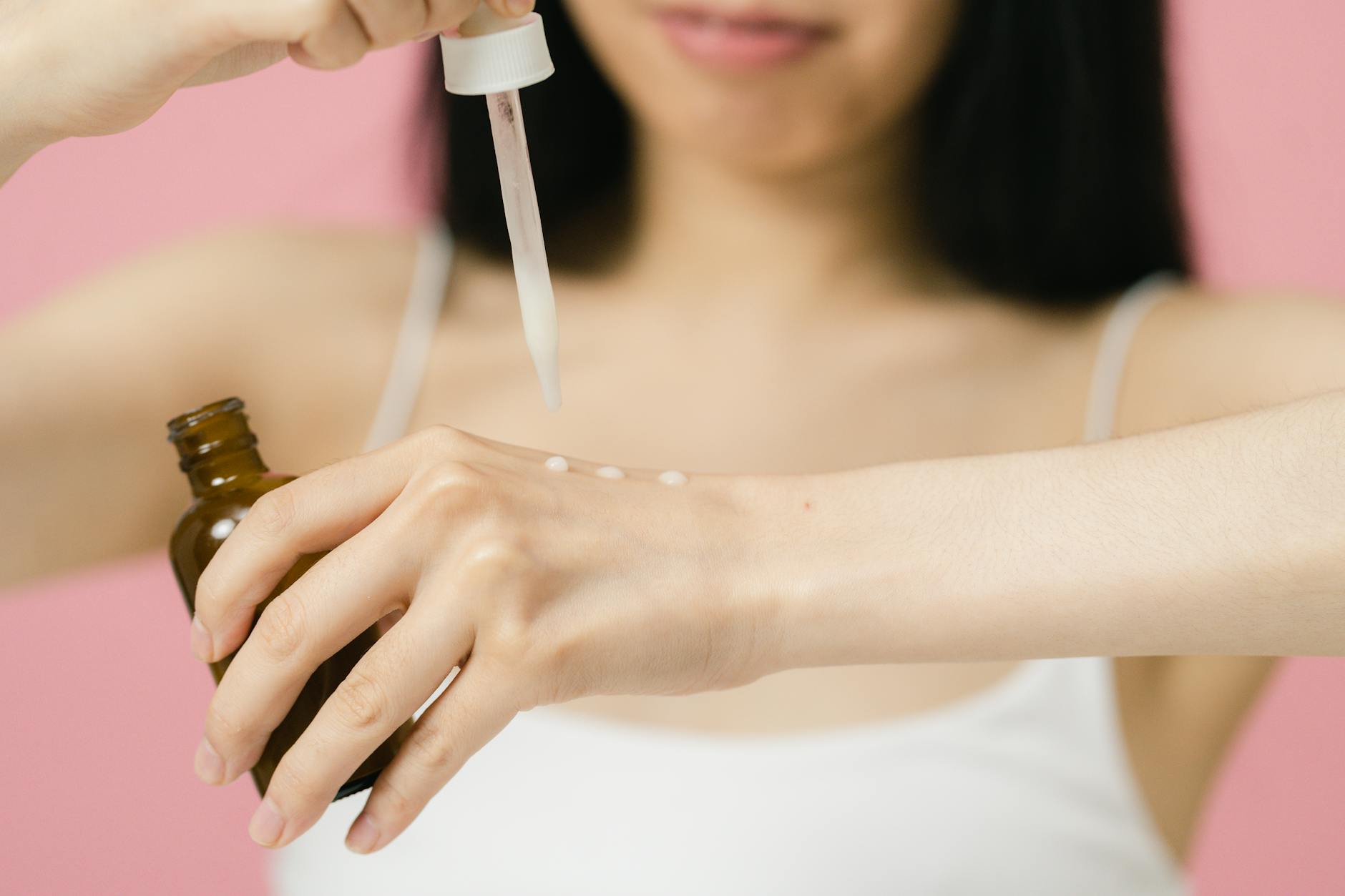
Imagine a dermatology clinic that orders a baseline hormonal panel on anyone considering Accutane before the first prescription. The conversation would be: “Your acne is severe and warrants strong treatment. Before we start Accutane, we’ll check whether your hormones might be a factor. If they are, we can try a gentler option first.
If they’re not, we’ll proceed with Accutane knowing we’ve ruled out a simpler cause.” This standard should be normal practice but isn’t at most clinics. In such a practice, a patient with genuinely elevated androgens would discover this and have a chance to try spironolactone or hormonal contraception—potentially avoiding Accutane and its side effects. A patient with normal hormones would proceed to Accutane with confidence that it’s truly the best option, not a default choice. Both groups benefit: the first avoids unnecessary medication, and the second understands that their condition genuinely requires the most powerful treatment available.
Moving Toward Better Acne Diagnosis and Treatment Decisions
The path forward requires both clinical practice change and patient awareness. Some dermatologists are increasingly integrating hormonal assessment into their acne workup, particularly those with a stronger interest in hormonal or aesthetic medicine. These practitioners routinely order hormonal panels, ask detailed questions about menstrual cycles and hormonal history, and delay Accutane prescriptions when hormonal factors are suspected. This represents best-case practice, but it’s not yet standard.
Patient advocacy and education matter enormously. People who know that hormonal testing exists can request it before accepting Accutane prescriptions. They can ask their dermatologist, “Should I have hormonal testing before starting Accutane?” and expect a thoughtful answer rather than an assumption that hormones aren’t relevant. As more patients become informed and demand this assessment, clinical practices will adjust to meet that expectation.
Conclusion
Nearly half of patients starting Accutane never learn whether hormonal imbalances might be driving their acne, which represents a substantial gap in personalized and evidence-based treatment. Hormonal testing is straightforward, affordable compared to months of Accutane, and can reveal opportunities for gentler treatment that addresses the root cause rather than just the symptom. While Accutane is genuinely necessary for some people with severe, truly non-hormonal acne, many patients would benefit from hormonal investigation before resorting to this powerful medication with its attendant side effects and monitoring demands.
The solution isn’t to discourage Accutane use—it’s to expand the baseline assessment so that every acne patient, particularly those considering Accutane, has a simple hormonal panel as part of the diagnostic workup. This shift would allow dermatologists and patients to make truly informed choices, potentially preventing unnecessary medication in some cases while confirming the necessity of Accutane in others. If you’re considering Accutane or have been prescribed it without hormonal testing, ask your dermatologist whether a hormone assessment would be appropriate for your situation.
Frequently Asked Questions
If my acne is hormonal, will hormonal treatment definitely clear it?
Hormonal treatment clears or significantly improves acne in many people with hormonal acne, but response varies. Some people see 70-80% improvement; others see 30-40%. The medication must be continued to maintain the benefit. If hormonal treatment doesn’t work adequately after three to six months, Accutane becomes a stronger option with the benefit of knowing that non-hormonal factors aren’t driving the acne.
Can I test my hormones myself without going to a dermatologist?
You can request hormonal testing through your primary care physician, a gynecologist (if female), or an endocrinologist. Many online labs also offer hormonal panels without a doctor’s order, though insurance won’t cover self-ordered tests and interpretation without clinical guidance can be confusing. A healthcare provider’s interpretation is valuable because context matters—a testosterone level might be “normal” by lab standards but still relevant to your acne in the context of your symptoms and history.
If my hormone levels are normal, does that mean Accutane is definitely the right choice?
Normal hormone levels suggest that acne isn’t driven by hormonal factors, which means treatments targeting hormones won’t help. This doesn’t automatically mean Accutane is the right choice—it depends on acne severity, previous treatments tried, and your risk tolerance for Accutane’s side effects. However, it does mean you’re a stronger candidate for Accutane because other factors (genetics, bacterial load, skin barrier dysfunction) are likely the drivers.
How long should I try hormonal treatment before moving to Accutane?
Most hormonal treatments need three to six months to show full benefit because they work by reducing androgen signaling, which gradually normalizes sebum production and reduces follicular plugging. If acne hasn’t improved meaningfully after six months on an appropriate hormonal treatment, Accutane becomes a reasonable next step. Moving faster risks abandoning a potentially effective treatment too soon; waiting longer just delays benefit if hormonal treatment isn’t working for you.
Does oral contraceptive-based acne treatment work the same way for men?
Oral contraceptives are female-specific. For men with hormonal acne, options include spironolactone (an androgen blocker that also works in women), isotretinoin (Accutane), or addressing the hormonal cause if it’s external—for example, stopping anabolic steroid use. Men are less commonly evaluated for hormonal acne, so asking for hormonal testing is especially important if acne is severe and you have risk factors like testosterone supplementation or steroid use.
What if I’ve already started Accutane without hormonal testing—should I stop?
No—stopping Accutane mid-course causes rebound acne and wastes the course. If you’ve started Accutane, complete the prescribed course. After completing treatment, if acne recurs or doesn’t fully clear, hormonal testing becomes relevant for understanding whether hormonal intervention might help prevent recurrence or manage residual acne. Discuss this with your dermatologist before your final Accutane dose so you have a plan.
You Might Also Like
- At Least 80% of Military Personnel With Acne Believe That Hormonal Testing Could Identify the Root Cause of Their Acne
- At Least 34% of Adults Over 25 With Acne Don’t Realize That Accutane Can Permanently Clear Acne in 85% of Patients After One Course
- At Least 60% of People Who Pick at Their Skin Don’t Realize That Acne Around the Mouth May Actually Be Perioral Dermatitis