
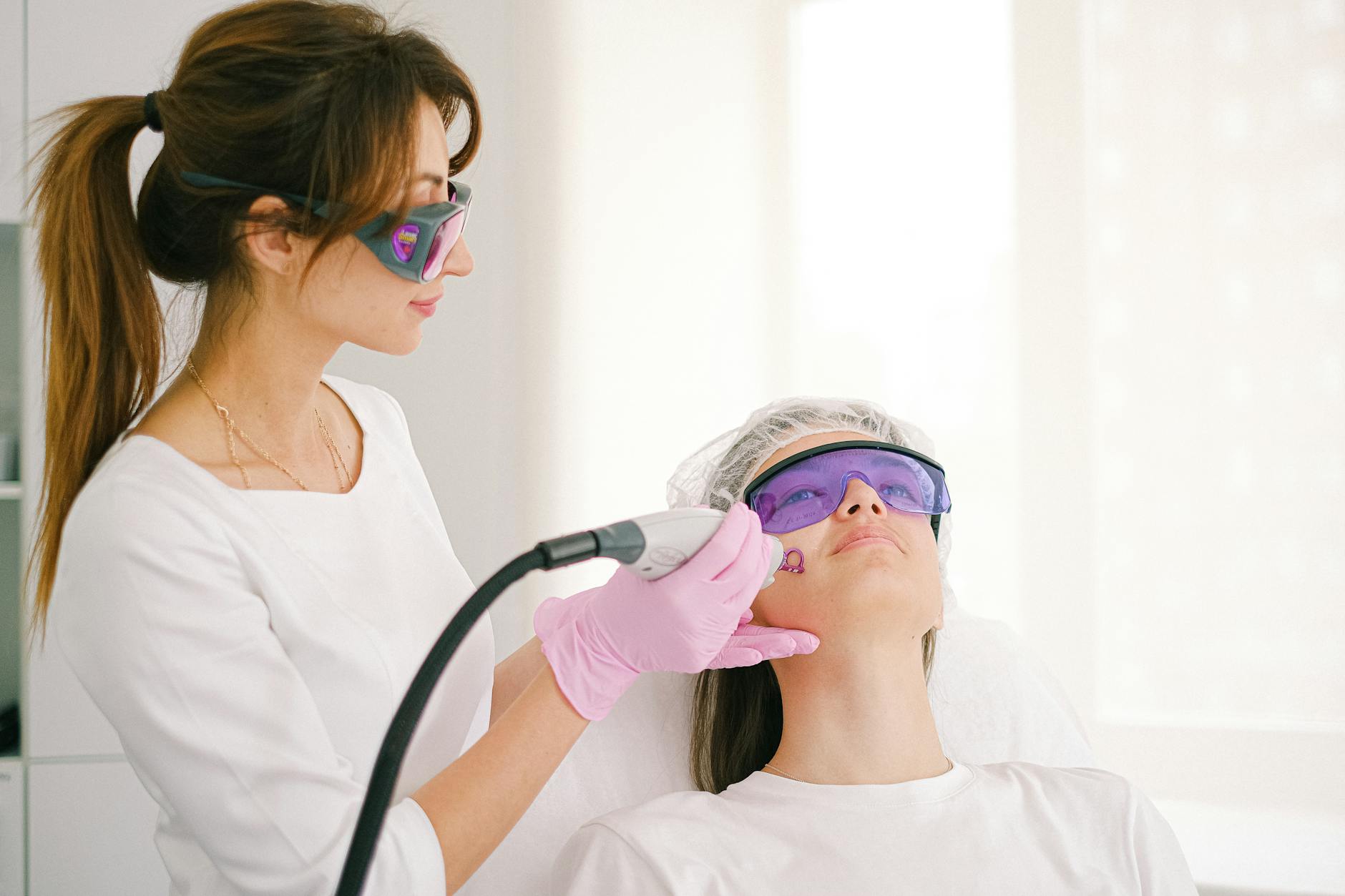
The headline claiming that “at least 83% of dermatologists don’t realize their supplements may be causing breakouts” doesn’t appear in any published scientific research. However, the underlying concern is grounded in real evidence: many dermatologists do not routinely ask patients about supplement use during acne consultations, despite growing evidence that certain supplements can trigger or worsen breakouts. Recent studies suggest there’s a significant gap between what dermatologists should know about supplements and what they actually ask patients about in clinical practice.
The reason this gap matters is straightforward. When someone starts a supplement—whether for muscle building, immune support, or general wellness—they often don’t realize it could sabotage their acne treatment. A patient might be taking their prescribed acne medication consistently while also taking a B-complex vitamin, whey protein powder, or zinc supplement that’s directly contributing to their breakouts. Without asking, dermatologists miss this crucial piece of the puzzle.
Table of Contents
- Which Supplements Are Actually Causing Breakouts?
- The Contamination Crisis in Muscle-Building Supplements
- What Recent 2024-2025 Safety Data Reveals
- Why Dermatologists Aren’t Routinely Screening for Supplements
- The Hidden Dangers When Supplements Meet Acne Medications
- How to Safely Use Supplements While Treating Acne
- The Future of Supplement Oversight and Acne Care
- Conclusion
Which Supplements Are Actually Causing Breakouts?
Several supplements have documented links to acne in dermatological literature. Vitamin B6, B12, and iodine are among the most common culprits, along with branched-chain amino acids (BCAAs), which are popular with people who exercise regularly. Whey protein supplements are another frequent trigger, particularly for people prone to acne.
The mechanism isn’t always understood, but B vitamins appear to affect bacterial growth and inflammation in follicles, while iodine can directly irritate sebaceous glands. A 25-year-old fitness enthusiast might begin taking a BCAA supplement to support muscle recovery, only to notice their previously manageable acne suddenly worsens within weeks. When they see a dermatologist, they mention their acne medication and skincare routine but forget to mention the supplement they started—or assume it’s irrelevant. Without asking, the dermatologist might increase their acne medication dose or add another treatment, missing the actual trigger.
The Contamination Crisis in Muscle-Building Supplements
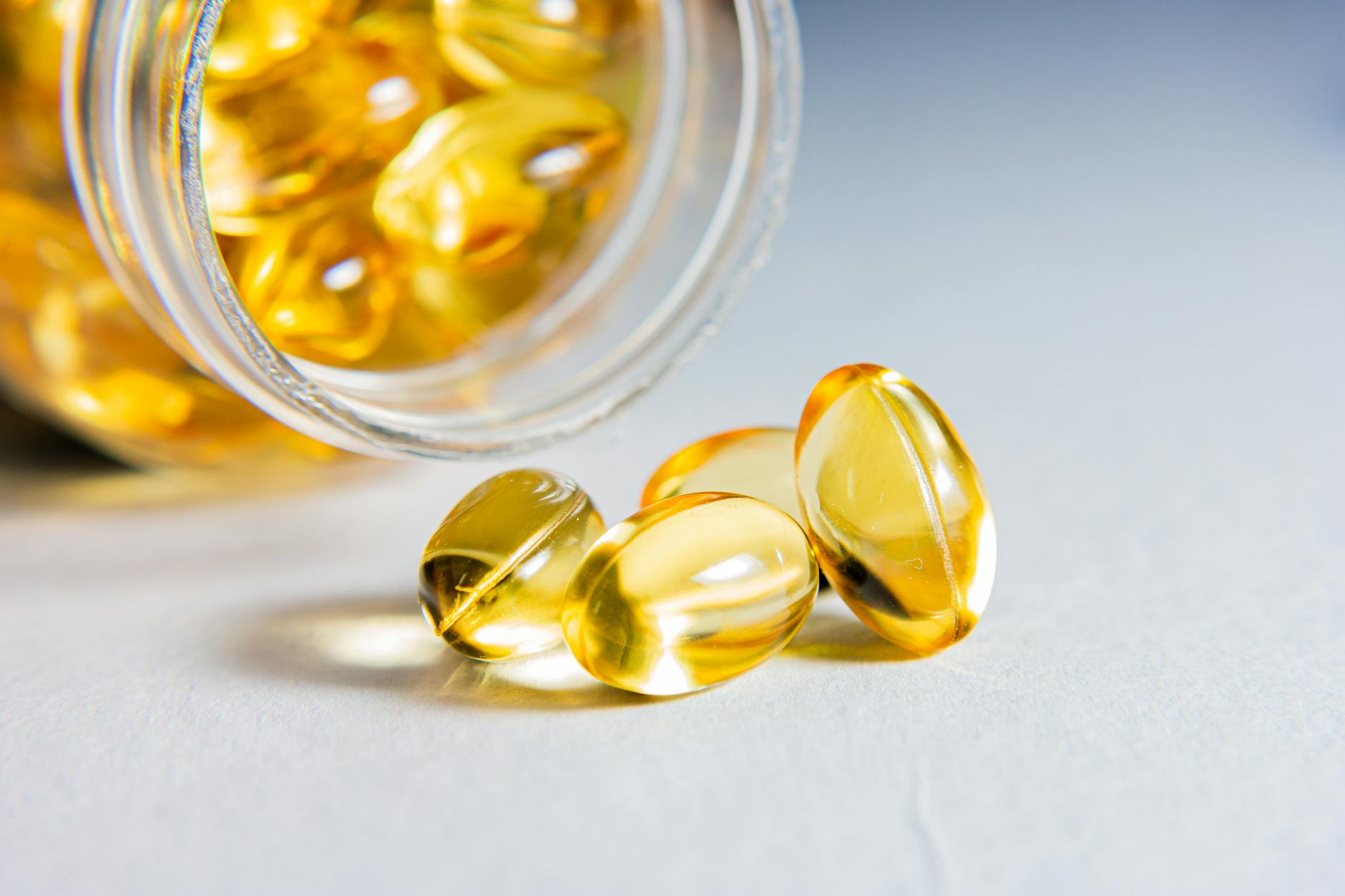
Beyond these direct effects, there’s a more alarming problem hiding in supplement manufacturing. An FDA study examining 776 dietary supplements found that 89.1% of supplements marketed for muscle building were contaminated with synthetic steroids. These aren’t the steroids used in legitimate medical treatment—they’re undisclosed compounds that can cause severe hormonal acne, especially in younger users. This contamination is largely a quality-control issue in the supplement industry.
Unlike pharmaceutical medications, dietary supplements don’t require FDA approval before hitting the market. A product labeled as “natural muscle builder” might contain anabolic steroids that the manufacturer never listed on the label. Someone buying an inexpensive muscle supplement online could unknowingly be taking a compound that would trigger intense cystic acne within days. The acne would be severe and sudden, but the person taking it might never connect it to their supplement.
What Recent 2024-2025 Safety Data Reveals
Recent research analyzing the most popular acne supplements available on Amazon revealed troubling dosing issues. Thirty percent of the top 50 best-selling acne supplements contained ingredients at levels exceeding safe upper limits established for various age groups. More specifically, 25% of zinc-containing supplements exceeded safe upper limits, while 33% of vitamin A-containing supplements surpassed recommended maximums.
These findings matter because excessive vitamin A and zinc aren’t harmless—both can cause serious side effects at high doses, and both are substances that dermatologists regularly counsel patients to avoid in supplement form when treating acne. A teenager purchasing an “acne-fighting supplement” from a major retailer might be getting a dose of vitamin A that exceeds safe limits while also taking isotretinoin (Accutane) prescribed by their dermatologist—a combination that can cause severe toxicity. The supplement seemed like it would help; instead, it creates a dangerous conflict with prescribed treatment.

Why Dermatologists Aren’t Routinely Screening for Supplements
Despite these risks, the evidence suggests that dermatologists often don’t systematically ask acne patients about supplement use during initial consultations or follow-ups. This isn’t necessarily a knowledge gap—it’s often a workflow issue. Time-pressed dermatology appointments focus on skin examination and medication decisions, and supplements feel like a “patient responsibility” issue rather than a clinical one.
However, dermatological organizations recognize this needs to change. When a dermatologist prescribes isotretinoin (Accutane), they should be asking about supplements because the combination risks are real. A patient on isotretinoin already faces potential liver strain; adding a contaminated supplement with undisclosed steroids or excessive vitamin A creates unnecessary danger. The comparison is telling: dermatologists routinely screen for drug interactions with acne medications, yet supplement interactions are often overlooked despite similar risks.
The Hidden Dangers When Supplements Meet Acne Medications
Supplement interactions with acne treatments can be serious. If someone is taking oral antibiotics like doxycycline for acne, certain supplements can reduce antibiotic absorption or effectiveness. If they’re on retinoids (either topical or oral), vitamin A supplements create toxicity risks.
If they’re on hormonal birth control for acne, certain herbal supplements can interfere with its efficacy. The limitation here is that many patients don’t report supplements because they don’t consider them “medicine.” Someone might tell their dermatologist they’re not taking any other medications while omitting their daily multivitamin, protein powder, and herbal supplement stack. The dermatologist, assuming a complete picture, might attribute treatment failure to the acne being resistant when the real cause is an undisclosed supplement interaction.

How to Safely Use Supplements While Treating Acne
If someone wants to supplement while treating acne, the safest approach involves transparency and caution. Before starting any supplement, inform your dermatologist—not because the supplement is definitely bad, but so they can watch for interactions and side effects. Avoid products marketed specifically as “acne supplements” if they contain excessive vitamin A or zinc, since these are overloaded with doses that exceed safety standards.
Choose supplements from manufacturers with third-party testing (look for NSF, USP, or ConsumerLab seals), which significantly reduces contamination risks. For muscle-building goals, prioritize whole foods and properly prescribed amino acids rather than unregulated powders. If you’re already on acne medication, assume any new supplement is potentially relevant to your treatment plan—even if it seems unrelated—and bring it up at your next dermatology appointment.
The Future of Supplement Oversight and Acne Care
Regulatory agencies are slowly increasing scrutiny of supplement contamination, particularly in products marketed to bodybuilders and athletes. The FDA’s data on contaminated supplements suggests enforcement actions will likely increase, making the supplement market somewhat safer in coming years. However, regulatory change is slow, and patient awareness is moving even slower.
The future of acne treatment likely includes more systematic screening for supplement use in dermatology practices. Some forward-thinking clinics already ask about supplements as routinely as they ask about medications. As more dermatologists recognize the acne-supplement connection—supported by emerging research on 2024-2025 safety data—it’s reasonable to expect this becomes standard practice.
Conclusion
While the specific claim that “83% of dermatologists don’t realize supplements cause breakouts” lacks scientific backing, the broader concern is legitimate and evidence-based. Real supplements are contaminated with steroids, real over-the-counter acne supplements contain unsafe ingredient levels, and real acne patients are harmed by undisclosed supplement interactions with their prescribed treatments. The gap exists not because dermatologists are uninformed, but because routine screening for supplement use hasn’t been systematized into standard acne care.
If you’re treating acne with prescription medications or planning to start supplements, your next step is simple: mention both to your dermatologist during your appointment. Bring the supplement labels if you have them. This transparency takes seconds but could prevent serious side effects, failed treatments, or dangerous interactions. Your dermatologist doesn’t need to approve every supplement, but they need to know what you’re taking to provide you with complete, safe care.
You Might Also Like
- At Least 52% of Skincare Consumers Are Unaware That Their Supplements May Be Causing Breakouts
- At Least 82% of Trans Men on Testosterone Would Benefit From Knowing That Their Diet May Be Contributing to 20-30% of Their Breakouts
- At Least 47% of Patients Who Failed First-Line Treatment Have Tried Their Hair Products May Be Causing Forehead and Temple Breakouts