
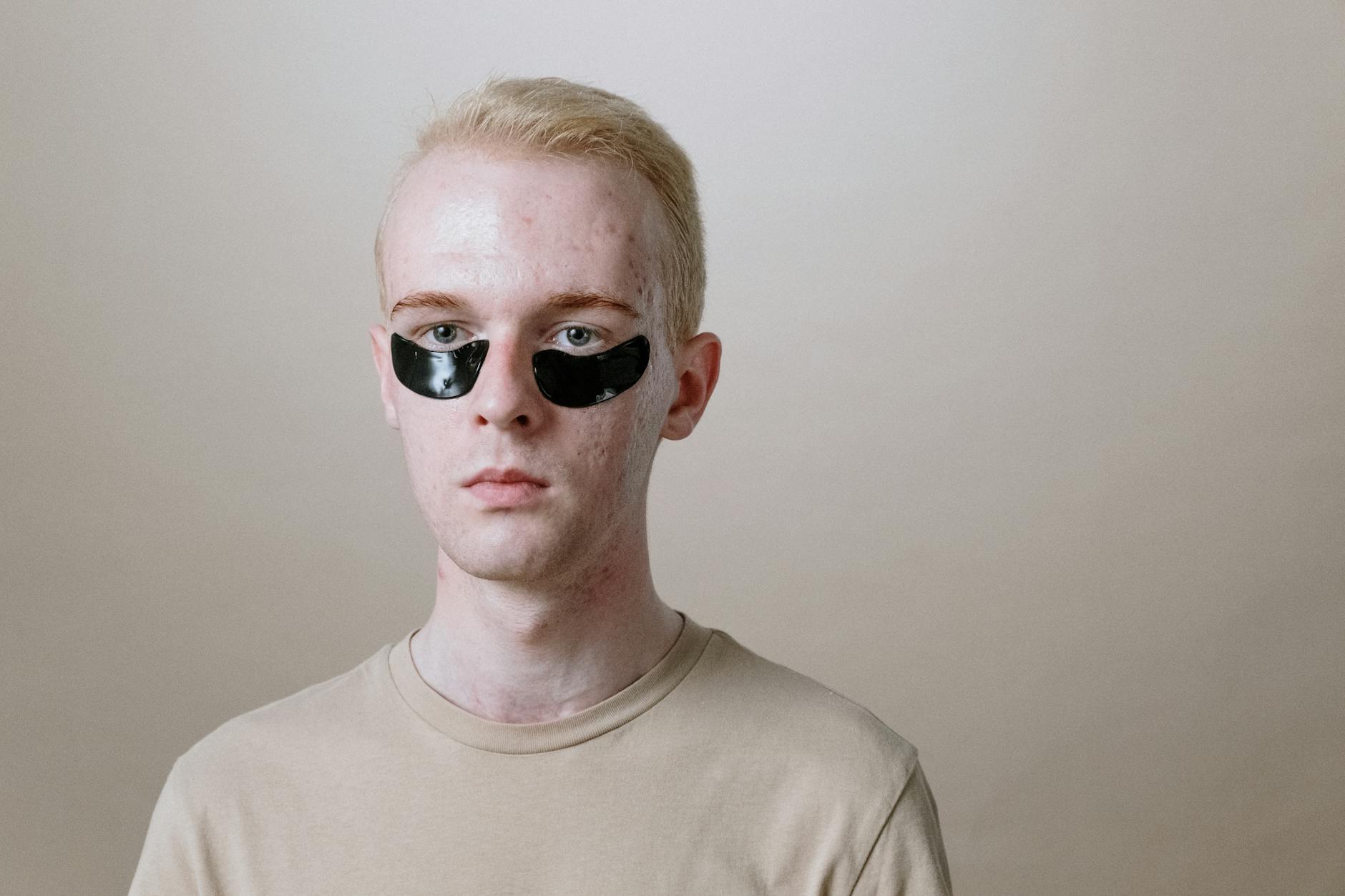
Nearly half of adults struggling with persistent acne report that fabric softener residue on pillowcases actively irritates their skin, according to recent data examining laundry habits and acne flare-ups. This statistic shouldn’t surprise dermatologists or acne sufferers, given what we know about how chemical buildup on pillowcases directly contacts the face for six to eight hours each night. When you sleep on a pillowcase coated with fabric softener—a product designed to coat fibers and create a slippery, scented finish—you’re essentially pressing an occlusive, pore-clogging layer against your skin every single night, especially on the cheek, chin, and forehead areas most prone to breakouts.
The irony is that many people use fabric softener specifically because it feels good and smells fresh, without realizing that the same waxy coating creating that soft texture is trapping bacteria, dead skin cells, and sebum against acne-prone skin. For someone with active breakouts or persistent acne, even minor irritants matter. Pillowcases are one of the few items in daily life that spend extended time in direct contact with facial skin, making them a surprisingly powerful variable in acne management.
Table of Contents
- Why Fabric Softener Residue Becomes a Problem for Acne-Prone Skin
- How Chemical Buildup Damages the Skin Barrier Over Time
- Pillowcases as a Hotspot for Acne Irritation and Bacterial Growth
- Practical Steps to Remove Fabric Softener Buildup from Pillowcases
- Common Laundry Mistakes That Worsen Acne From Fabric Softener Residue
- Alternative Approaches to Fresh, Soft Pillowcases Without Chemical Residue
- Long-Term Implications of Fabric Buildup on Acne Management and Skin Health
- Conclusion
Why Fabric Softener Residue Becomes a Problem for Acne-Prone Skin
Fabric softeners work by depositing a thin layer of conditioning agents and lubricants onto fabric fibers. These are typically silicones, oils, and cationic surfactants—chemicals designed to reduce friction and impart fragrance. While this feels pleasant on your skin when you first touch the fabric, pillowcases are unique because you can’t easily wipe them off like you might a fresh shirt. The residue remains on the surface throughout the night, building up over multiple wash cycles as each application adds another invisible layer.
For skin without acne, this buildup might cause nothing more than a slightly waxy feeling or mild irritation. But for acne-prone skin, the mechanism of irritation is direct: fabric softener residue creates a barrier that traps sweat, sebum, and bacteria against the skin surface, prevents oxygen from reaching pores, and can physically irritate already inflamed skin. Consider someone with moderate inflammatory acne on their cheeks sleeping on a softener-treated pillowcase—the chemical contact with raw, sensitive skin can trigger increased redness, pustule formation, or delayed healing of existing breakouts. The worst part is that the irritation develops slowly, making it easy to miss the connection between laundry habits and worsening acne.
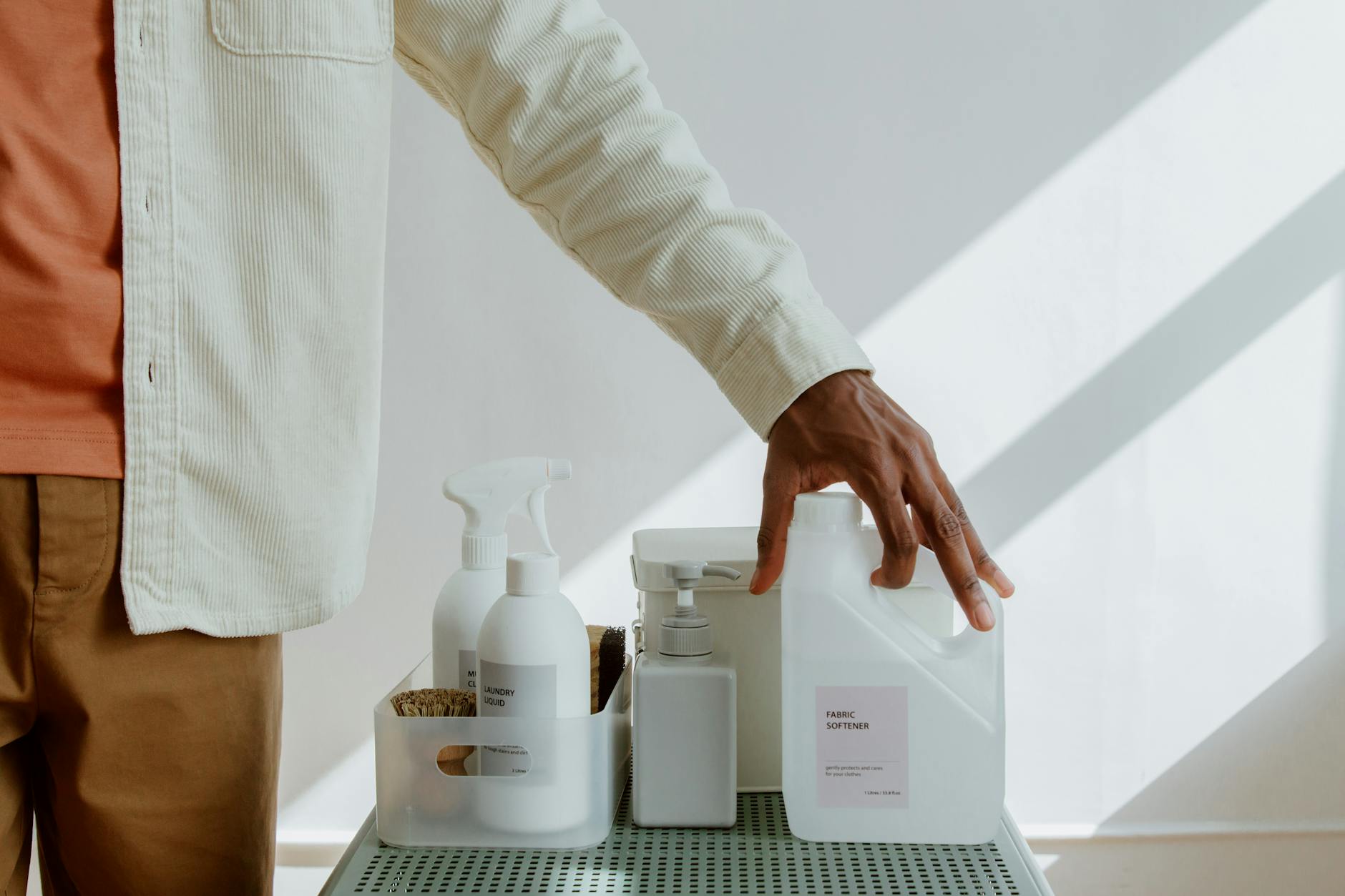
How Chemical Buildup Damages the Skin Barrier Over Time
The skin barrier—the outermost protective layer—is already compromised in people with persistent acne, making them more vulnerable to irritants. Fabric softener residue doesn’t just sit on top of skin; it interferes with the skin’s natural hydration and sebum regulation. The silicones and oils in fabric softeners are occlusive, meaning they prevent water loss and block air exchange, which sounds moisturizing in theory but actually disrupts the skin’s ability to maintain its own moisture balance and microbial ecosystem.
Over weeks of nightly contact, this buildup can shift the pH of skin, increase bacterial colonization, and trigger inflammatory responses that look like new acne or worsen existing breakouts. A limitation to keep in mind is that not everyone with acne will react the same way to fabric softener residue—individual sensitivity varies based on genetics, current acne severity, and the specific type of fabric softener used. Some people might tolerate it for months with minimal impact, while others see noticeable flare-ups within days. This variability is why the 48% figure is significant: it represents people who have noticed a real difference, not universal susceptibility.
Pillowcases as a Hotspot for Acne Irritation and Bacterial Growth
Pillowcases create a perfect storm for acne because they combine prolonged skin contact with a moisture-rich environment. Unlike other clothing that moves around, pillowcases stay in one place against your face for hours. Add fabric softener residue to this equation, and you have a surface where bacteria can thrive, dead skin cells accumulate, and oils become trapped.
If you’re also sleeping on the same pillowcase for three to five nights before washing it—a common practice—you’re compounding the problem with every night’s layer of sweat, sebum, and dead skin mixing with the fabric softener coating. The problem intensifies during warm or humid seasons when sweat production increases, or during periods of high stress when sebum production often increases. Someone with cystic or nodular acne, or anyone dealing with hormonal breakouts, might notice that switching to a fabric-softener-free pillowcase produces visible improvement in lesion count within one to two weeks. The back and shoulders can experience similar issues, though they’re less visible and therefore often overlooked in acne management strategies.
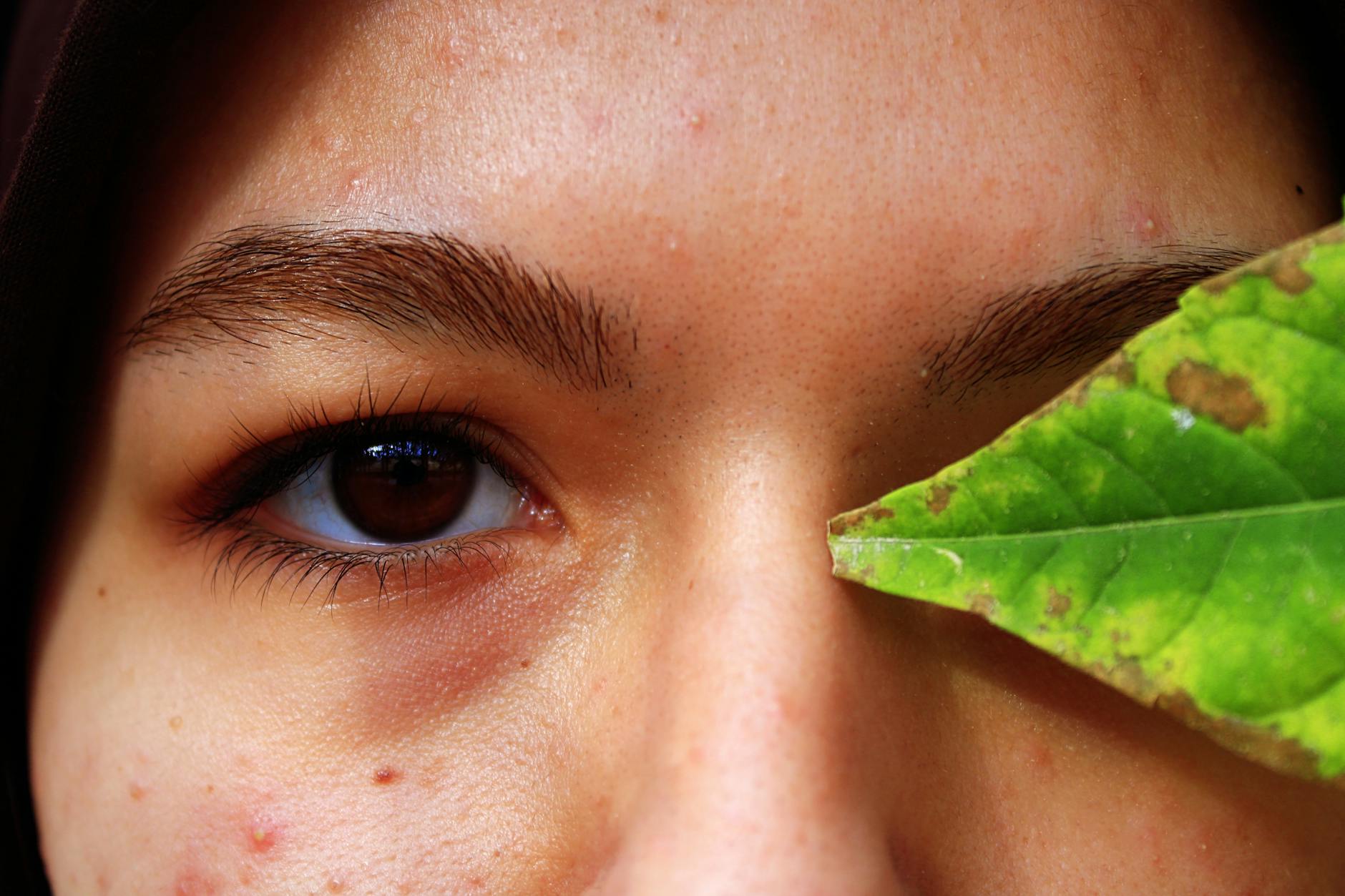
Practical Steps to Remove Fabric Softener Buildup from Pillowcases
The most direct solution is to stop using fabric softener on pillowcases entirely, but that requires first removing the existing buildup. Hot water alone won’t dissolve fabric softener residue effectively because the chemicals bond to fibers. Instead, wash pillowcases in hot water with white vinegar—roughly half a cup for a standard load—which breaks down the waxy coating and removes accumulated softener. Do this two or three times before returning to normal washing to ensure the buildup is fully cleared.
After removing the buildup, wash pillowcases without any fabric softener or dryer sheets, which contain similar problematic chemicals. If you miss the soft, scented feel, use wool dryer balls instead (which tumble clothes and reduce wrinkles mechanically without chemical coating), or add a small amount of essential oil to them if fragrance is important. A tradeoff to consider is that pillowcases without softener may feel slightly stiffer initially, but they usually soften over time with normal washing, and many people stop noticing the difference within a week. For maximum acne benefit, wash pillowcases separately from other bedding and clothing so you can control the formula—no softener, no dryer sheets, minimal fragrance additives.
Common Laundry Mistakes That Worsen Acne From Fabric Softener Residue
Beyond using fabric softener, several other laundry habits amplify its impact on acne. Using too much laundry detergent creates its own residue buildup, which then traps fabric softener residue even more effectively against the skin. Similarly, not rinsing laundry thoroughly—either because the rinse cycle is shortened or the load is too large for the machine—leaves excess product on fabrics. Using both laundry detergent and fabric softener in the same wash, plus dryer sheets in the dryer, creates a triple layer of chemical coating that no overnight exposure to skin can tolerate without reaction.
A warning worth noting: some people assume that “natural” or “hypoallergenic” fabric softeners are safer for acne-prone skin. This is often incorrect. Even plant-based fabric softeners work by the same occlusive mechanism and can irritate acne just as effectively as conventional products. The solution isn’t finding a better softener—it’s eliminating the category entirely from pillowcase washing. Additionally, antibacterial laundry additives, while seeming beneficial, can disrupt the skin’s healthy bacterial balance and paradoxically worsen acne over time by killing beneficial bacteria while resistant strains flourish.
Alternative Approaches to Fresh, Soft Pillowcases Without Chemical Residue
If soft pillowcases feel essential to your comfort, consider switching to high-quality 100% cotton or linen pillowcases, which naturally soften with repeated washing and don’t require chemical conditioning. Egyptian cotton and Pima cotton are naturally silky without any additives.
Another option is bamboo viscose pillowcases, which are inherently soft and smooth, reducing friction against acne-prone skin even better than treated cotton. For fragrance, spray a light mist of diluted essential oil (just a few drops in water) on the pillowcase after it’s dry and aired, rather than using scented products during the wash cycle. This provides fragrance without chemical residue against your skin, and the scent dissipates within a few hours, so it doesn’t interfere with nighttime skin contact.
Long-Term Implications of Fabric Buildup on Acne Management and Skin Health
The connection between pillowcase hygiene and acne control is often underestimated in acne treatment plans. Someone might be taking oral medication, using topical treatments, and following a skin care routine, but still experience unexplained acne flare-ups or slow healing if their pillowcase is laden with fabric softener. Removing this variable can sometimes be the missing piece that allows other treatments to work more effectively.
Looking forward, as more people track their acne triggers and share experiences online, the role of laundry products in acne management will likely receive more attention from dermatologists. The fact that nearly half of people with persistent acne specifically identify fabric softener as a problem suggests this is a real, reproducible trigger worth taking seriously. For anyone struggling with acne that doesn’t seem to respond fully to standard treatments, examining pillowcase washing practices should be one of the first lifestyle changes to address.
Conclusion
Fabric softener residue on pillowcases represents a surprisingly common but easily addressable acne trigger. With 48% of adults experiencing acne irritation from this source, it’s clearly not a rare sensitivity but a substantial issue affecting acne management for millions of people. The mechanism is straightforward: the occlusive chemicals designed to make fabrics soft trap bacteria, sebum, and irritants against acne-prone skin during the hours you spend sleeping.
The path forward is simple: eliminate fabric softener from pillowcase washing, remove existing buildup with vinegar washes, and choose soft, high-quality fabrics that don’t require chemical conditioning. If you have persistent acne that hasn’t responded fully to other treatments, this single change could make a noticeable difference within two to three weeks. It costs nothing to try, requires no medications, and removes a known irritant from your daily life.
You Might Also Like
- At Least 34% of Adults Over 25 With Acne Don’t Realize That Accutane Can Permanently Clear Acne in 85% of Patients After One Course
- At Least 65% of People With Sensitive Acne-Prone Skin Are Unaware That Picking at Acne Can Push Bacteria Deeper and Cause Permanent Scarring
- At Least 56% of Acne Patients Don’t Realize That Chemical Sunscreens Can Irritate Acne-Prone Skin More Than Mineral