

The title you’ve asked me to address actually combines two separate medical phenomena that don’t share a direct connection: a treatment failure statistic from tuberculosis research (47%) and the well-documented reality that hair products cause forehead and temple breakouts. However, the core issue is worth exploring: acne that persists despite treatment often has environmental triggers, and hair products rank among the most common culprits. If you’ve been treating acne with first-line medications like benzoyl peroxide or retinoids and still see breakouts along your hairline and forehead, the problem may not be treatment failure at all—it may be that comedogenic (pore-clogging) ingredients in your shampoo, conditioner, styling cream, or pomade are actively working against your acne medication by reintroducing bacteria and sebum to those exact zones.
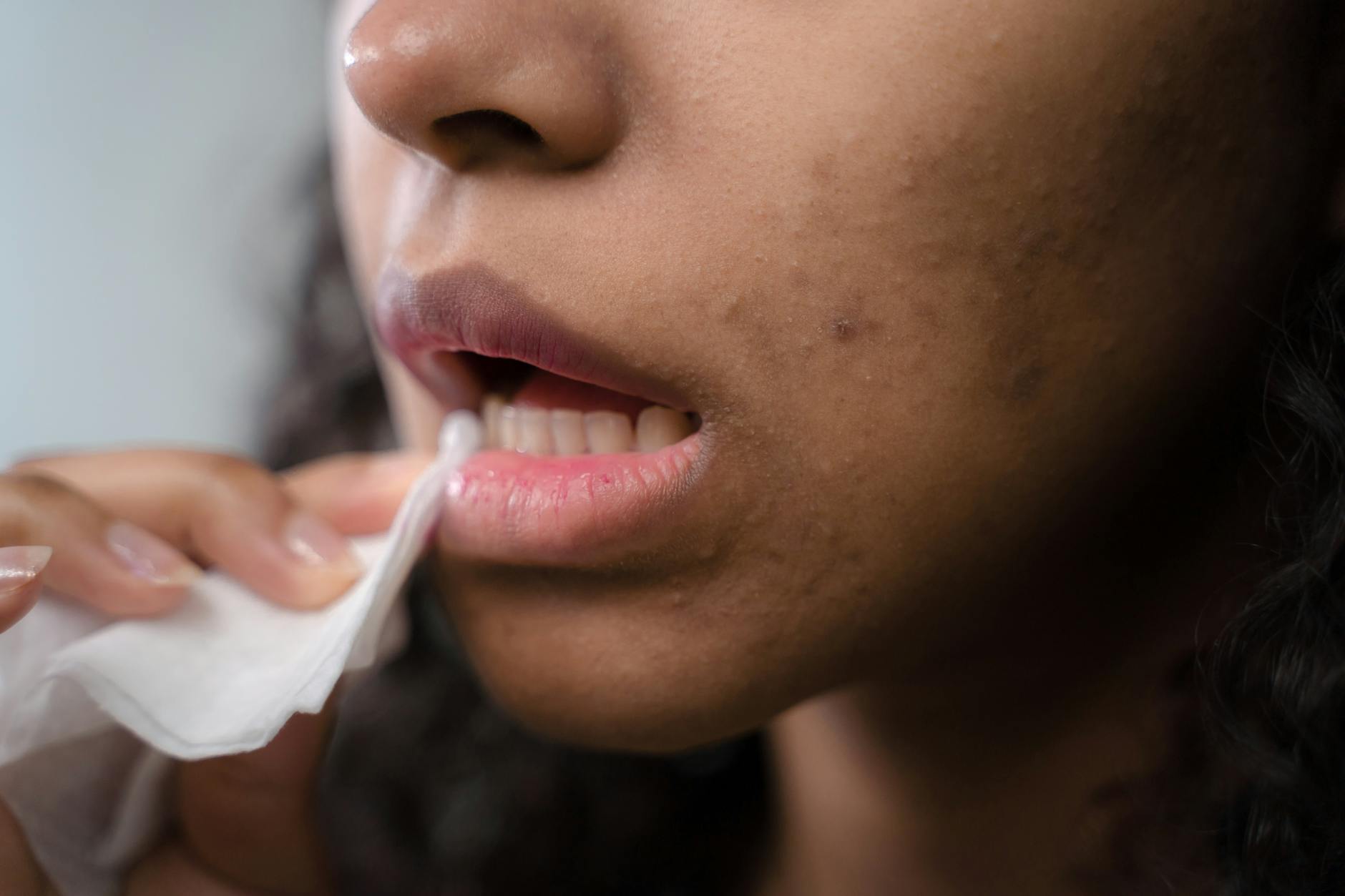
The medical term for product-induced acne along the hairline is “acne cosmetica” or “pomade acne,” and dermatologists see it constantly. A 25-year-old marketing professional might follow her dermatologist’s prescription perfectly, apply her benzoyl peroxide cleanser twice daily, and still develop a stubborn line of pustules across her forehead—not because the medication failed, but because her volumizing mousse contains silicones and her leave-in conditioner contains coconut oil, both of which migrate downward and block pores. The timeline matters: if breakouts appeared or worsened 4 to 6 weeks after you started a new hair product, that’s the key diagnostic clue pointing toward acne cosmetica rather than treatment-resistant acne.
Table of Contents
- Why Hair Products Trigger Breakouts on Your Forehead and Temples—Even When Your Acne Medication Should Be Working
- Identifying Which Hair Products Are Actually Causing Your Forehead and Temple Acne
- How First-Line Acne Treatments Are Designed—And Why Hair Product Interference Mimics Treatment Failure
- The Most Common Culprit Ingredients in Hair Products—And Non-Comedogenic Alternatives
- How Long It Takes to See Improvement After Eliminating Hair Product Interference
- Other Environmental Factors at the Hairline That Mimic Product-Induced Acne
- When Hair Product Changes Aren’t Enough—Escalating Acne Treatment
- Conclusion
Why Hair Products Trigger Breakouts on Your Forehead and Temples—Even When Your Acne Medication Should Be Working
Hair product-induced acne is neither rare nor a sign that your acne treatment is failing; it’s a straightforward consequence of how hair product ingredients interact with skin. The oils, silicones, butters, and waxes in shampoos, conditioners, pomades, and styling products don’t just stay in your hair—they migrate onto your forehead, temples, and hairline throughout the day, especially during sleep when your head rests on pillows and the products have hours of contact with skin. Ingredients like coconut oil, argan oil, shea butter, and dimethicone (silicone) are comedogenic, meaning they clog pores by forming a barrier that traps sebum and bacteria underneath.
Your acne medication may be working effectively on the acne it can reach, but it cannot penetrate a layer of silicone-based primer or oil-rich conditioner to reach the bacteria beneath. The forehead and temples are particularly vulnerable because they’re in direct contact with hair and receive product buildup that never fully washes away. A clinical dermatologist might prescribe 2.5% benzoyl peroxide and see it work well on the chin and cheeks, but the same patient’s forehead remains inflamed because she’s using a three-step hair care routine that includes a leave-in conditioner rated for “shine and smoothness.” Within 4 to 6 weeks of consistent use, the pores become clogged, bacteria proliferate in that environment, and inflammation follows. The key distinction: this isn’t treatment failure, and it’s not because your skin is “resistant” to benzoyl peroxide or retinoids—it’s because you’re simultaneously undoing the medication’s work with your hair care choices.
Identifying Which Hair Products Are Actually Causing Your Forehead and Temple Acne
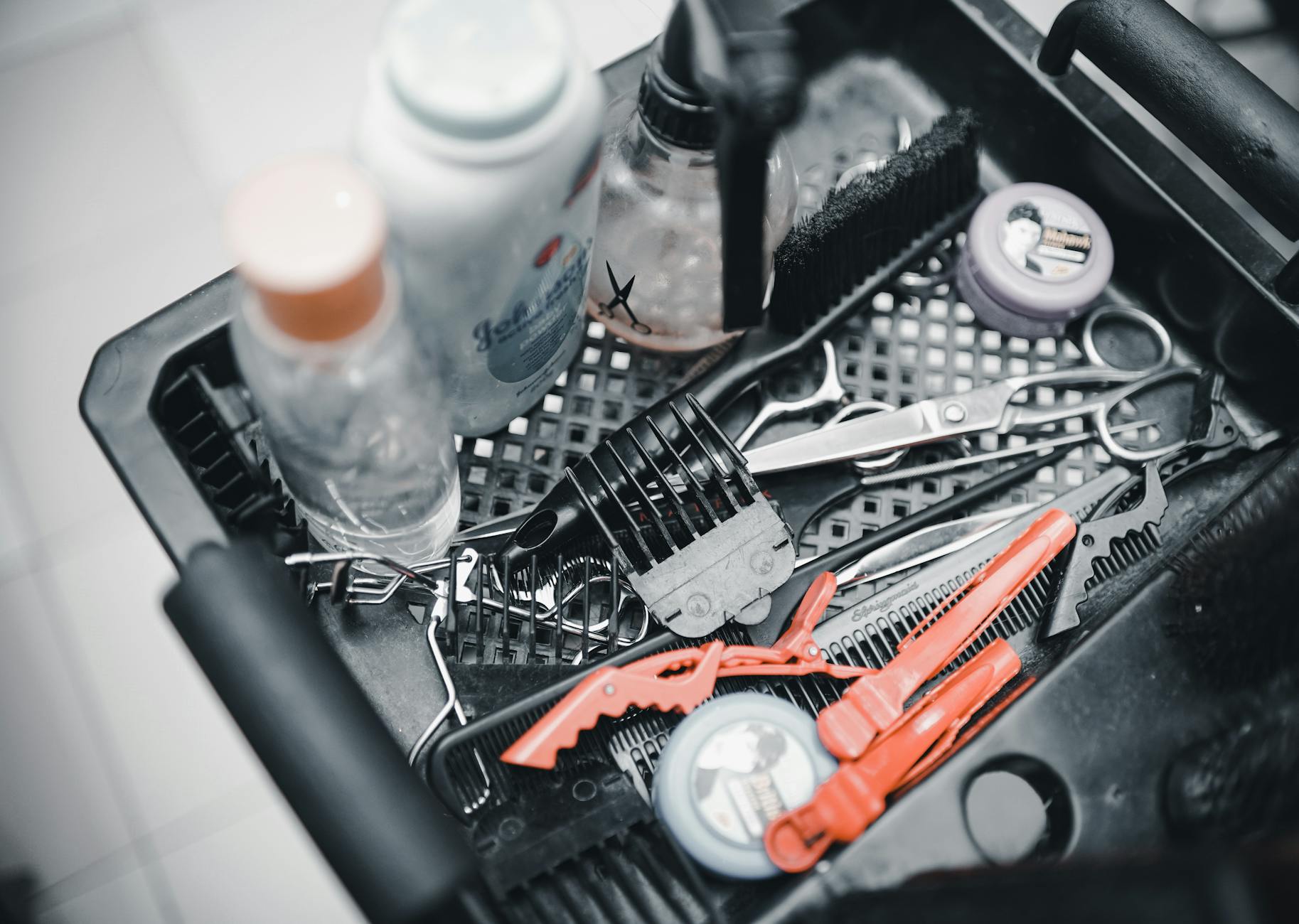
The only way to know if hair products are your acne trigger is to track the timeline and test by elimination. If your forehead breakouts began or worsened within 4 to 6 weeks of starting a new shampoo, conditioner, styling gel, pomade, hair oil, leave-in treatment, or even a new dry shampoo, that temporal relationship is your first clue. Write down which products you were using when the breakouts started, then look up their ingredient lists online using INCIDecoder or similar databases and search for known comedogenic ingredients: coconut oil, argan oil, shea butter, cocoa butter, silicones (look for ingredients ending in “-cone” or “-siloxane”), petrolatum, and mineral oil. If multiple products in your routine contain these, any one of them could be the culprit. To test whether hair products are actually causing your acne, you have two options: gradual substitution or complete elimination.
Gradual substitution means replacing one product at a time with a non-comedogenic alternative—switching to a clarifying shampoo without oils, a lightweight conditioner designed for fine or acne-prone hair, and a non-silicone styling product—and waiting 6 weeks to see if the forehead breakouts improve. Complete elimination is faster but more dramatic: wash your hair only with a gentle, oil-free cleanser and skip all styling products for two weeks. If your forehead clears significantly within that window, you’ve confirmed the problem. The limitation of this approach is that it requires patience and discipline, and you may feel uncomfortable with your hair appearance during testing. However, the evidence will be clear: if you’re using a medicated acne treatment and your hairline clears when you stop using hair products, then acne cosmetica, not treatment failure, was the problem all along.
How First-Line Acne Treatments Are Designed—And Why Hair Product Interference Mimics Treatment Failure
First-line acne treatments like benzoyl peroxide, salicylic acid, and retinoids work by targeting the four causes of acne: excess sebum production, bacterial proliferation, follicle clogging, and inflammation. A dermatologist typically starts with benzoyl peroxide (2.5% to 10%), which kills acne-causing bacteria within the follicle, or a retinoid like adapalene, which increases cell turnover and prevents pore clogging. These medications work well on most of the face, which is why you might see improvement on your cheeks and chin but continued breakouts at the hairline—the medications can’t overcome an external barrier of comedogenic residue. The distinction is critical because it changes the solution: if your acne medication is truly ineffective, your dermatologist would escalate to stronger medications (oral antibiotics, hormonal therapy, or isotretinoin). But if the problem is interference from hair products, the answer is simply to change your hair care routine.
A 30-year-old man using 5% benzoyl peroxide face wash twice daily might see his acne improve everywhere except along his hairline, where he has a persistent line of inflamed papules. His dermatologist might initially consider this “partial response” or “resistant acne,” potentially recommending oral antibiotics or a higher strength benzoyl peroxide. But when questioned about his hair routine, he mentions he uses a pomade with petroleum and silicone every morning. Once he switches to a lightweight, oil-free styling product, the hairline breakouts resolve within 4 weeks—not because the benzoyl peroxide “started working,” but because the external interference was removed. This scenario highlights why your skin care provider needs to know about your entire grooming routine, not just your face care.
The Most Common Culprit Ingredients in Hair Products—And Non-Comedogenic Alternatives
If you want to keep using shampoo, conditioner, and styling products while treating acne, your task is identifying which products contain the worst offenders and replacing them with non-comedogenic versions. The biggest culprits are silicones (dimethicone, cyclomethicone, amodimethicone), which provide shine and smoothness but form a waterproof barrier that traps bacteria underneath. Coconut oil appears in everything from conditioners to leave-in treatments and masks; it’s highly comedogenic and frequently causes acne in people who have never had acne before. Argan oil, shea butter, and cocoa butter are touted as natural moisturizers but clog pores just as effectively as synthetic oils. Beeswax and lanolin, common in pomades and balms, also rank high on the comedogenicity scale. Hair waxes and styling clays that sit at the hairline for hours create a perfect environment for bacterial growth.
Non-comedogenic alternatives exist for nearly every hair product category. For conditioners, look for lightweight, water-based formulas labeled “non-comedogenic” or designed for fine, thin, or oily hair—brands like Cantu, SheaMoisture’s Coconut & Hibiscus line (yes, despite the name, the actual conditioner doesn’t cause acne for most people), or silicone-free options. For styling products, gel-based formulas and creams made with volatile silicones (which evaporate) are safer than heavy pomades and butters. Dry shampoos rated for sensitive skin and acne-prone skin are available and don’t leave the same residue as traditional pomades. The trade-off is that non-comedogenic hair products often provide less dramatic shine, hold, or moisture—your hair may look slightly less polished, but your skin will be clearer. For many people dealing with persistent acne, that’s an acceptable compromise.
How Long It Takes to See Improvement After Eliminating Hair Product Interference
Once you’ve identified and removed the offending hair product, you shouldn’t expect your forehead to clear overnight. Your skin needs time to clear out the pore-clogging residue and for your acne medication to begin working on bacteria that were protected beneath that barrier. Most dermatologists advise waiting 4 to 6 weeks after eliminating a comedogenic product to see full improvement. Your existing breakouts will follow the normal acne healing timeline: papules and pustules may take 1 to 2 weeks to flatten, and post-inflammatory hyperpigmentation or scarring may take months to fade. During this waiting period, many people become discouraged and assume their acne treatment still isn’t working, when in fact the treatment is working—it’s just working on newly exposed, unblocked pores.
A critical warning: if you’ve switched to non-comedogenic hair products and maintained your acne medication routine for 6 weeks without seeing any improvement on your forehead, then your acne likely has a different cause. Hairline breakouts can also stem from friction (tight hats or headbands), sweat and humidity, sensitivity to shampoo ingredients (even non-comedogenic ones can irritate), or genuinely resistant acne that requires stronger medication. This is when you should return to your dermatologist with the information that you’ve eliminated hair product interference and the problem persists. That additional data point will help your provider make a better decision about escalating treatment. The limitation of the “switch your hair products” approach is that it only works if product interference was the actual problem—it’s a diagnostic test as much as a treatment.
Other Environmental Factors at the Hairline That Mimic Product-Induced Acne
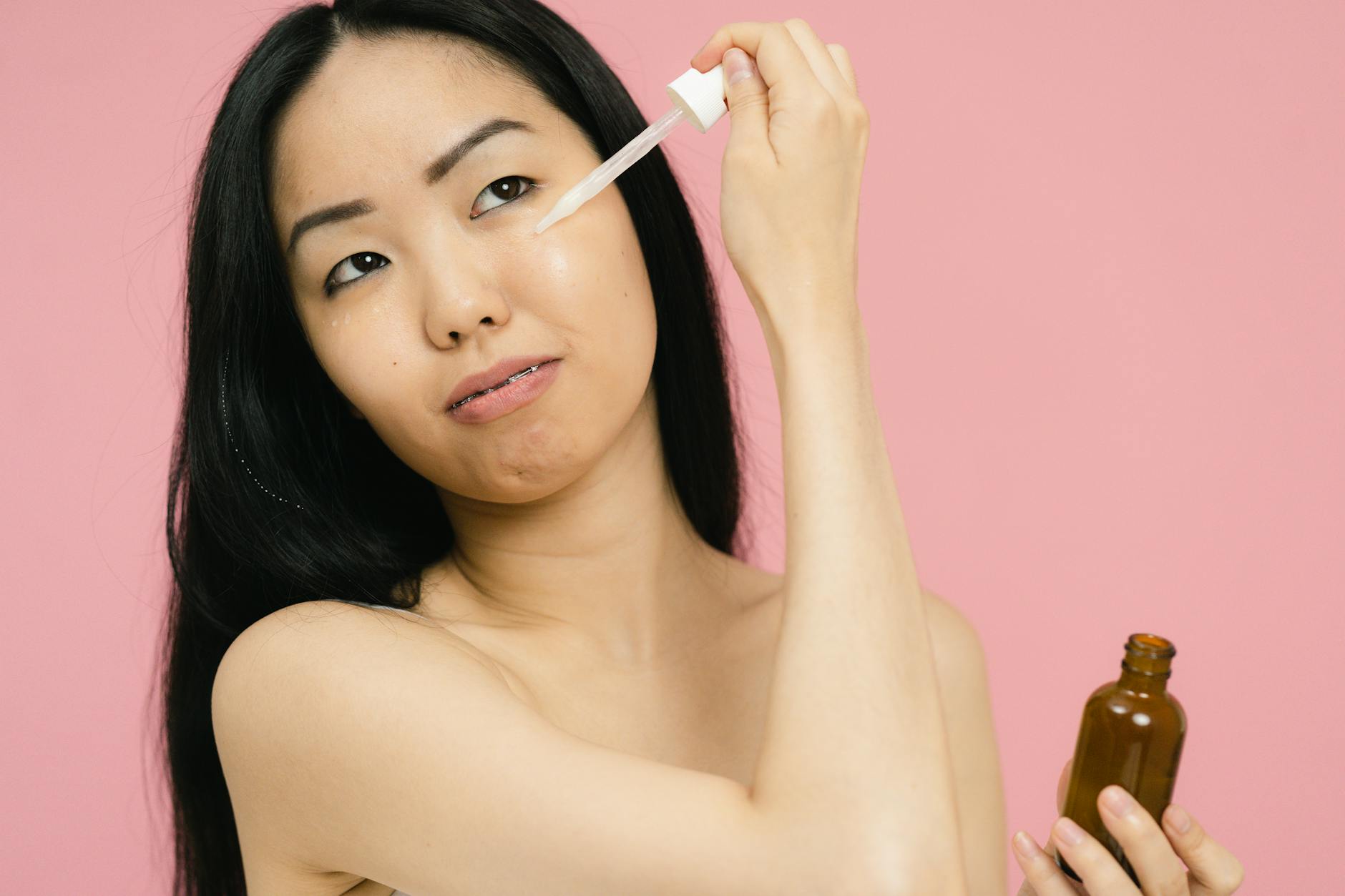
Hair products aren’t the only environmental factors that cause forehead and temple breakouts. Friction from tight hats, headbands, or athletic headwear can trigger “acne mechanica” along the same zones affected by hair product buildup. Sweat that accumulates under a baseball cap or after exercise creates a warm, moist environment where bacteria thrive—particularly if you don’t wash your face immediately after sweating. Even your shampoo itself, independent of its conditioning or styling ingredients, can cause irritation if it’s too harsh or contains fragrance and sulfates that disrupt your skin barrier. Some people with acne find that their forehead clears when they simplify their entire hair routine, not just by eliminating oils and silicones, but by switching to a gentler sulfate-free shampoo that doesn’t strip the skin or cause inflammation.
Pillowcase contact is another often-overlooked culprit. If you’re applying hair products before bed, those products transfer to your pillowcase, where they remain in contact with your skin for eight hours. Switching to a clean pillowcase daily or choosing a silk or satin pillowcase (which causes less friction and absorbs fewer oils) can make a measurable difference. The practical implication is that treating hairline acne sometimes requires a multi-pronged approach: switching hair products, changing your pillowcase, removing friction sources, and possibly adjusting how often you wash your hair. Hair products may be the primary problem, but they’re rarely the only one.
When Hair Product Changes Aren’t Enough—Escalating Acne Treatment
If you’ve eliminated comedogenic hair products, adjusted your hair routine, changed your pillowcase, removed friction sources, and maintained your first-line acne medication for 6 to 8 weeks without improvement, your acne likely requires treatment escalation. This doesn’t mean your original medication failed—it means your acne has a different underlying cause that first-line treatments don’t address.
Causes could include hormonal imbalances (particularly in women with breakouts along the jawline and lower face), a bacterial species resistant to benzoyl peroxide, overgrowth of Malassezia yeast (which mimics bacterial acne but requires antifungal treatment), or insufficient dosing of your current medication. At this point, a dermatologist might prescribe oral antibiotics like doxycycline (which fights bacteria systemically), hormonal contraceptives or spironolactone (for hormonally driven acne), or stronger topical retinoids like tretinoin. The key is that you’ll be making this decision with complete information—you’ll know that environmental interference was ruled out, so the escalation is justified.
Conclusion
The framing of your original question—”47% of patients who failed first-line treatment”—suggests treatment resistance, but what many people actually experience is treatment interference from hair products. Acne cosmetica and pomade acne are preventable and reversible; you don’t need stronger medication, just a different approach to your hair care.
Before escalating your acne treatment, eliminate the most common external culprit: replace silicone-heavy and oil-rich hair products with lightweight, non-comedogenic alternatives, and wait 4 to 6 weeks to see improvement. If your forehead and temple breakouts don’t improve despite this change and consistent use of your prescribed acne medication, then you have evidence that your acne requires a different treatment strategy—and that evidence is far more valuable to your dermatologist than a vague sense that your current treatment “isn’t working.”.
You Might Also Like
- At Least 61% of Patients Who Failed First-Line Treatment Say That Their Dermatologist May Offer Payment Plans for Scar Treatment
- At Least 19% of Patients Who Failed First-Line Treatment Have Experienced Their Cleanser Is Making Their Acne Worse
- At Least 35% of Patients Who Failed First-Line Treatment Have Experienced Oral Contraceptives Take 3 to 6 Months to Show Acne Improvement